



Insights from Kokomura's Survey on New Electricity Use in Electric Households
Kokomura recently conducted a survey focusing on electricity usage within all-electric households, providing valuable insights into how consumers perceive their energy costs and what strategies they use to manage them. The survey data is particularly illuminating, shedding light on the factors that contribute most significantly to electricity bills.
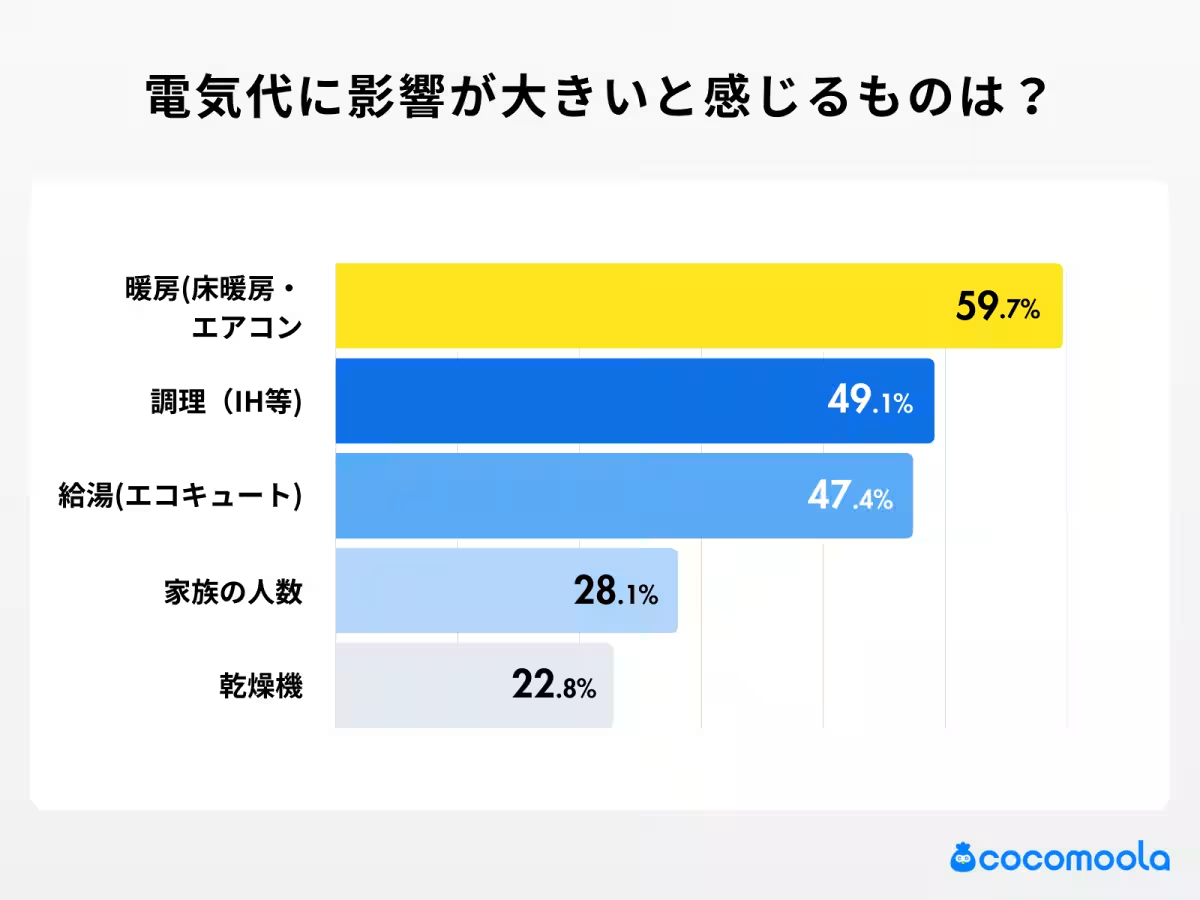
Kokomura's survey collected responses from 57 individuals aged 20 and older who utilize new electricity services in their all-electric households. The findings revealed that heating, specifically through floor heating and air conditioning, is seen as the largest contributor to electricity costs, affecting 59.7% of respondents. Cooking (such as using induction heaters) and water heating (with eco-cute systems) followed closely, with impacts felt by 49.1% and 47.4% respectively. This highlights the direct connection between an all-electric infrastructure and household expenditures on electricity.
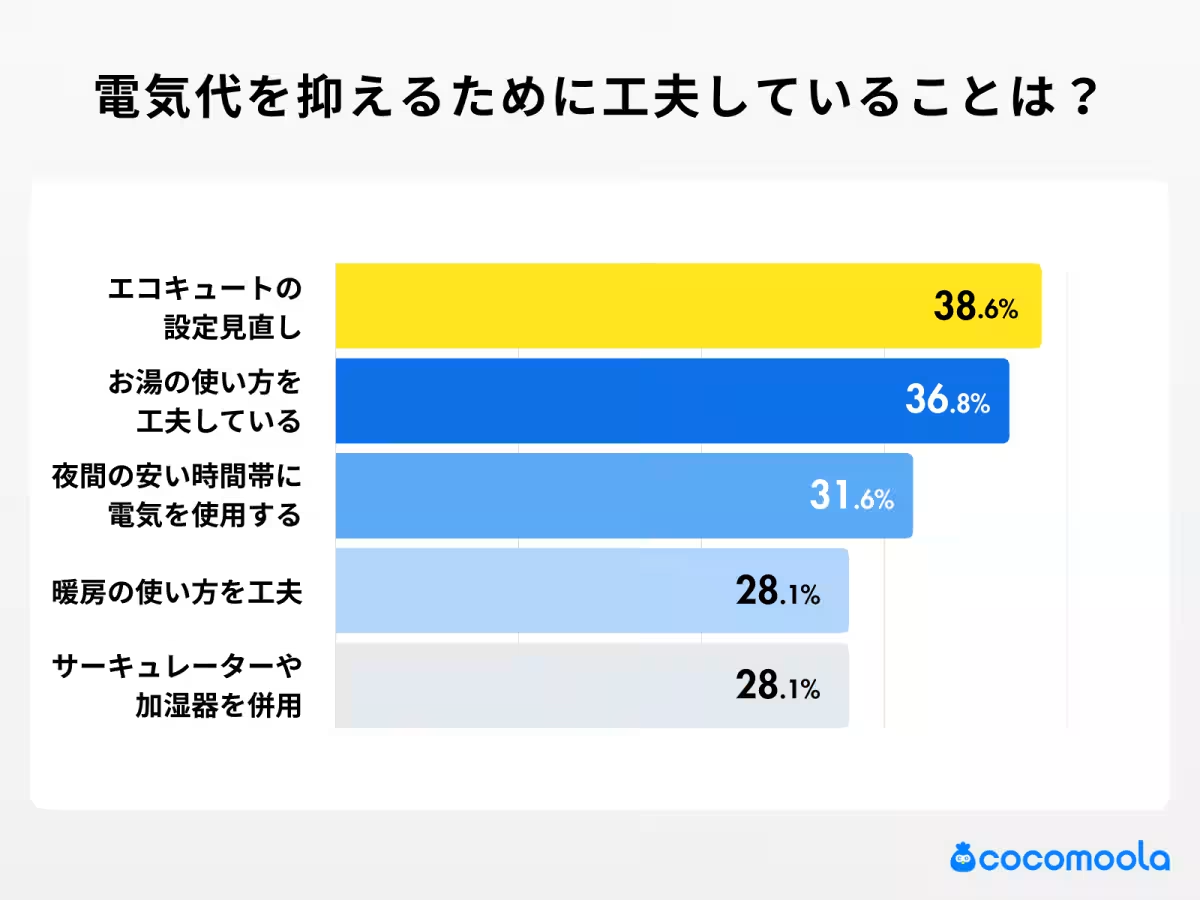
When it comes to reducing their electricity costs, respondents reported several methods they are implementing. The most popular strategy, chosen by 38.6% of participants, is re-evaluating the settings of their eco-cute systems. Other common strategies include optimizing the way hot water is used (by 36.8%), and shifting electricity usage to cheaper night-time rates (31.6%). These behaviors suggest a growing awareness among users about managing energy consumption efficiently.
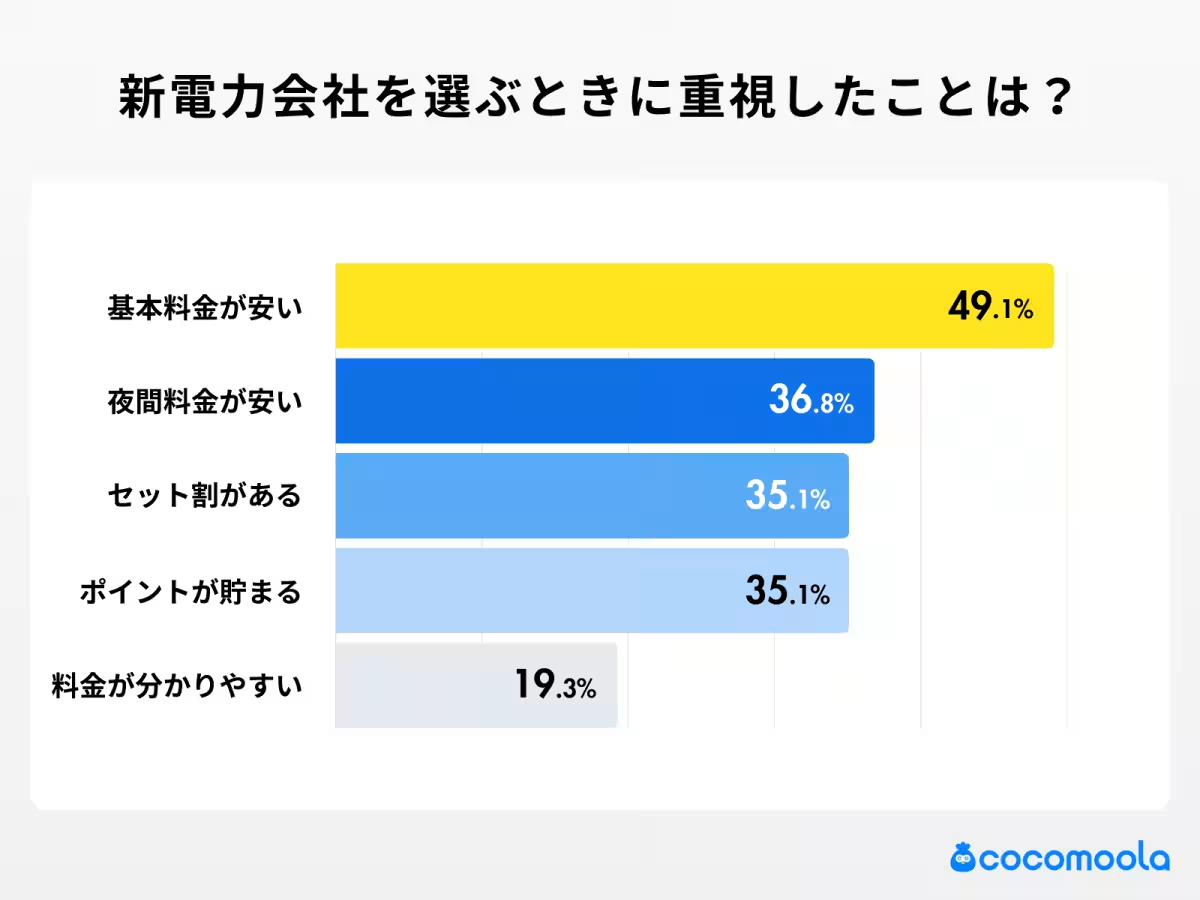
The criteria that consumers prioritize when selecting new electricity providers are equally revealing. A substantial 49.1% of respondents indicated that low basic fees are the most important factor when choosing a provider, followed by 36.8% who look for reductions in night-time tariffs. Interestingly, value-added services, such as bundled discounts and reward points, are also significant considerations for over 30% of respondents, indicating that alongside low prices, additional benefits are crucial in their decision-making process.
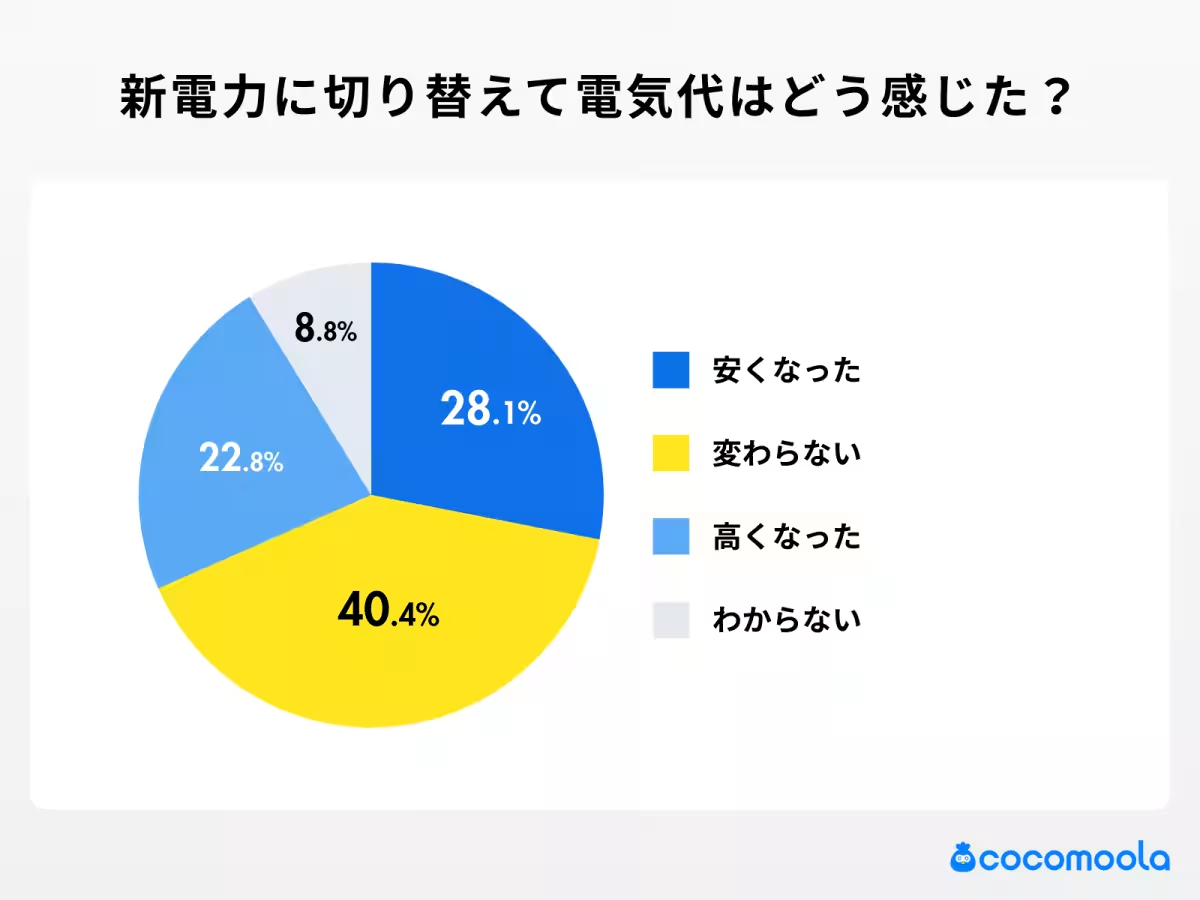
The survey also probed how participants feel about their electricity costs since switching to new providers. Around 28.1% noted that their bills have decreased, while 40.4% reported their expenses remained stable, and 22.8% felt that their costs had increased. This reflects a diverse range of experiences among consumers regarding their new electricity services.
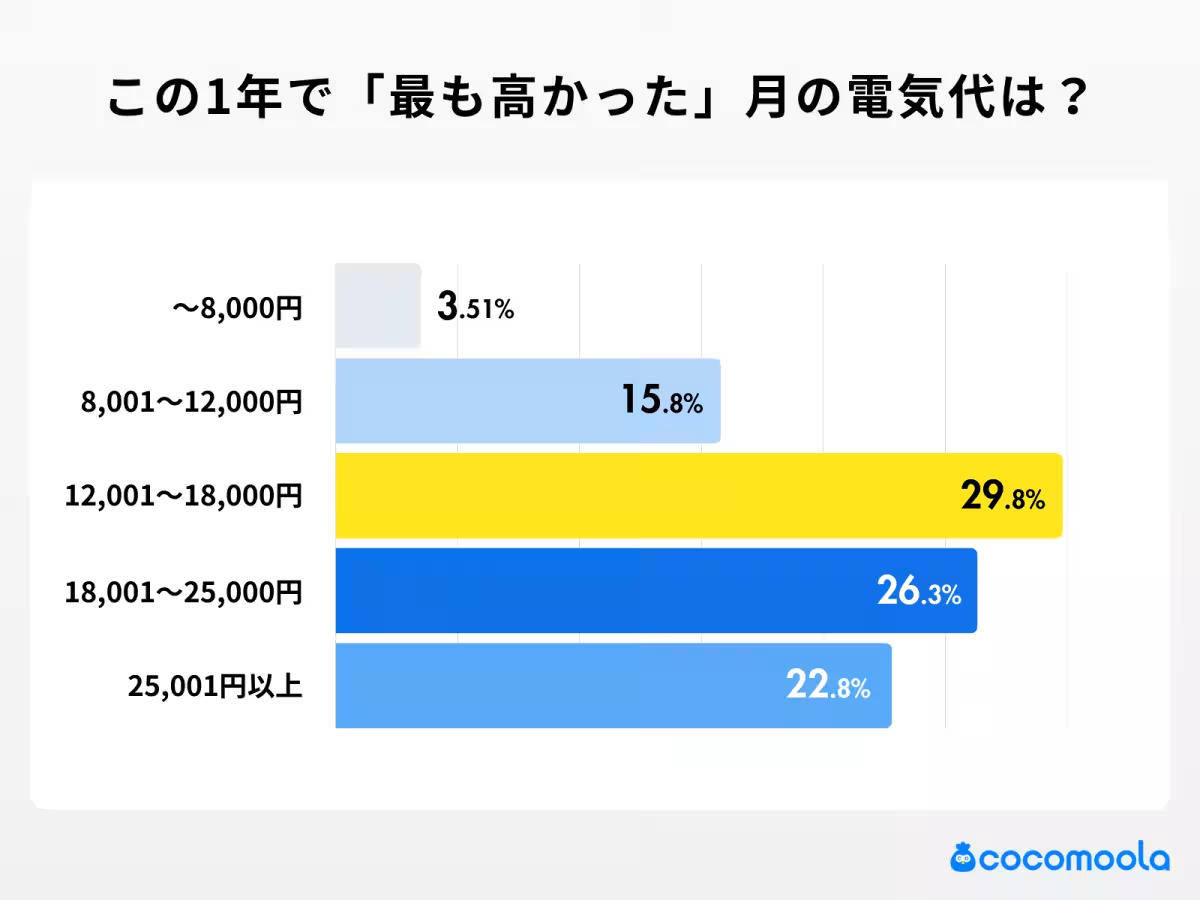
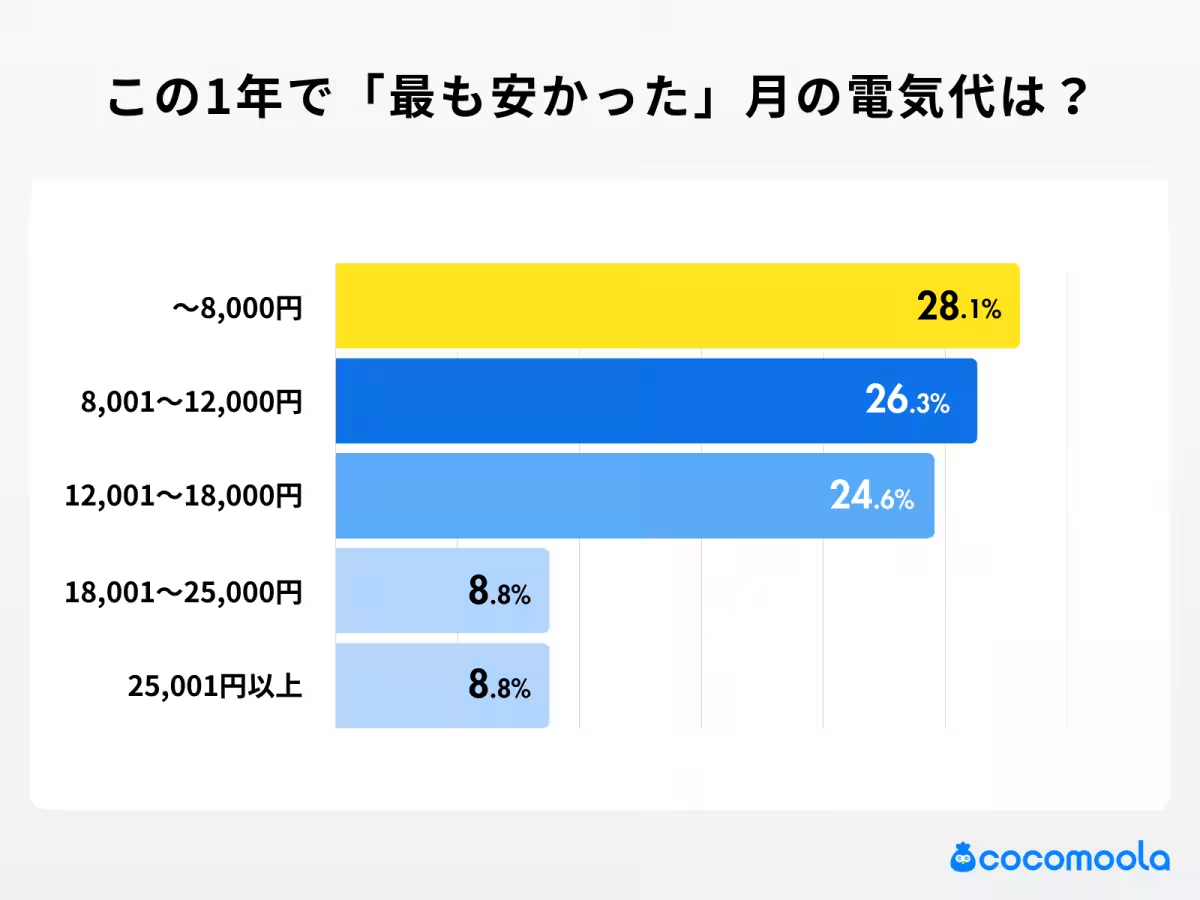
Respondents were asked about the highest and lowest monthly electricity bills they’ve experienced over the past year. To no surprise, many households have felt the financial strain, with around 49.1% reporting bills in the range of 12,001 yen to 18,000 yen during the peak month, while 28.1% of respondents had the lower end of the scale, seeing bills under 8,000 yen in their least expensive month.
Understanding which household practices impact electricity bills revealed that heating remains the foremost concern. The strategies employed to mitigate these costs are crucial for households striving for better energy efficiency without compromising comfort. Nearly 28.1% reported adjusting their heating habits, and about 21.1% are considering switching to energy-efficient appliances.
Kokomura's survey provides essential insights into the behaviors and preferences of consumers using new electricity sources in electric households within Japan. The emphasis on managing electricity costs through strategic usage and thoughtful choice of providers signifies an evolving energy landscape influenced by user awareness and the necessity for economical living. Consumers are not only adapting to the challenges posed by fluctuating energy prices, but they are also becoming proactive participants in the quest for sustainability in their energy consumption.
For more comprehensive details and the complete survey results, visit Kokomura's website.

Survey Overview
Kokomura's survey collected responses from 57 individuals aged 20 and older who utilize new electricity services in their all-electric households. The findings revealed that heating, specifically through floor heating and air conditioning, is seen as the largest contributor to electricity costs, affecting 59.7% of respondents. Cooking (such as using induction heaters) and water heating (with eco-cute systems) followed closely, with impacts felt by 49.1% and 47.4% respectively. This highlights the direct connection between an all-electric infrastructure and household expenditures on electricity.
Cost-Cutting Strategies
When it comes to reducing their electricity costs, respondents reported several methods they are implementing. The most popular strategy, chosen by 38.6% of participants, is re-evaluating the settings of their eco-cute systems. Other common strategies include optimizing the way hot water is used (by 36.8%), and shifting electricity usage to cheaper night-time rates (31.6%). These behaviors suggest a growing awareness among users about managing energy consumption efficiently.
Choosing New Electricity Providers
The criteria that consumers prioritize when selecting new electricity providers are equally revealing. A substantial 49.1% of respondents indicated that low basic fees are the most important factor when choosing a provider, followed by 36.8% who look for reductions in night-time tariffs. Interestingly, value-added services, such as bundled discounts and reward points, are also significant considerations for over 30% of respondents, indicating that alongside low prices, additional benefits are crucial in their decision-making process.
Financial Impact of New Electricity Services
The survey also probed how participants feel about their electricity costs since switching to new providers. Around 28.1% noted that their bills have decreased, while 40.4% reported their expenses remained stable, and 22.8% felt that their costs had increased. This reflects a diverse range of experiences among consumers regarding their new electricity services.
Monthly Bill Variations
Respondents were asked about the highest and lowest monthly electricity bills they’ve experienced over the past year. To no surprise, many households have felt the financial strain, with around 49.1% reporting bills in the range of 12,001 yen to 18,000 yen during the peak month, while 28.1% of respondents had the lower end of the scale, seeing bills under 8,000 yen in their least expensive month.
The Role of Household Practices
Understanding which household practices impact electricity bills revealed that heating remains the foremost concern. The strategies employed to mitigate these costs are crucial for households striving for better energy efficiency without compromising comfort. Nearly 28.1% reported adjusting their heating habits, and about 21.1% are considering switching to energy-efficient appliances.
Conclusion
Kokomura's survey provides essential insights into the behaviors and preferences of consumers using new electricity sources in electric households within Japan. The emphasis on managing electricity costs through strategic usage and thoughtful choice of providers signifies an evolving energy landscape influenced by user awareness and the necessity for economical living. Consumers are not only adapting to the challenges posed by fluctuating energy prices, but they are also becoming proactive participants in the quest for sustainability in their energy consumption.
For more comprehensive details and the complete survey results, visit Kokomura's website.
Topics Consumer Technology)
【About Using Articles】
You can freely use the title and article content by linking to the page where the article is posted.
※ Images cannot be used.
【About Links】
Links are free to use.