



Innovative Coffee Charcoal Craft Paper Developed from Recycled Coffee Grounds
Introduction
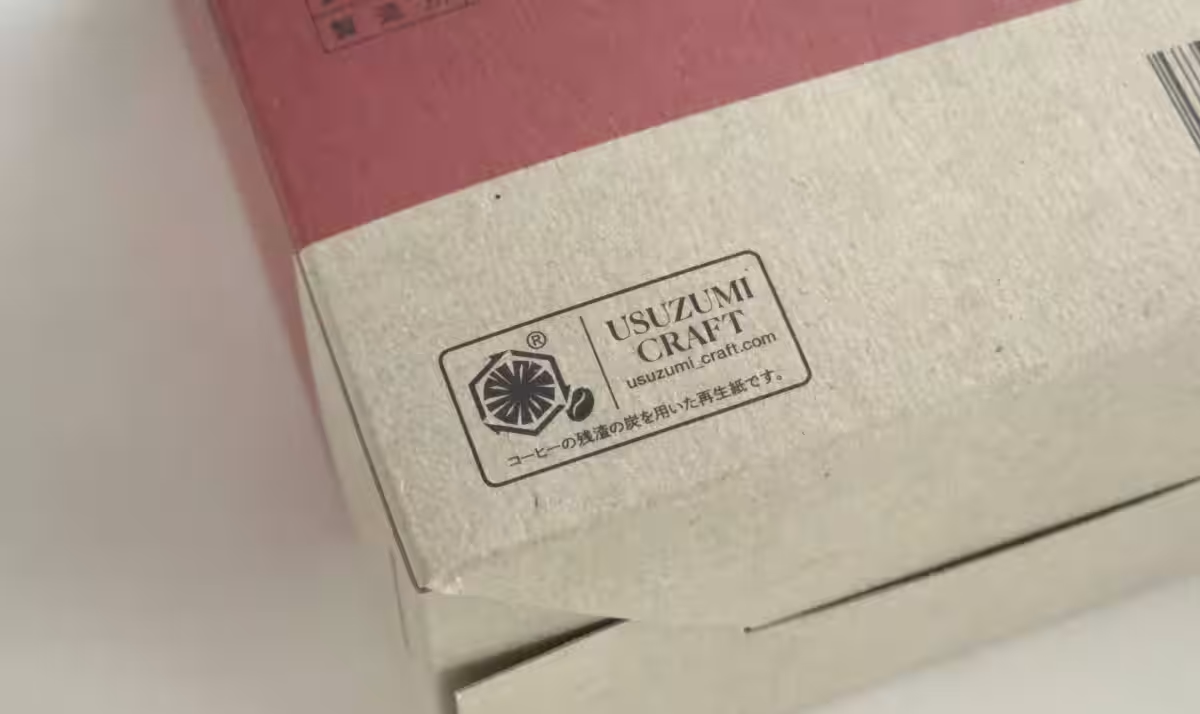
In an exciting collaborative effort, two traditional businesses from Nara, Japan, have joined forces to develop a new material called "Coffee Charcoal Craft." This innovative product combines recycled paper with coffee grounds, aiming not only to address environmental concerns but also to enhance product packaging for gifts.
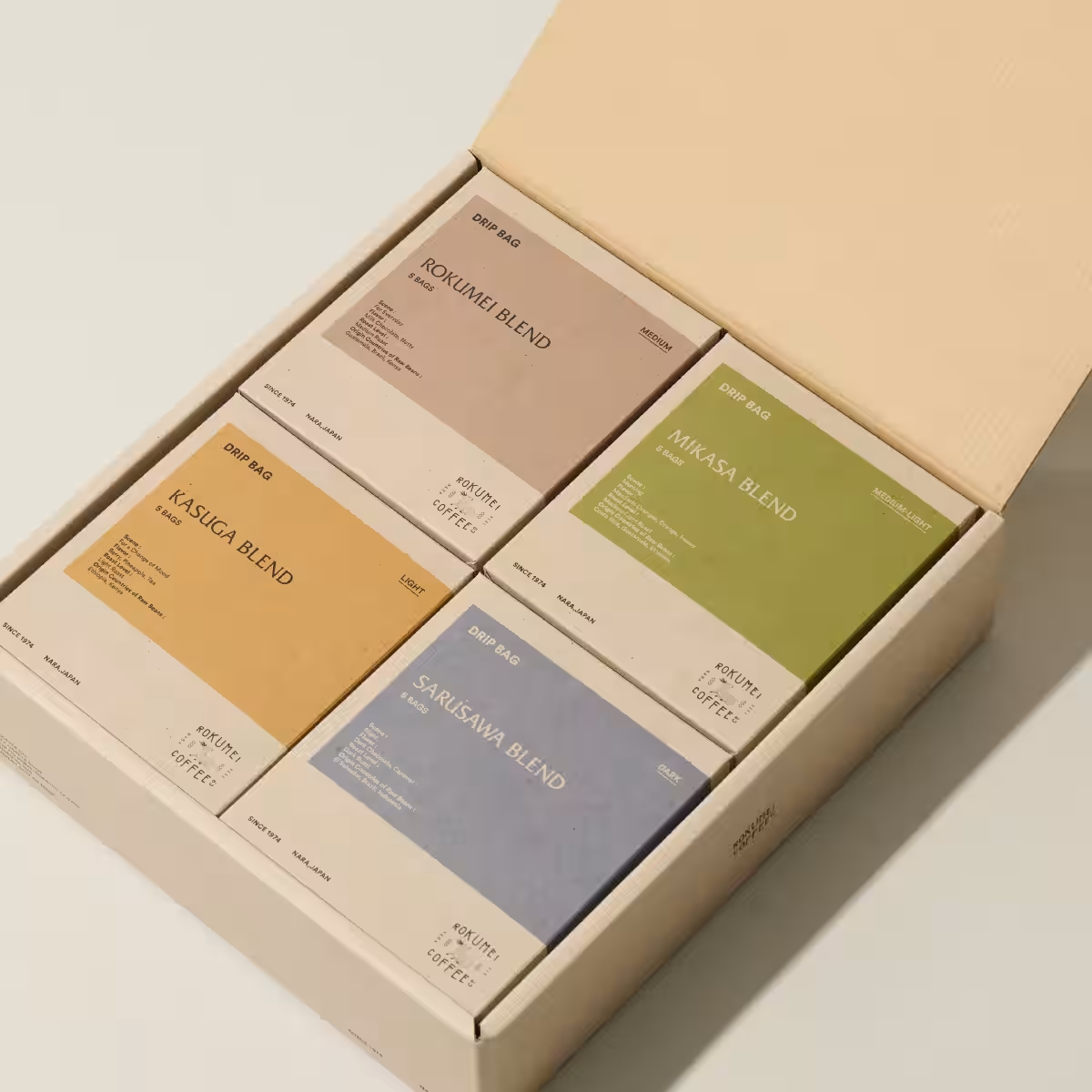
Founded in 1890, Pepal Co., Ltd., a long-established paper manufacturer, partnered with Rokumei Coffee, a specialty coffee shop known for its in-house roasted brews. Together, they explored the potential of transforming waste coffee grounds into a functional and stylish material, which is set to debut in gift boxes beginning March 2026.
The Challenge of Coffee Grounds Recycling
Every day, vast quantities of coffee grounds are produced during roasting and brewing processes. At Rokumei Coffee, approximately 40 tons of coffee are roasted each year. However, the presence of paper filters used in hand-dripping poses a significant barrier to recycling, making it difficult to find valuable uses for spent grounds. Despite their desire to find a useful method for these byproducts, the incompatible materials made it a challenging task.
President Koji Ida of Rokumei Coffee had long recognized the potential of using spent coffee grounds to create paper, inspired by Pepal’s innovative "kome-kami," a type of paper made from inedible rice. This led him to consult with Pepal about the possibility of using coffee grounds similarly. Thus, the development of Coffee Charcoal Craft began.
A Breakthrough with Biochar Technology
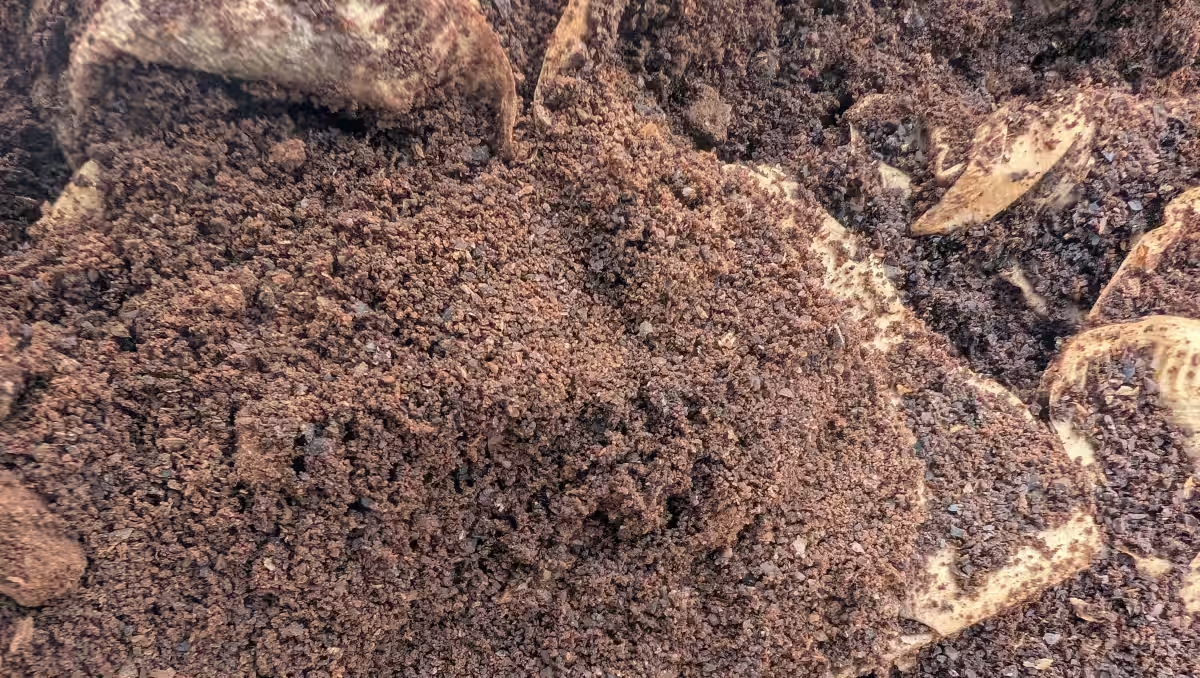
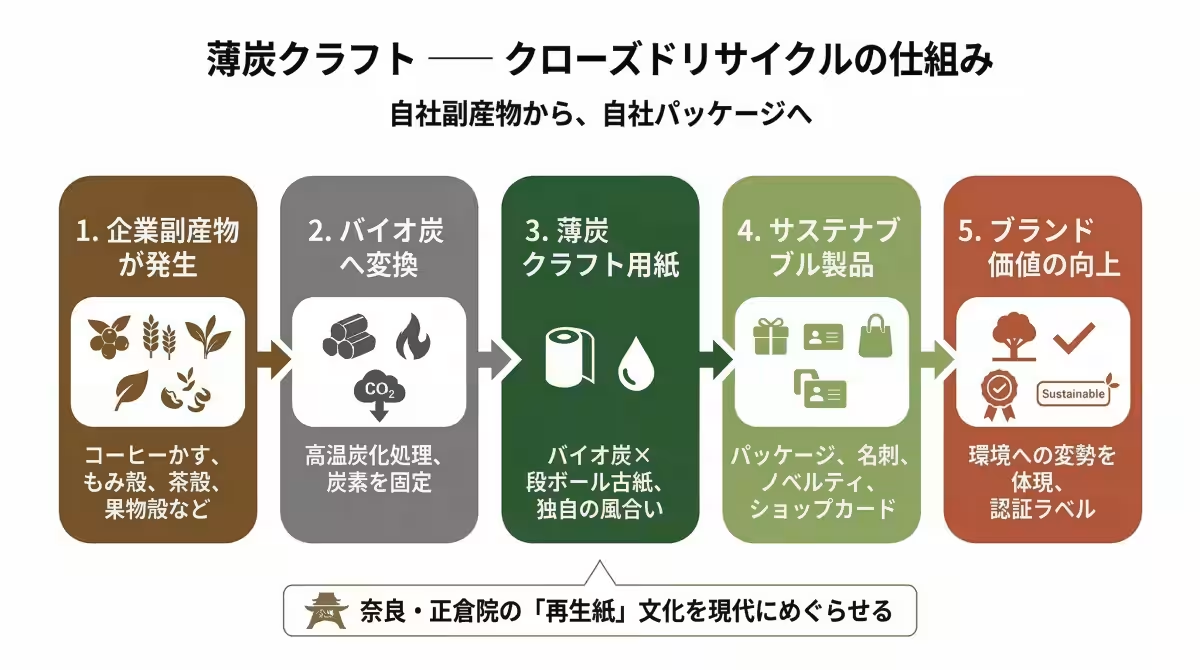
Pepal adopted a unique method involving the high-temperature carbonization of coffee grounds to create biochar, which is then integrated into recycled cardboard. This innovative production process allows for the efficient handling of contaminants like paper filters, eliminating the sorting issues that typically hinder recycling efforts.
The technology they utilized was based on the "Thin Charcoal Craft" developed by Pepal in 2025, which draws inspiration from ancient Japanese practices of repulping paper. As early as the Nara period, reused papers were common, and by the Heian period, such papers were referred to as "shukushi". The pale gray color characteristic of this paper was successfully replicated using biochar and recycled cardboard, leading to its popularity upon release.
The Coffee Charcoal Craft has gently grayed tones derived from coffee, along with a soft texture that showcases its origins.
Turning Waste into Brand Identity
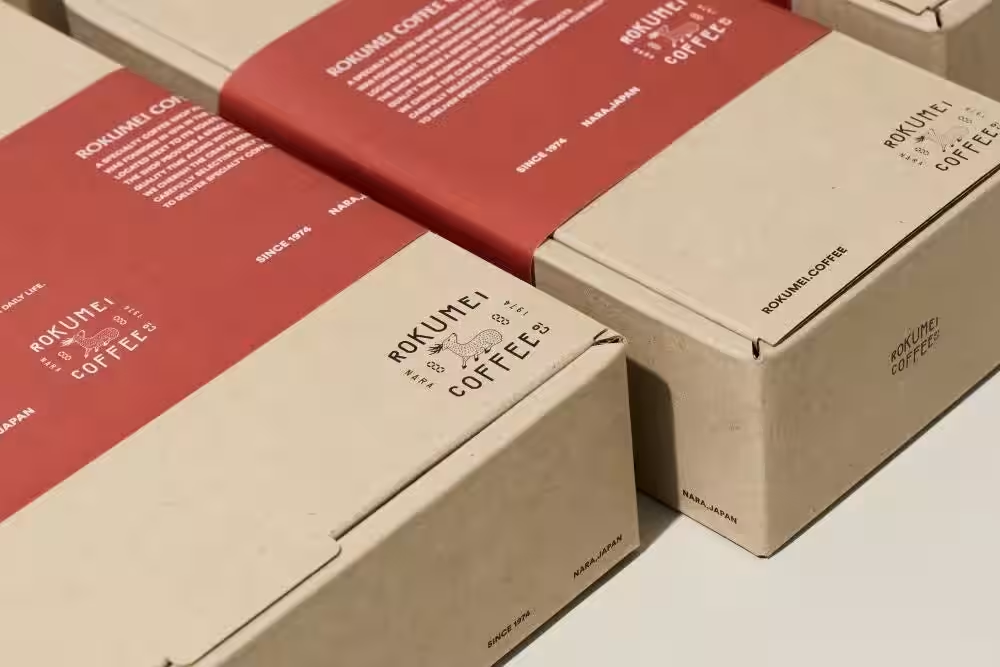
The Coffee Charcoal Craft has not only found its home in Rokumei Coffee's gift boxes but has transformed previously wasted coffee grounds into a significant aspect of branding. Customers receiving gifts packaged in this unique material expressed amazement, exclaiming, "Can coffee grounds really turn into paper?" Such reactions have positively impacted Rokumei Coffee’s brand image.
Product Overview
The gift set, known as COTONARA, features four blends designed to enrich daily life, priced at ¥5,660 (tax-inclusive). This specialty coffee is inspired by Nara's culture, showcasing a blend of quality beans roasted to perfection, accompanied by a backstory that adds a personal touch to gifts for loved ones.
Key Features of Coffee Charcoal Craft:
- - A gentle mix of gray and craft colors, derived from coffee grounds.
- - Odor-absorbing qualities inherent in the paper itself.
- - 100% recycled content, sourced from certified FSC paper.
- - Implements a closed-loop recycling system, with byproducts being used in product packaging.
This closed-loop recycling system can potentially apply to various industries beyond coffee, including food, beverages, agriculture, and apparel—enabling a wide array of byproducts to be repurposed efficiently.
Conclusions
The collaboration between Pepal and Rokumei Coffee epitomizes a sustainable innovation that not only addresses the challenges of waste management in the coffee industry but also reinvigorates traditional practices of resource reuse in Japanese culture. As businesses continue to search for green solutions, Coffee Charcoal Craft stands as a testament to what can be achieved when innovative minds align to repurpose waste into something beautiful and functional.
For more information on Coffee Charcoal Craft and its applications, please refer to Pepal’s website here and Rokumei Coffee’s official page here.
Topics Consumer Products & Retail)


【About Using Articles】
You can freely use the title and article content by linking to the page where the article is posted.
※ Images cannot be used.
【About Links】
Links are free to use.