



How Winter Bedroom Conditions Affect Morning Skin Health
The Impact of Winter Bedroom Conditions on Skin Health
As winter sets in, many people experience not just the chill in the air but also adverse effects on their skin, particularly in the mornings. Medical Corporation Tekketsukai, which operates the Icy Clinic across various locations in Tokyo, conducted a survey aimed at understanding the relationship between bedroom environment during winter and skin condition. This article delves into the results and implications of this important research.
Dryness and Tightness: Common Winter Complaints
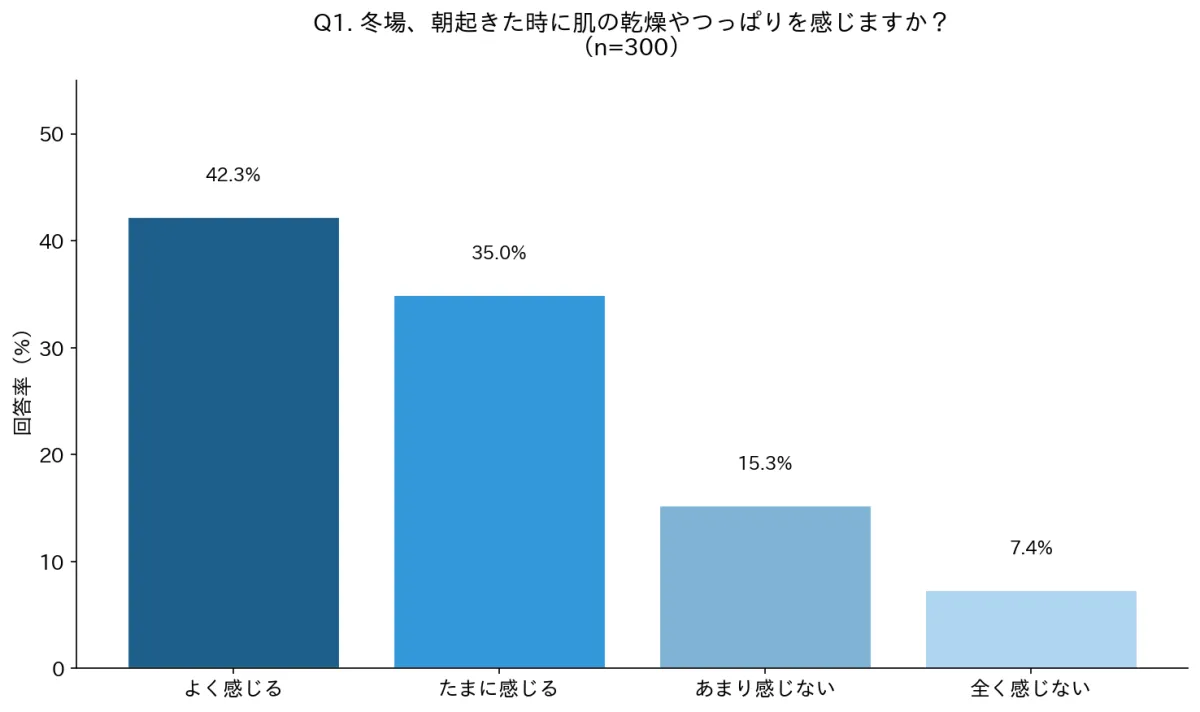
During the winter months, the combination of low temperatures and reduced humidity can lead to heightened skin troubles. A significant portion of individuals, particularly in the 20 to 50 age bracket, have reported feelings of dryness and tightness upon waking. The survey revealed that 42.3% experience these sensations frequently, while 35% report occasional discomfort. In total, 77.3% of participants indicated they felt their skin was drier in the morning during winter.
The Connection Between Cold Rooms and Skin Issues
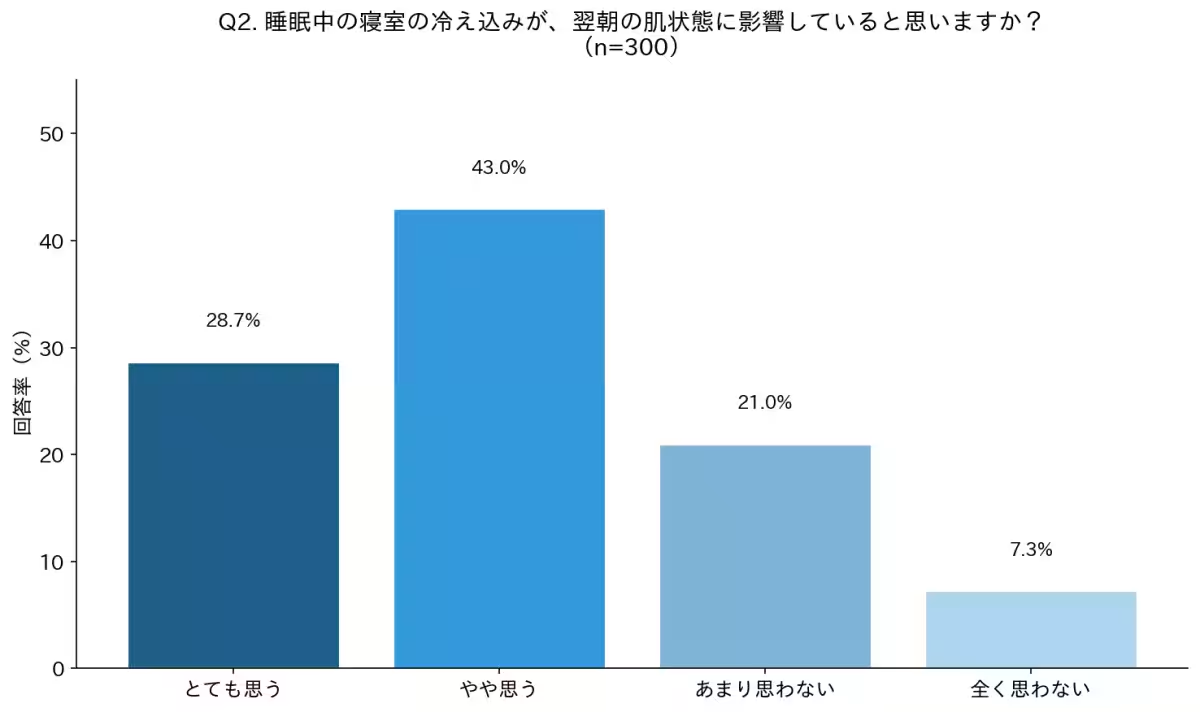
The survey findings also pointed to a strong correlation perceived by participants between the cooling temperatures of their bedrooms at night and their skin health. When asked if they believe that their cold bedroom at night affects their skin condition in the morning, 71.7% affirmed this, with 28.7% strongly agreeing and 43% somewhat agreeing. This underscores an essential aspect of self-care that many are aware of yet may not actively address.
Heating and Humidifying: Common Practices
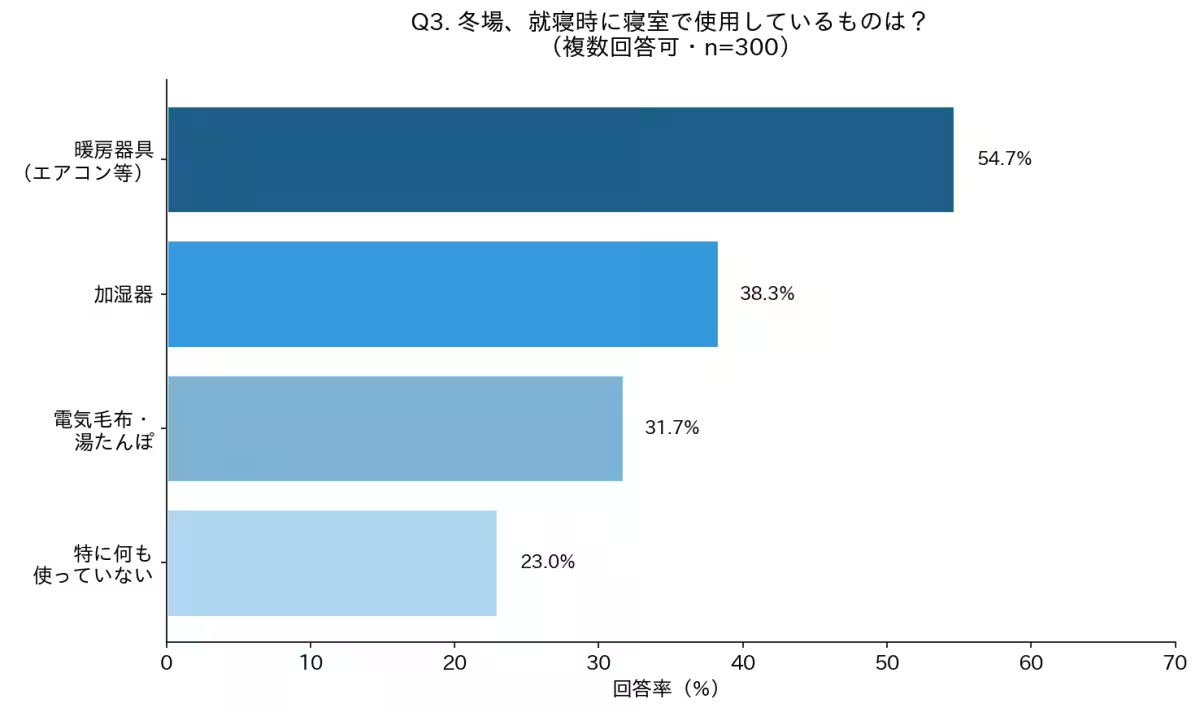
Interestingly, the survey also explored what measures people take to combat the cold in their bedrooms during winter. The most frequently employed solution was heating devices, such as air conditioners or heaters, used by 54.7% of respondents. Following this, approximately 38.3% employed humidifiers, while about 31.7% used electric blankets or hot water bottles. However, a concerning 23% of respondents reported that they do not use any means to keep their bedrooms warm, indicating a significant portion of the population may be neglecting their sleeping environment.
Improving Bedroom Conditions: A Low Priority
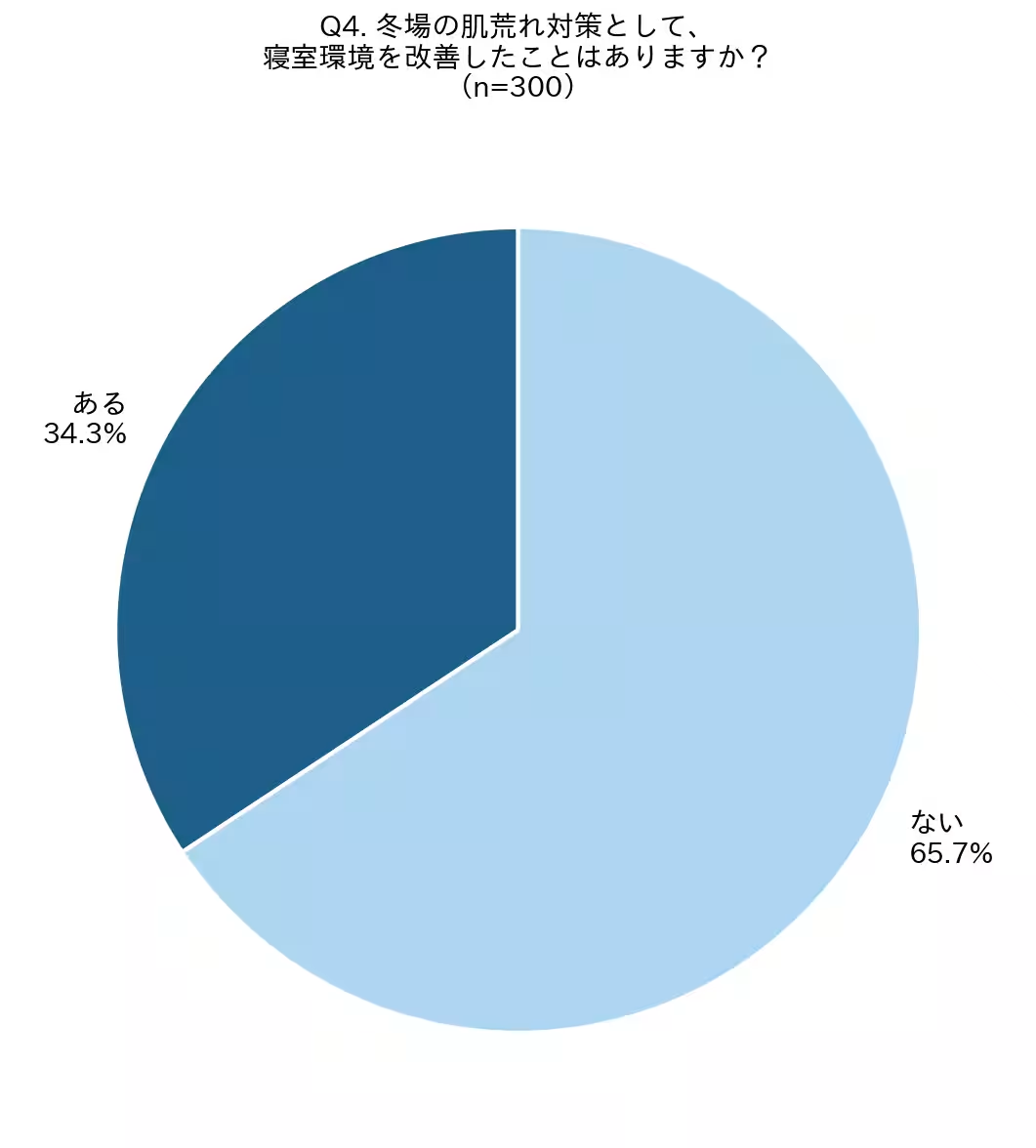
When it comes to actively enhancing their bedroom conditions for better skin health, only 34.3% of respondents claimed to have made improvements. This paints a picture of awareness versus action, where many feel the effects of their cold bedrooms but have yet to take the necessary steps to rectify the situation.
Common Remedies and the Need for Expert Consultation
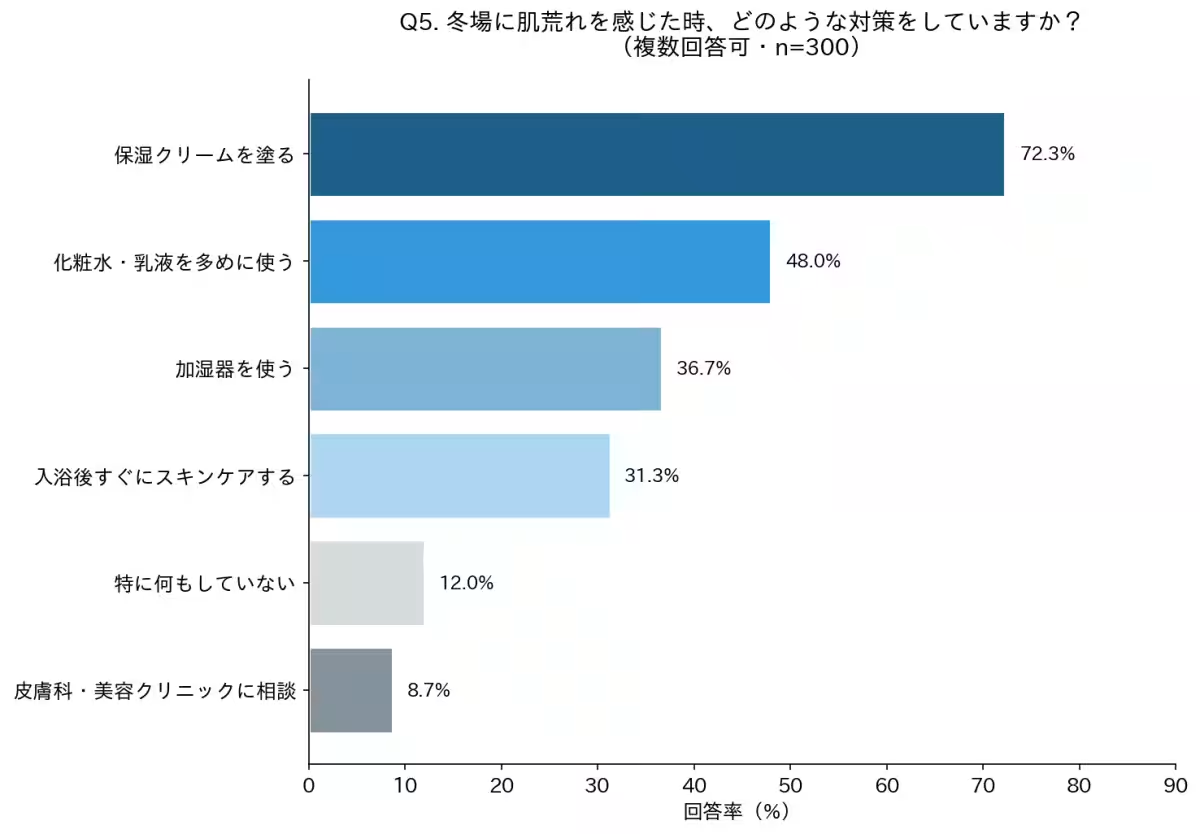
Furthermore, when asked about actions taken to address skin issues in the winter, most people resorted to using moisturizer, with 72.3% indicating that this was their primary method of care. This was followed by 48.0% employing toners and lotions, and 36.7% using humidifiers as skin care solutions. Notably, only 8.7% sought advice from dermatologists or cosmetic clinics, highlighting a gap in professional consultation that could potentially assist in addressing significant skincare issues.
Summary of Findings
Ultimately, the findings reveal that a substantial number of individuals are aware of the connection between their winter bedroom conditions and skin health but are falling short in making the necessary changes. While moisturization remains a popular method for mitigating skin issues, the very environments in which they sleep may be exacerbating those issues. The survey suggests that professional guidance is an underutilized resource for those struggling with long-lasting effects of winter dryness.
Commentary from Experts at Icy Clinic
Dr. Kouta Takakwa of Icy Clinic commented on the findings, noting, "It is clear that many people feel the impact of cold bedrooms on their skin but have not taken steps to improve their sleeping conditions. A chilly bedroom can inhibit skin circulation and hinder the skin's ability to regenerate, while insufficient humidity can lead to a loss of moisture from the skin. Ideally, maintaining a bedroom temperature between 18°C and 22°C with humidity at 50% to 60% is recommended. While moisturizing is critical, individuals experiencing persistent issues should consider consulting a dermatologist or cosmetic expert, especially during winter when skin problems can worsen."
Consultations for Skin Concerns
If you are struggling with skin issues in winter that do not improve with home care, Icy Clinic offers free consultations where experienced medical professionals can tailor treatment plans according to individual needs. With multiple locations across Tokyo, including Shinjuku, Shibuya, Ueno, Ikebukuro, and more, accessing expert care is convenient. Don’t let winter dry out your skin; reach out for help today.
Topics Health)
【About Using Articles】
You can freely use the title and article content by linking to the page where the article is posted.
※ Images cannot be used.
【About Links】
Links are free to use.