



A Transformative Experience: How Home ECG Testing Boosts Health Awareness Among Participants in Hamamatsu
Introduction
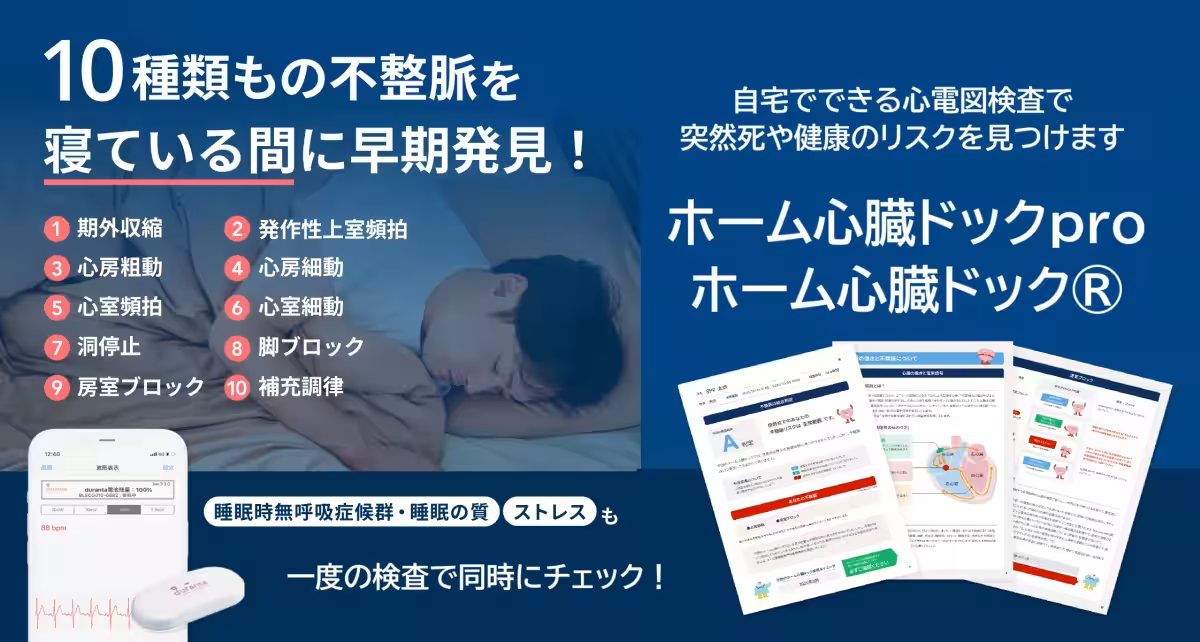
In a groundbreaking initiative, Kokoromiru, a health tech venture, showcased their innovative home ECG testing service, "Home Heart Dock pro," at Aion Mall in Hamamatsu. A significant 92.3% of participants reported an increase in health awareness after experiencing the real-time monitoring of their heart's activity. This article dives into the findings of this noteworthy event, shedding light on the implications for preventive healthcare in Japan.
The Health Awareness Shift
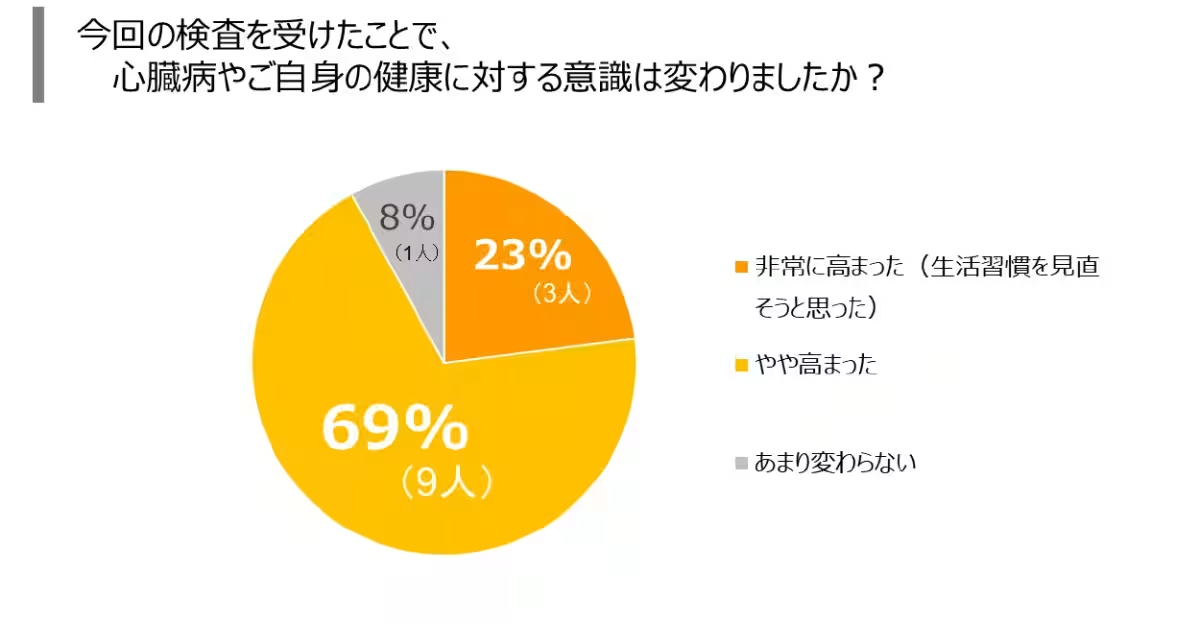
The survey conducted revealed that out of 13 participants, an impressive 12 (approximately 92.3%) stated that their awareness of health issues, particularly concerning their heart, had notably improved. Feedback showed that some participants felt very motivated to reassess their lifestyle, hence indicating a strong response to this novel monitoring approach. This awareness shift is crucial as it addresses often-overlooked heart risks, guiding individuals to prioritize their cardiac health more seriously.
Encouraging Medical Engagement
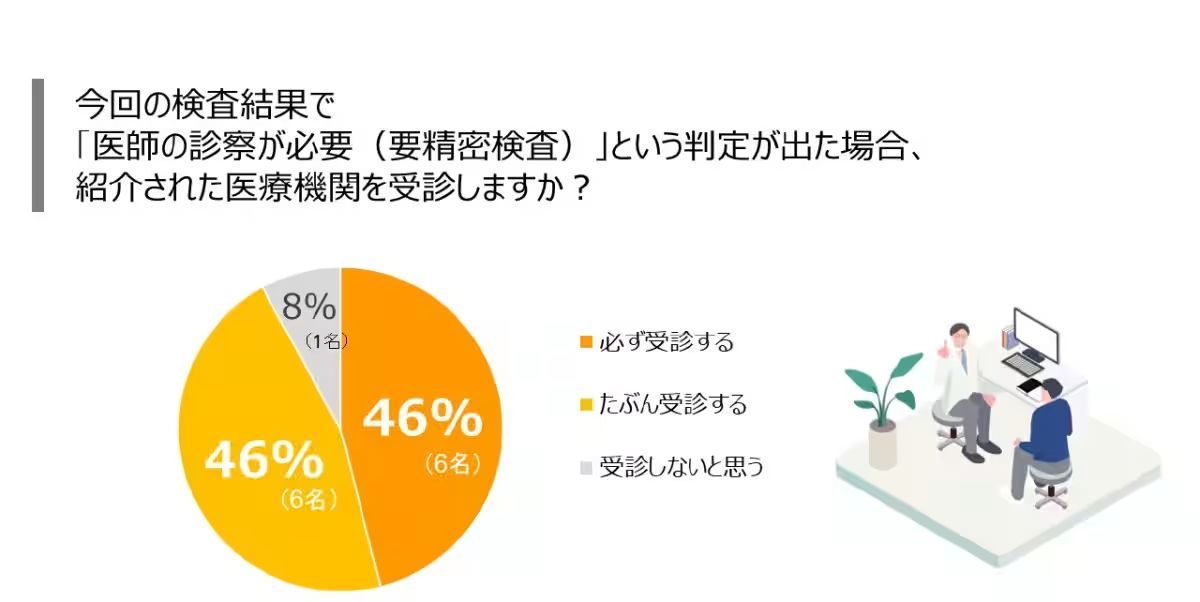
This initiative went beyond just raising awareness; it spurred participants to consider medical follow-ups. When asked whether they would visit a medical facility should their tests indicate anomalies, all but one expressed a willingness to consult a healthcare provider. Specifically, 46.2% affirmed they would certainly seek medical advice, while another 46.2% were inclined to likely do so. This creates a seamless connection between screening and the necessary follow-up care, underscoring the value of early detection and intervention in managing heart disease risks.
Convenience of Home Testing
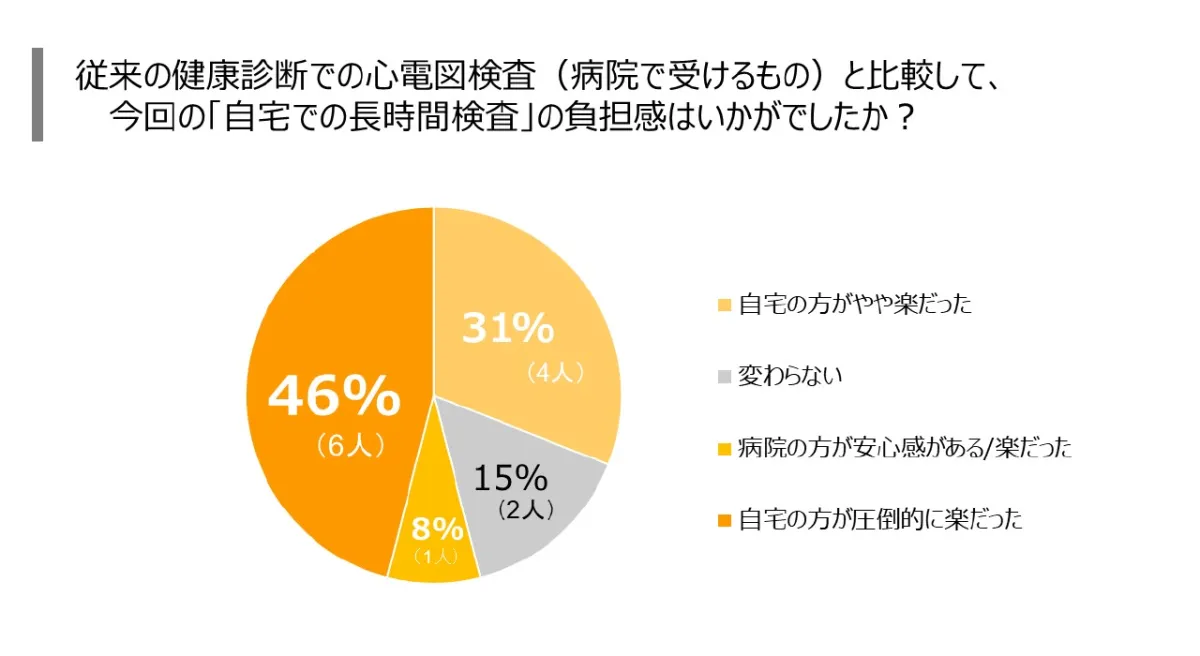
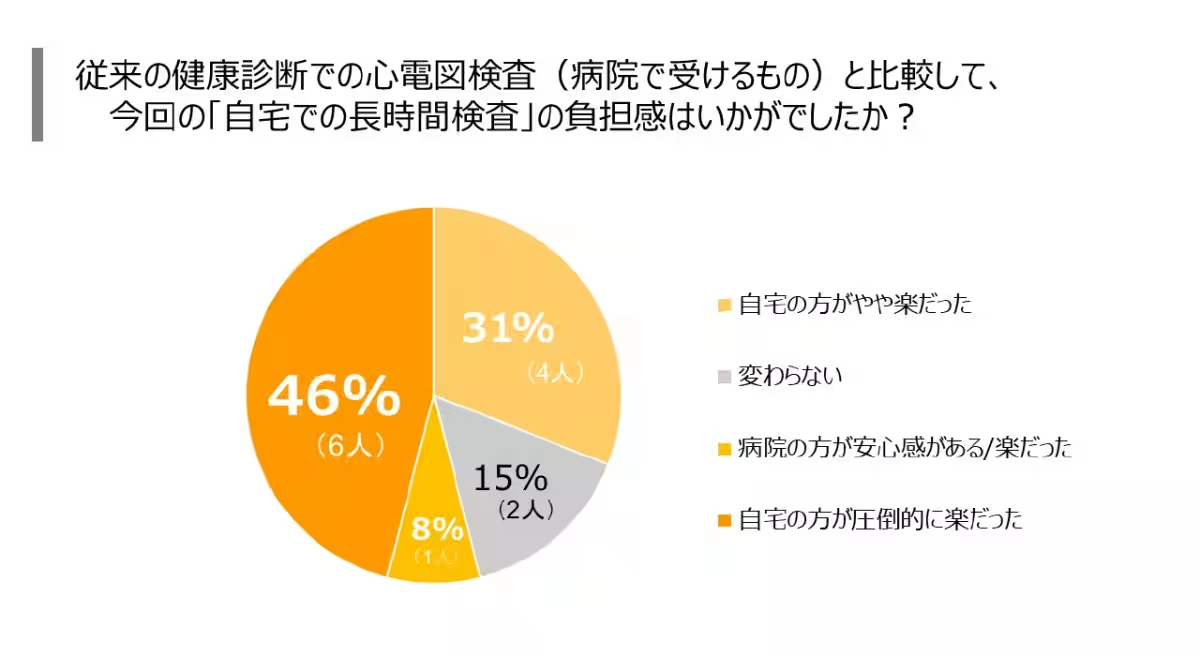
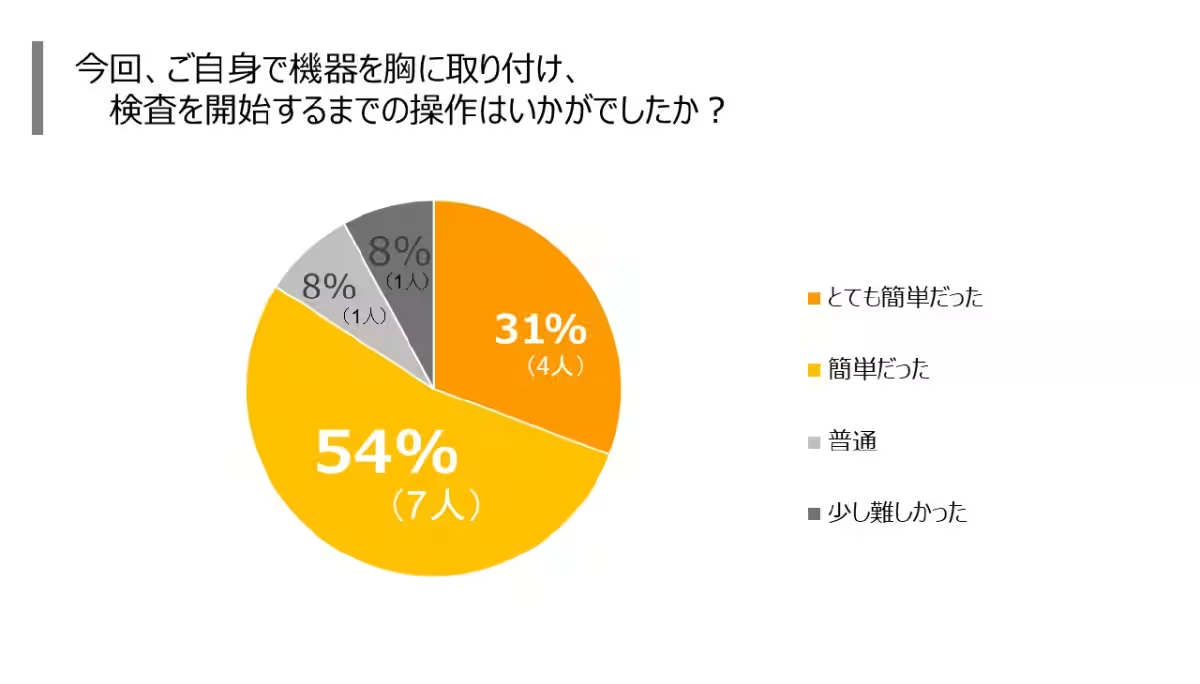
One of the standout findings highlighted participants' preference for at-home testing over traditional hospital ECG examinations. A substantial 76.9% agreed that the home test was significantly more convenient. Furthermore, the usability of the device was praised, as 84.6% found it easy to operate. The design of the "Home Heart Dock pro" allows for high-quality assessment without the discomfort and time constraints often associated with hospital visits. This convenience addresses a crucial barrier for those who may struggle with frequent hospital appointments, particularly middle-aged and elderly populations.
A Resounding Desire for Continued Use
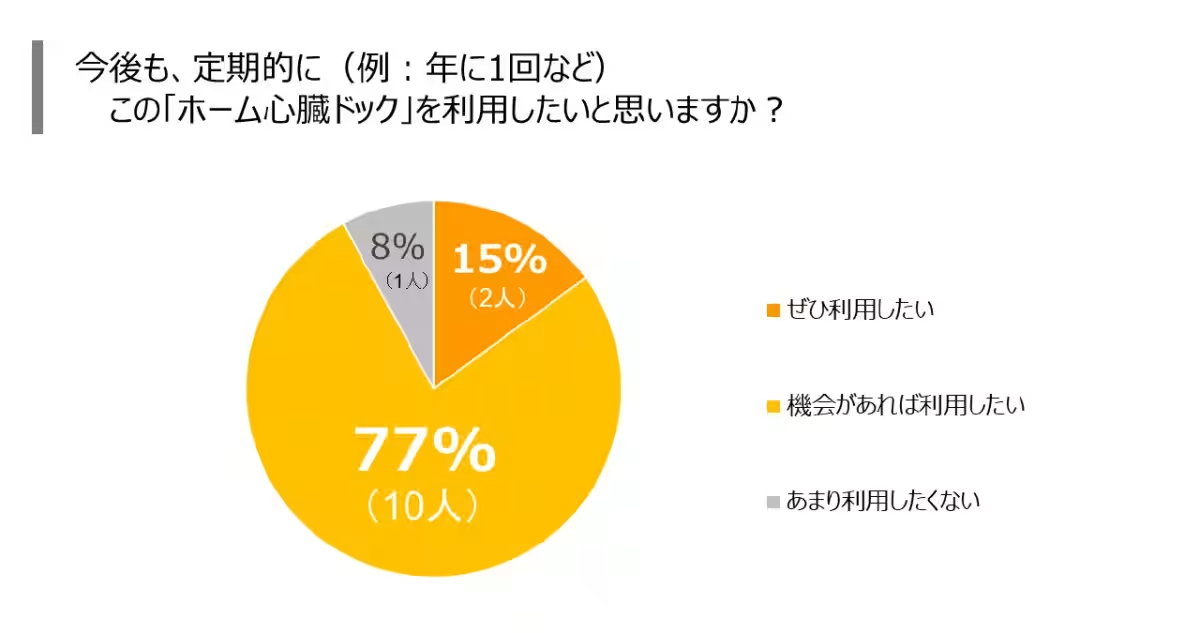
Another encouraging outcome was the participants' interest in periodic use of the home ECG service; 92.3% expressed a strong desire to continue using the service regularly. This trend points to a growing recognition of the significance of proactive health management and preventive practices. With a simple setup and user-friendly interface, the potential to integrate this type of monitoring into everyday life appears promising.
Participant Feedback and Improvements
While the experience was largely positive, respondents provided valuable insights into areas for enhancement. Many voiced concerns over the cost of the service, suggesting that a more affordable model (around 5,000 yen) could promote widespread adoption. Suggestions included the possibility of insurance coverage to alleviate out-of-pocket expenses. Additionally, participants recommended improvements in device design, such as enhancing the clarity of the instructional manual and ensuring more reliable electrode placement.
The Road Ahead
The outcomes of this trial not only demonstrate an immediate increase in health awareness and a commitment to follow-up but also illuminate the way forward for wider implementation of preventive healthcare solutions. This project could serve as a model for integrating health technologies into everyday life, significantly decreasing the barriers related to health maintenance, especially for those within challenging demographics.
Furthermore, Kokoromiru plans to collaborate with local governments and health organizations to address cost barriers and enhance accessibility in the healthcare landscape of Japan. By focusing on creating a robust health infrastructure for preventive care, the initiative proposes a promising pathway to improving overall health outcomes in communities, thereby increasing life expectancy and quality of life for citizens in Hamamatsu and beyond.
Conclusion
The "Home Heart Dock pro" initiative signifies a potential turning point towards greater health consciousness through accessible at-home testing. As more individuals become engaged in monitoring their heart health, the prospects of reducing heart-related ailments and promoting preventive healthcare rise significantly. Kokoromiru aims to build on the positive feedback and solid data acquired during this event to extend a forward-reaching impact on health in Japan, demonstrating how revolutionary technologies can seamlessly fit into daily life and foster a culture of health awareness.
Topics Health)

【About Using Articles】
You can freely use the title and article content by linking to the page where the article is posted.
※ Images cannot be used.
【About Links】
Links are free to use.