



Unleashing Team Transformation Through Strategic Coaching Practices
Driving Impactful Change in Teams with Effective Coaching
Recent research by B-Connect, a business coaching group based in Tokyo, sheds light on the significant benefits of coaching on team dynamics among mid-level management. The survey targeted leaders within organizations boasting over 1,000 employees who have successfully achieved their team goals. A total of 110 mid-level managers responded, providing insight into their experiences before and after undergoing coaching.
Key Findings of the Survey
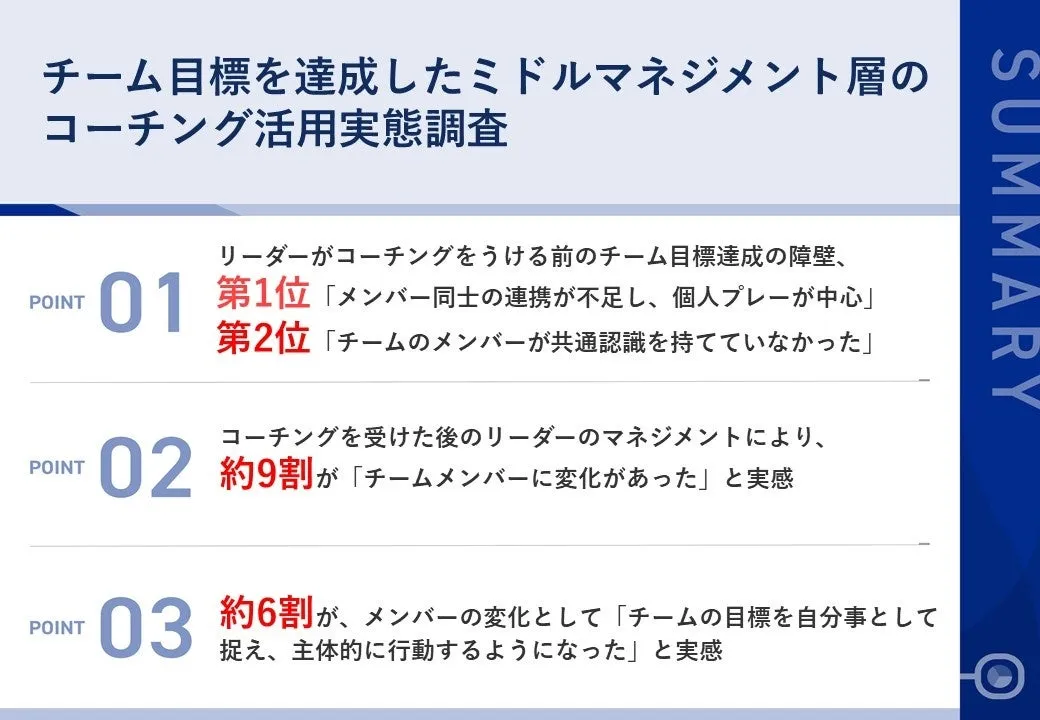
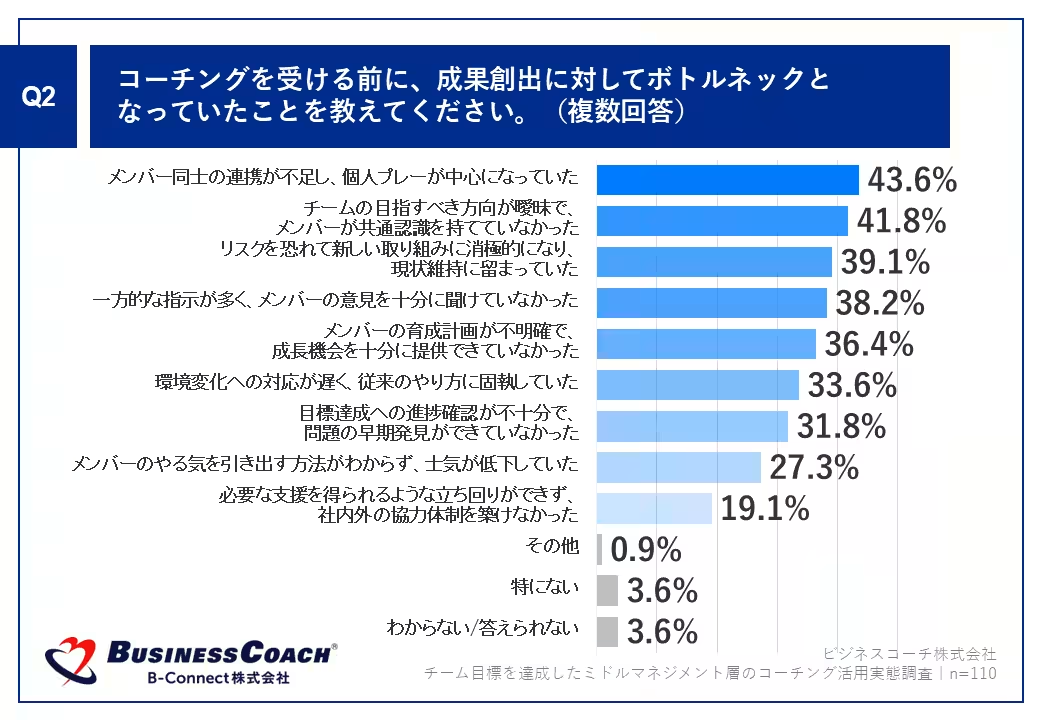
The investigation unveiled that prior to receiving coaching, the primary obstacles to achieving team goals included a lack of cooperation among members, leading to a culture of individualism (43.6%), and ambiguity regarding common objectives within the team (41.8%).
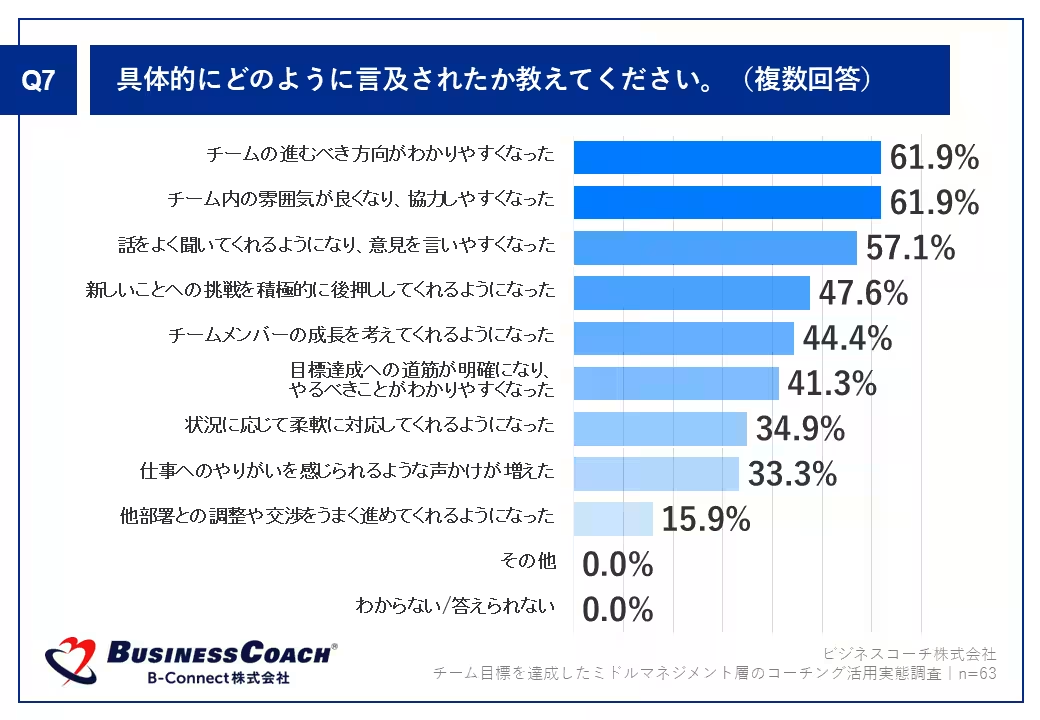
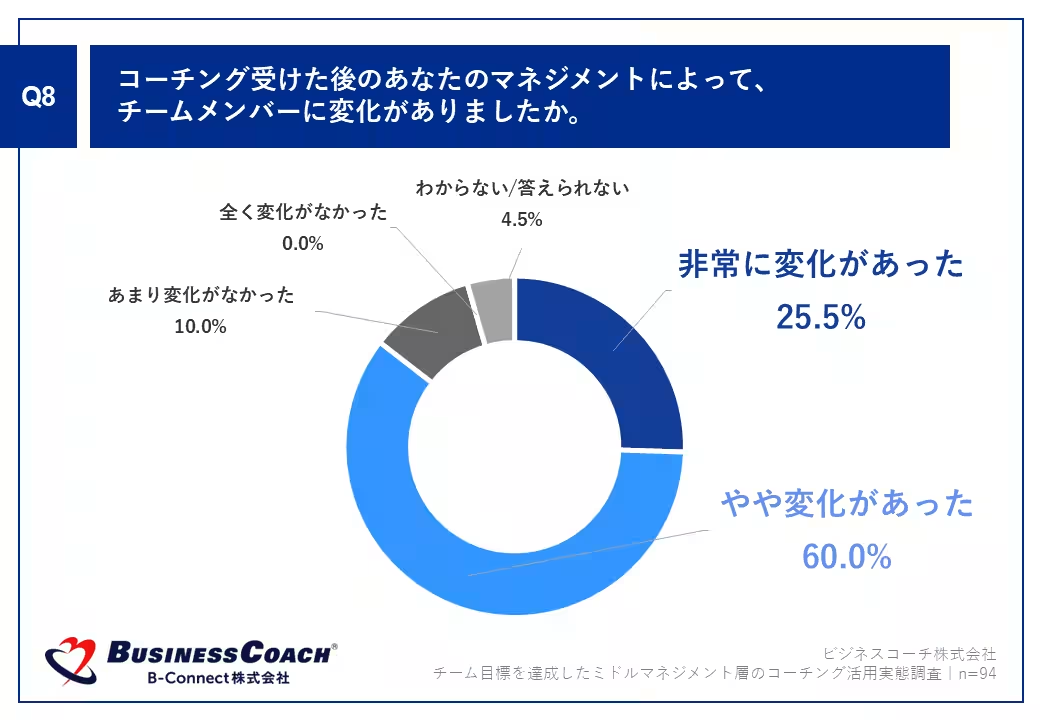
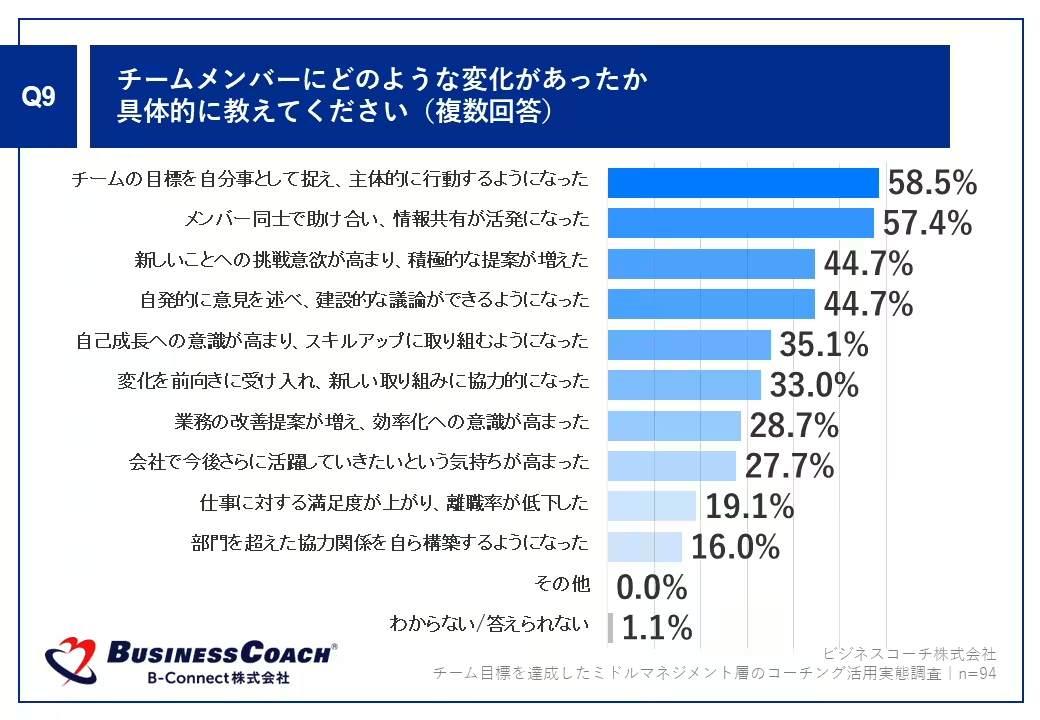
However, the results post-coaching were remarkable. Approximately 90% of the leaders reported observable changes in the behavior and attitudes of their team members. Specifically, about 60% noted a shift where members began to take ownership of team objectives, becoming more proactive in their approach. These findings indicate a transformation in how teams perceive their collective goals and their commitment to achieving them.
The Role of Leaders
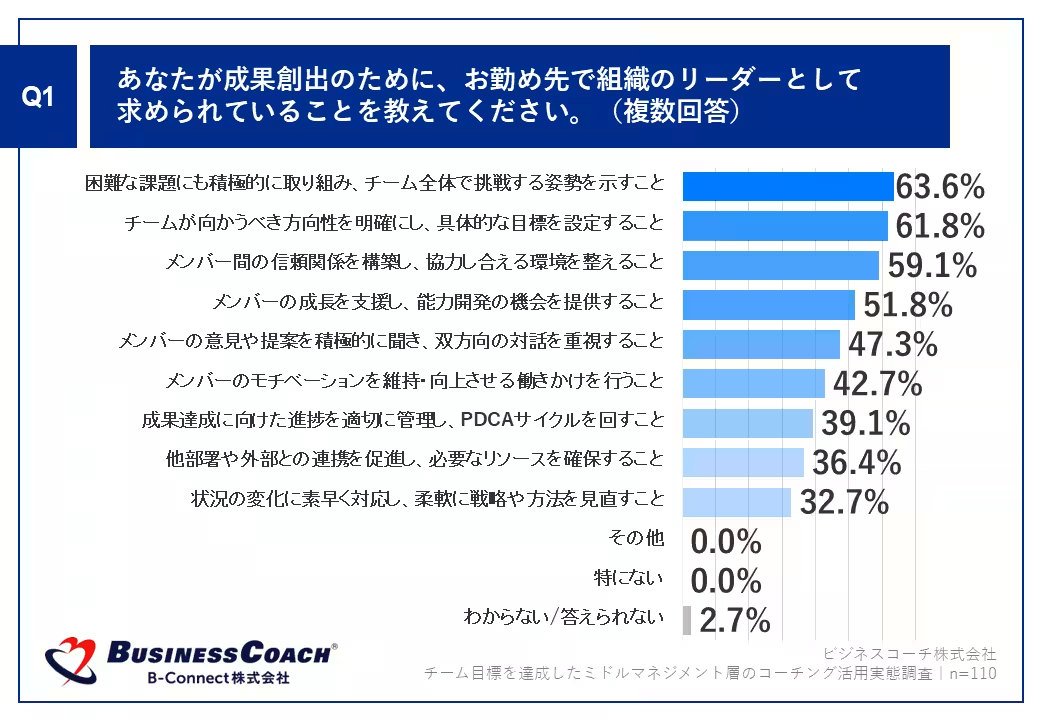
The survey also illuminated the traits that organizations expect from their leaders. A staggering 63.6% of respondents indicated that they are required to demonstrate a proactive attitude when tackling difficult challenges, while 61.8% highlighted the necessity of defining a clear direction for their teams and setting tangible objectives. This resonates with the evolving demands on leadership in contemporary business environments, where agility and strategic foresight are imperative.
Coaching Impact on Teams
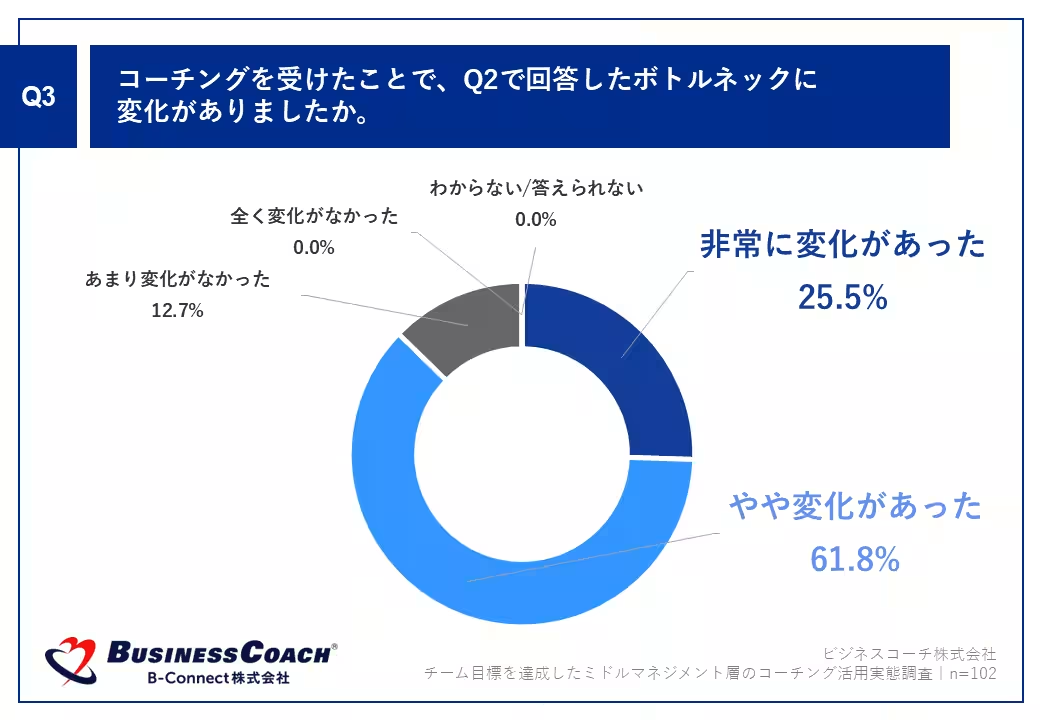
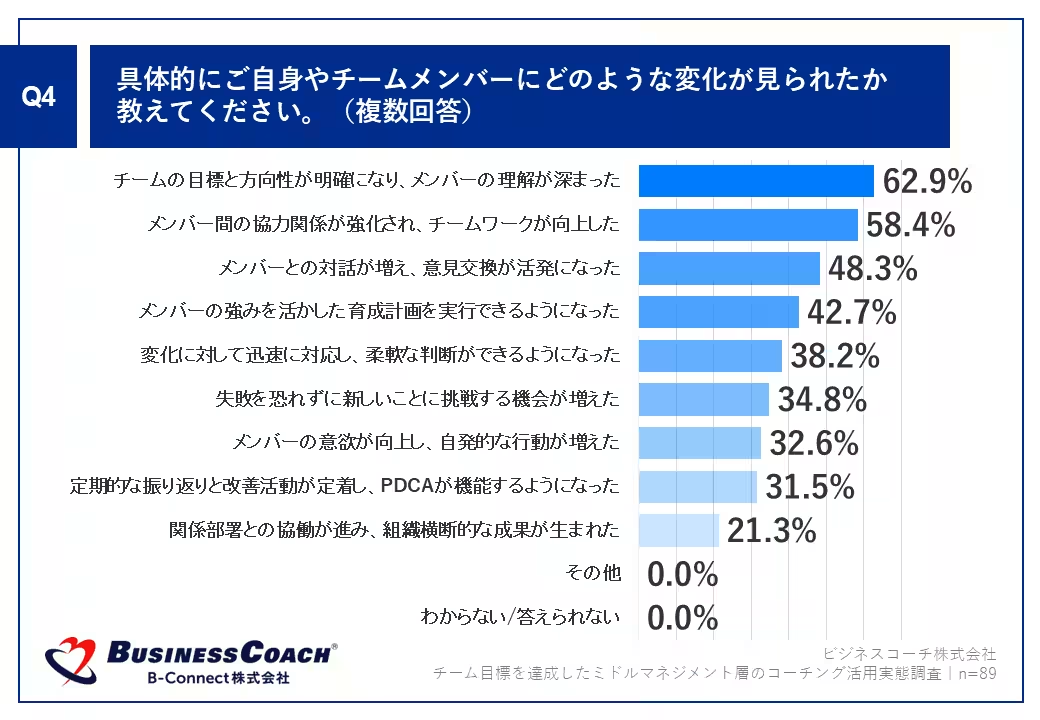
Among the leaders surveyed, approximately 87.3% recognized a positive change in the previously identified bottlenecks. For instance, 58.4% noted that teamwork improved significantly as cooperative relationships among members were fostered. Moreover, 62.9% reported that clarity regarding team goals and direction markedly increased, further enhancing team cohesion and understanding.
Behavioral Transformation in Leadership
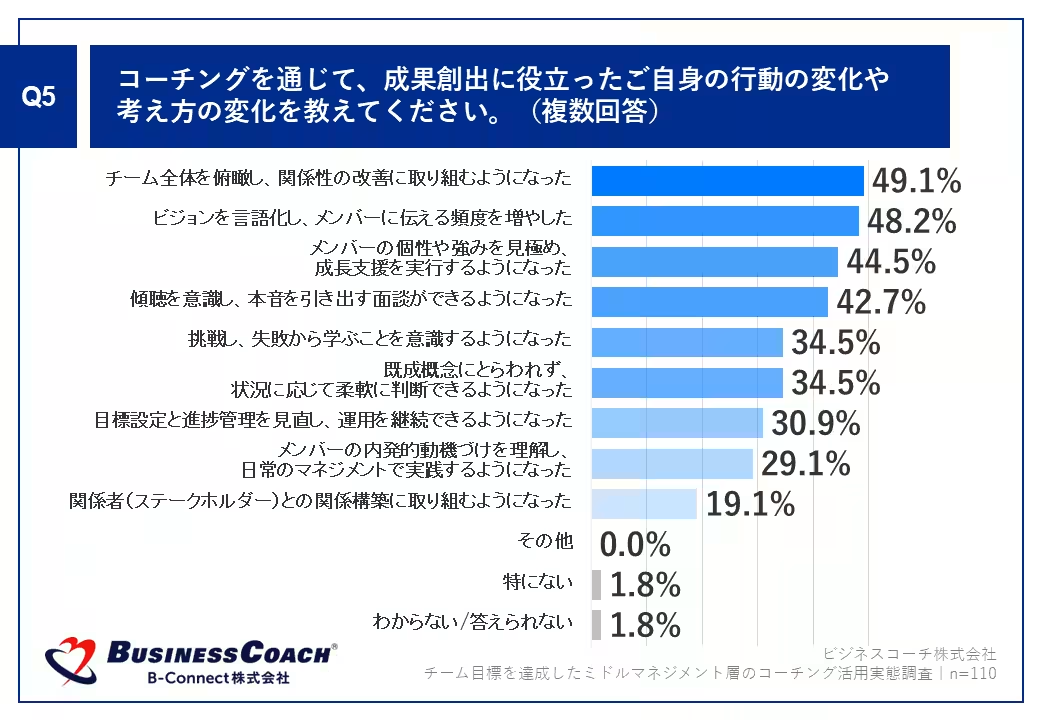
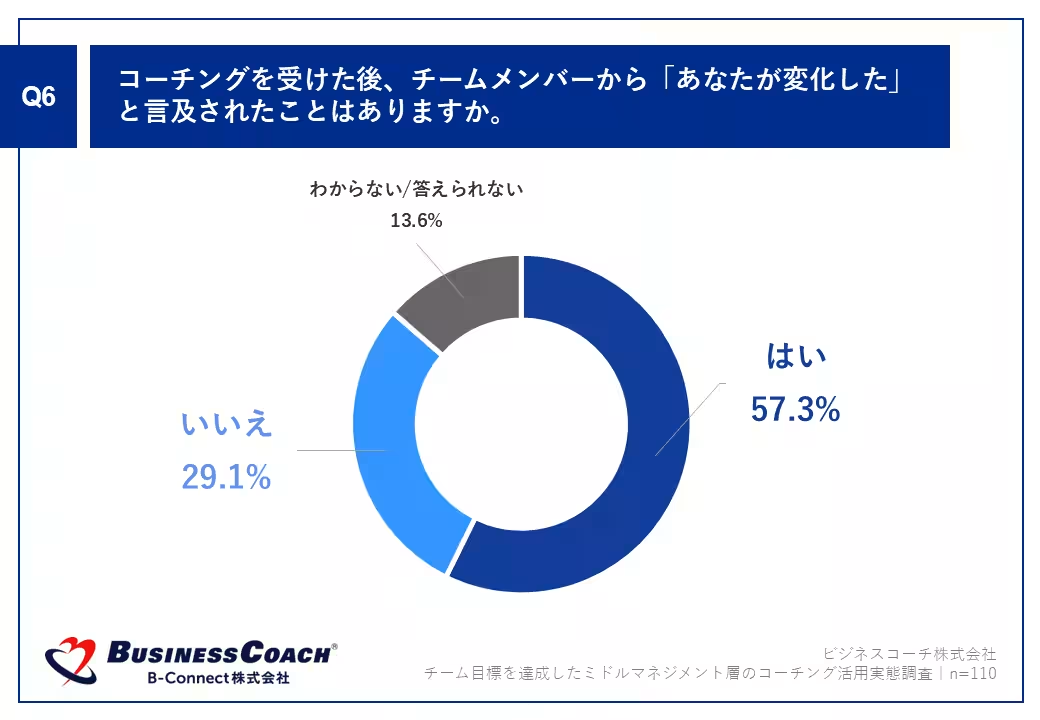
Leaders themselves also experienced behavioral changes due to coaching. Nearly half (49.1%) expressed that they began to observe their teams holistically, focusing on improving interpersonal relationships. Additionally, 48.2% reported increasing the frequency of articulating their vision to their teams, thereby enhancing transparency and mutual understanding. Notably, over half of the respondents (57.3%) received feedback from team members affirming that they had noticeably changed.
A Shift in Team Dynamics
Following these coaching interventions, approximately 58.5% of team members felt a newfound sense of ownership regarding team goals, demonstrating a significant shift towards proactive involvement in their roles. Furthermore, enhanced collaboration and information sharing among members were reported by 57.4% of the respondents, showcasing a growing culture of support and collective effort.
Future Perspectives on Coaching
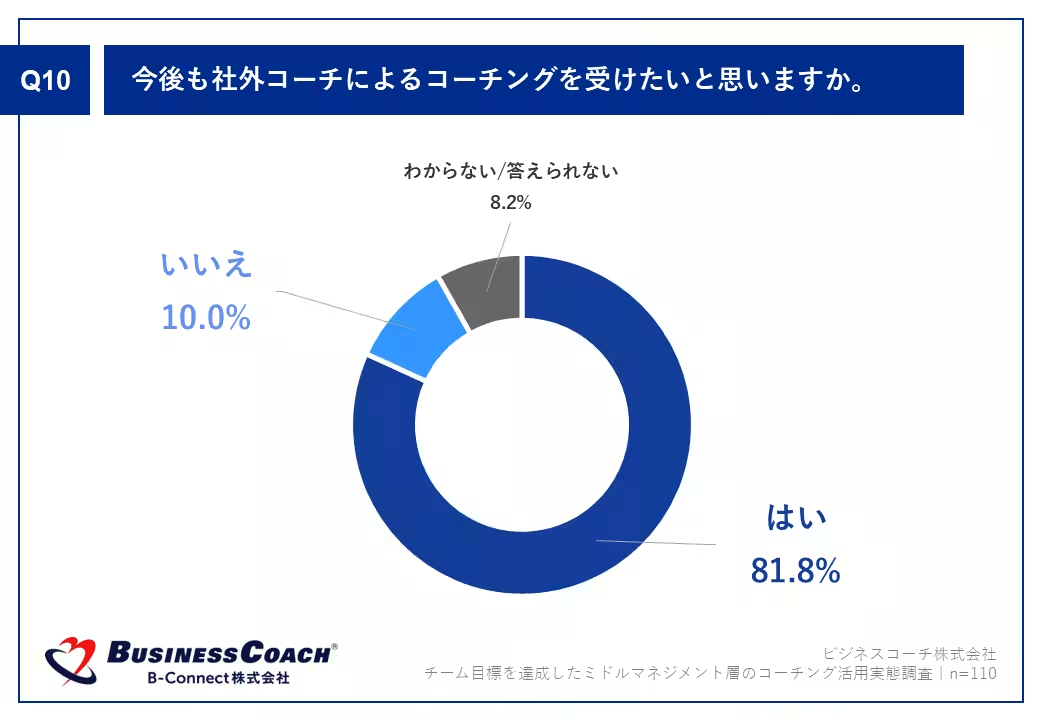
The enthusiasm for ongoing coaching remains high, with over 81.8% of the leaders expressing a desire to continue receiving coaching from external experts. This eagerness highlights the recognition that such initiatives are not merely beneficial but essential in navigating the complexities of modern management.
Conclusion
This comprehensive study underscores the transformative power of coaching for mid-level management in large organizations. As companies face increasingly complex challenges in fostering team engagement and performance, the role of strategic coaching becomes more vital. By embracing this collaborative approach, organizations can enhance leadership effectiveness, improve team dynamics, and ultimately foster a culture of sustained success. The insights derived from this report are a clarion call for leaders to engage in coaching as a fundamental tool for growth and innovation.
For more in-depth results and to download the full study, visit B-Connect’s owned media site, Coaching Times: Coaching Times.

Topics Business Technology)
【About Using Articles】
You can freely use the title and article content by linking to the page where the article is posted.
※ Images cannot be used.
【About Links】
Links are free to use.