



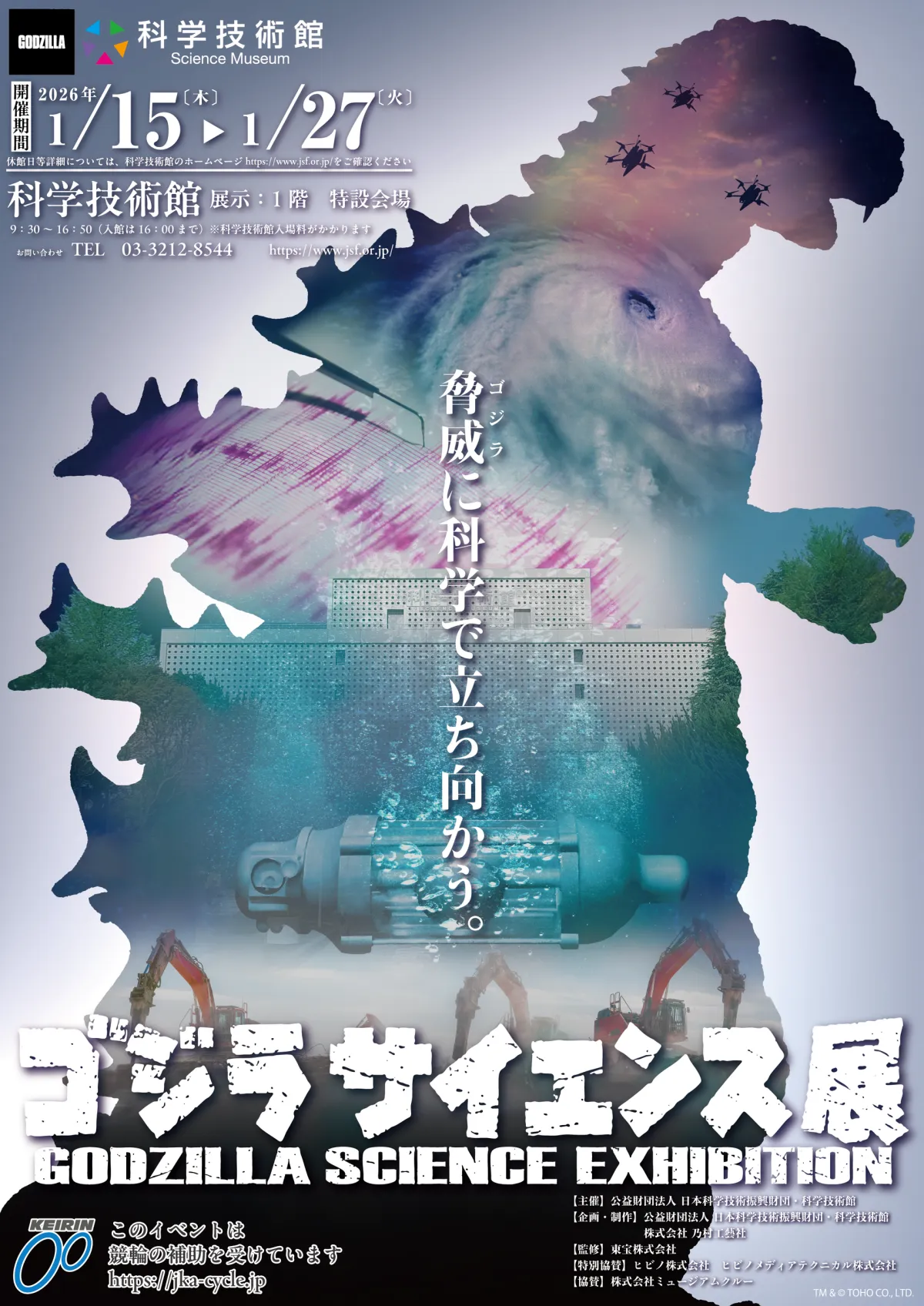
Godzilla Science Exhibition: Confronting Threats with Technology - A Fascinating Event
Godzilla Science Exhibition: A Convergence of Entertainment and Science
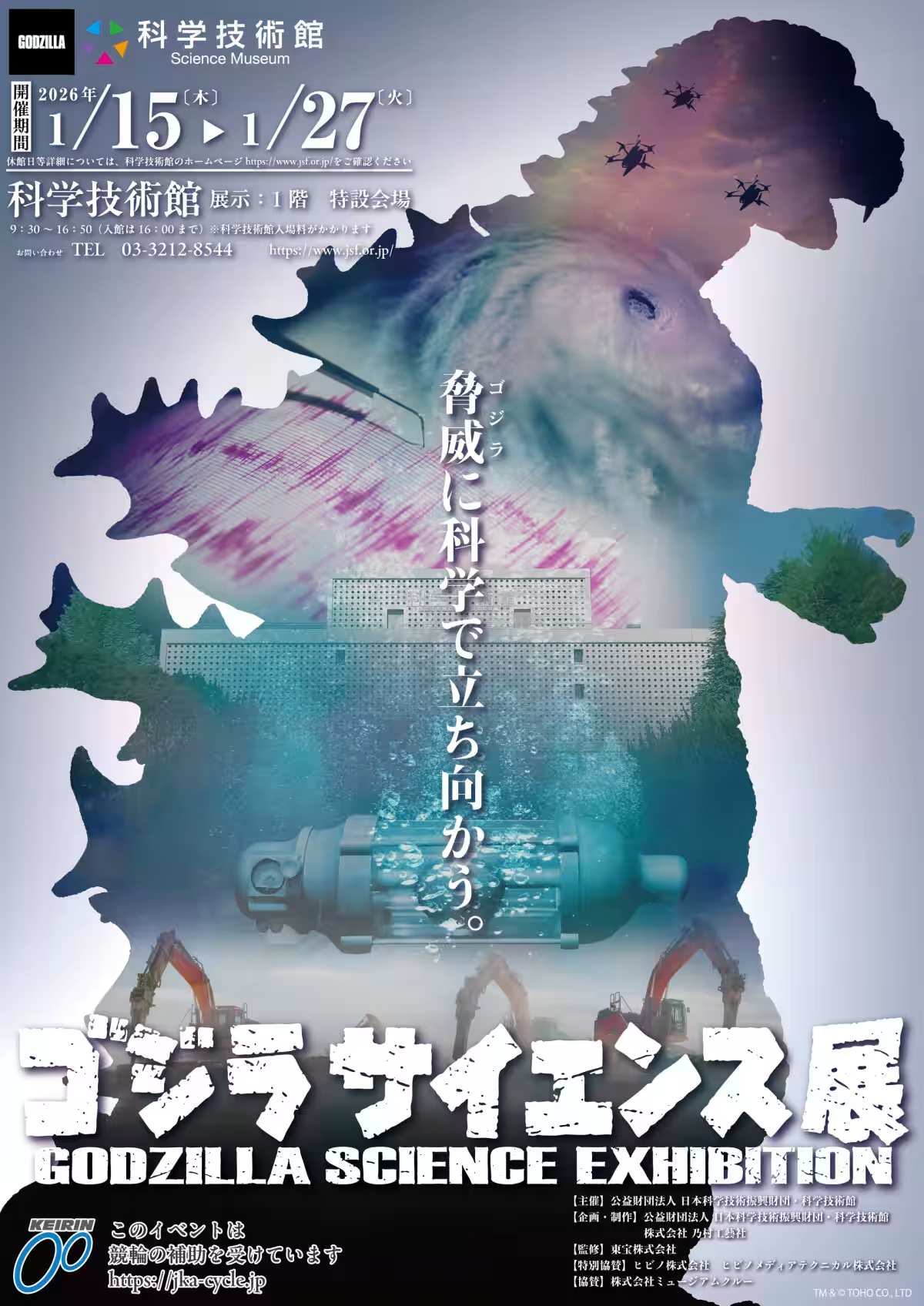
The Godzilla Science Exhibition, titled "Confronting Threats with Science," will take place from January 15 to January 27, 2026, at the National Museum of Emerging Science and Innovation in Tokyo. This exhibition celebrates the iconic character of Godzilla, born in 1954, as a reflection of societal anxieties and scientific challenges across different eras. It invites visitors to imagine, "What if Godzilla appeared?", thereby deepening understanding of disaster prevention, mitigation, and future science. This unique learning opportunity blends entertainment with scientific education, aiming to engage both children and adults in exploring the relationship between science and our future.
Highlights of the Exhibition
The exhibition is structured around key themes that resonate with audiences:
1. Learning Science from Godzilla
Through the lens of various Godzilla movies, the exhibition showcases the advancements in scientific technology and the underlying societal issues they express. Attendees will experience how fiction can facilitate understanding of scientific literacy and connection to nature.
2. Godzilla Preparedness and Disaster Prevention Science
This section compares fictional weapons used to battle Godzilla, such as Mechagodzilla and Super X, with real-life disaster response robots and technologies. It explains how scientific advancements aid in predicting, recovering from, and mitigating natural disasters across land, sea, and air.
3. Giant Monsters and Future Science
Exploring the unintended consequences of technological development that give rise to giant monsters, this part of the exhibition prompts visitors to question humanity's relationship with nature and what we can learn from it to create a safer and more secure future.
Exhibition Structure
The exhibition consists of various themed spaces:
1. Learning Science Through Godzilla
- - Showcases progress in scientific technology and its depiction of societal issues from the original 1954 "Godzilla" movie to contemporary releases.
- - Displays include original movie posters that convey diverse scientific information through visual storytelling.
- - Features statues of Godzilla and artifacts such as the Oxygen Destroyer.
2. The Threat of Monsters
- - A hands-on experience highlighting disaster science through parallels between natural disasters and monster threats.
- - Includes an exhibit on the strong winds caused by Rodan and an experiential display comparing Godzilla's tremors to earthquakes.
- - Engaging experiences will be offered on select dates: wind experience powered by large blowers and earthquake simulations using a shaking vehicle.
- - Displays machinery used in disaster recovery efforts.
3. Godzilla Countermeasures and Disaster Science
- - Compares fictional anti-Godzilla weapons with contemporary disaster response robotics and technologies.
- - Exhibitions include suits of the Super Mechagodzilla, M.O.G.E.R.A., and innovative robots used in high-altitude work and disaster scenarios.
- - Introduces cutting-edge drone technologies.
- - A special collaboration with Hobby Japan will present a diorama of the "Type 3 Kiryu (Modified) Fire Mode".
4. Giant Monsters and Future Science
- - Investigates the role of science and technology in aiming for a safer society.
- - Features displays from partner companies showcasing advanced technologies and actions addressing environmental concerns.
- - A reflection on pollution through the metaphor of Hedorah, exploring Earth’s environment.
- - Includes an original comic inspired by "Godzilla Galaxy Odyssey."
Special Experience Programs
Visitors can look forward to several interactive programs:
1. Godzilla Science Quiz Rally
A quiz rally across the exhibition hall challenges participants to answer questions about Godzilla and scientific technologies, with certificates awarded to the first 5,000 participants based on correct answers.
2. Science Lectures
Special lectures invite experts to discuss technologies combating natural threats:
- - January 17: "Godzilla and Earth Sciences—The Cutting Edge of Scientific Consultation Behind Special Effects" by Akihiko Shibahara.
- - January 24: "The Biology and Ecology of Godzilla" by Takeshi Nagano.
- - January 25: "Godzilla as a Metaphor for Natural Disasters" by Takeshi Nagano & Shinji Higuchi, the director known for works like "Shin Godzilla".
3. Godzilla Filming Location Tour
A special tour to see the rooftop of the Science Museum, which served as a filming location for "Shin Godzilla," will be held on select dates in January.
Exclusive Goods and Collaboration Menu
The exhibition will feature original merchandise and collaborative menu items available in the museum shop and restaurant during the event, details to be announced on the official website.
Why the Godzilla Science Exhibition Matters
- - A Mirror of Societal Challenges: Godzilla continues to serve as an emblem that reflects nuclear weapons, environmental destruction, infectious diseases, and natural disasters.
- - Realistic Imagination for Disaster Management: The question, "What if Godzilla appeared?" makes urban disaster planning more relatable and engaging.
- - A New Blend of Entertainment and Science: This event provides an interactive experience that avoids mere observation, creating an energetic learning environment.
- - Generational Appeal: Godzilla transcends age limits, attracting interest from families, educational institutions, and businesses alike.
- - Experiencing Science’s Hopes and Risks: Visitors gain insights into the potentials and pitfalls of advanced technology through engaging displays.
Conclusion
The Godzilla Science Exhibition is not only an entertaining spectacle but also an essential educational experience. It showcases the complexities of scientific advancements while prompting critical reflection on how we engage with the natural world, ultimately fostering a deeper understanding of our future with technology. With support from reputable organizations and encouragement from the educational community, this exhibition promises to offer insights that inspire deeper discussions about safety, science, and our coexistence with nature.

Topics Entertainment & Media)



【About Using Articles】
You can freely use the title and article content by linking to the page where the article is posted.
※ Images cannot be used.
【About Links】
Links are free to use.