



FelicitySolar Engages in LFP vs. Sodium-Ion Battery Debate Amid Energy Storage Surge
FelicitySolar Joins ENF Trade TV Discussion on Battery Technologies
In a significant move, FelicitySolar, a global leader in off-grid energy systems, participated in a detailed debate on ENF Trade TV, focusing on the competition between lithium iron phosphate (LFP) and sodium-ion batteries. This discussion comes at a time when global interest in energy storage solutions is at an all-time high. As energy demands surge in residential and commercial sectors, selecting the right battery chemistry is vital for both investors and end-users.
Context of Global Energy Storage
The global energy storage market is witnessing unprecedented growth, propelled by rising electricity prices, the need for diversified energy sources, and increasingly ambitious carbon reduction goals. By 2025, LFP batteries are projected to account for over 60% of primary energy storage systems worldwide. This is largely attributed to their proven reliability, advanced supply chains, and competitive cost structures. Meanwhile, sodium-ion batteries are drawing attention due to their abundant raw materials and potential for lower costs.
Technical Comparisons: LFP vs. Sodium-Ion Batteries
1. Energy Density
Sodium-ion batteries usually offer an energy density of 100–160 Wh/kg, whereas LFP systems can achieve 160–200 Wh/kg. A higher energy density means more electricity can be stored in a smaller space, making LFP a favored choice for residential and commercial applications.
2. Thermal Stability and Safety
Safety remains paramount in residential and commercial storage systems. While sodium-ion chemistry performs well, LFP batteries are still top-tier in thermal stability, ensuring safer operations under high loads and extreme conditions.
3. Cold Weather Performance
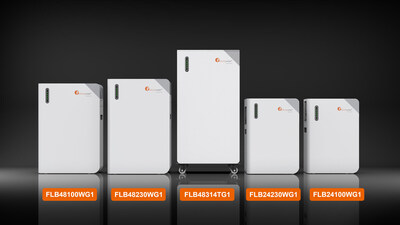
Sodium-ion batteries excel in low temperatures, maintaining strong performance at -20°C. However, LFP technology is catching up, with FelicitySolar's FLB series featuring optional heating modules designed to maintain battery efficiency in cold conditions, making it suitable for harsh climates.
4. Lifespan and Return on Investment
LFP batteries support 4,000–8,000 cycles, while sodium-ion batteries only manage 1,000–3,000 cycles. FelicitySolar’s FLB batteries boast a lifespan of 6,000–8,000 cycles, reflecting long-term reliability, reduced replacement costs, and better ROI for both homeowners and commercial operators.
5. Long-term Storage Efficiency
LFP batteries exhibit a low self-discharge rate of around 3%, ideal for seasonal storage or emergency backup. In contrast, sodium-ion batteries have a higher self-discharge rate, which could impact effectiveness during prolonged inactivity.
6. Environmental Impact
While sodium-ion batteries avoid rare metals and use abundantly available sodium, they carry higher energy production costs per unit. On the other hand, LFP batteries, made from iron and phosphate, benefit from low-carbon manufacturing and stable raw material supplies, supporting large-scale sustainable deployment.
Conclusion
As North America and Europe introduce incentives for residential and commercial energy storage systems, LFP batteries are well-positioned to meet the increasing demand. Sodium-ion technology, while promising for cost-sensitive applications, remains a newer alternative, and its adoption will depend on ongoing performance verification and specific use-case requirements.
FelicitySolar's LFP technology continues to form the backbone of reliable energy storage solutions. With innovations like adjustable heating modules, the FLB series ensures optimal battery performance even in frigid environments, catering to both home and business users during winter. While sodium-ion batteries may hold future potential, LFP provides proven value today.
For more information, visit FelicitySolar.
Topics Energy)
【About Using Articles】
You can freely use the title and article content by linking to the page where the article is posted.
※ Images cannot be used.
【About Links】
Links are free to use.