




E-commerce Security Survey 2025: Fraud Concerns Remain High Despite New Standards
E-commerce Security Survey 2025: Key Findings
As the digital marketplace continues to evolve, Cacco Inc., recognized as Japan's leading provider of fraud detection services, has conducted its fifth annual survey targeting the state of e-commerce security. The findings raise critical concerns, revealing that even with the implementation of 3-D Secure, instances of fraud remain persistently high. The survey results, gathered from EC operators in Japan, reflect significant shifts in the landscape of e-commerce risk management.
Highlights from the Survey
- - Surge in Transaction Fee Negotiations: Approximately 49.5% of respondents reported negotiating higher payment transaction fees with card companies, a dramatic increase compared to the 27.6% figure from last year.
- - Stagnant Fraud Rates: Despite the introduction of the 3-D Secure authentication protocol, which is now a mandatory requirement, the incidence of fraud remains constant, showing no significant decline.
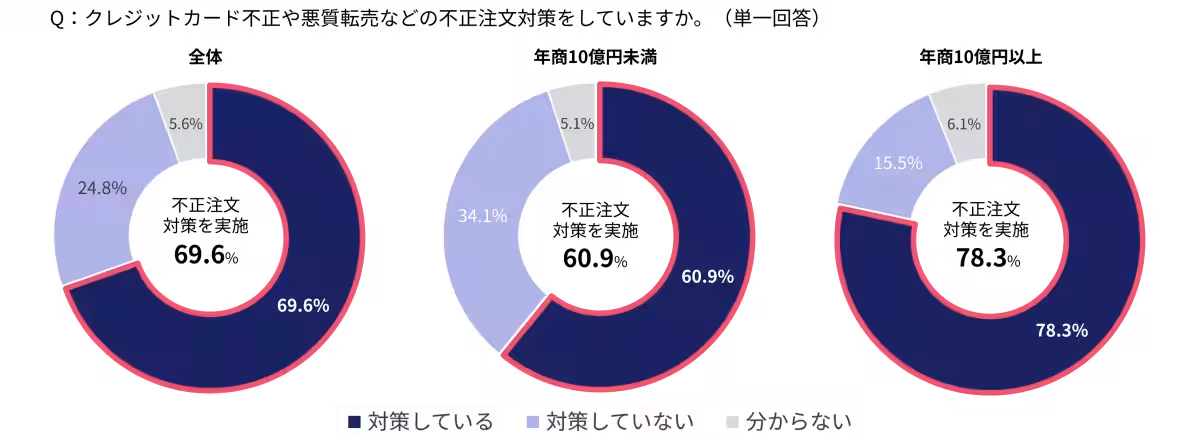
- - Proactive Measures: A notable 69.6% of surveyed businesses are taking steps to mitigate fraudulent orders, indicating heightened awareness within the industry regarding these risks.
Background of the Survey
According to the Japan Credit Card Association, the financial impact of credit card fraud reached an all-time high in the fiscal year 2024, with losses totaling ¥51.35 billion. This increase in fraudulent activities is attributed to the growing popularity of cashless transactions and expanded credit limits. In light of this concerning trend, the revised Credit Card Security Guidelines were established in 2025, mandating the use of 3-D Secure and enhanced countermeasures against unauthorized logins and vulnerabilities.
Cacco's survey aims to provide insights into the current state of fraudulent orders and unauthorized logins among e-commerce operators, delving into how they are adapting their strategies to the shifting security landscape.
Survey Overview
- - Survey Date: November 2025
- - Participants: 553 EC operators involved in fraud prevention measures
- - Methodology: Online questionnaire
- - Company Size Breakdown: 49.9% of respondents have annual revenue below ¥1 billion, while 50.1% exceed this threshold.
Key Findings (Excerpt)
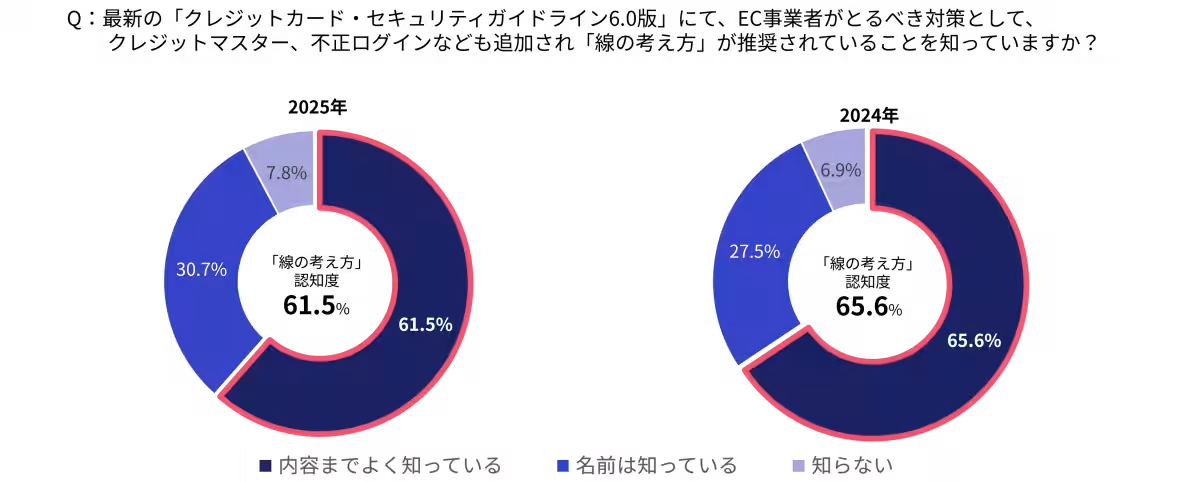
1. Awareness of Fraud Prevention Measures: The recognition of effective fraud prevention strategies remains consistent, with approximately 61.5% of businesses aware of risk management practices.
2. Top Concerns for Operators: The primary apprehension among operators centers around credit card fraud, followed by concerns regarding account theft and scams utilizing generative AI, reflecting the pressing threats faced in online commerce.
Fraud Incidents
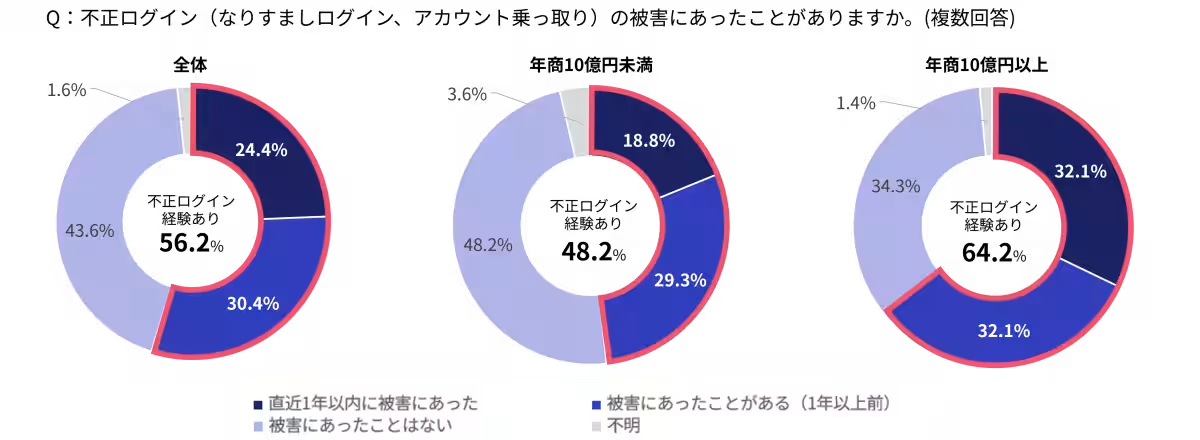
3. Unauthorized Login Experiences: Over half (56.2%) of the respondents have experienced unauthorized login attempts, a slight increase from the previous year. Companies with revenue exceeding ¥1 billion reported a higher incidence rate of 64.2%.
4. Detection of Unauthorized Access: Most fraudulent activities were identified through unusual account behaviors (52.1%) or customer inquiries (46%), underscoring the importance of vigilance from both businesses and consumers.
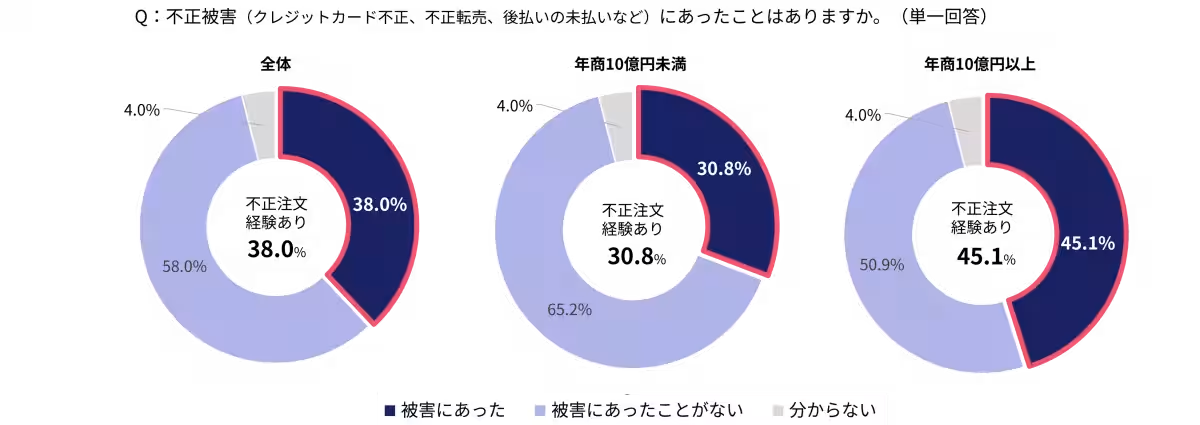
5. High Rates of Fraudulent Orders: The survey found that 38% of companies have encountered issues with fraudulent orders, slightly down from last year's 41.8%. The increase is particularly pronounced among larger companies.
Countermeasures
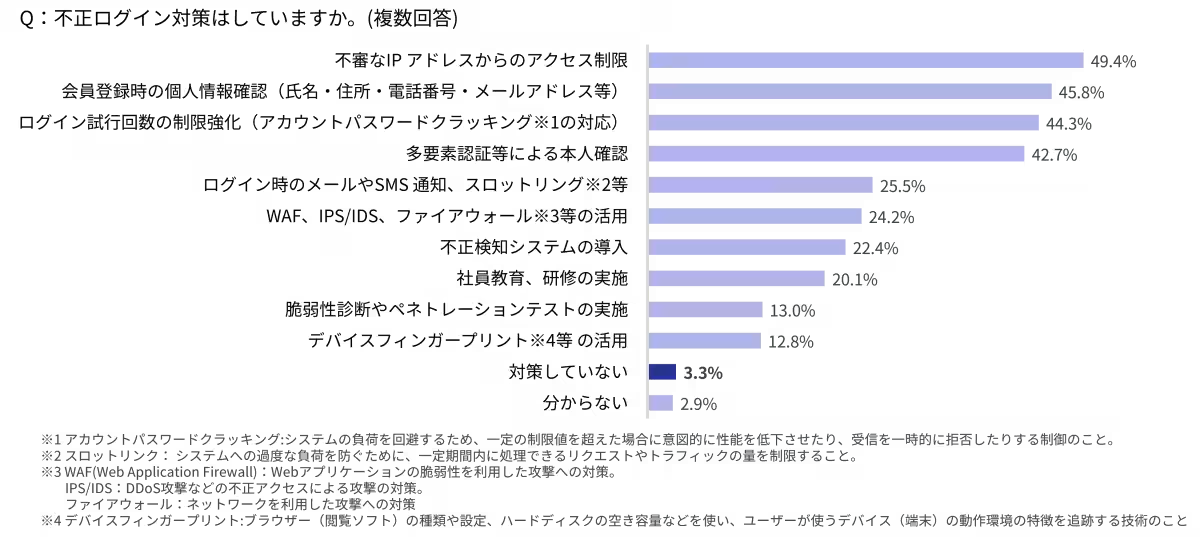
6. Implementation of Security Measures: An impressive 96.7% of businesses are actively deploying measures to address unauthorized logins, demonstrating a solid commitment to secure practices, with larger companies leading in adopting these strategies.
7. Fraud Order Prevention Strategies: Approximately 69.6% of surveyed companies are implementing fraud order prevention strategies, with larger entities being significantly more active in this regard.
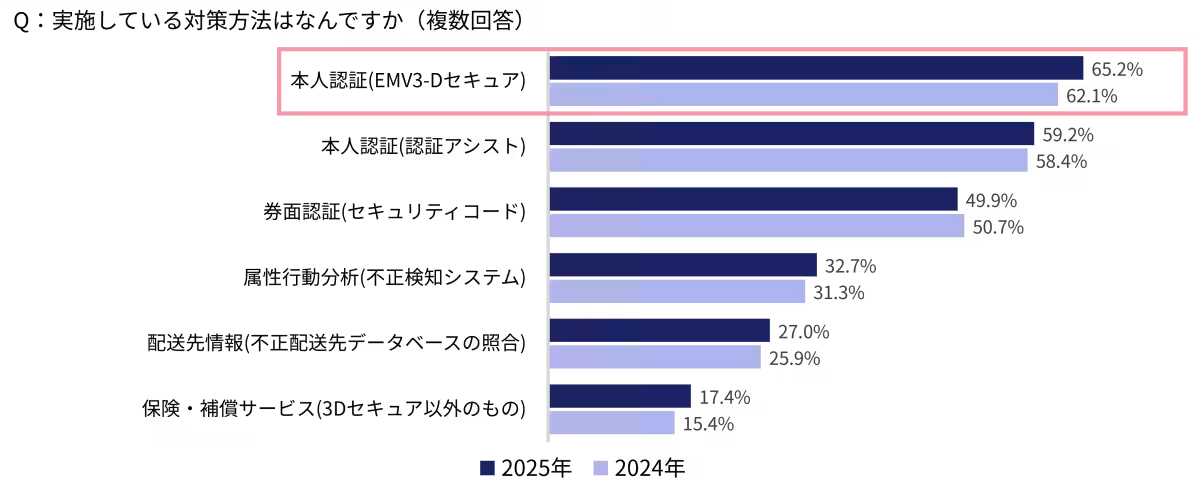
8. Leading Security Protocols: The predominant method for preventing fraudulent orders is the adoption of the EMV3-D Secure standard, favored by 65.2% of businesses, although some companies are hesitant to adopt it due to costs and integration challenges.
Transaction Approval Rates
9. Rise in Payment Processing Charges: Almost half of the participants reported facing negotiations over increased transaction fees due to the prevalence of credit card fraud, highlighting an upsurge in economic pressure on e-commerce operators.
Conclusion and Insights from Cacco
Cacco's findings illustrate a dual narrative of escalating awareness and continued vulnerabilities within the e-commerce sector. While over 97% of businesses have implemented measures against unauthorized logins and about 70% are addressing fraudulent orders, the incidence of fraud rates stagnates, suggesting that isolated measures may not suffice against increasingly sophisticated threats.
Implementing robust countermeasures, such as the EMV3-D Secure, offers substantial advantages; nevertheless, the associated costs of maintaining compliance, coupled with rising transaction fees, pose a substantial burden on these businesses. As the data demonstrates, achieving security in e-commerce requires a multifaceted approach tailored to specific organizational sizes and risk levels, necessitating ongoing vigilance and adaptation of security strategies.
For additional information and previous reports, visit Cacco’s official site.




Topics Consumer Technology)
【About Using Articles】
You can freely use the title and article content by linking to the page where the article is posted.
※ Images cannot be used.
【About Links】
Links are free to use.