



Exploring Future Property Asset Value: Insights from a Recent Survey
Exploring Future Property Asset Value: Insights from a Recent Survey
In a collaborative effort between Memoco Co., Ltd. and the article production company, Sunmara, a compelling survey was conducted involving 103 individuals with prior property purchase experience. This survey focused on their perceptions of future asset values associated with their purchased properties. Conducted over several months from January to October 2025, the survey's target demographic consisted of 46 women and 57 men, providing a balanced perspective on property investment values.
Survey Highlights
Gender Breakdown
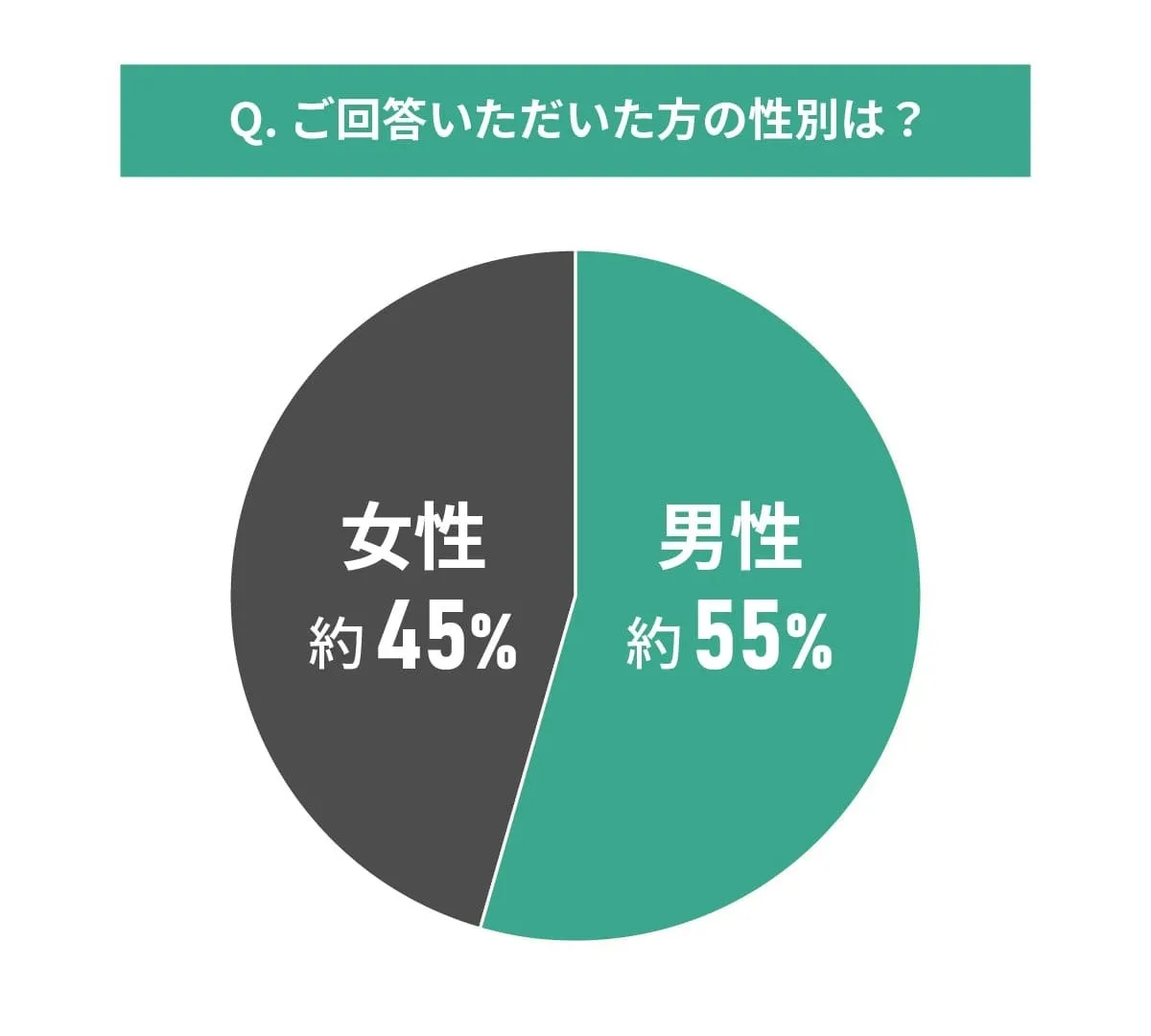
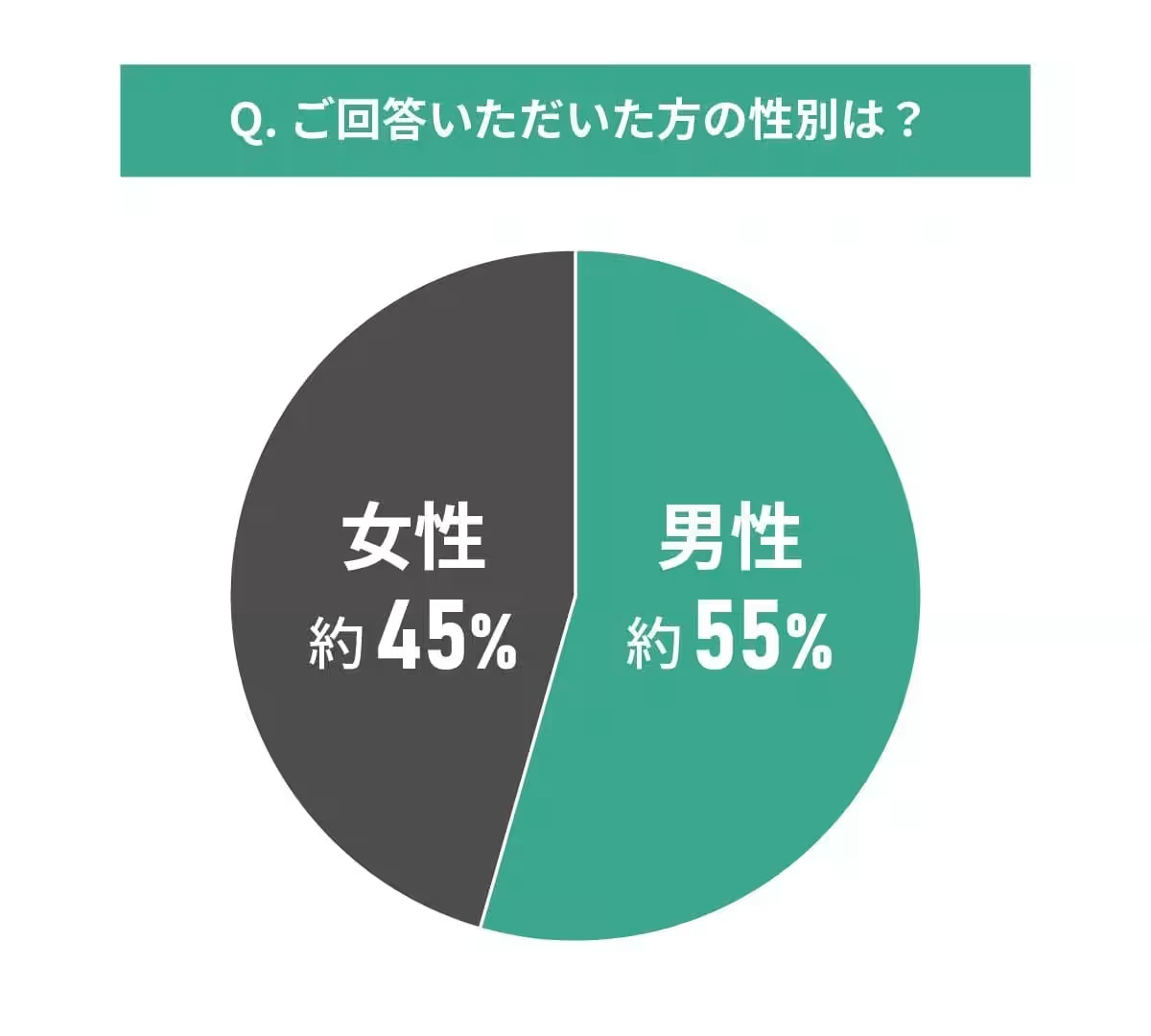
The gender breakdown of the respondents shows that approximately 45% were female while 55% were male, reflecting a fair representation of perspectives in the property buying community.
Age Distribution
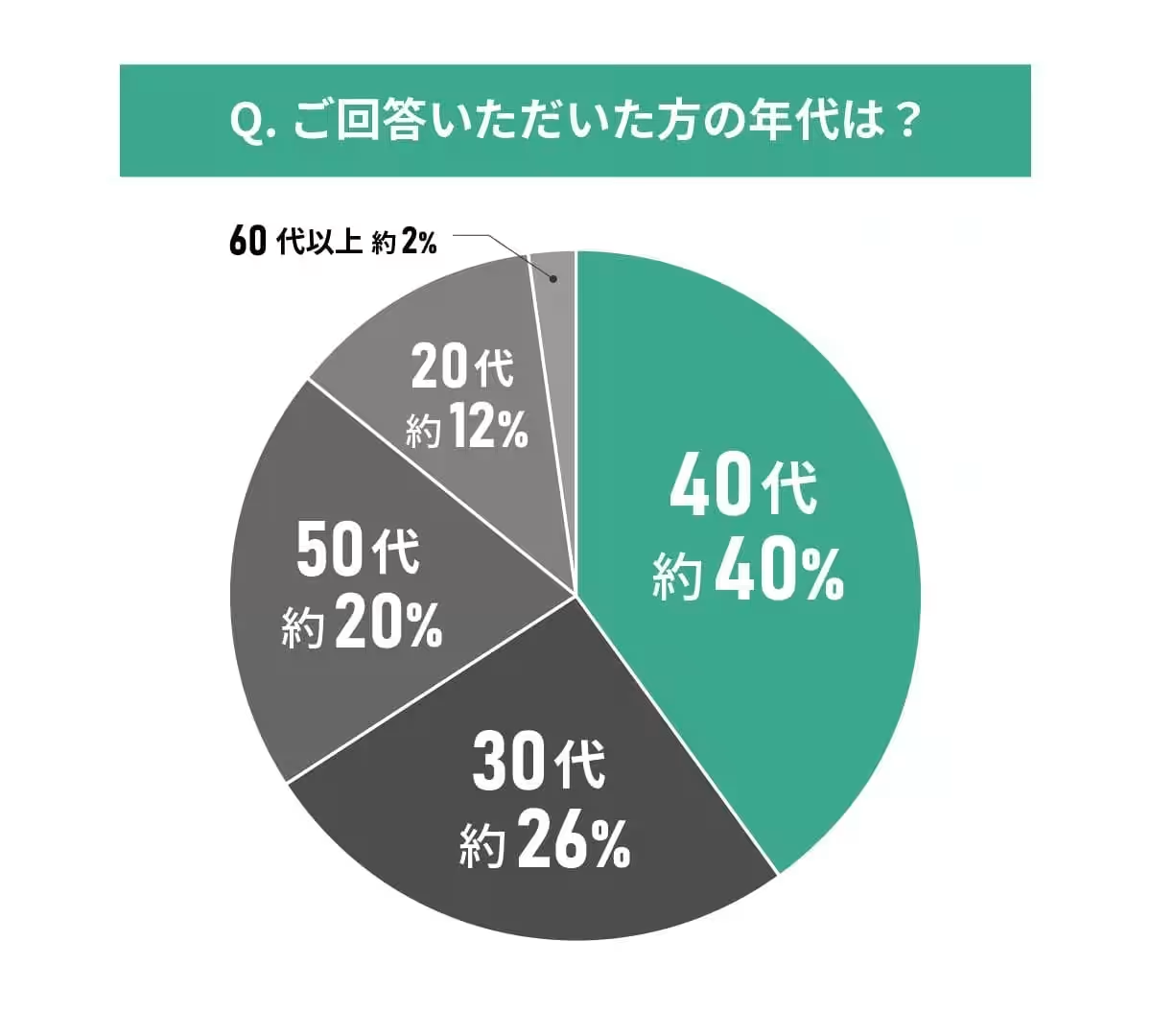
The age distribution was as follows:
- - 12% in their 20s
- - 26% in their 30s
- - 40% in their 40s
- - 20% in their 50s
- - 2% aged 60 and above
This data suggests that the bulk of respondents were primarily in their 30s and 40s, indicating responsible buyers likely concerned with long-term investment returns.
Consciousness of Future Asset Value
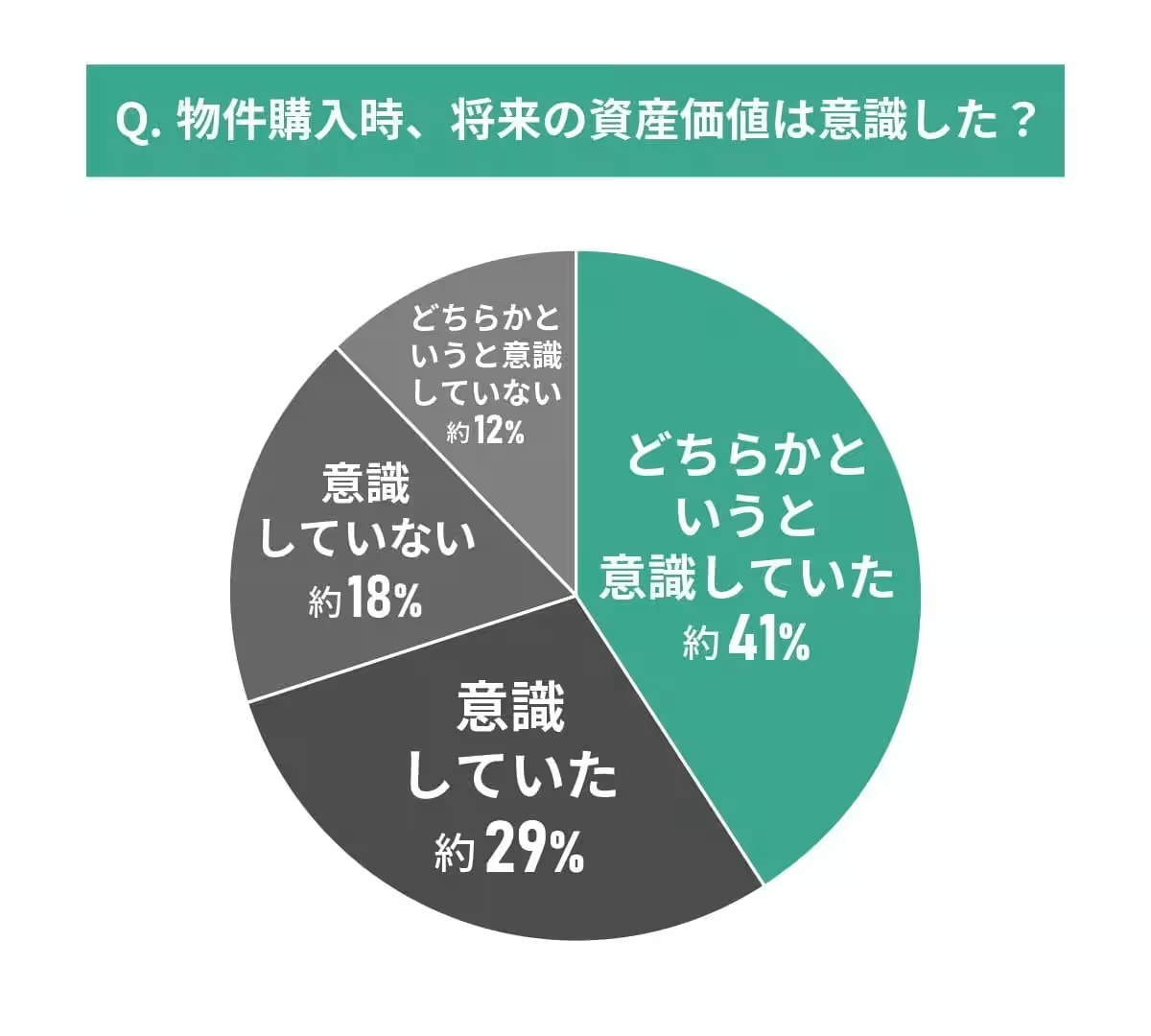
When asked if they considered future asset value during their purchase, nearly 70% of respondents indicated awareness, with 29% stating they were fully conscious of this factor. Only about 30% did not prioritize future asset value in their decision-making. This reflects the significant financial commitment that purchasing property entails, making asset value a crucial consideration.
Comparative Pricing Behaviors
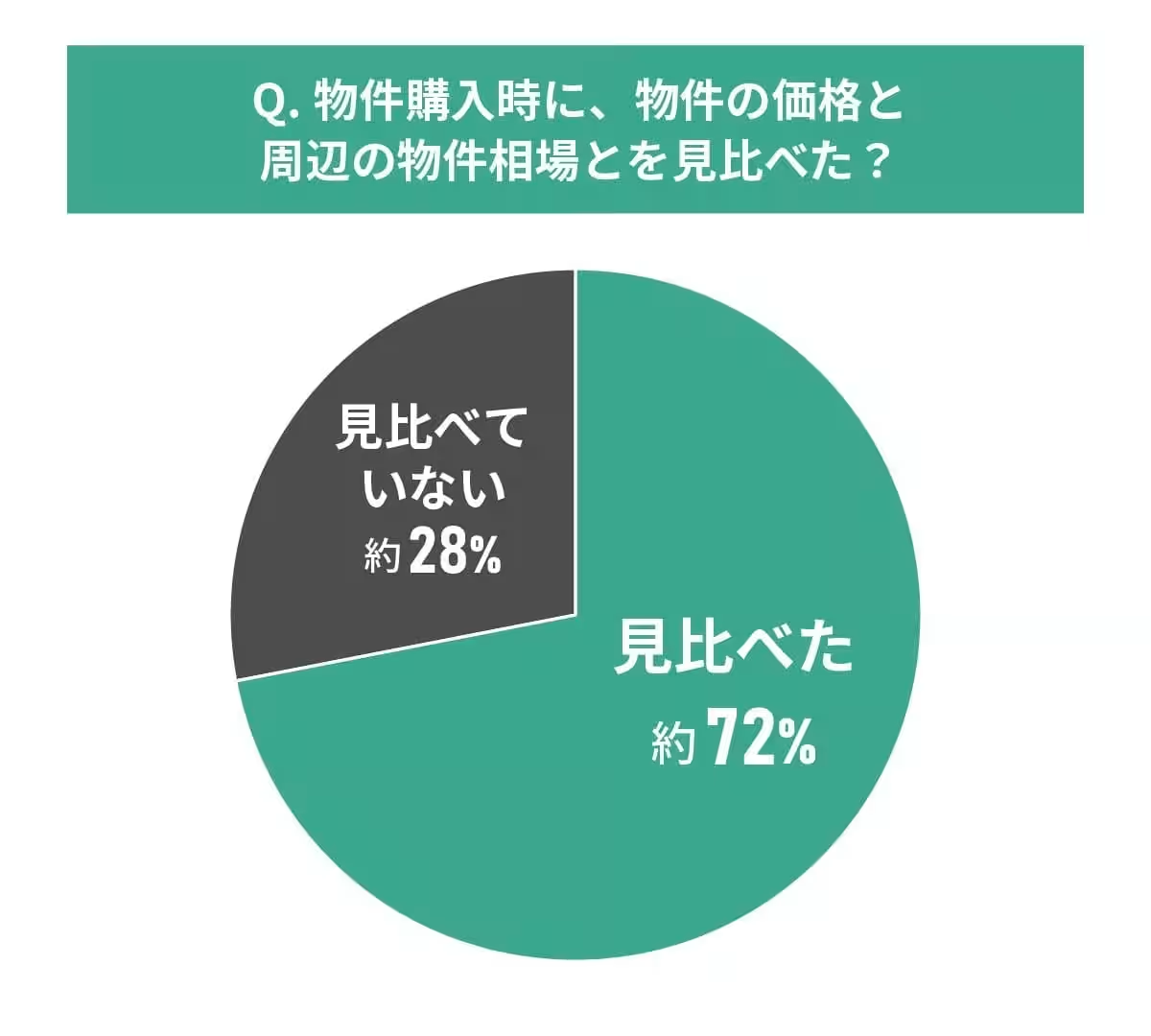
Further, the survey revealed that around 72% of participants compared their property prices to nearby market values, with only 28% opting not to engage in this practice. Such a comparison is fundamental for assessing market competitiveness and ensuring they are making a sound investment.
Reasons for Not Comparing Prices
The individuals who did not compare prices often had strong preferences for specific properties, may have relied on trusted real estate sources, or prioritized other elements such as the property’s location or layout over price considerations. This highlights the psychology behind real estate decisions where emotional attachment can sometimes override analytical consideration.
The Importance of Information
The high percentage of participants who compared market prices is attributed to the widespread availability of online real estate resources. Access to this information has made it easier for buyers to conduct meaningful comparisons and evaluations, a vital step in making informed choices and avoiding buyer's remorse down the line.
Maintenance Strategies for Asset Value
Respondents shared various strategies they adopted for maintaining their property's value post-purchase. Key categories of these strategies included:
1. Cleaning and Maintenance
Maintaining cleanliness was a prevalent theme, with comments reflecting regular upkeep: “I keep my room tidy,” “I’m cautious not to damage the interior,” and “I perform routine inspections and repairs.” Such maintenance does not require significant investment but is fundamental to retaining property value.
2. Renovation and Upgrading
Several respondents undertook renovations, enhancing their properties’ value. One noted, “By fully renovating an older property, I can enjoy a newer environment and slightly increase its asset value.” Routine upgrades also ensure both comfort and market competitiveness.
3. Location Selection
Many respondents stressed the importance of choosing properties in favorable locations. Inputs such as “I opted for properties near the station” and “I focused on areas slated for upcoming developments” highlight the realization that good location significantly influences asset value retention.
4. Community and Management Participation
Engaging in property management and community activities were also emphasized. Comments like “I participated in the management association to prevent unexpected financial burdens” reflect a proactive approach to maintaining communal property value.
5. Information Gathering
Respondents also reported thorough information-gathering efforts before purchasing, consulting various sources and experts to better understand property value dynamics.
Conclusion: Balancing Value and Comfort
In summary, this survey reveals that consideration of future asset value is paramount in property purchases. However, it equally emphasizes the necessity of balancing asset value with living comfort and lifestyle convenience. By utilizing appropriate information resources and maintaining properties diligently, buyers can secure their investments while enjoying their homes. This holistic approach to real estate can ultimately lead to higher satisfaction and reduced regret in future property decisions.
Topics Consumer Products & Retail)
【About Using Articles】
You can freely use the title and article content by linking to the page where the article is posted.
※ Images cannot be used.
【About Links】
Links are free to use.