



Investigation on the Risks of Neglecting Ptosis: Chronic Symptoms Affecting Daily Life
Risks of Neglecting Ptosis: A Call for Awareness
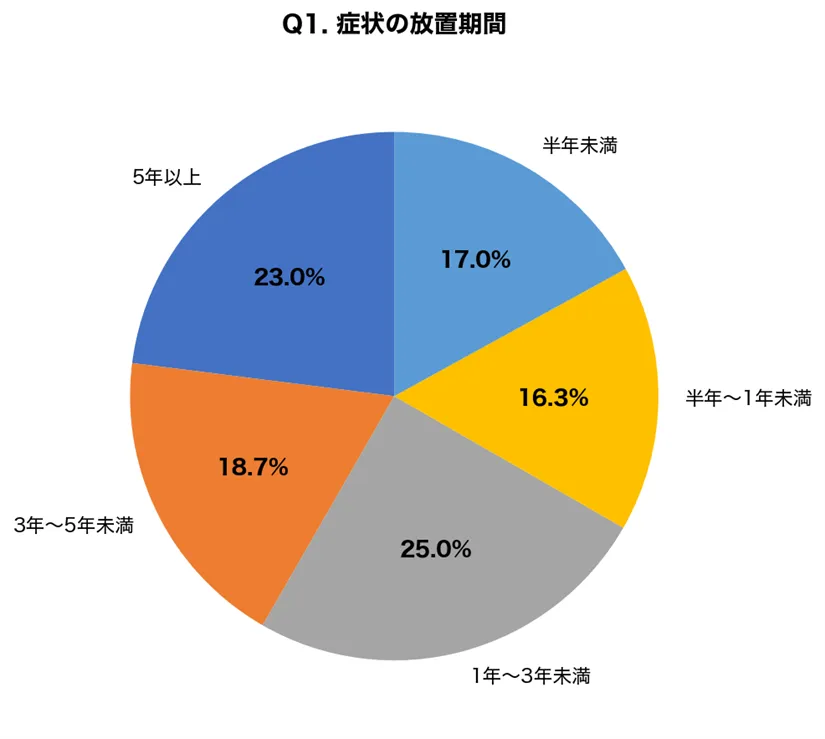
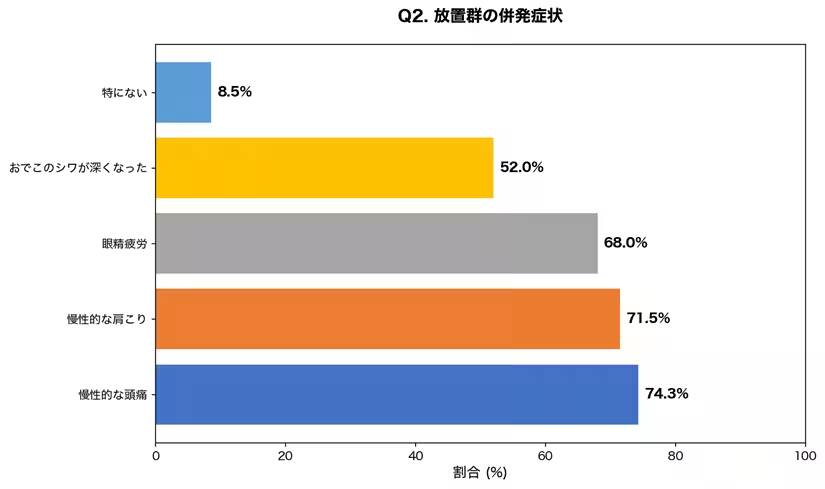
In a recent investigation conducted by IC Clinic, alarming findings have emerged regarding the neglect of ptosis, a condition where the upper eyelid droops due to weakened muscles. The survey encompassed 300 individuals aged between 20 and 60 across the nation, all reporting symptoms such as heavy eyelids and difficulty keeping their eyes open. The results indicate that a staggering 66.7% have left these symptoms untreated for over a year. Moreover, a significant 74.3% of those who delayed treatment reported experiencing chronic headaches, neck pain, and eye strain.
The research highlights the pressing need for awareness surrounding the condition and its potential repercussions. Many patients tend to trivialize their symptoms, assuming that heaviness in the eyelids and struggles with opening the eyes are merely part of aging or fatigue. However, these signs are pivotal indicators of ptosis, which can severely impact not only one's appearance but also overall well-being.
Understanding Ptosis
Ptosis occurs when the muscles responsible for lifting the eyelid weaken, which can be congenital or acquired. The acquired type is commonly associated with aging, prolonged use of contact lenses, and habitual eye-rubbing, all of which contribute to the worsening of symptoms over time. Notably, ignoring these symptoms may lead to further complications such as chronic headaches and shoulder stiffness, as individuals unconsciously engage their forehead muscles to compensate for the drooping eyelids.
Treatment Options and Awareness
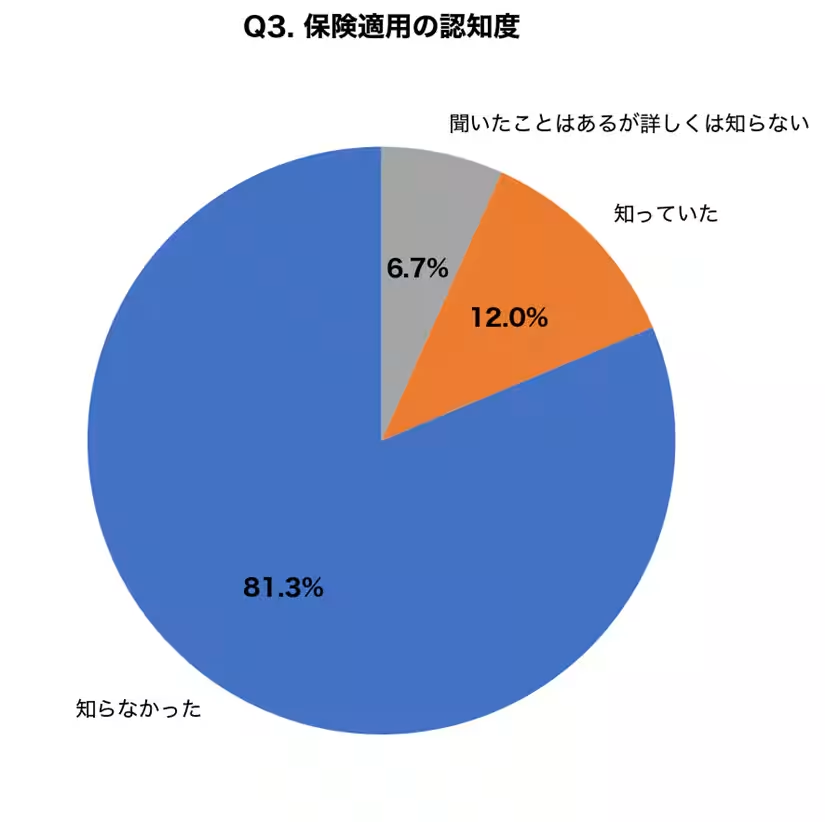
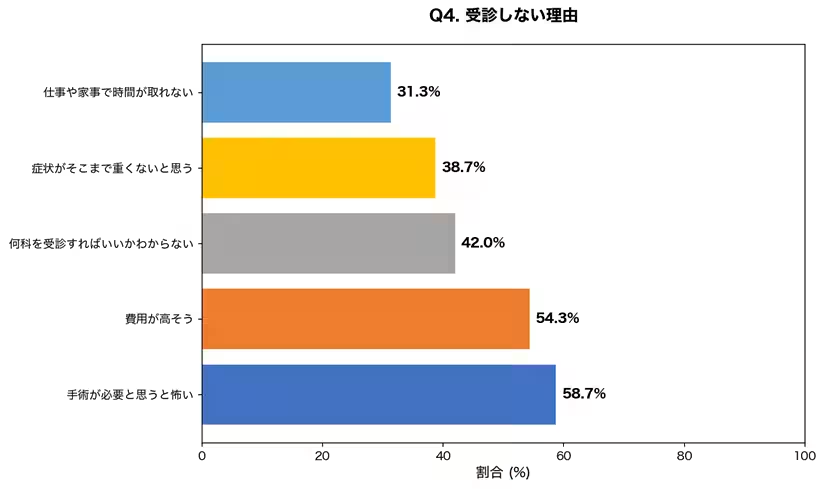
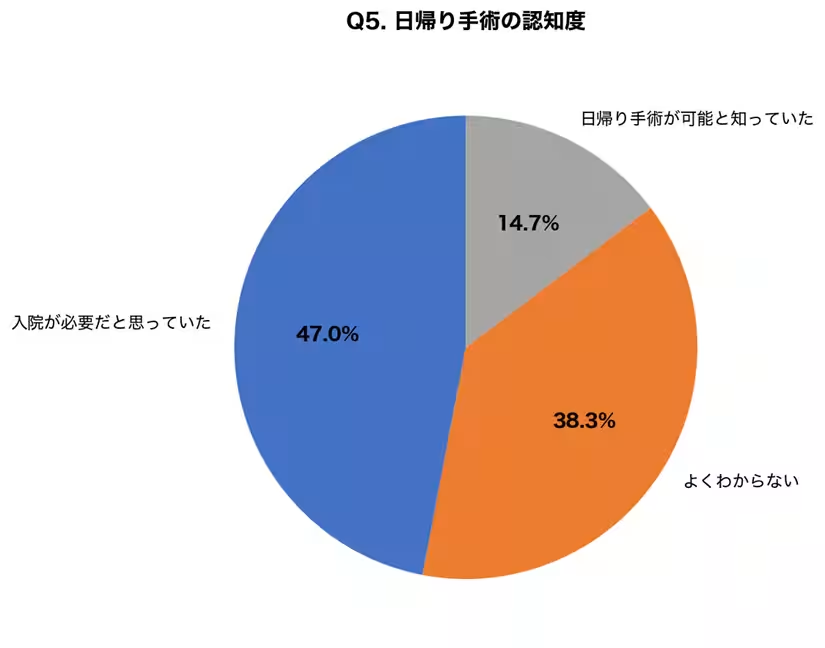
Despite the availability of effective treatments, including insurance-covered surgical procedures, many individuals remain unaware of their options. The survey revealed that a striking 81.3% of respondents were unaware that surgical treatment could be covered by insurance. The common misconceptions surrounding treatment costs and the fear of surgery have resulted in a significant number of individuals postponing necessary medical attention. Many believe they have to endure long hospital stays; however, the procedure can often be performed as a same-day surgery under local anesthesia, taking approximately 40-60 minutes.
Consequences of Delay
Continuing to neglect signs of ptosis poses various risks, leading to not only visual impairment but also exacerbation of physical discomfort. The survey demonstrated that prolonged neglect, especially over one year, results in a direct correlation to the emergence of chronic pain. Of those who had ignored their symptoms, 71.5% reported chronic shoulder pain, indicating that the compensation mechanisms posed by weakened eyelid muscles can lead to a cascade of unrelated health issues.
In light of the findings, health professionals assert the urgency of educating patients about ptosis and its implications. The treatment involves both correcting aesthetic concerns and alleviating functional problems. As a result, individuals are encouraged to seek early diagnosis and treatment promptly.
Self-Check for Symptoms
To aid in identifying potential ptosis, a self-check is recommended. Signs to consider include:
- - Heavy eyelids or difficulty keeping eyes open.
- - Increased wrinkles on the forehead or a habit of raising eyebrows to see better.
- - Chronic headaches or neck pain without a clear cause.
- - Complaints from others about appearing tired or sleepy.
Recommendations for Patients
Given these insights, it is crucial for individuals who recognize multiple symptoms or have prolonged exposure to risk factors, such as extensive contact lens use or frequent eye strain, to consult with a specialist. Routine assessments can assist in early detection and ensure that appropriate treatment is pursued to improve quality of life and prevent further complications.
The findings of this investigation not only underline the importance of awareness regarding ptosis but also emphasize the need for a cultural shift in how eye health is perceived. Swift action remains vital to protect against the ramifications associated with untreated ptosis, ensuring individuals receive the necessary care before conditions worsen.
Topics Health)
【About Using Articles】
You can freely use the title and article content by linking to the page where the article is posted.
※ Images cannot be used.
【About Links】
Links are free to use.