



Survey Reveals Shocking Reasons Why Employees Avoid Certain Offices in Japan
Introduction
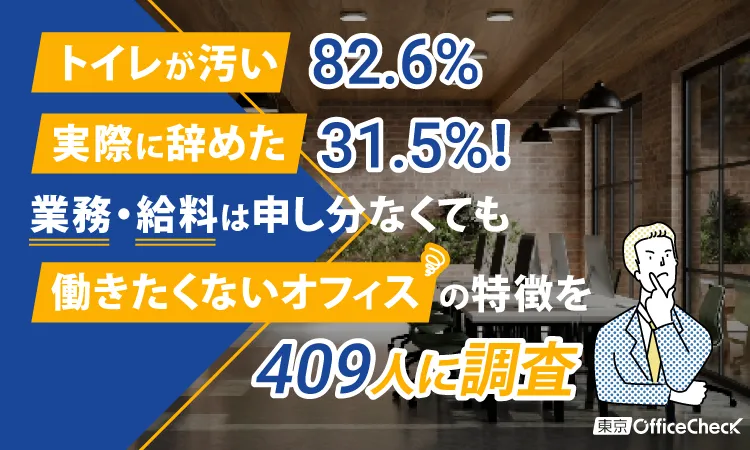
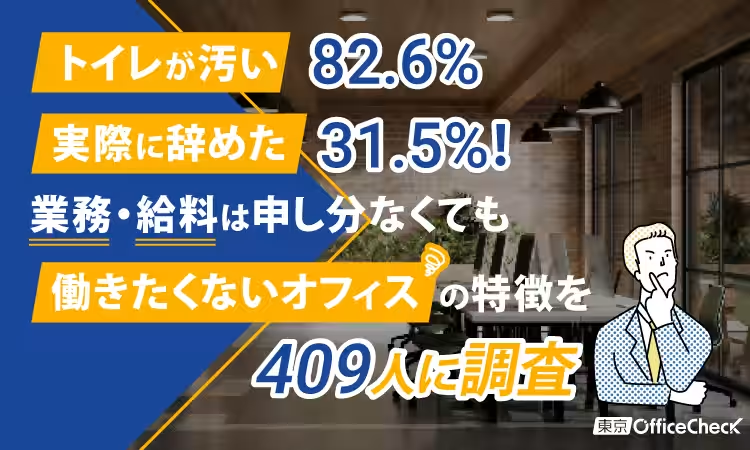
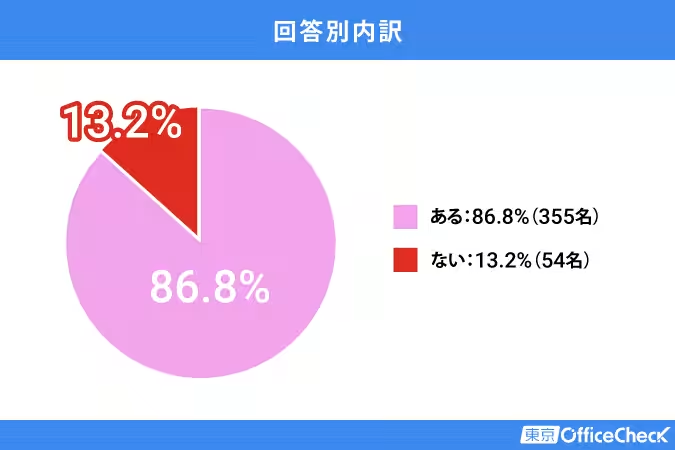
A recent survey conducted by Tokyo Office Check revealed startling insights about why many employees refuse to return to certain offices, even when they are satisfied with their job duties and salaries. In an internet survey targeting 409 working men and women across Japan aged 20 to 60, an overwhelming 86.8% of respondents indicated that they felt reluctant to work in specific office environments.
Key Findings
The survey uncovered a range of factors that contribute to this reluctance. Among the most significant issues, 82.6% noted that unclean restrooms were a primary reason not to work in a particular office. Additionally, the workplace atmosphere played a crucial role, with 68.5% mentioning an environment filled with outdated traditions and hierarchical structures, which created an unwelcoming atmosphere.
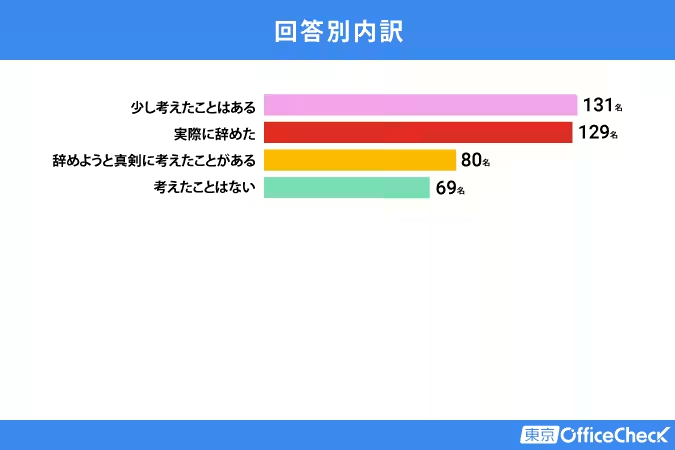
More concerning is the fact that 31.5% of respondents had actually quit their jobs due to their office environment, and when combined with those who seriously considered leaving, the number jumps to 51.1%. This indicates a pressing issue that employers need to address, as even jobs with good conditions may not retain talent if the workplace environment is unfavorable.
Survey Overview
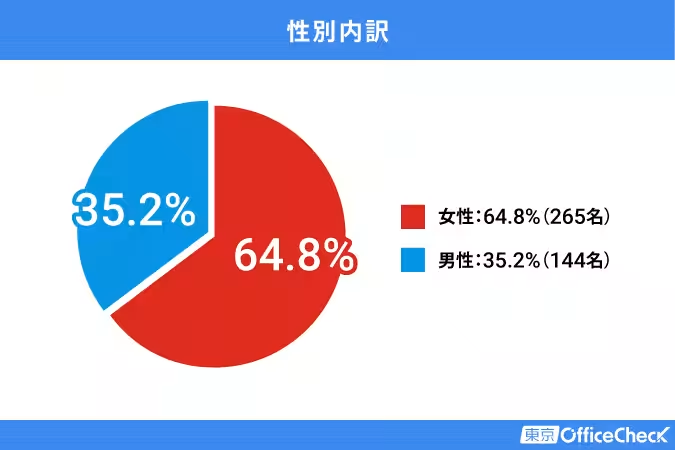
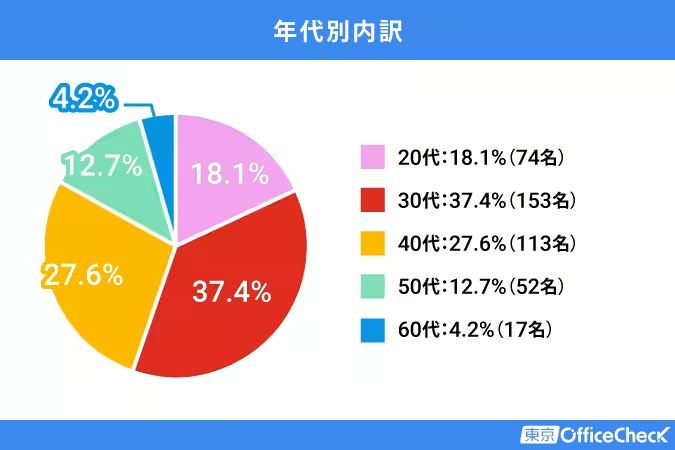
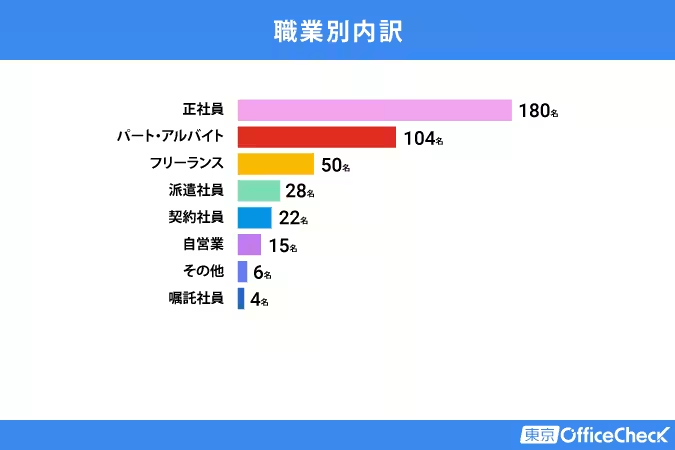
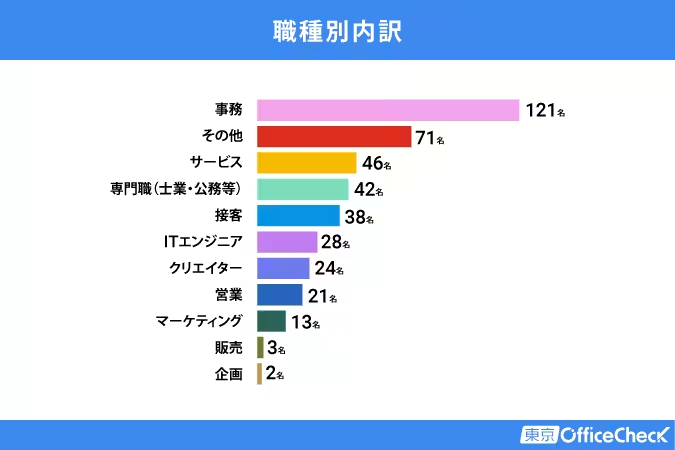
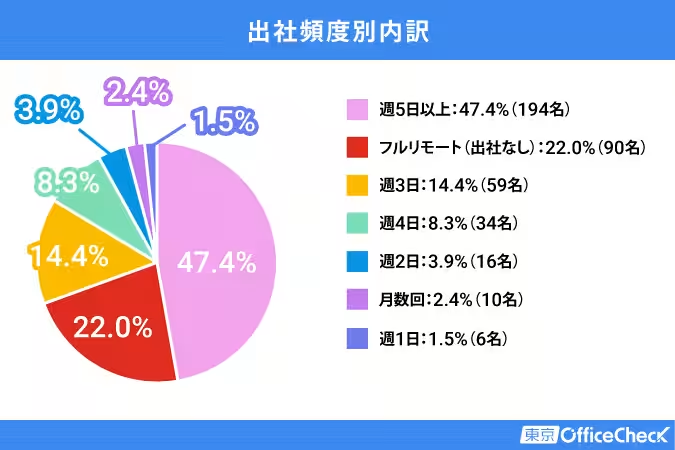
The survey was conducted from April 11 to April 25, 2026, and included 409 respondents, primarily consisting of females (64.8%) and males (35.2%). The majority of respondents were in their 30s and 40s, highlighting the concerns of professionals in the current workforce.
Hygiene and Cleanliness Issues
Hygiene emerged as the most crucial concern for those unwilling to work at certain offices:
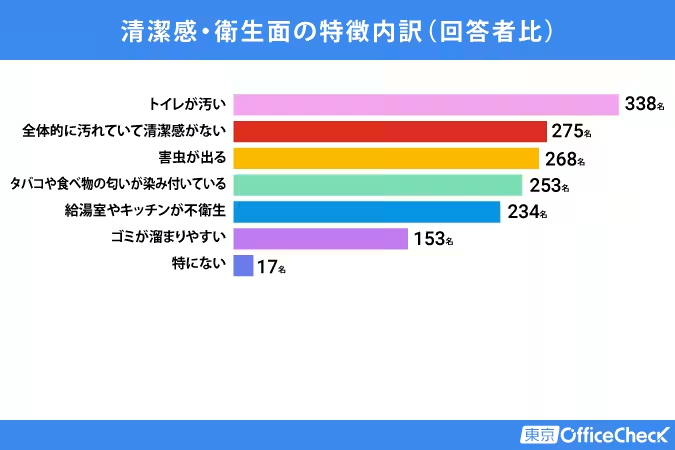
- - Dirty Restrooms: A striking 82.6% cited filthy restrooms as a deterrent.
- - Overall Cleanliness: 67.2% felt the entire office lacked cleanliness.
- - Pest Issues: 65.5% reported issues such as pests in the office, further emphasizing the need for proper maintenance.
Examples of Concerns
Free-form feedback from respondents included comments like, “The office was infested with ants and was overall filthy,” reflecting a serious concern for health and well-being. Such sanitation issues not only disrupt daily work life but can lead to increased stress and discomfort, potentially causing employees to seek alternative employment.
Workplace Culture and Atmosphere
Aside from hygiene, the cultural and social atmosphere within the workplace significantly contributes to employee dissatisfaction:
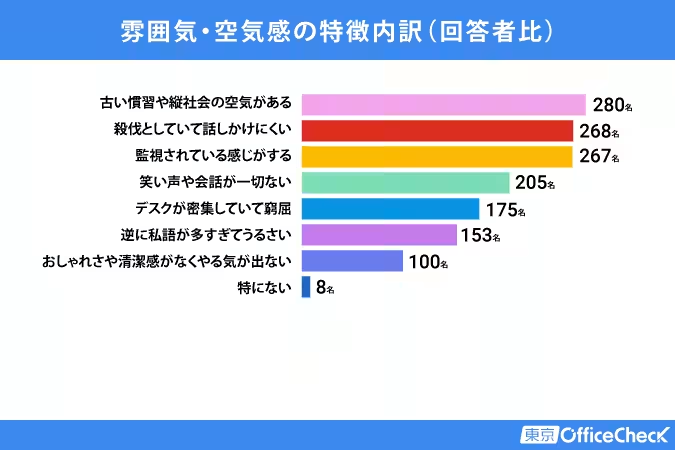
- - Outdated Practices: 68.5% mentioned the presence of antiquated customs and a strict hierarchical mentality as major workplace negatives.
- - Unapproachable Environment: 65.5% noted a “cold” atmosphere where colleagues were difficult to approach, indicating a lack of communication and collaboration.
Impact of Workplace Culture
Comments highlighted issues such as “a silent office where nobody speaks, making it difficult to ask questions,” showing how detrimental a stifling environment can be to team dynamics and overall productivity.
Infrastructure Concerns
The survey also touched on the importance of office infrastructure:
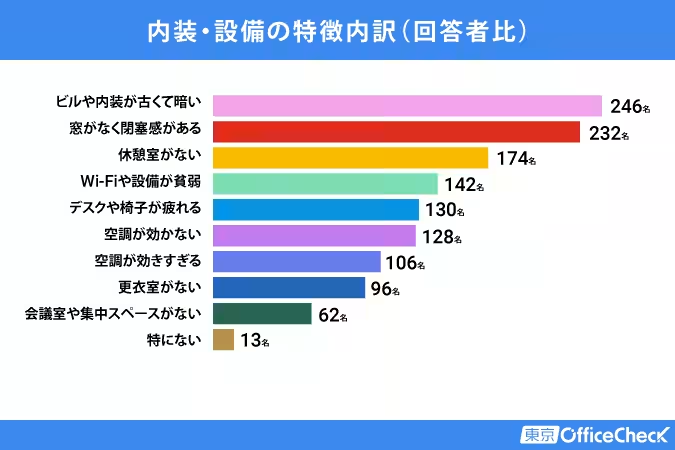
- - Aging Facilities: 60.1% identified outdated and dim office spaces as a significant drawback.
- - Lack of Natural Light: 56.7% expressed discomfort due to a lack of windows or poor ventilation, leading to feelings of claustrophobia.
Personal Experiences
Participants shared stories of working in underground offices that felt oppressive, demonstrating how inadequate working conditions can lead to mental fatigue and dissatisfaction.
Location and Commute Issues
Respondents also stressed that office location is crucial:
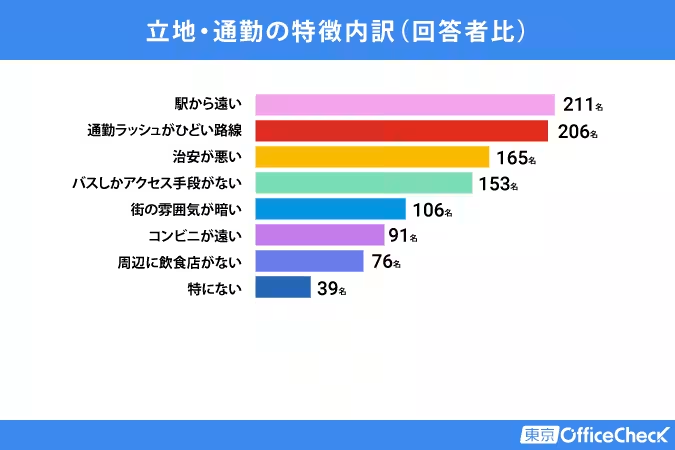
- - Distance from Station: 51.6% mentioned that offices being far from the nearest station was a deterrent.
- - Rush Hour Stress: 50.4% were unhappy with severe congestion during commuting hours.
Commute Fatigue
Many employees highlighted the taxing nature of lengthy commutes. One respondent noted the exhausting trek just to reach work, suggesting that such distances greatly affect overall job satisfaction.
Conclusion
The findings from this survey emphasize that an office's environment, including hygiene, cultural dynamics, and infrastructure, can significantly affect employee retention and satisfaction. Companies must prioritize these aspects to foster a healthier and more appealing workplace.
With an increasing number of employees highlighting cleanliness and a positive atmosphere as essential factors for job satisfaction, organizations should invest in maintaining their office environments. Building an inviting office that employees want to come back to can improve hiring and retention rates in today's competitive job market.
Prepared by Tokyo Office Check, which lists over 46,000 office properties in Tokyo, offering a robust portal for individuals or companies looking to find an ideal workspace. For more insights and strategies on office spaces, feel free to connect with us directly.
Topics Business Technology)
【About Using Articles】
You can freely use the title and article content by linking to the page where the article is posted.
※ Images cannot be used.
【About Links】
Links are free to use.