



A Comprehensive Look at Rental Trends in Tokyo's Urban Areas: Insights from Property Bank
Understanding Urban Rental Preferences in Tokyo
In a recent study conducted by Property Bank, a prominent real estate information service based in Tokyo's Shibuya ward, an analysis was made of approximately 1,200 lease agreements completed in urban areas over the past two years. The data revealed insightful trends regarding rental prices, preferred layouts, and popular neighborhoods, categorized by income, age, and gender. This detailed report is essential for anyone interested in the Tokyo rental market.
Rental Price Segmentation by Income
Property Bank primarily facilitates high-end rentals, catering to clients with substantial incomes and requiring luxurious living conditions. The average rental price for properties clients inquire about is approximately 180,000 JPY per month, with an average income of about 6,200,000 JPY. Let’s delve into how various income brackets influence rental choices:
| Income Bracket | Average Rent (JPY) | Common Layouts | Preferred Areas | Contract Share (%) |
|---|---|---|---|---|
| ---- | ----- | ---- | ---- | ------- |
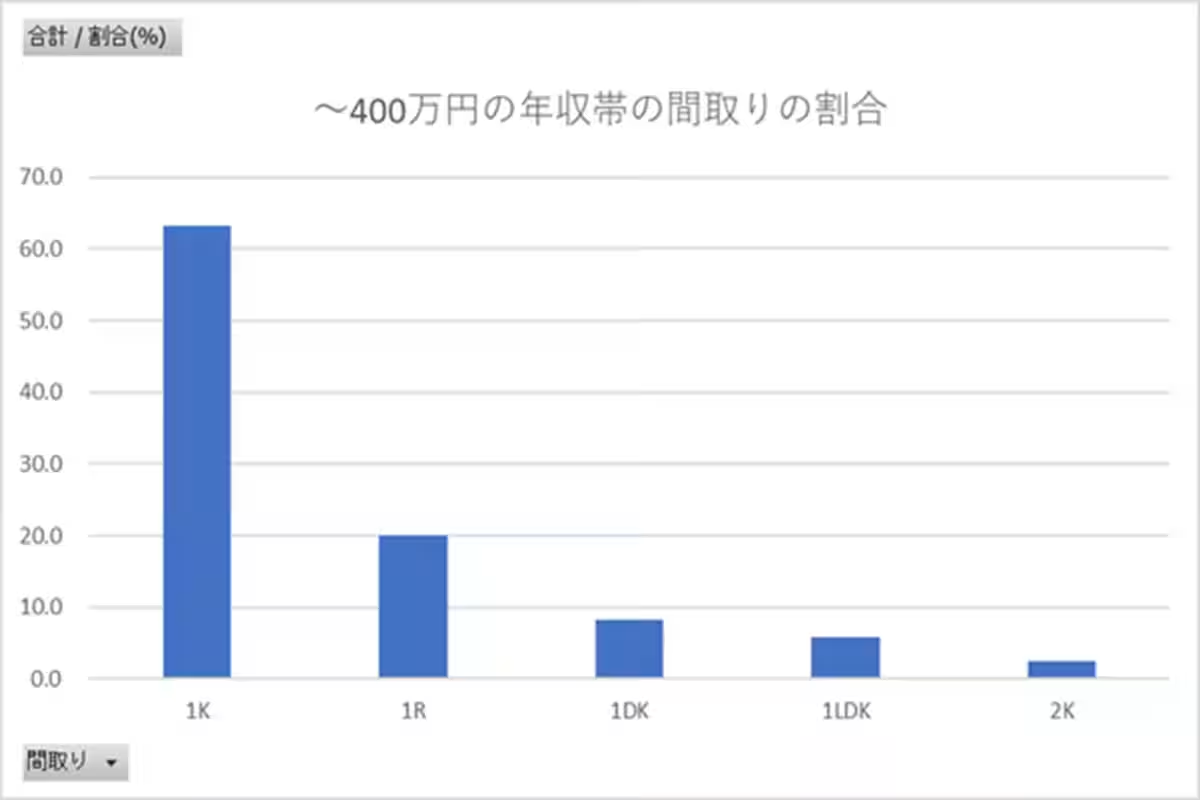
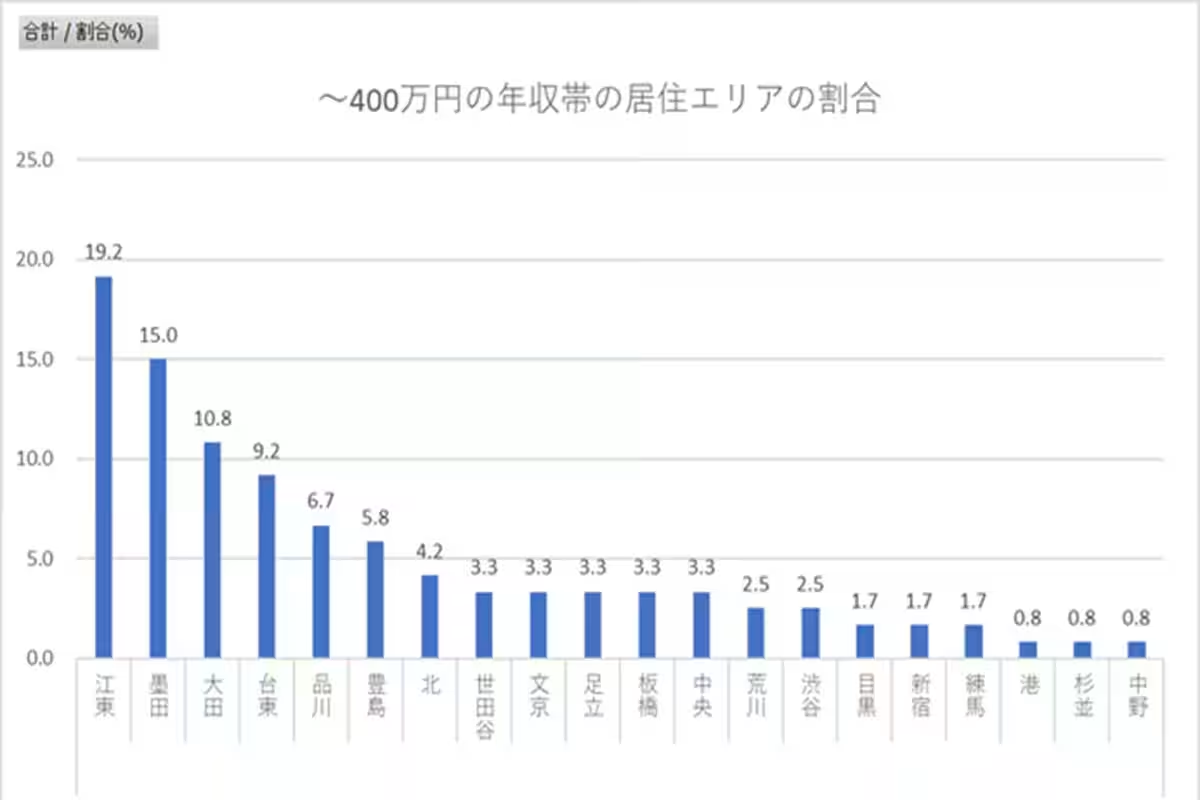
| Up to 4M | 99,000 | 1K, 1R | Koto, Sumida, Ota, Taito, Shinagawa | 13.62 |
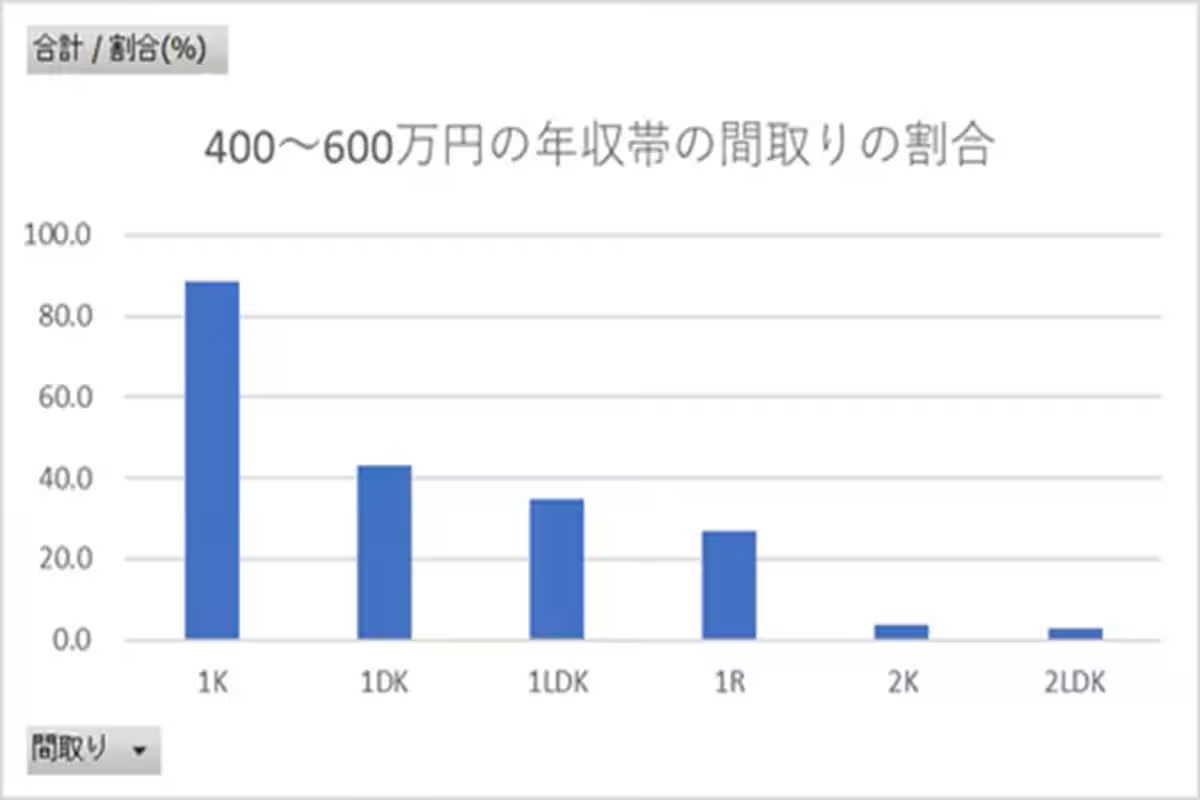
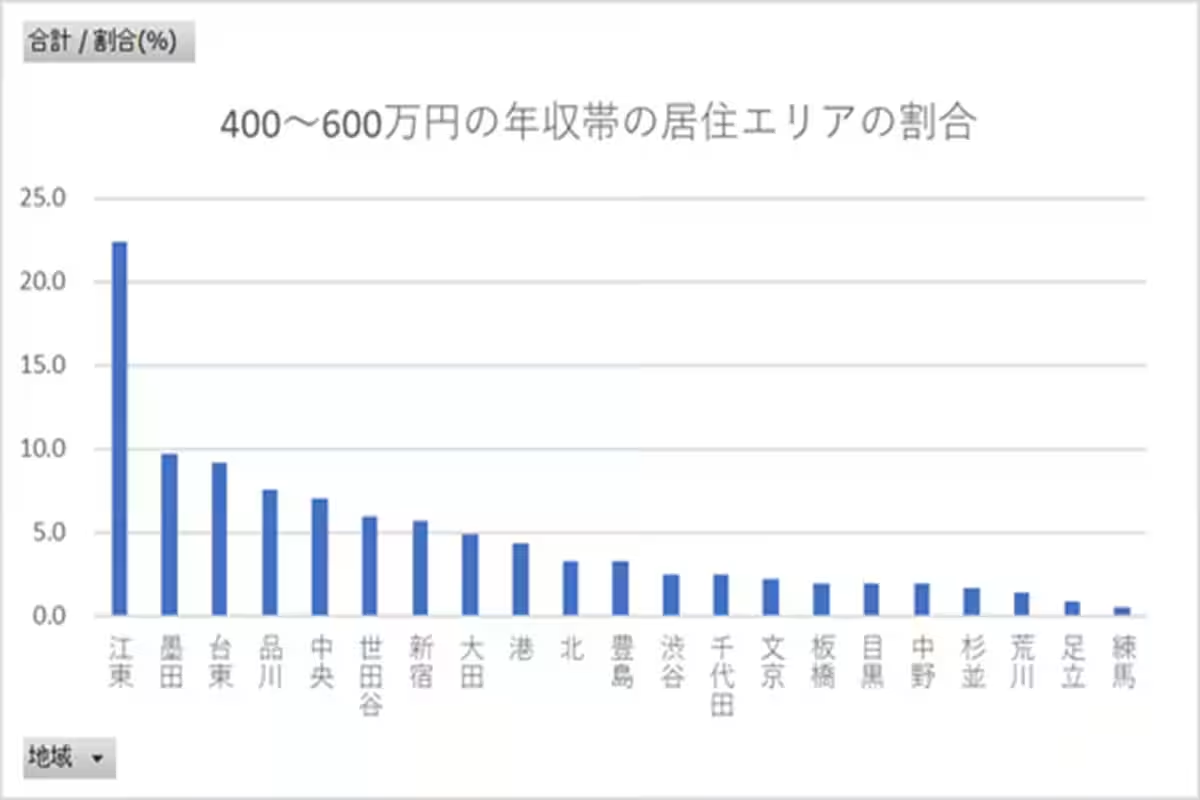
| 4M - 6M | 136,000 | 1K, 1DK, 1LDK | Koto, Sumida, Taito, Shinagawa, Chuo | 42.11 |
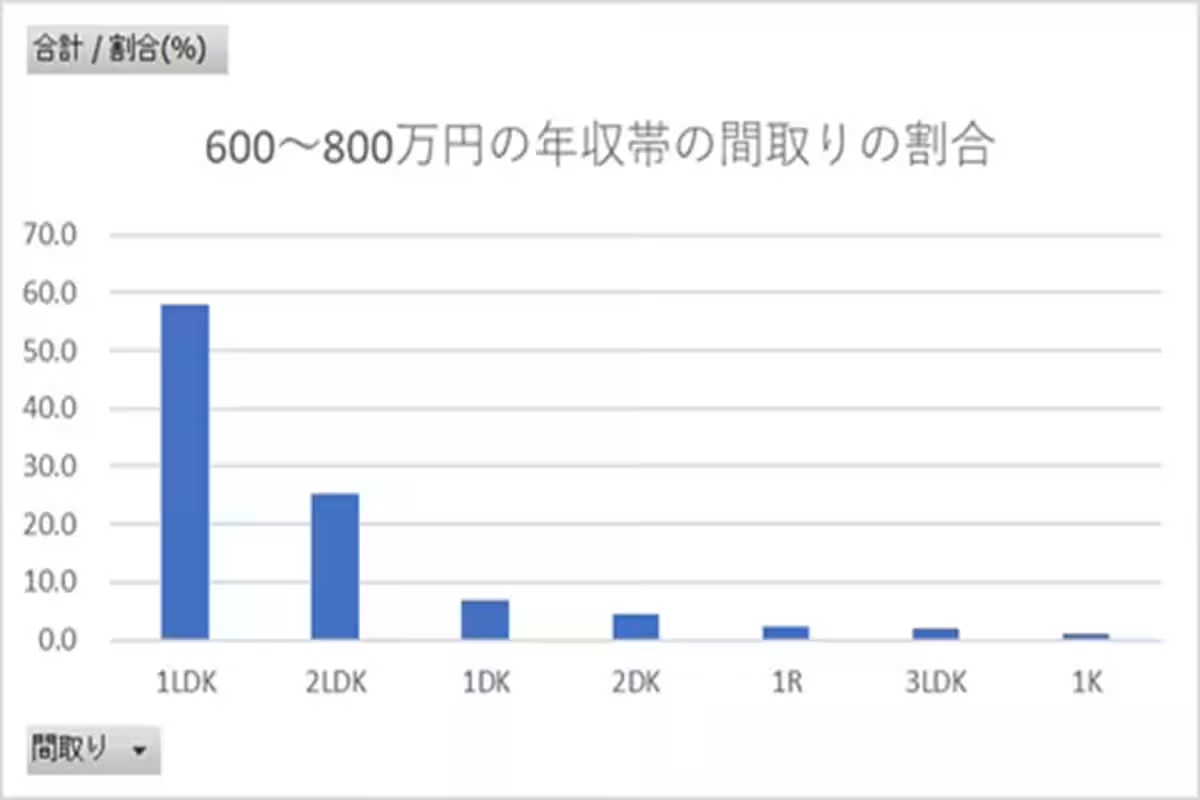
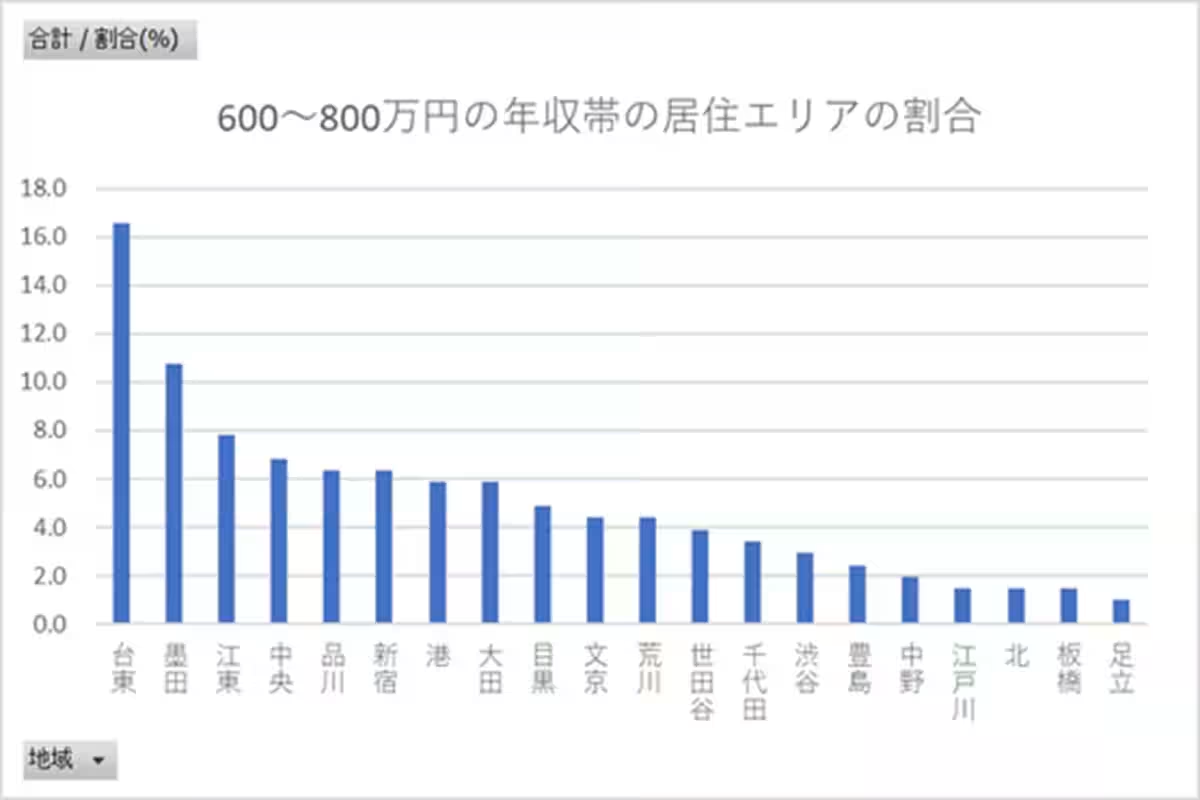
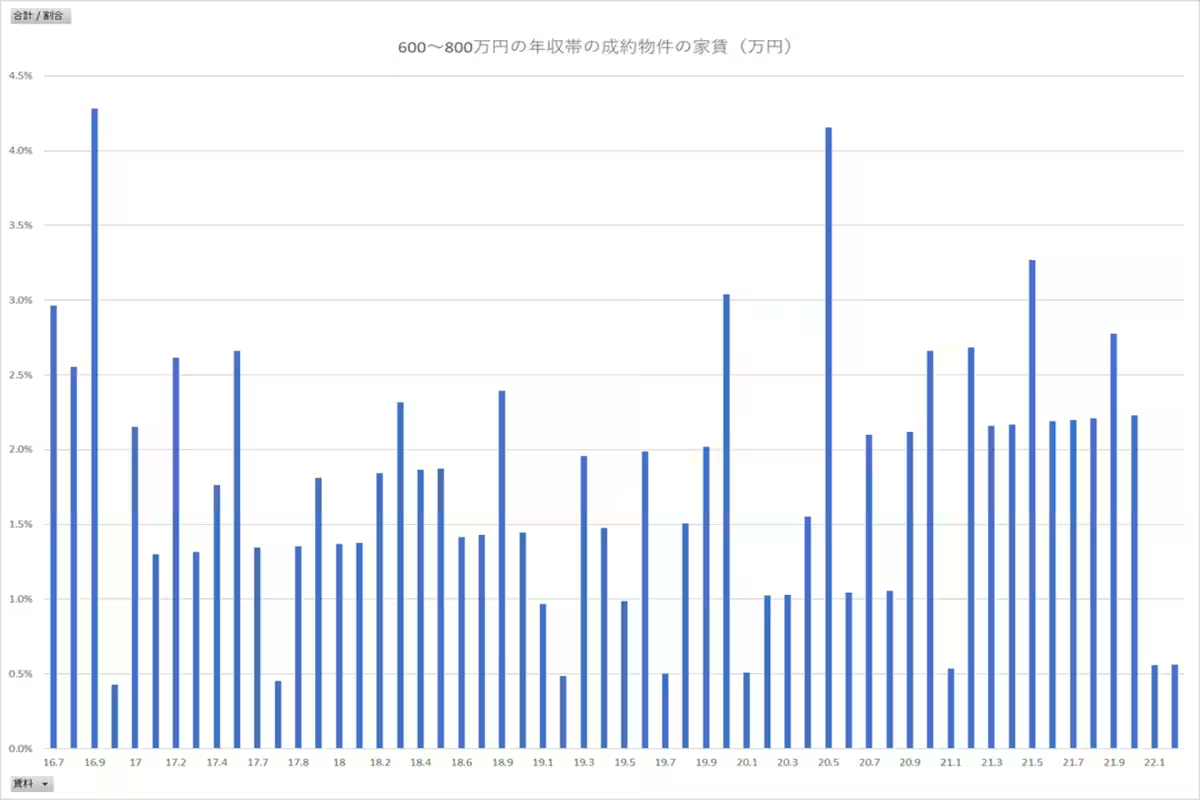
| 6M - 8M | 192,000 | 1LDK, 2LDK | Taito, Sumida, Koto, Chuo, Shinagawa | 23.27 |
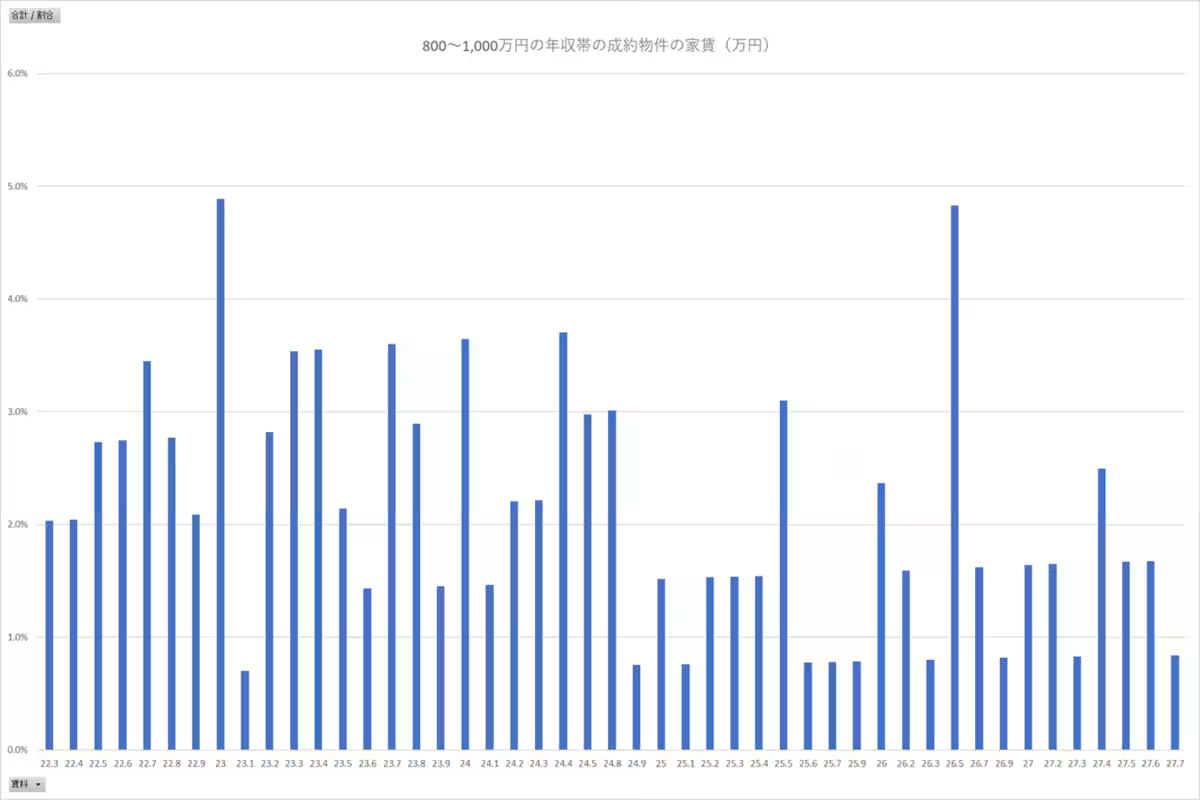
| 8M - 10M | 243,000 | 1LDK, 2LDK | Chuo, Minato, Shinagawa, Arakawa, Taito | 15.32 |
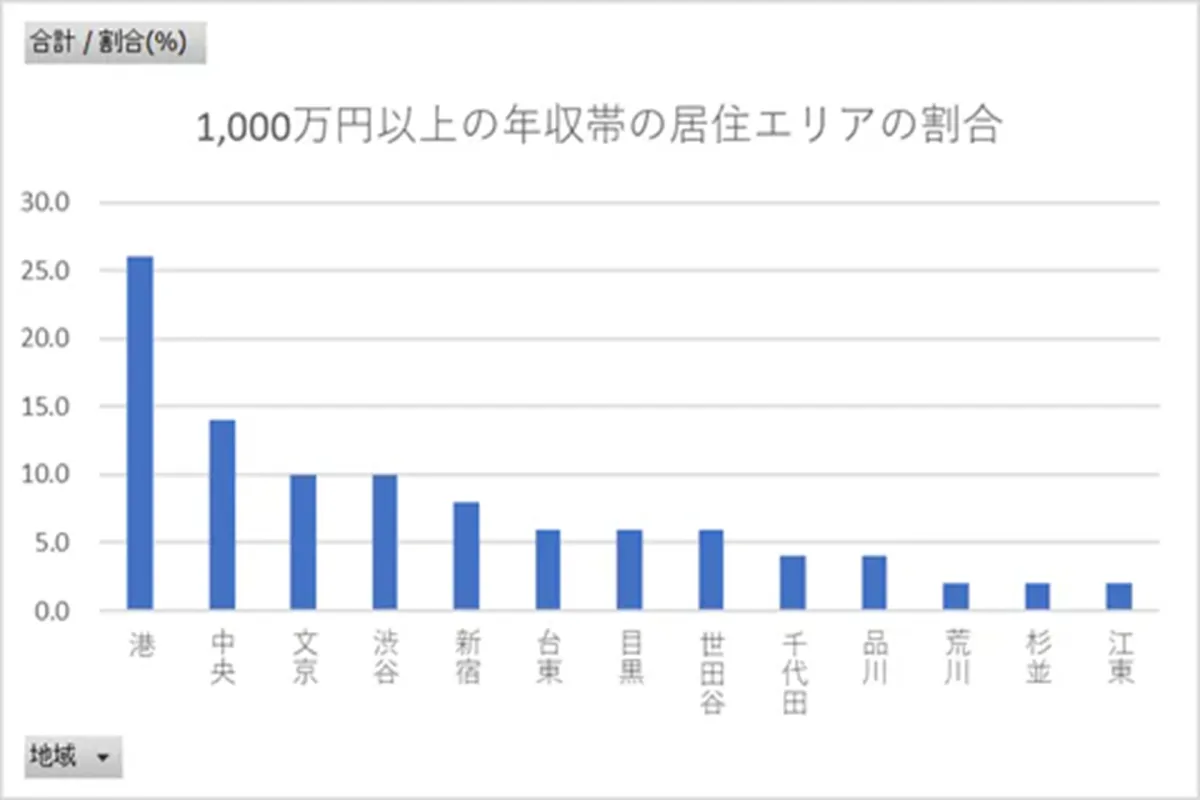
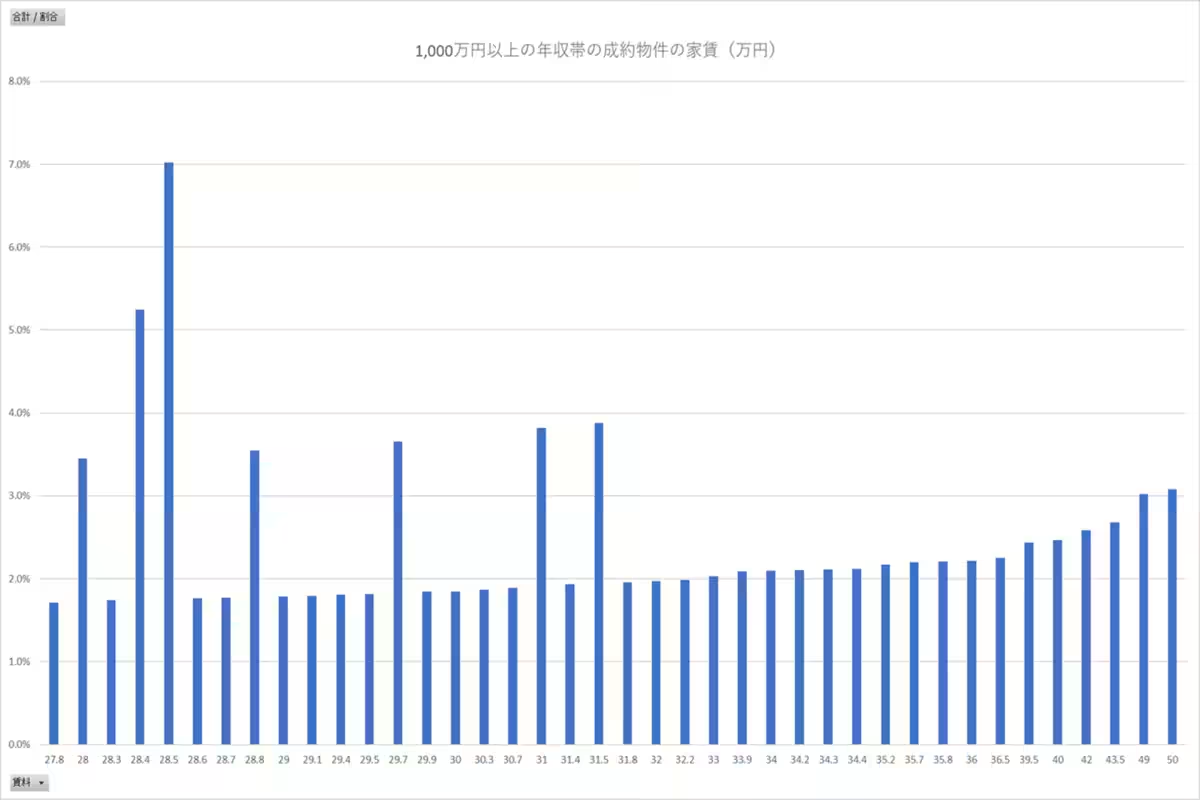
| Over 10M | 324,000 | 2LDK, 3LDK | Minato, Chuo, Bunkyo, Shibuya, Chiyoda | 5.68 |
Insights by Income Brackets
Up to 4M Income
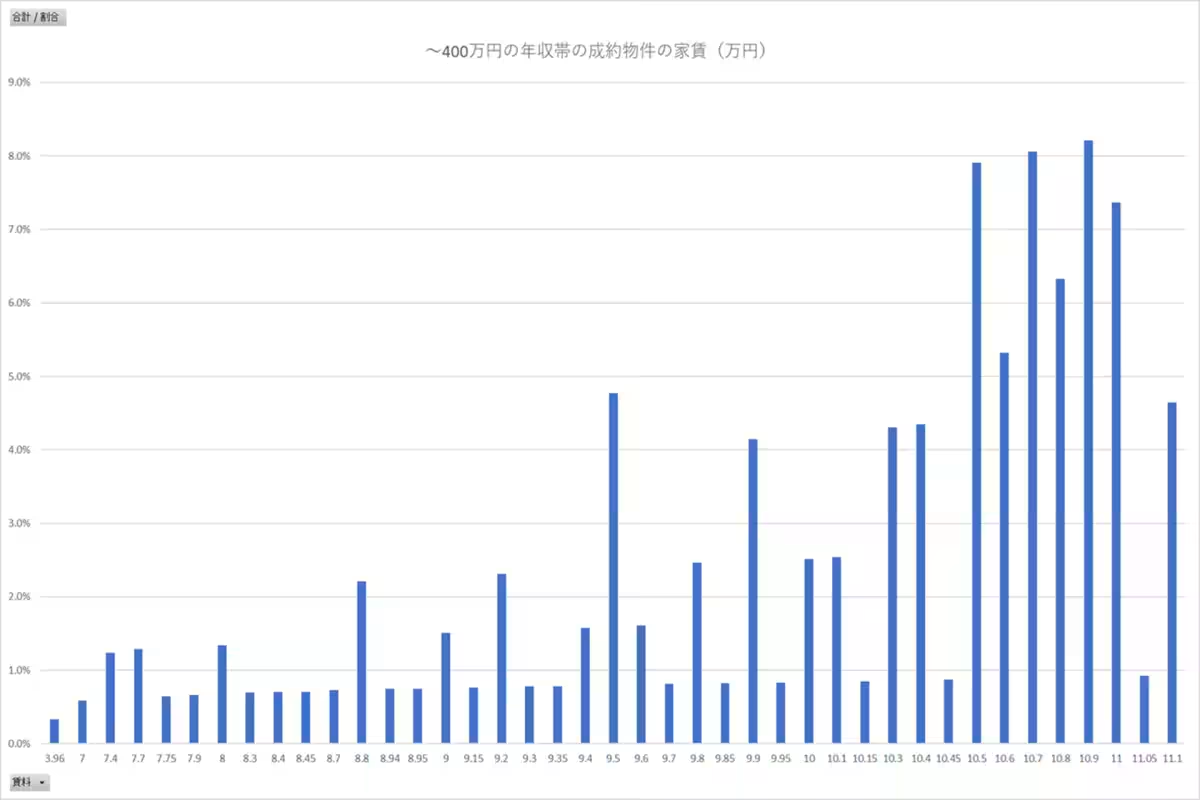
For individuals earning under 4 million JPY, the majority chose regions such as Koto, Sumida, and Ota, favoring affordability and reliable transport access. An example is Koto, where you can find numerous compact units like 1K for approximately 100,000 JPY close to major transit lines, balancing commuting convenience with cost.
4M to 6M Income
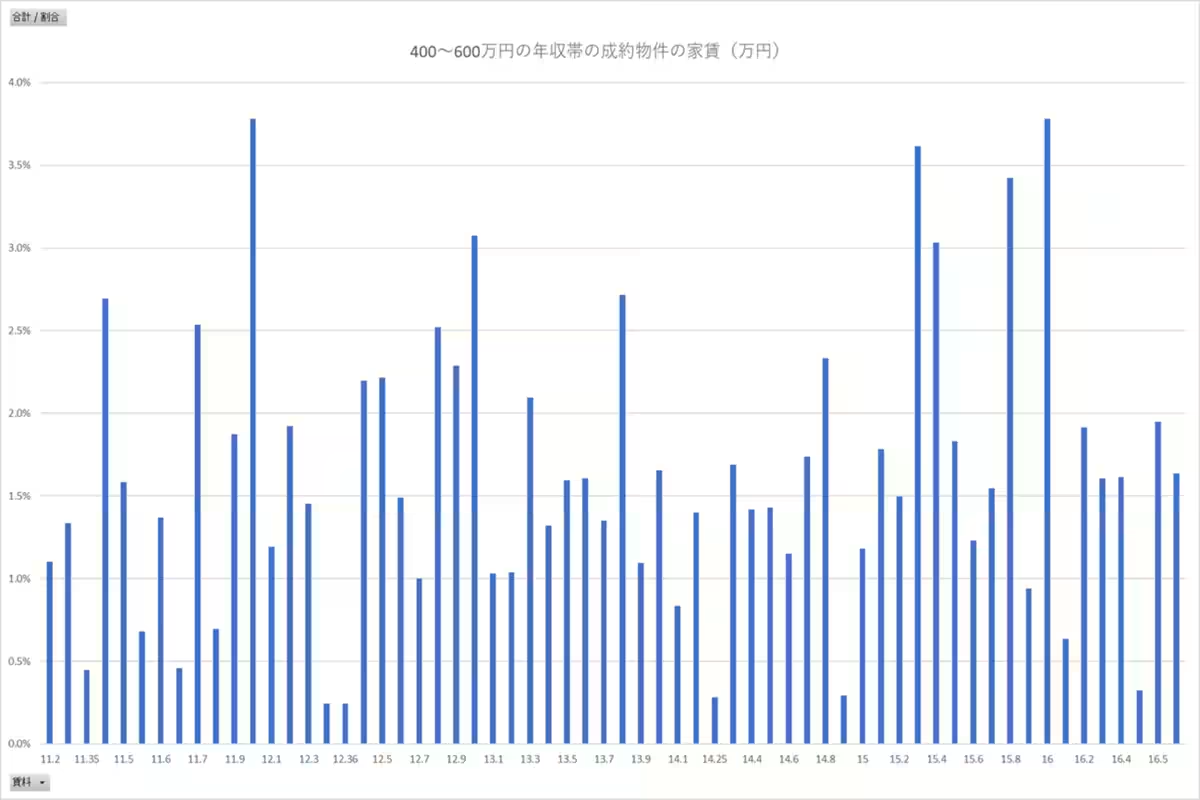
Moving into the income group of 4 to 6 million JPY, significantly more leases are signed in neighborhood areas close to the city center, where the average rent for a 1K is between 100,000 to 130,000 JPY and 1LDK ranges around 150,000 to 170,000 JPY. Properties in these regions also provide easy access to central Tokyo.
6M to 8M Income
Those in this bracket start to move towards pricier areas such as Minato and Chuo, with leasing preferences shifting toward larger abodes like 1LDK and 2LDK, and the average rent increasing to between 160,000 to 220,000 JPY.
8M to 10M Income
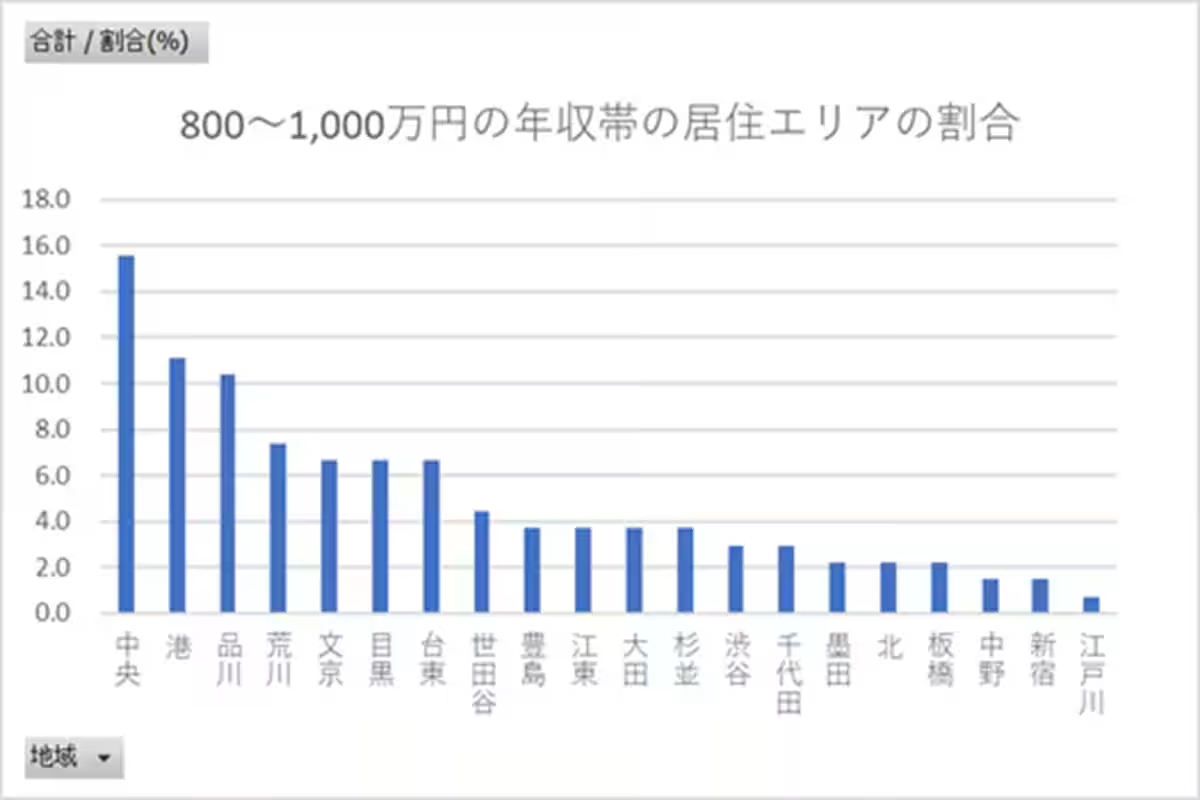
With further income increases, clients begin favoring premium urban locales. Most individuals in this category look for 1LDK or 2LDK properties with rents between 220,000 to 280,000 JPY mainly in Minato and Bunkyo districts.
Above 10M Income
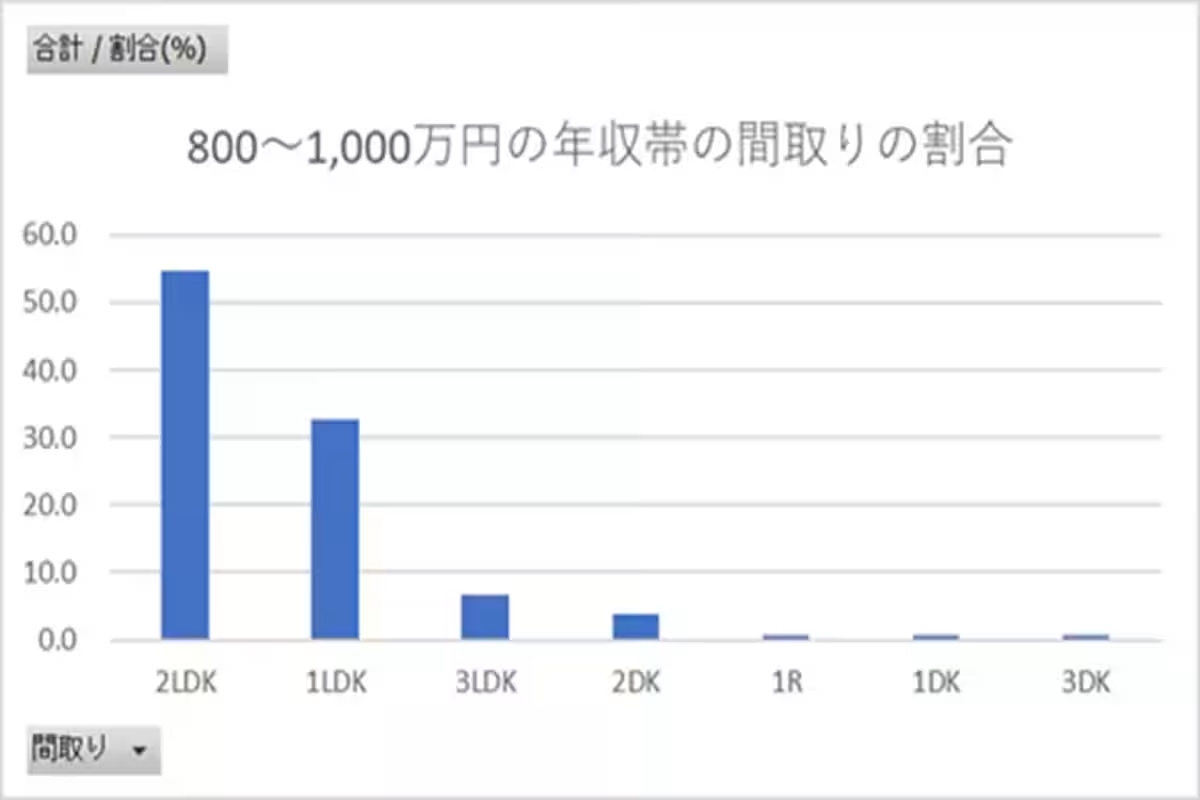
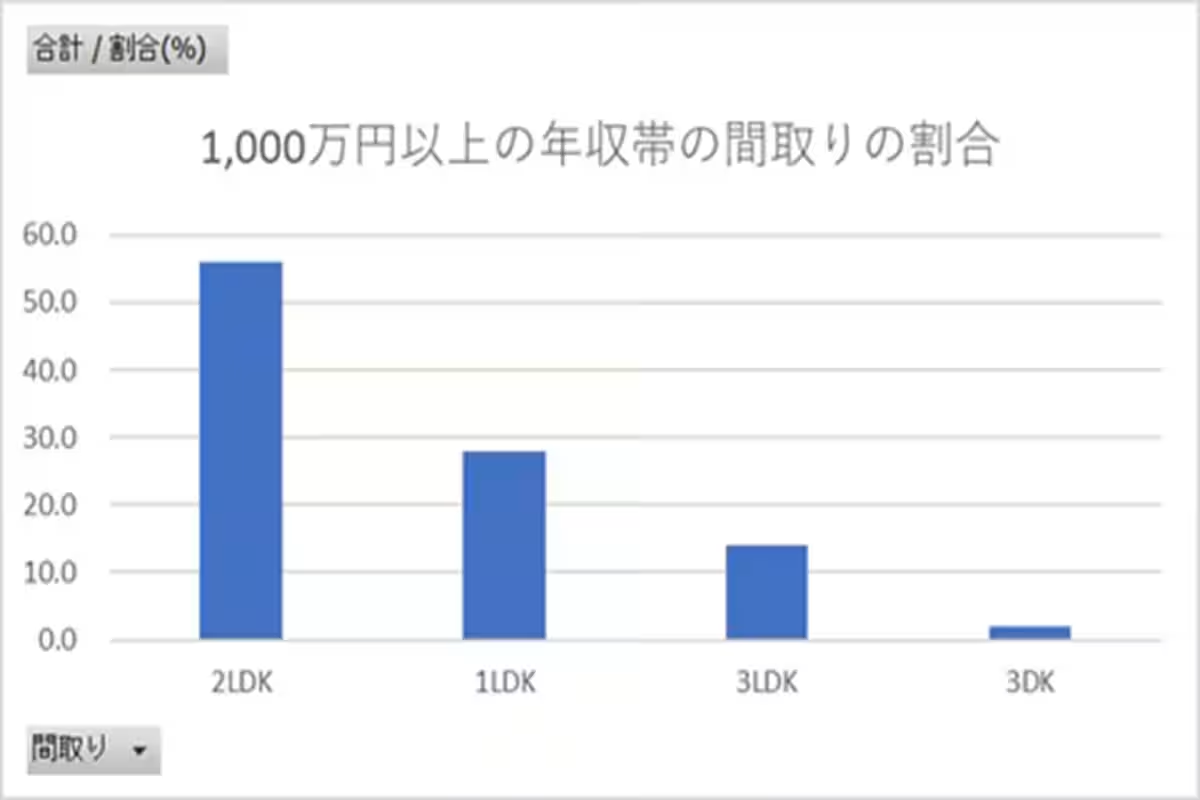
Finally, those earning more than 10 million JPY often choose spacious luxury apartments in upscale neighborhoods like Minato and Chuo, with rents sometimes exceeding 300,000 JPY per month, accommodating larger family types within their 2LDK and 3LDK preferences.
Industry Insights
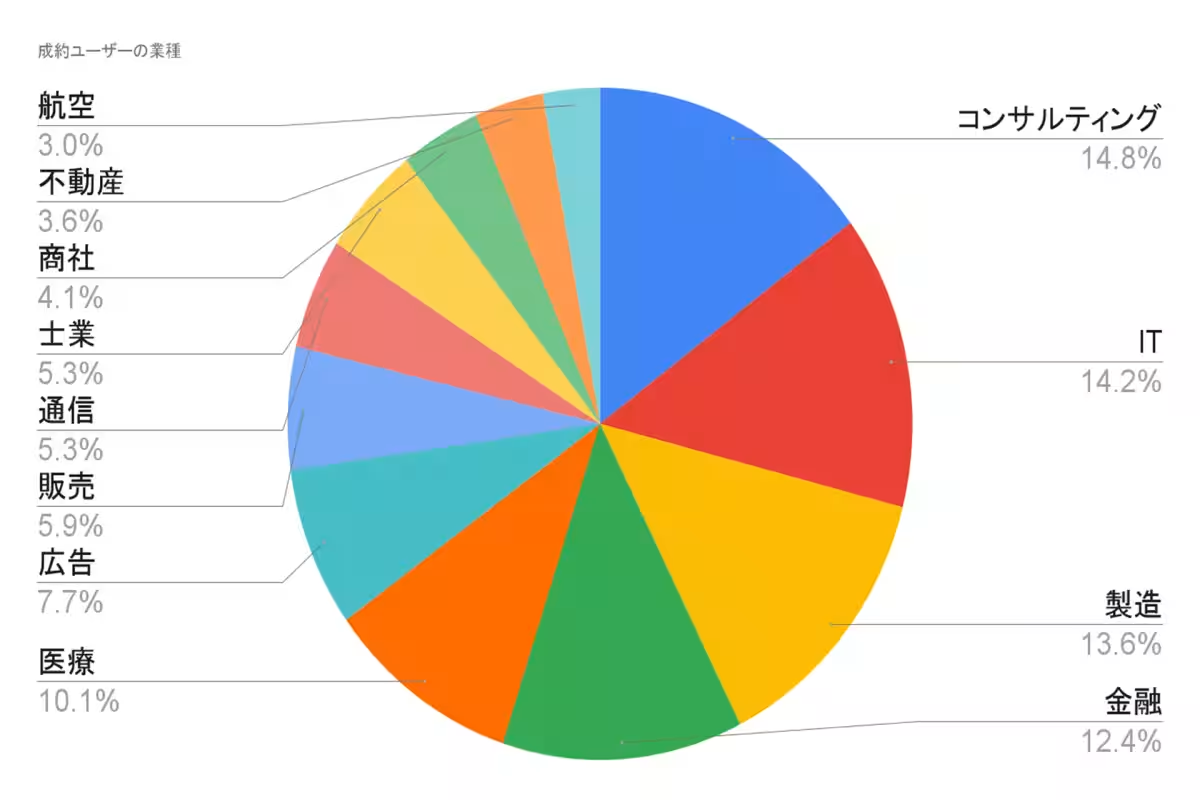
The composition of rental applicants reveals that those seeking high-end urban housing typically belong to sectors such as consulting, IT, finance, and healthcare. Notably, consulting professionals in their late 20s to early 30s are prevalent, likely due to their need for proximity to work. They often lean towards 1LDK apartments priced between 180,000 to 220,000 JPY in calm yet accessible neighborhoods.
IT and web professionals gravitate towards properties near central business districts, often paying steep rents—averaging between 15,000 to 20,000 JPY for 1K to 1LDK options—as they prioritize ease of commute due to late work hours.
Healthcare workers, especially nurses and pharmacists, often prefer safe neighborhoods with good night-time activity, leading to choices in districts like Bunkyo or Setagaya, with contracts commonly falling within the range of 110,000 to 150,000 JPY for 1K or 1LDK.
The tendencies in property choice based on industry highlight a unique intersection of professional demands and personal lifestyle needs—the fundamental principle of urban renting.
Contract Preferences by Layout Types
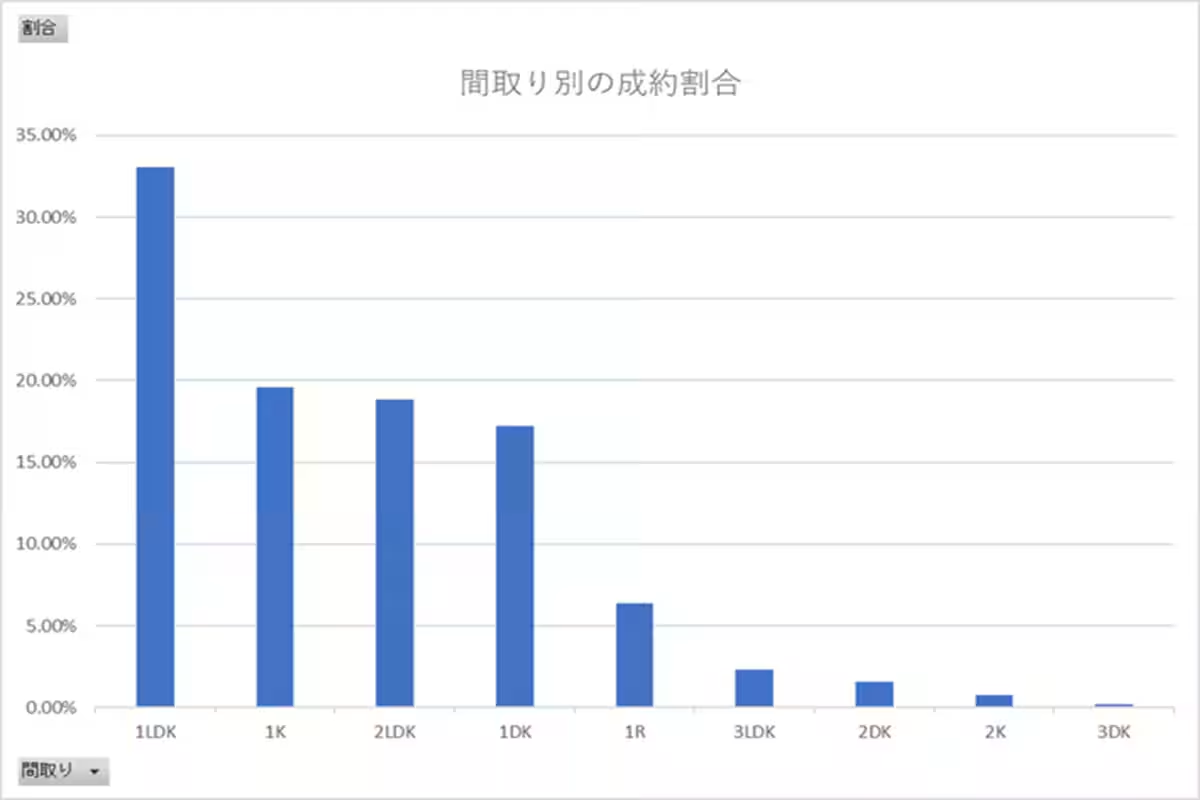
A notable observation from the data is the popularity of specific apartment layouts. 1LDK types are the most favored, comprising about 30% of total contracts, indicating a trend towards spacious living for singles and couples.
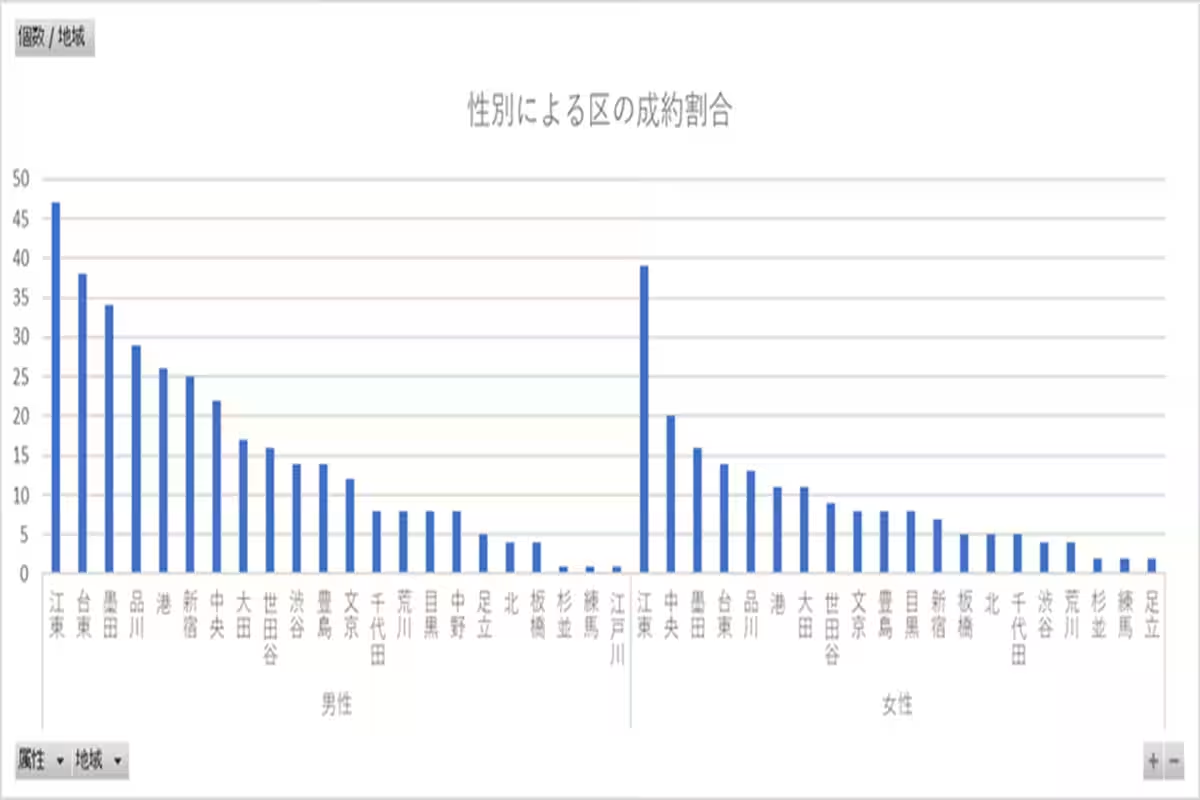
On the other hand, 1K units are prevalent among those seeking to minimize costs; these often appeal to first-time renters in their 20s. The trend reveals a preference for locations with higher pedestrian safety, especially among women.
Age-Based Preferences in Apartment Layout
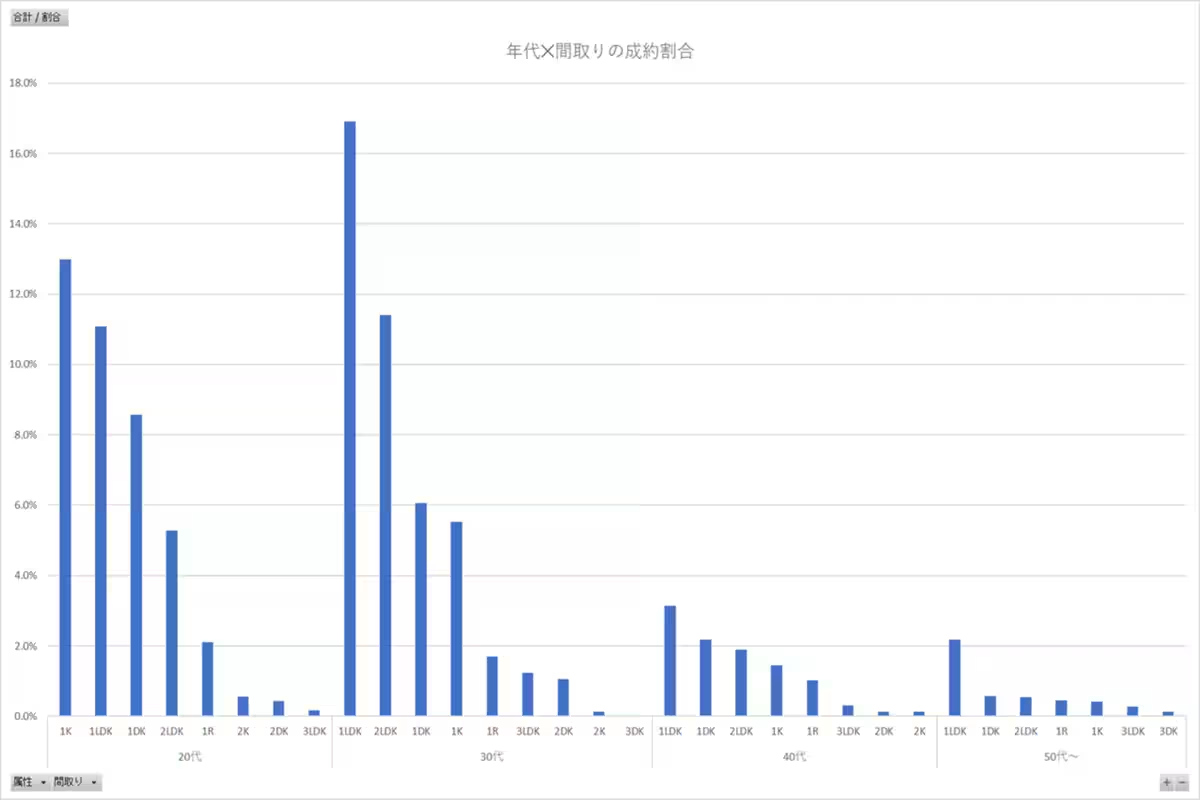
When analyzing by age, younger renters in their 20s frequently opt for compact layouts like 1K and 1DK to balance affordability and space, whereas those in their 30s show a preference for the versatility of 1LDK or 2LDK as they begin to stabilize their family lives.
Renters in their 40s and above tend to select mid-range layouts prioritizing quality living environments while navigating the balance of comfort and access to amenities.
Key Takeaways
The data clearly illustrates how rental preferences intertwine with factors like income, gender, age, and profession. For instance:
- - A male advertising professional in his 20s earning around 5 million JPY might opt for a 1K in Koto for 100,000 to 130,000 JPY.
- - A female consultancy employee in her 30s could look at a 1LDK in Bunkyo for 180,000 to 200,000 JPY.
- - A male lawyer making over 10 million JPY may choose a 2LDK in Minato, with rents between 300,000 to 500,000 JPY.
These preferences showcase how individuals can utilize this statistical data for informed decisions in urban living. Understanding which types of apartments are trending across various demographics can assist prospective tenants in locating their ideal living spaces in metropolitan Tokyo.
Topics Consumer Products & Retail)
【About Using Articles】
You can freely use the title and article content by linking to the page where the article is posted.
※ Images cannot be used.
【About Links】
Links are free to use.