



Chatbots Becoming Mainstream: Generational Gaps in Customer Satisfaction Highlighted
Chatbots on the Rise: Understanding Customer Satisfaction Across Ages
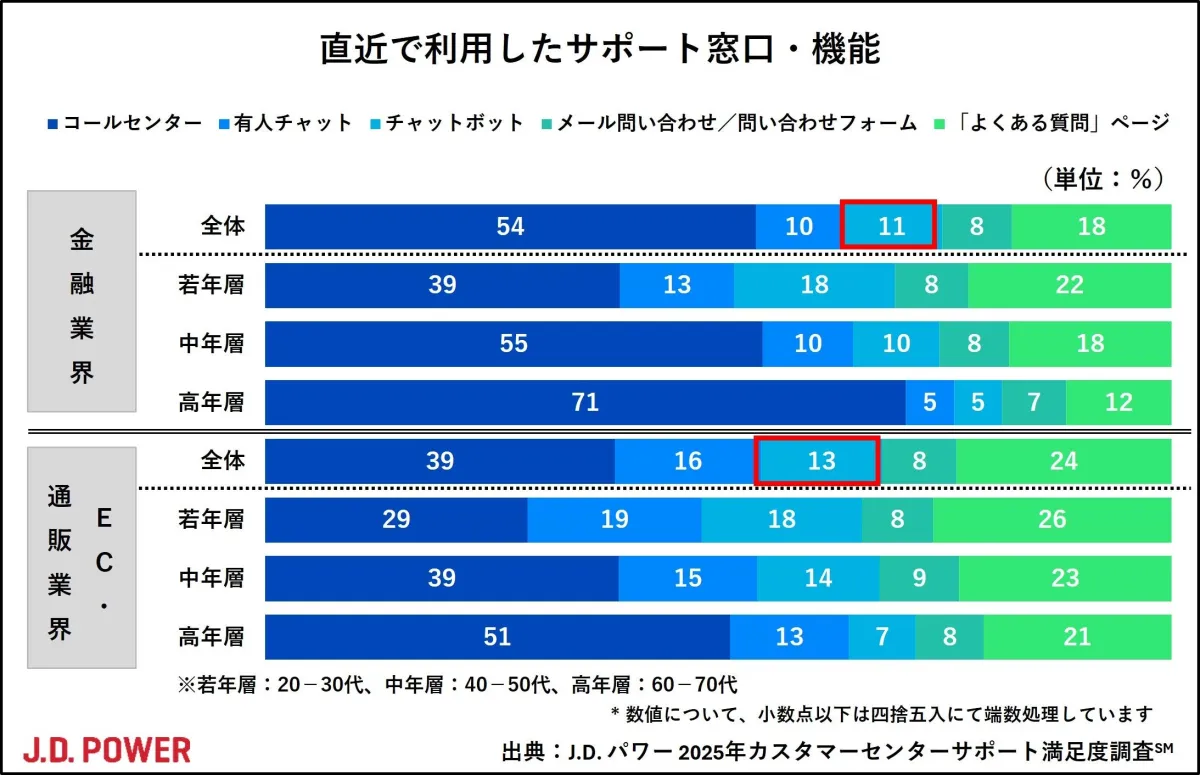
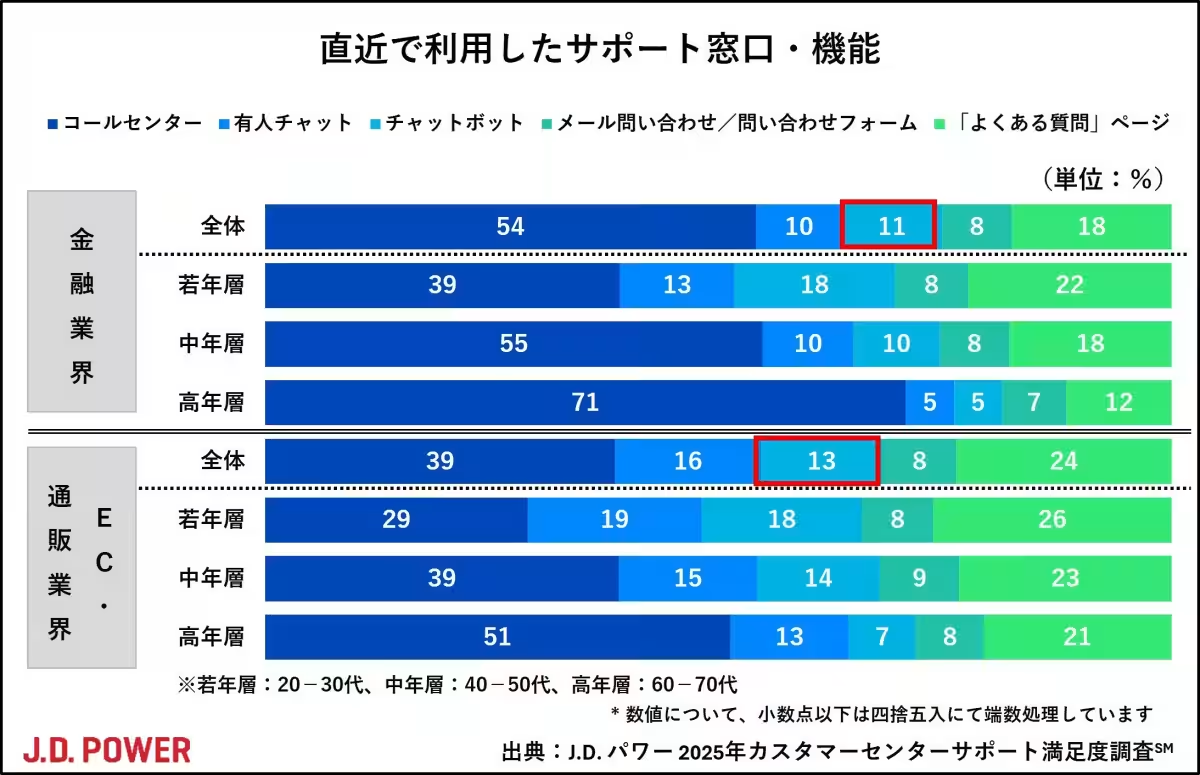
According to the latest findings from J.D. Power, the use of chatbots in customer service is steadily increasing, particularly among younger demographics. The 2025 Customer Center Support Satisfaction Study focused on customer support experiences in the financial and e-commerce sectors, revealing that close to 20% of younger users (ages 20-30) now utilize chatbots as their primary mode of communication. This trend marks a significant shift in service dynamics, highlighting the prevalence of automated support systems. In fact, the study indicates that 11% of respondents in the financial sector and 13% in e-commerce reported using chatbots for their most recent inquiries, with a notable increase in engagement among younger users compared to older demographics.
Despite their growing acceptance, older generations, especially those in their 60s and 70s, still predominantly rely on traditional call centers for support. In the financial sector alone, over 70% of older users favored telephonic support over chatbots. This preference signals a crucial area for improvement, as the disparity in satisfaction levels becomes increasingly apparent. While younger users seem to appreciate the convenience and speed offered by chatbots, older users report dissatisfaction stemming from inadequate responses and unclear guidance.
The Disconnect in Satisfaction Levels
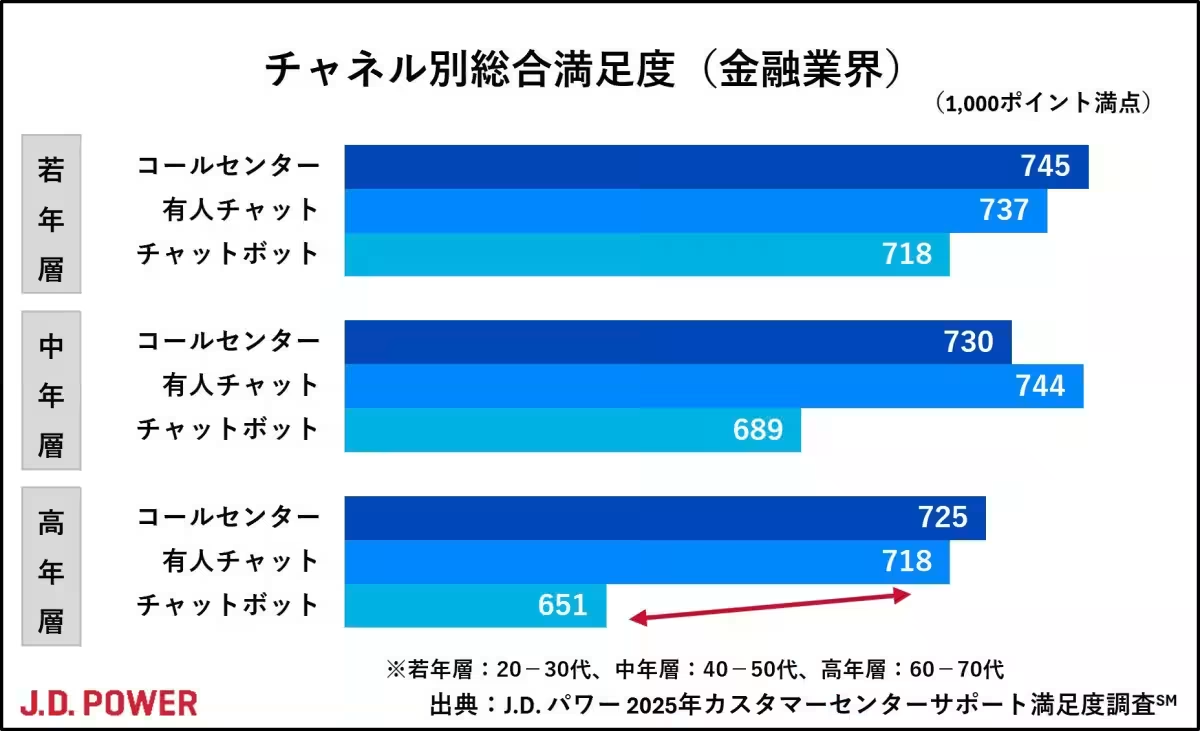
The satisfaction ratings for chatbots in the financial sector are notably lower compared to those for call centers and live chat. This disconnect is most evident among older customers who have engaged with chatbots. Specifically, factors such as the relevance of provided information and the time taken to address issues received lower satisfaction ratings from older users. Their experiences often reflect frustrations with insufficient information and a lack of clear instructions on follow-up actions, leading to a significant gap in satisfaction compared to their younger counterparts.
The study also explored preferences for future communication channels. When asked which methods users would prioritize for their next inquiries, results showed that younger users were more inclined toward chatbots, with 34% indicating a desire to continue using them. Conversely, only 23% of older users preferred chatbots, illustrating their inclination to revert to call centers instead. In fact, the likelihood of older users choosing call centers rose to 30%. This suggests that while technology evolves, a substantial portion of the population still gravitates toward more personal and direct forms of communication.
Future Considerations for Customer Service
As companies look to enhance customer service strategies with emerging technologies, the need to cater to various age groups becomes critical. The report anticipates a robust shift toward self-service channels, driven by advancements in AI and chatbot technologies. However, addressing the specific needs and preferences of older users should be a priority for successful implementation.
One recommendation includes improving chatbot functionalities to ensure clarity and comprehensive responses that align with users' expectations. Enhancing navigation aids and offering seamless transitions to live agents or call centers when chatbot resolutions prove inadequate could significantly improve satisfaction rates.
Customer Satisfaction Rankings Highlighting Top Performers
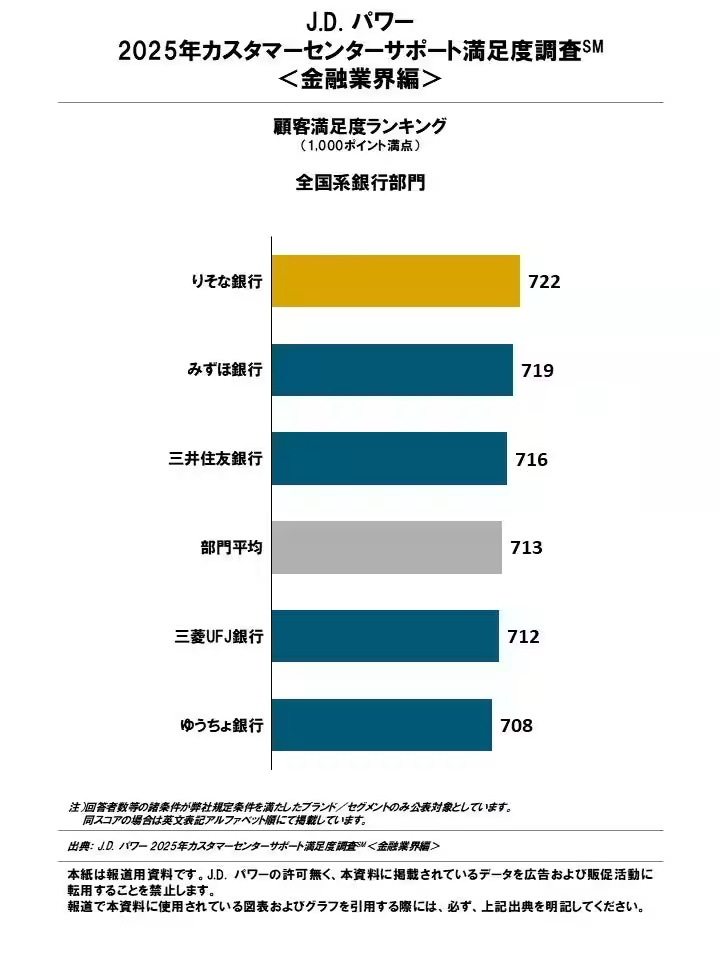
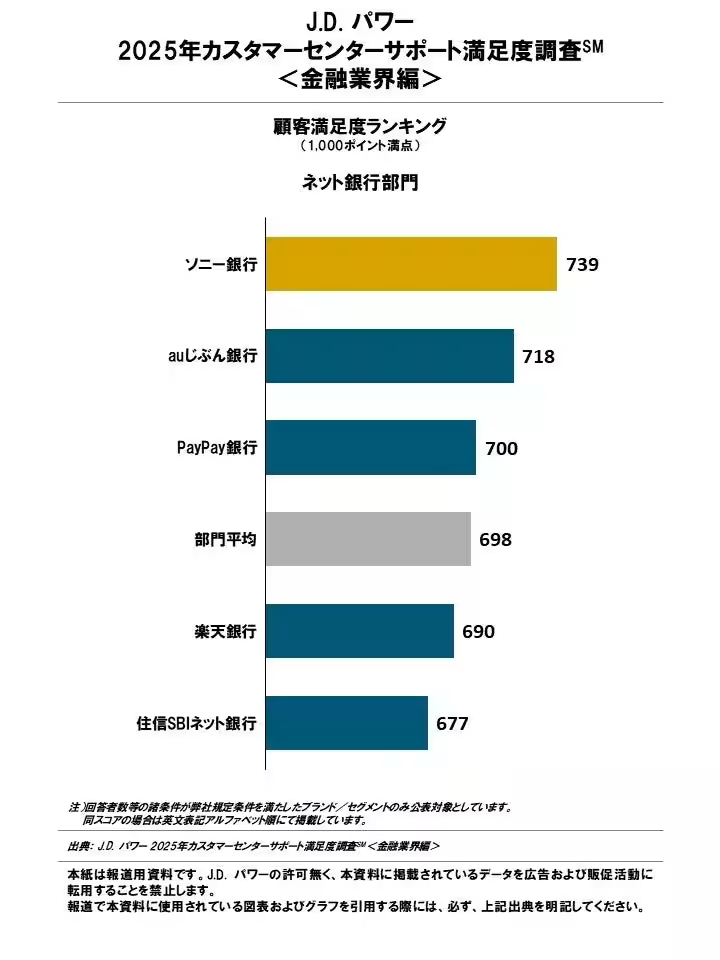
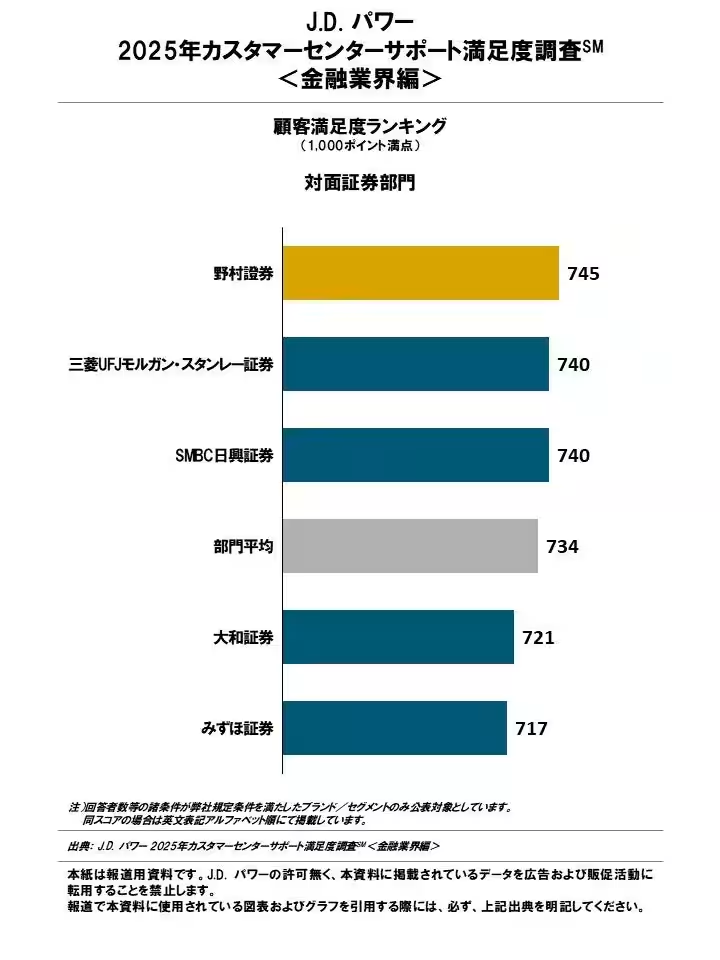
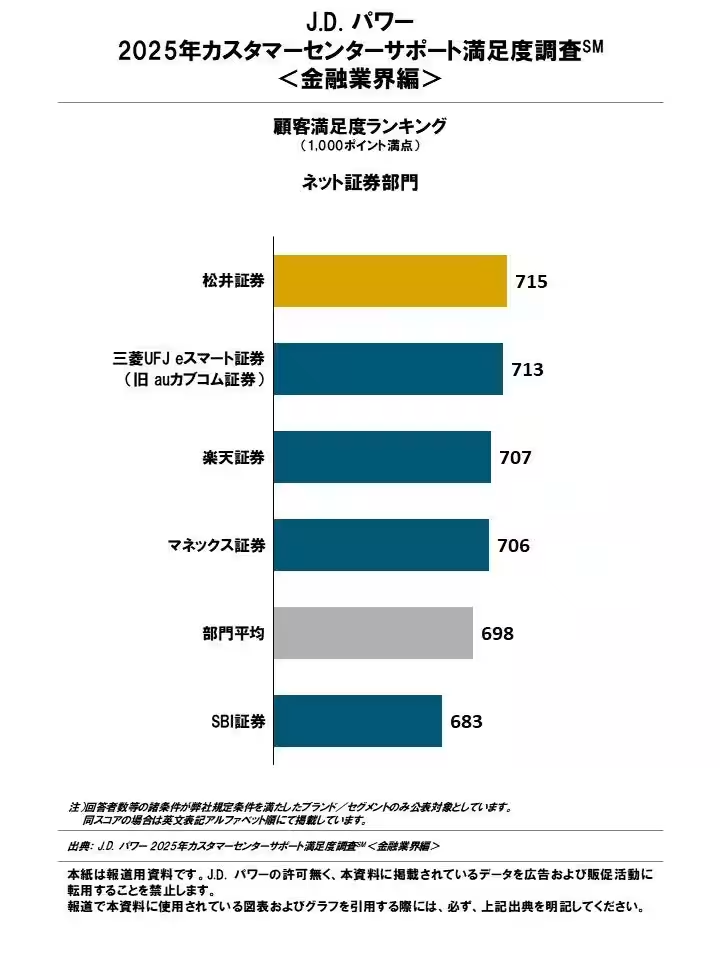
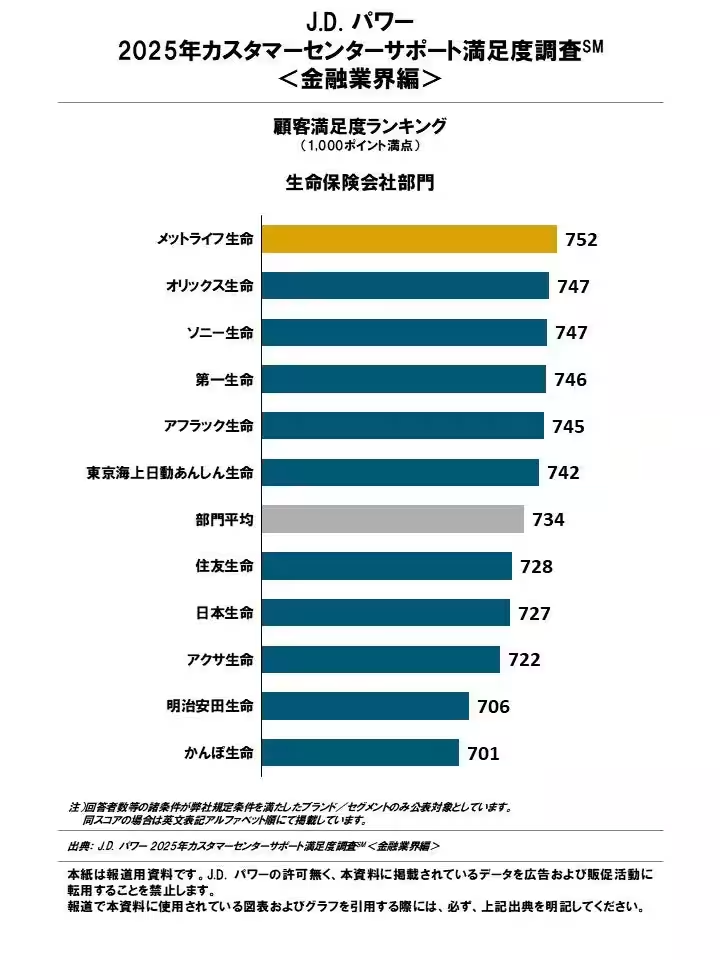
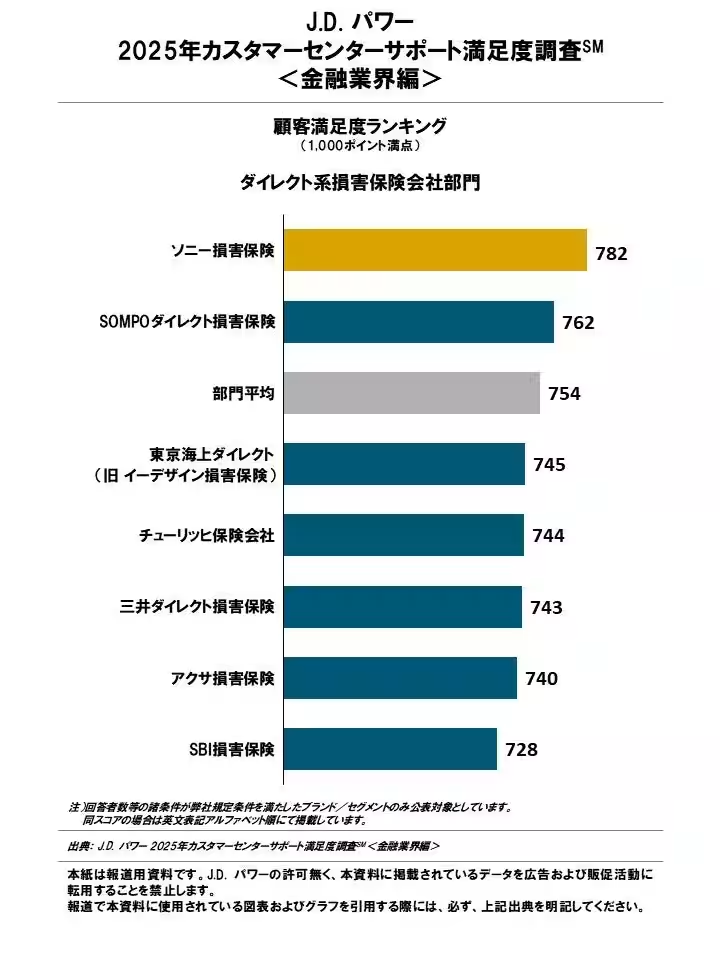
Alongside insights on chatbot usage, the J.D. Power study also released rankings highlighting customer satisfaction across various sectors. In the financial industry, Resona Bank topped the rankings in the national bank segment, receiving accolades for ease of use and responsiveness. In the online banking sector, Sony Bank retained its top position for the fifth consecutive year.
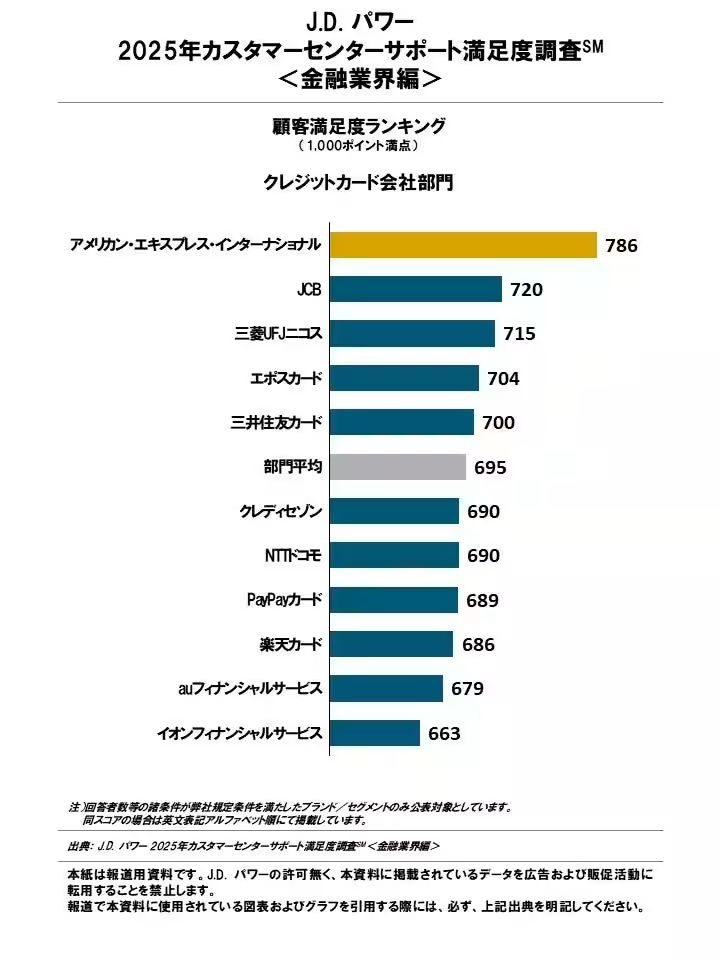
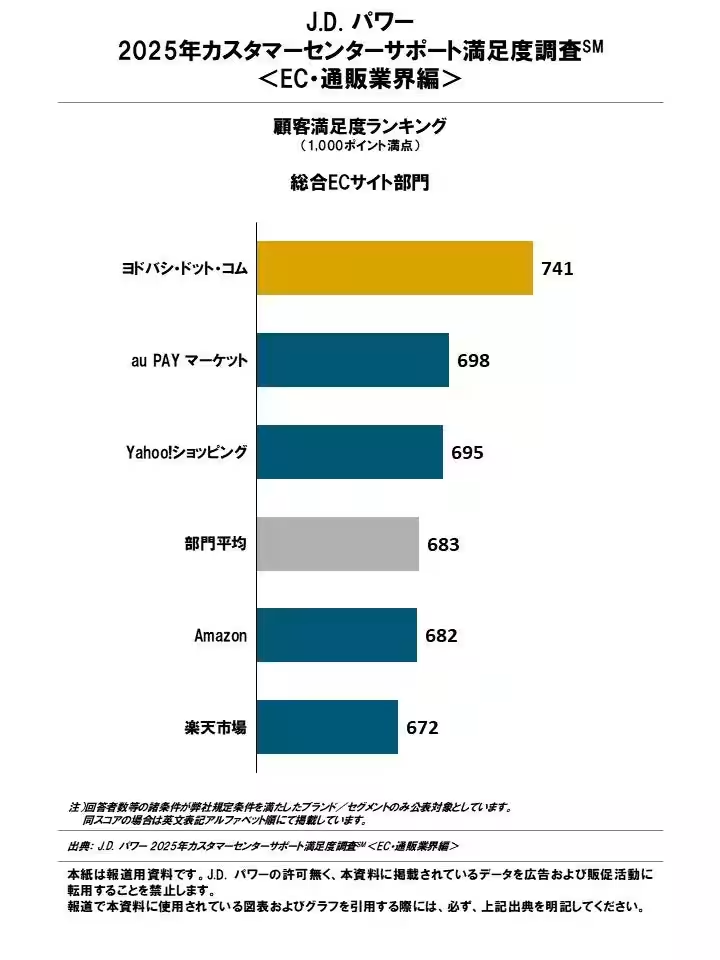
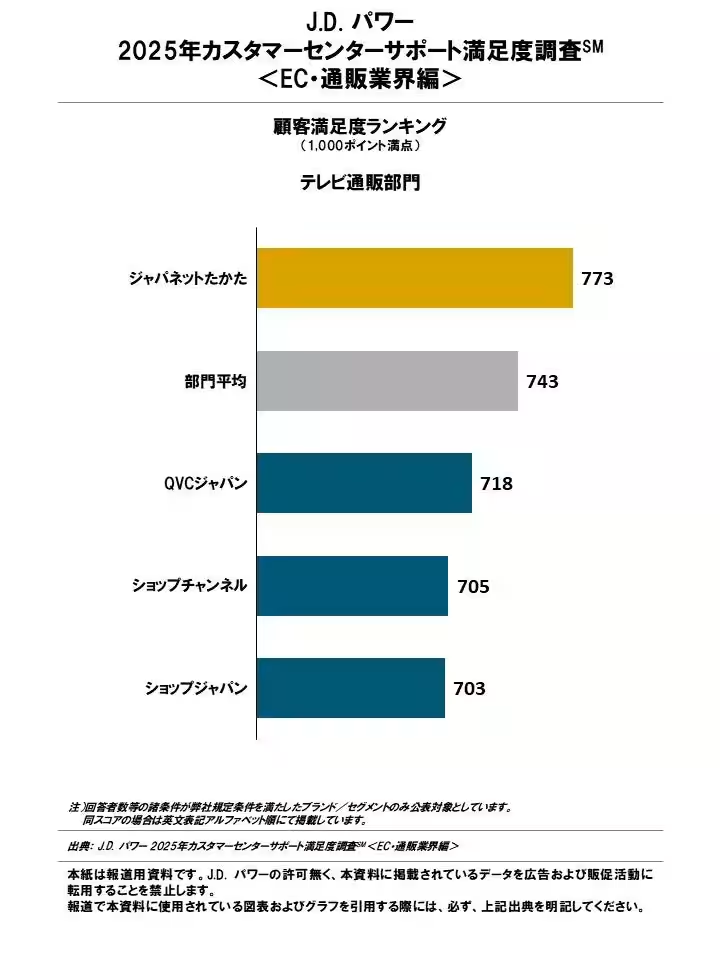
The comprehensive rankings serve as a valuable benchmarking tool for organizations aiming to enhance their service quality and customer engagement strategies. Providing insights into user expectations and satisfaction factors can guide businesses in adjusting their customer service approaches, ensuring they meet the diverse needs of their clientele.
Conclusion
In summary, while the adoption of chatbots represents a modernization of customer support services, understanding the differing expectations and satisfaction levels among age groups is essential. Companies must balance technological advancements with the need for clear and effective communication. As they forge ahead, prioritizing user experience across demographics will be vital for achieving sustained customer satisfaction and loyalty in an evolving marketplace.






Topics Consumer Products & Retail)
【About Using Articles】
You can freely use the title and article content by linking to the page where the article is posted.
※ Images cannot be used.
【About Links】
Links are free to use.