



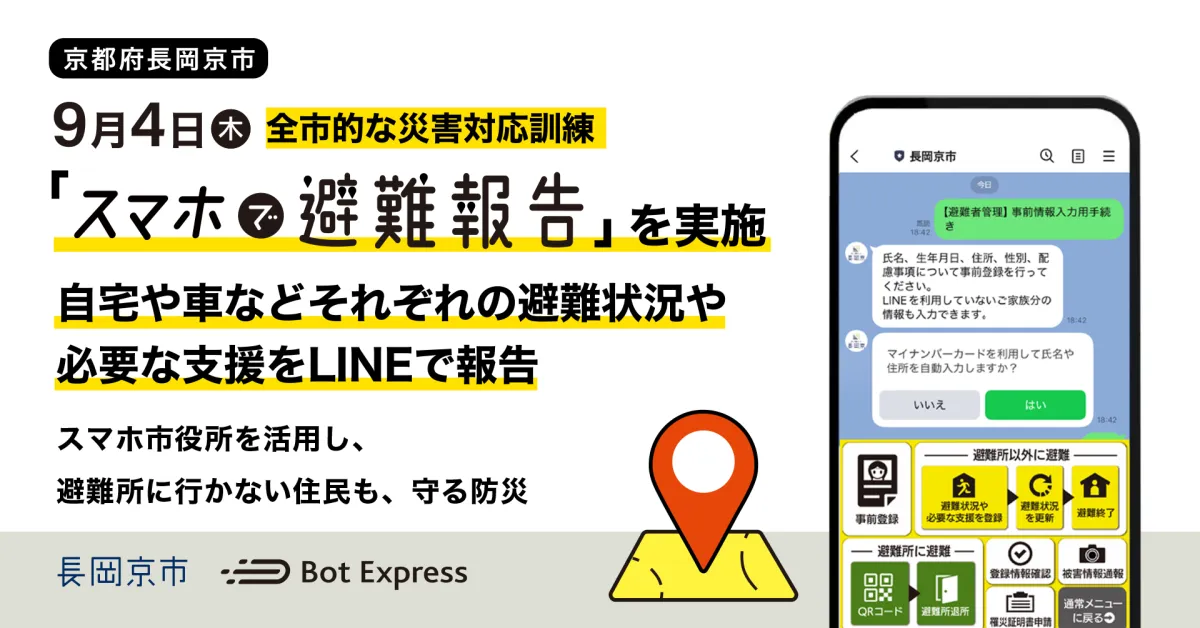
How Nagaokakyo City is Utilizing Technology for Disaster Preparedness Training
Nagaokakyo City's Innovative Disaster Response Training
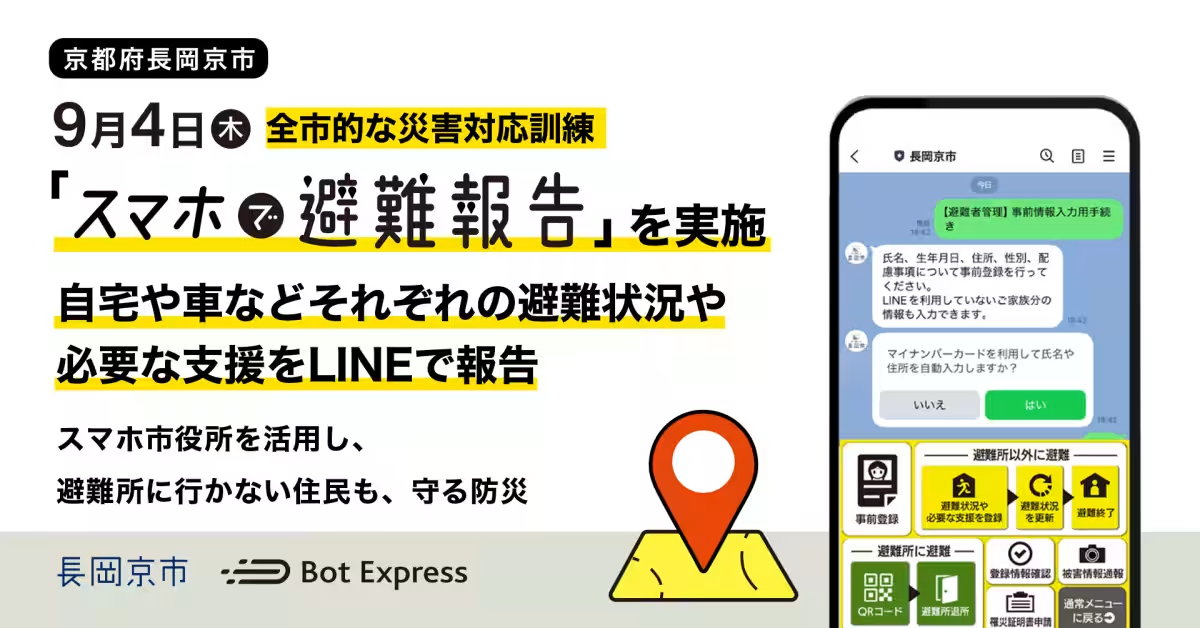
On September 4, Nagaokakyo City in Kyoto Prefecture is set to conduct a comprehensive disaster response training exercise titled "Smartphone Evacuation Reporting." This initiative aims to use the popular messaging app LINE to allow residents to report their evacuation status and any necessary support needed during a disaster. The operation has the backing of Bot Express, a Tokyo-based company specializing in digital solutions for government services.
Concept and Objectives
In light of recent disaster patterns, the training recognizes that many residents, particularly the elderly or those with small children, may prefer to stay at home or in their cars rather than evacuate to designated shelters. As a response, the training will test the effectiveness of utilizing digital platforms to monitor and assist those evacuated from non-traditional shelters. Nagaokakyo City has a robust presence on LINE, with a friend count exceeding the local population and over 70% of those users being active participants receiving city services.
The training aims to validate how effectively the local government can identify and support residents who are not in formal evacuation centers, especially since a recent revision to disaster management laws emphasizes the need for assistance to all affected individuals, regardless of their location during a crisis.
Training Details
The training is scheduled for 9 AM to noon on September 4, 2025, at the Nagaokakyo City Hall and Kamikazu Community Center. It involves the city's disaster management and digital strategy departments along with Bot Express, focusing on the reported situation of residents who may be sheltering elsewhere.
Training Flow
1. A message will be sent via LINE to all 104,000 registered users informing them that the training is starting.
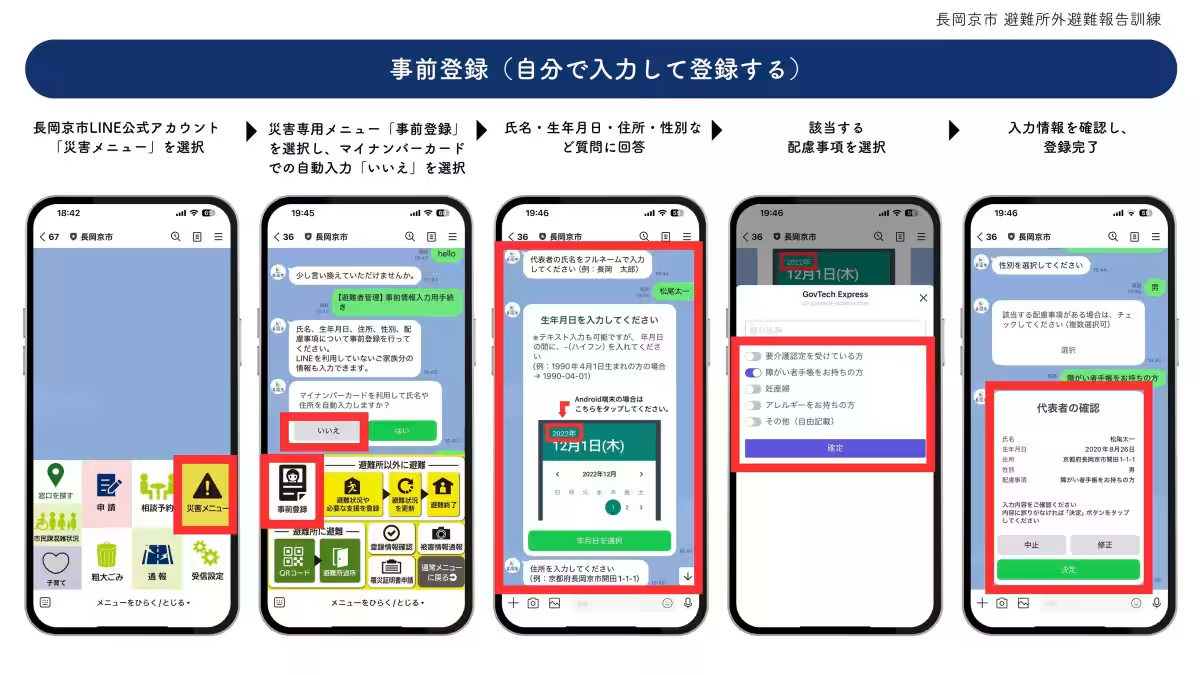
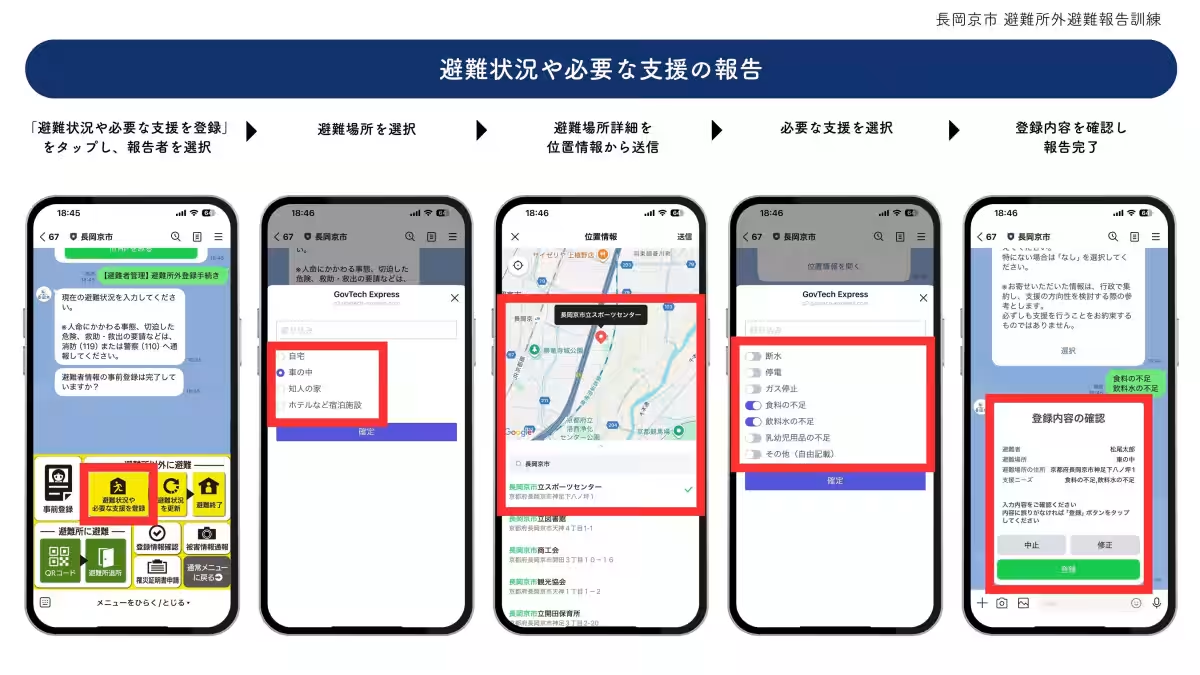
2. Citizens will report their names, addresses, evacuation statuses, and any needed supplies via LINE.
3. The Disaster Response Headquarters at city hall will review this information.
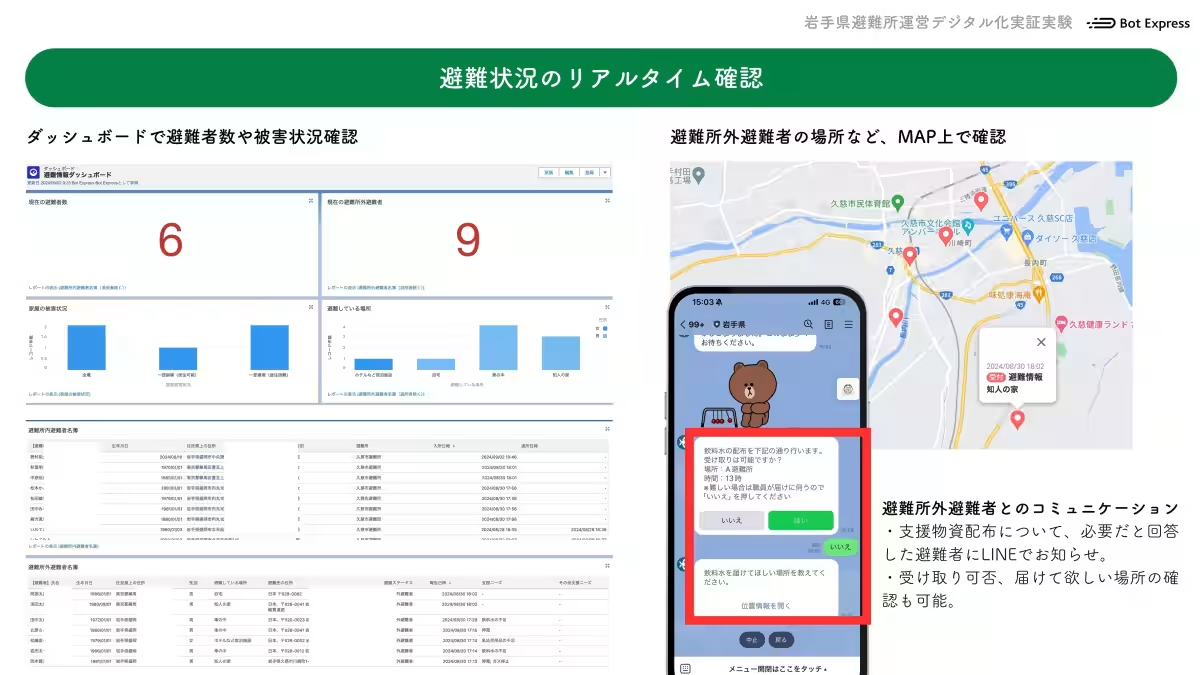
4. Based on the input, the city will notify individuals at other public facilities about logistics such as supply delivery points.
Utilizing Technology
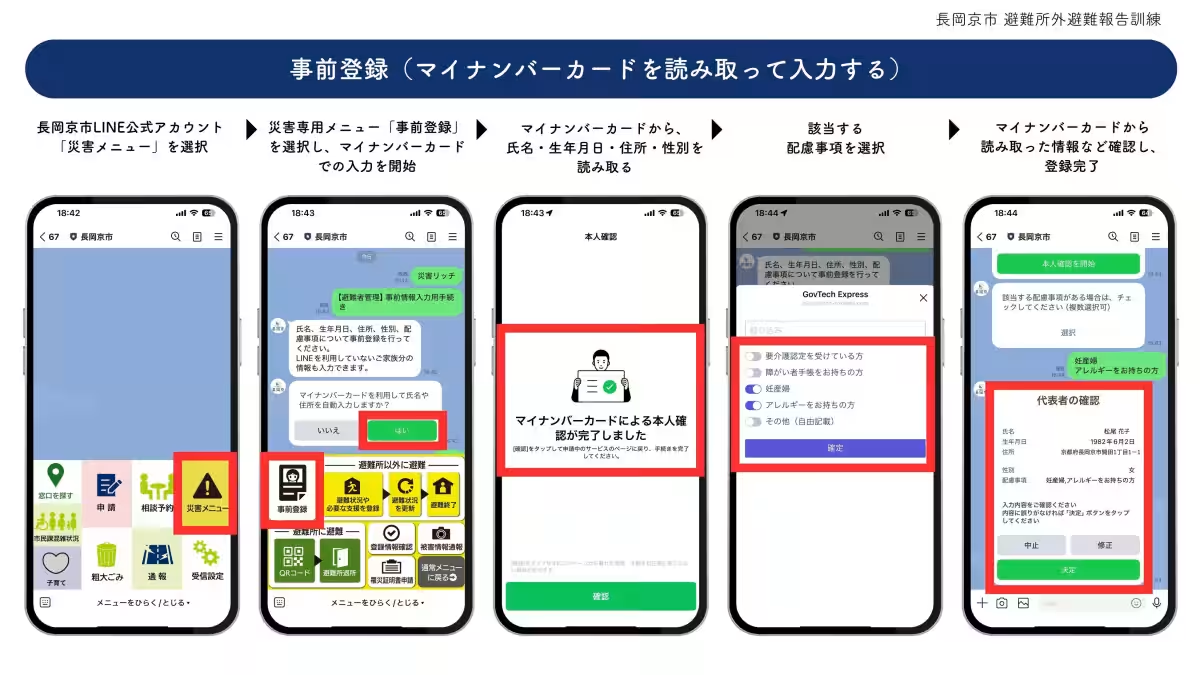
The training will also utilize My Number Cards, which allow for easy input of personal data when held near a smartphone, ensuring smooth participation even for those less comfortable with technology. The training is designed to make the process as user-friendly as possible, promoting swift access to the available support.
Digital Tools in Action
The measures outlined will not only enhance communication during a disaster but will also strengthen the data-gathering capabilities of the local government, enabling real-time assessments and quicker responses as situations change. Residents can report damage and request assistance through photographs and location data submitted via LINE, facilitating immediate understanding of the scope of impacts.
Comments from Local Officials
Akira Kakihara, the city’s crisis management officer, emphasized the crucial role digital technology plays in disaster response. He acknowledged that previous disasters highlighted the urgent need for effective tracking of residents in untraditional shelters, as doing so is essential for preventing disaster-related deaths and facilitating return to normalcy.
Kakihara also pointed out that leveraging the existing LINE accounts for more than 100 city services is a promising avenue for bridging communication gaps during emergencies.
Future of Disaster Preparedness
Bot Express, through its platform GovTech Express, is committed to establishing a disaster system that ensures no one is left behind. The organization has outlined comprehensive phases to manage information dissemination during disasters, engagement of local government employees, and aid to affected populations. The positive outcomes from this training could shape policies and discussions around disaster preparedness, setting precedence for other cities.
In conclusion, Nagaokakyo City is at the forefront of integrating technology and emergency management. By harnessing platforms that residents are familiar with, the city not only aims to improve its response capabilities but also fosters a community where preparedness for disasters becomes a shared responsibility.

Topics Other)
【About Using Articles】
You can freely use the title and article content by linking to the page where the article is posted.
※ Images cannot be used.
【About Links】
Links are free to use.