



TCB Hosts Sign Language Classes for Healthcare Workers in Fukushima Ahead of Deaflympics
TCB's Initiative for Sign Language Education in Healthcare
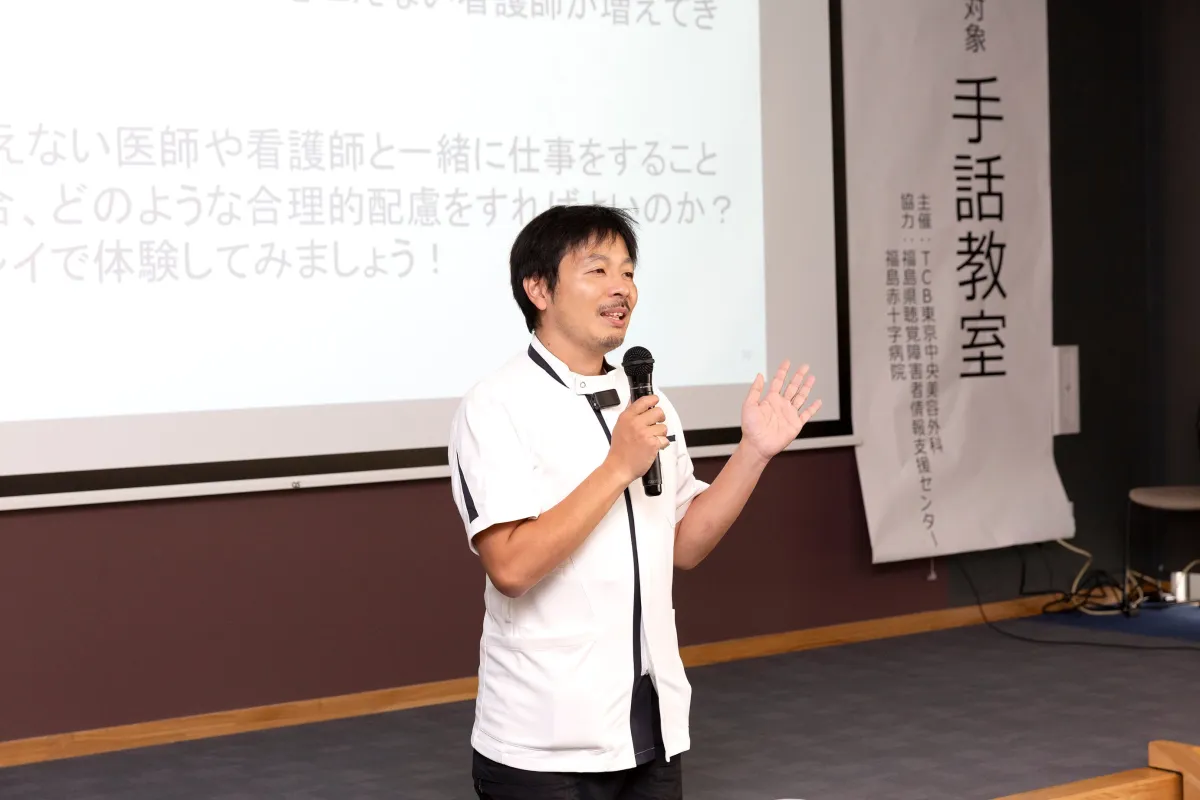
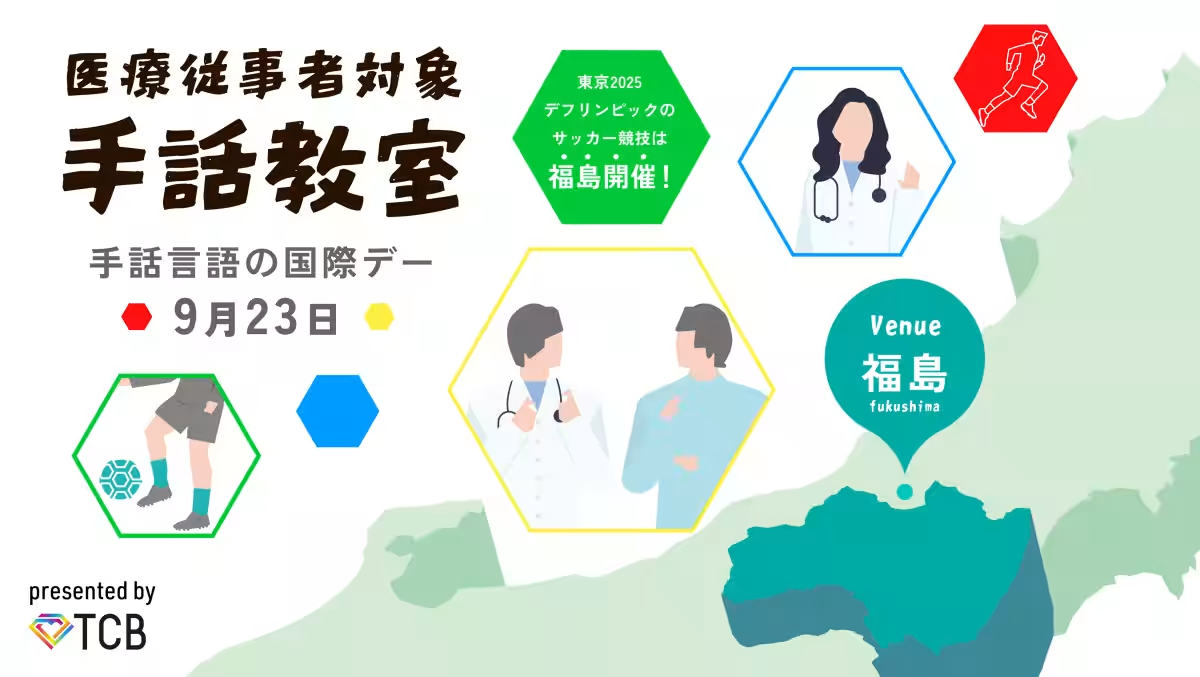
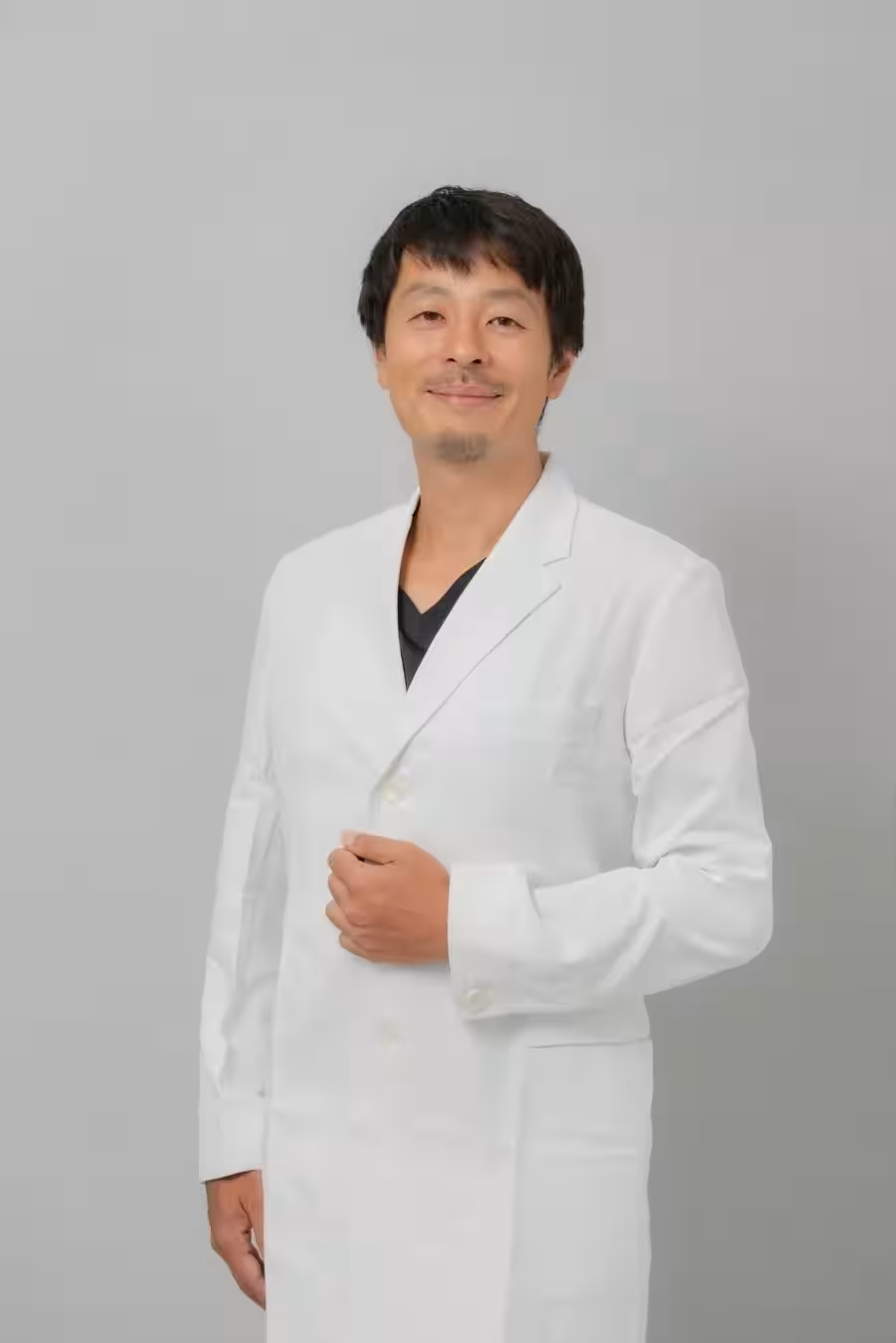
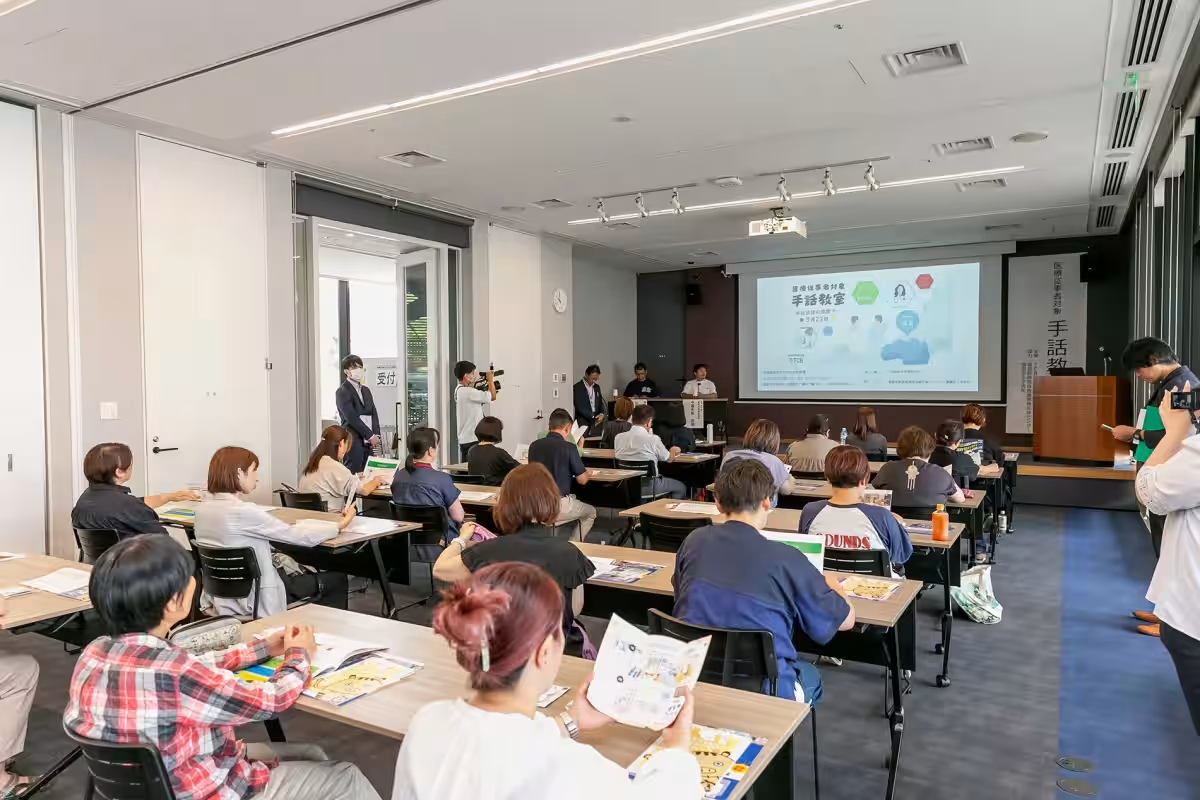
As the Deaflympics approach, TCB Tokyo Central Aesthetic Clinic, led by Chairman Hiroki Teranishi, organized a vital sign language course for healthcare workers in Fukushima on September 23, recognized as International Day of Sign Languages. This initiative aims to enhance communication between healthcare providers and the deaf community, particularly in light of the upcoming Deaflympics to be held in the region.
The Training Session
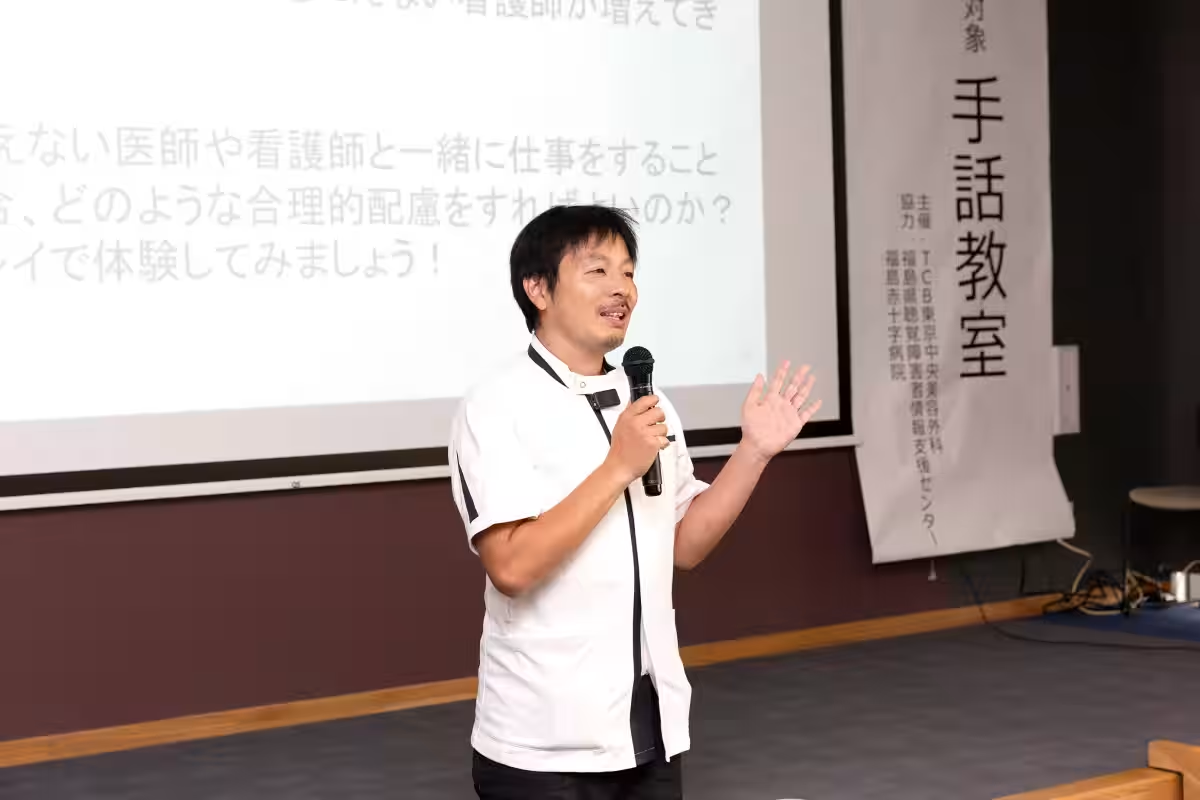
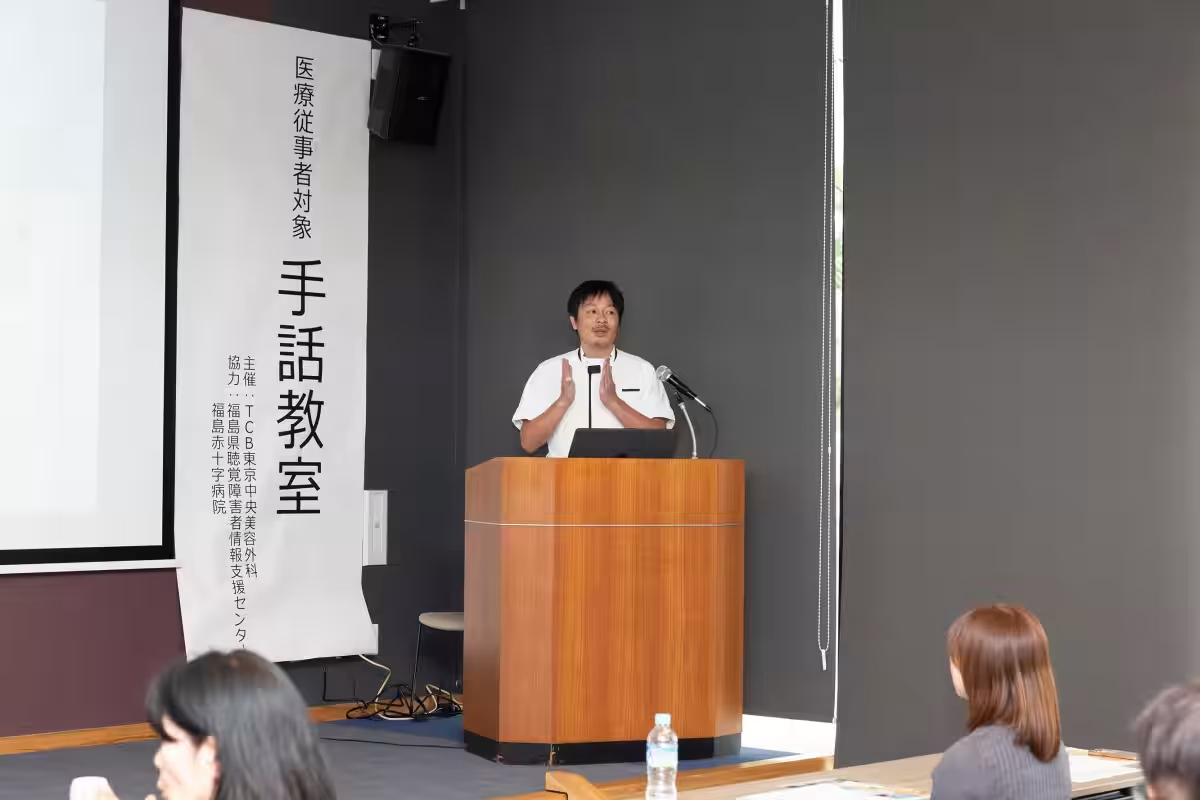
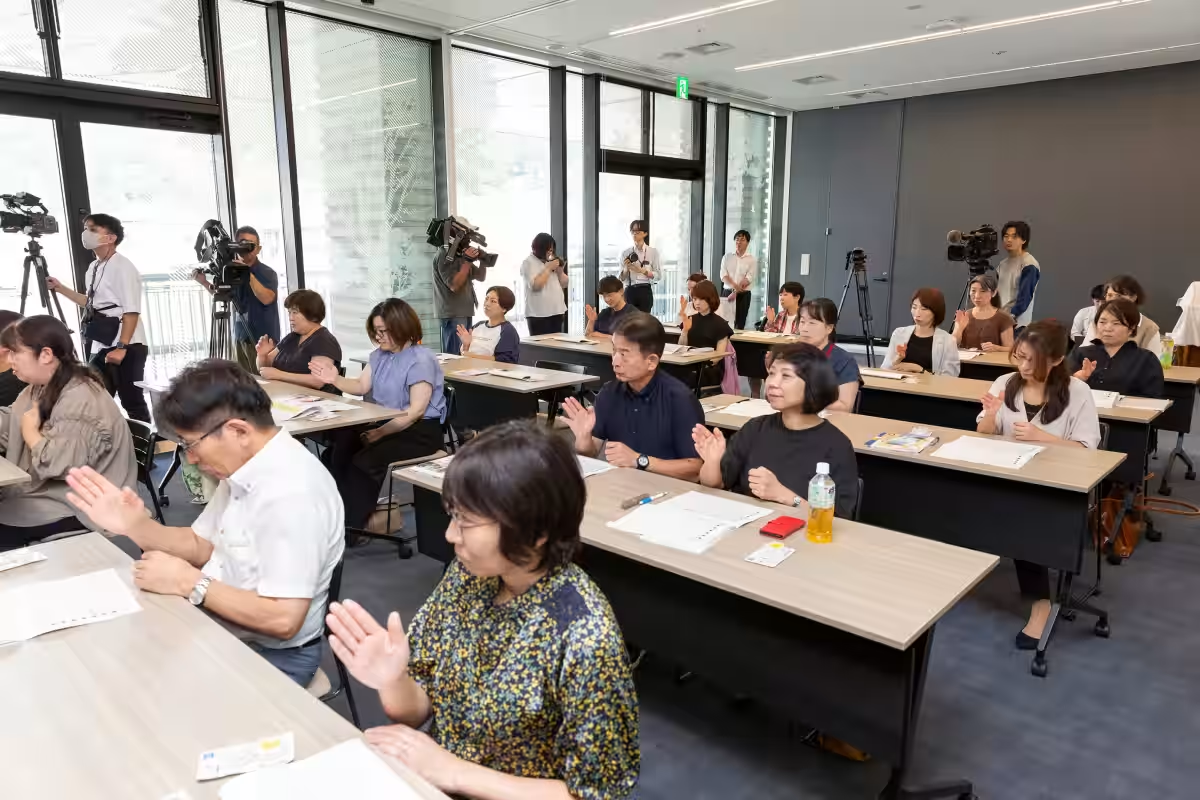
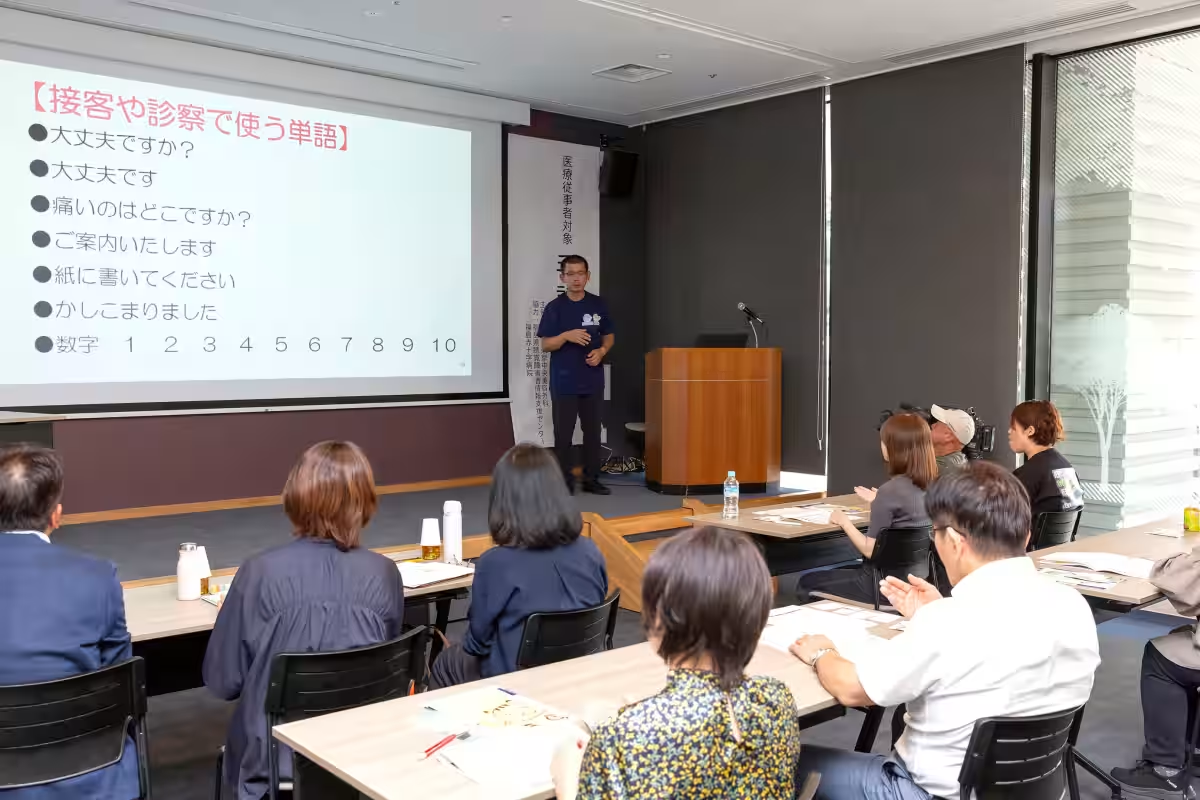
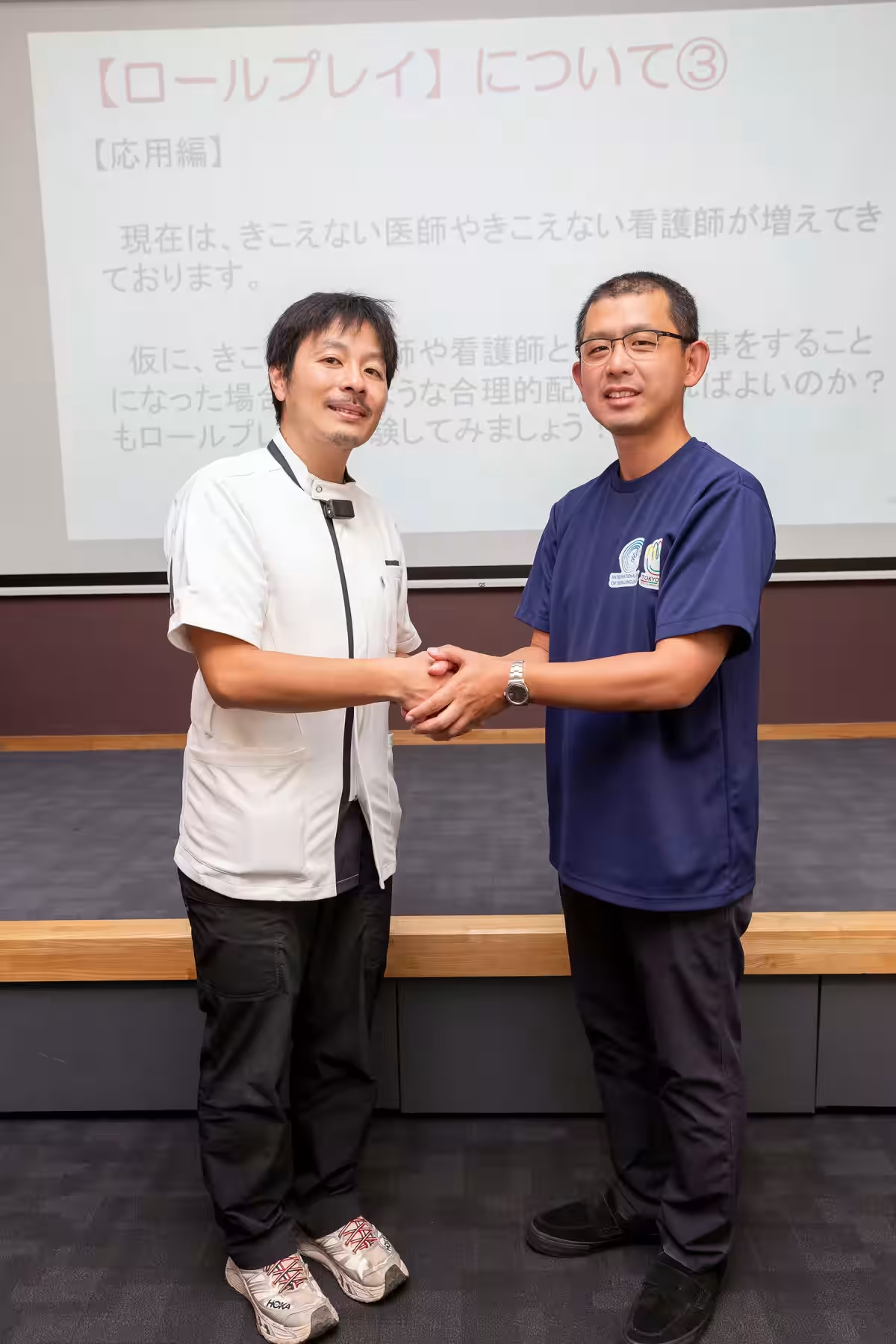
Around 20 participants, including doctors and nurses, attended the sign language workshop at Fukushima Red Cross Hospital. The session was expertly conducted by Dr. Hideki Nakazono, an otolaryngologist at TCB, who shared his experiences about utilizing sign language in medical settings. He discussed the unique challenges that deaf and hard-of-hearing patients face, explaining that sign language can bridge the gap not only for those who cannot hear but also for those who struggle to speak.
Dr. Nakazono emphasized the importance of communication, stating, “Like when learning English, it's not about achieving perfection in sign language. It’s about fostering communication. It’s okay to make mistakes.” His remarks were designed to alleviate any psychological barriers healthcare workers might feel toward learning sign language.
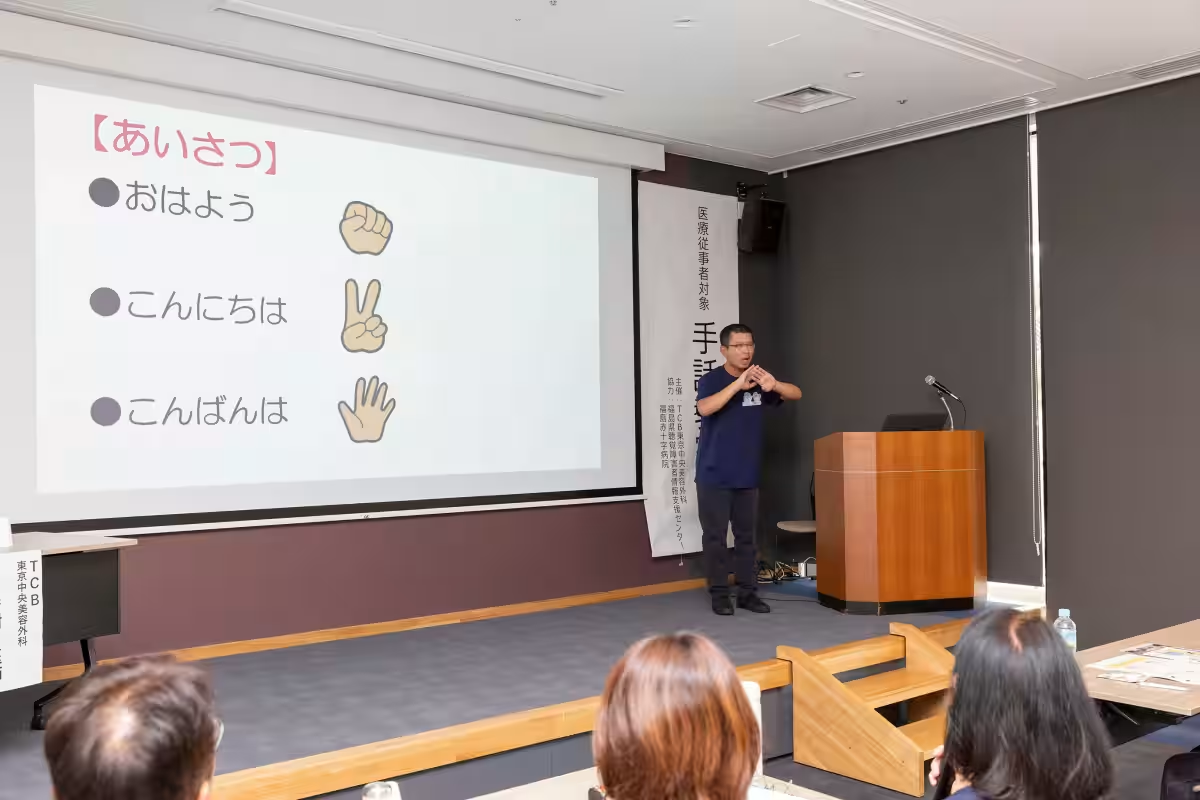
Following his lecture, Yamada Naoto, the director of the Fukushima Prefecture Hearing Impairment Information Center, further demonstrated useful signs for greetings such as 'Good Morning' and 'Hello', along with essential medical vocabulary necessary for interactions in hospitals.
Raising Awareness and Understanding
Data shared during the session revealed that as of April 1, 2024, there are 6,682 individuals with hearing and balance impairments in Fukushima, yet only about 700 use sign language—approximately 10%. Many of these individuals experience communication difficulties, especially regarding hospital announcements and public transportation, highlighting a significant gap that the workshop aimed to address.
Additionally, specific challenges faced during emergencies were discussed, such as reliance on auditory information conveyed via sirens and disaster warning systems, which can disproportionately impact the deaf community. The issues of accessing medical assistance and communication barriers during the COVID-19 pandemic—where mask-wearing hindered lip-reading—were also brought to light, providing critical insight into everyday experiences of deaf individuals.
Role-Playing Exercises
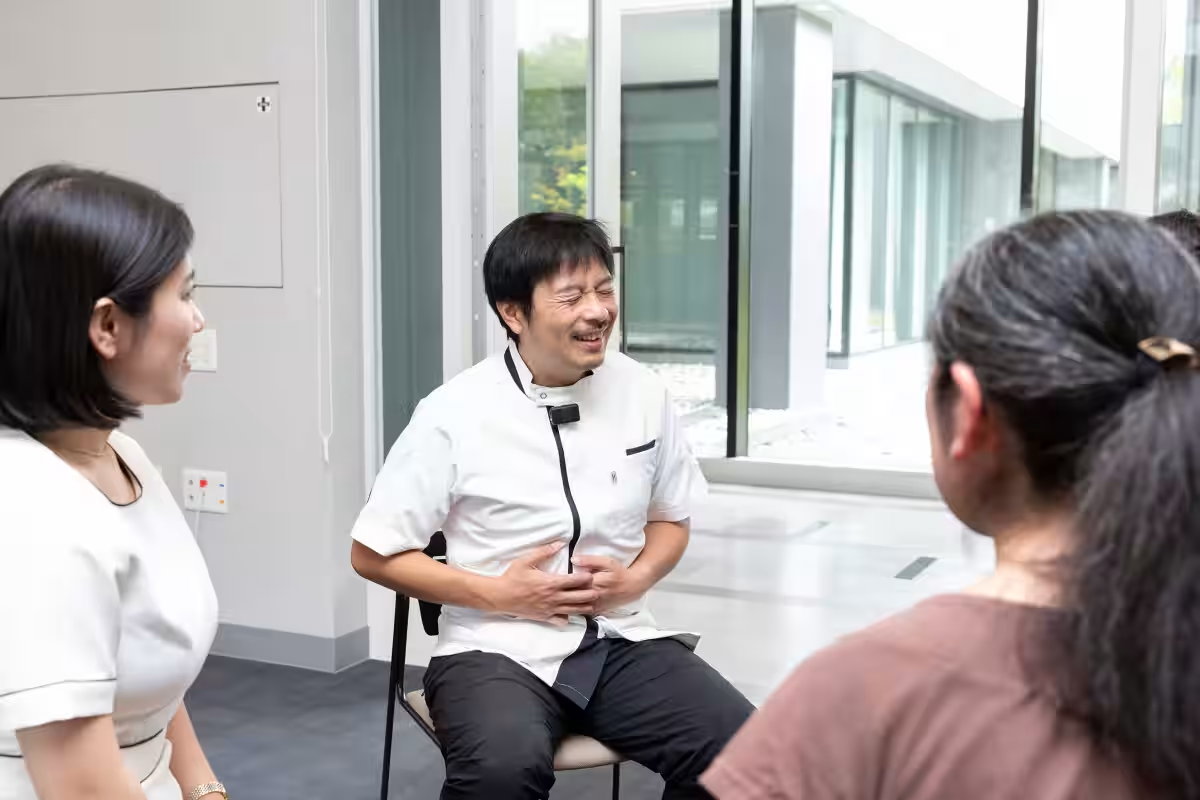
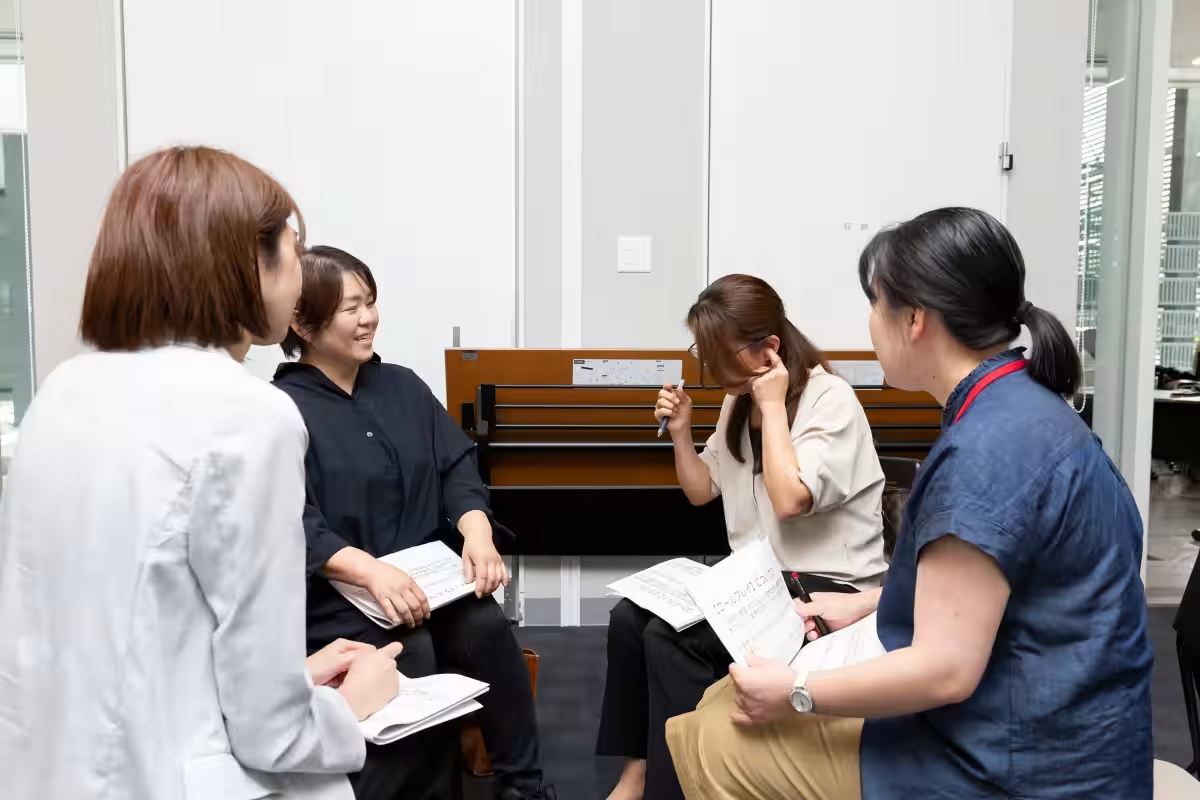
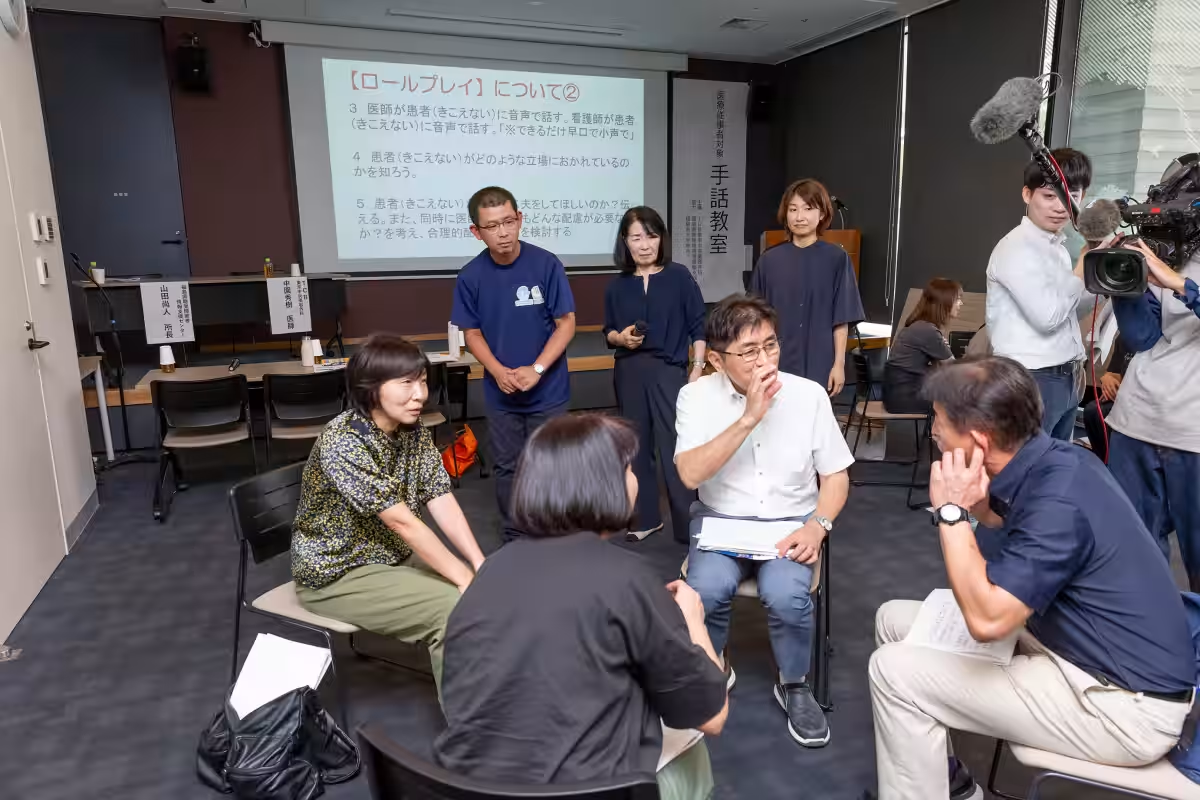
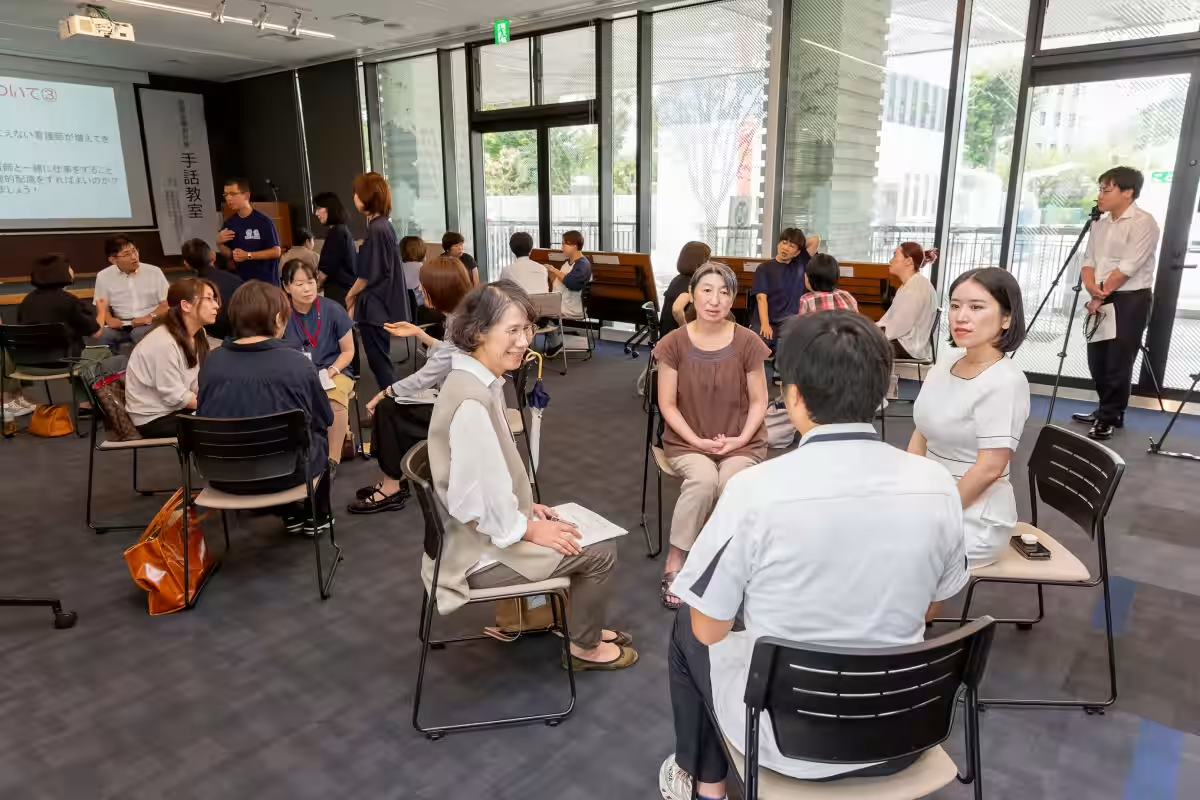
Participants engaged in role-playing exercises, divided into groups of four. They assumed the roles of doctors, nurses, and hard-of-hearing patients in various hospital scenarios, encouraging them to discuss the potential difficulties and accommodations that would be necessary. This hands-on experience was crucial for enhancing their understanding of the communication needs of deaf patients.
Concluding with Sign Language Applause
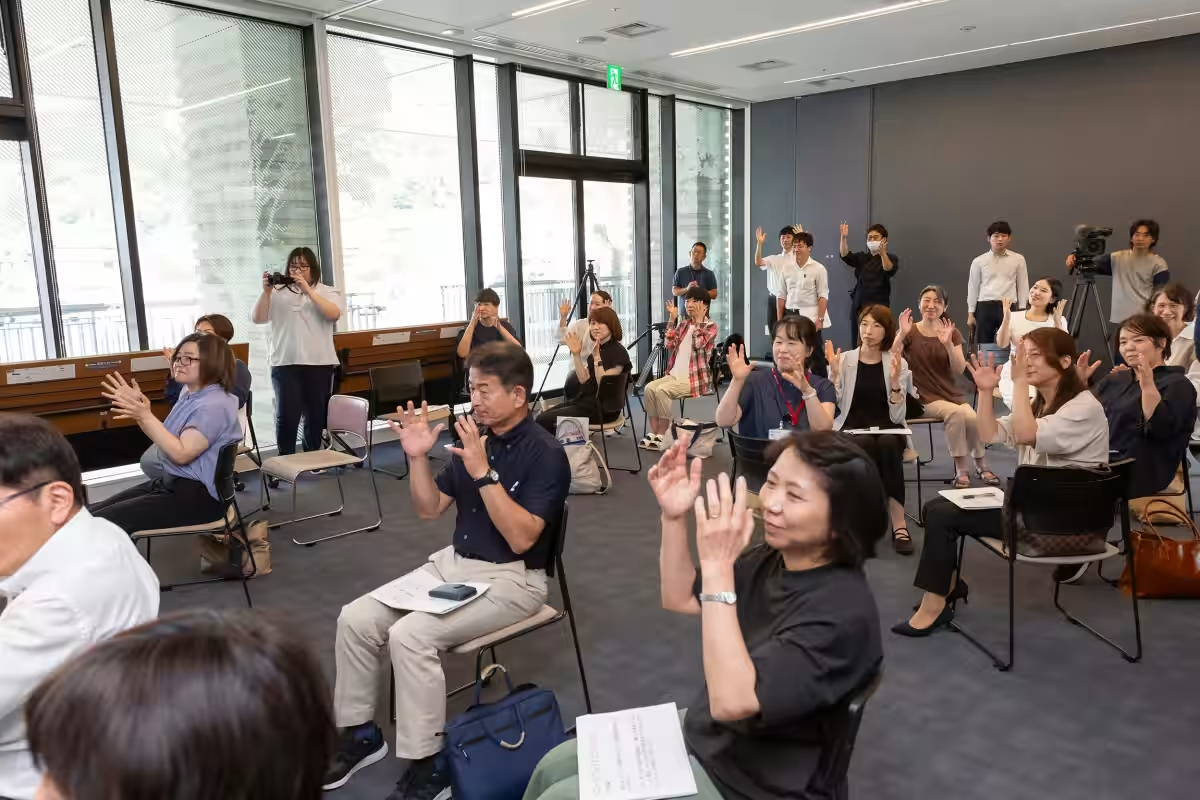
The session concluded with a unique gesture—participants expressed their appreciation with a sign language applause, raising their hands and waving them in a universal sign of support, symbolizing unity and respect for the deaf community.
Media Coverage of the Event
The event received attention from various media outlets, including Fukushima Television and TUF Television, both highlighting the importance of communication in medical settings and the pending
Topics Other)
【About Using Articles】
You can freely use the title and article content by linking to the page where the article is posted.
※ Images cannot be used.
【About Links】
Links are free to use.