




A Generational Comparison of Handkerchief Use: What Do Millennials and Gen Z Now Carry?
A Generational Comparison of Handkerchief Use
In a fascinating exploration of changing social norms, Blooming Nakanishi conducted a detailed survey to understand how attitudes towards grooming and essential items like handkerchiefs differ across three generations: Showa, Heisei, and Reiwa. As our lifestyles evolve with technological advancements such as smartphones and cashless payments, the contents of our bags are also subject to change. This study illustrates how these shifts reflect the cultural influences of each generation.
Study Overview
Methodology
The survey, titled "A Comparison of Grooming Consciousness and Handkerchief Usage by Generation," was conducted from February 18 to 19, 2026, utilizing the PRIZMA internet survey platform and gathering responses from 1,013 individuals aged 20 from the three generations:
- - Showa (338 participants)
- - Heisei (336 participants)
- - Reiwa (339 participants)
Key Findings
- - Decrease in Handkerchief Usage: The percentage of individuals who carry handkerchiefs drops significantly with each generation:
- Heisei: 66.7%
- Reiwa: 52.2%
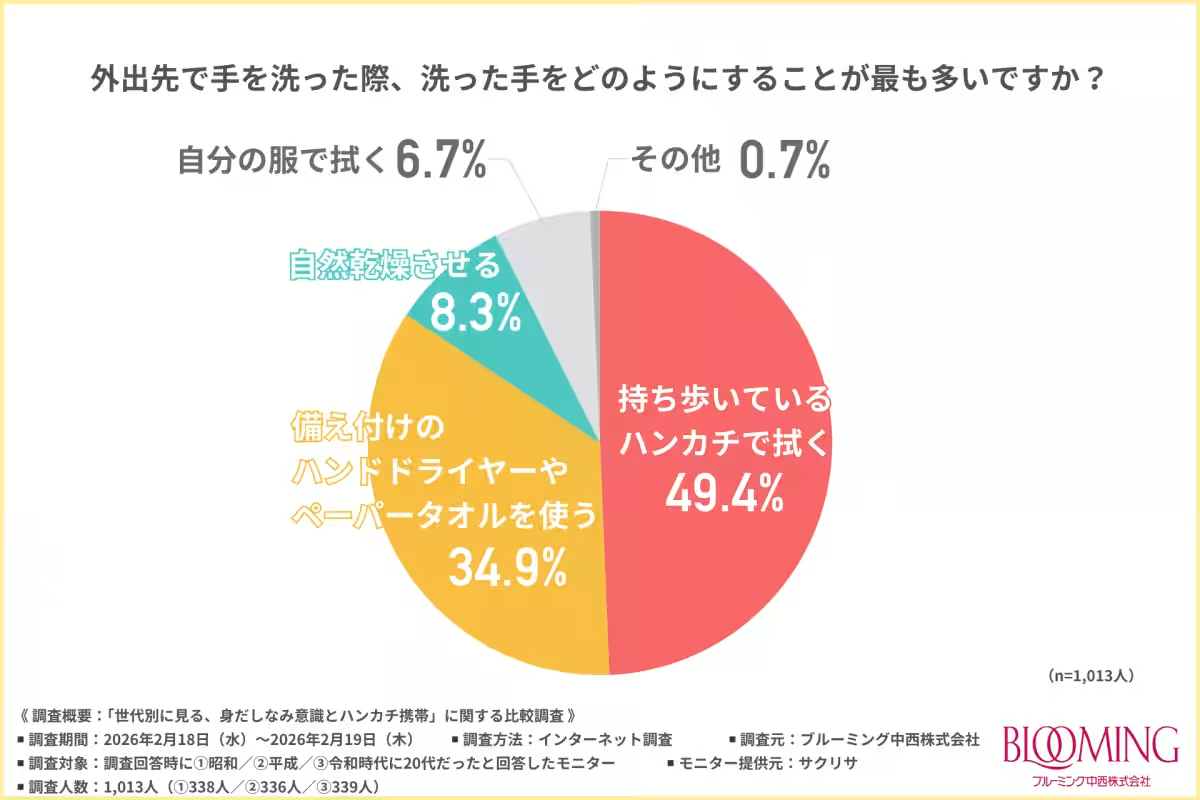
- - Post-Handwashing Habits: Nearly half (49.4%) prefer to dry their hands with a handkerchief after washing, while 34.9% utilize facilities available such as hand dryers or paper towels.
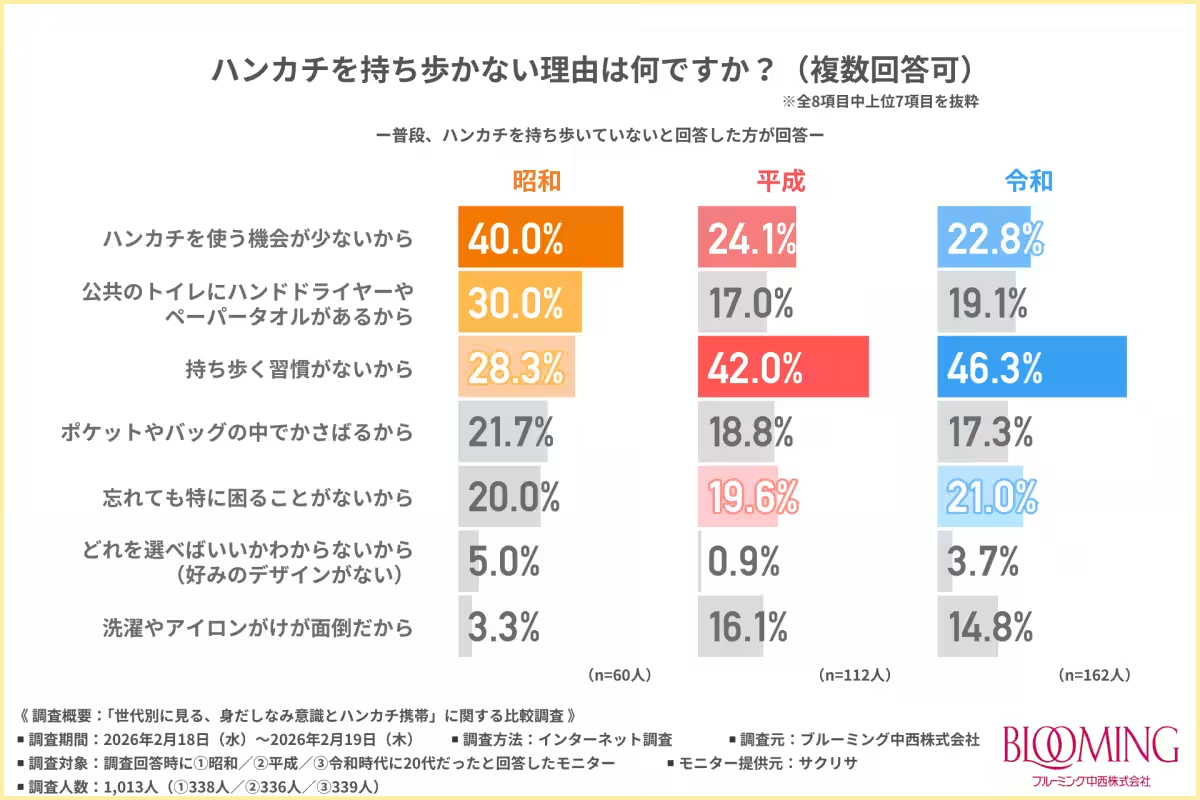
- - Reasons for Not Carrying Handkerchiefs: The most common justification among younger generations (Heisei and Reiwa) for not carrying handkerchiefs is a lack of habit, contrasted with the Showa generation’s concern over practical use and available facilities.
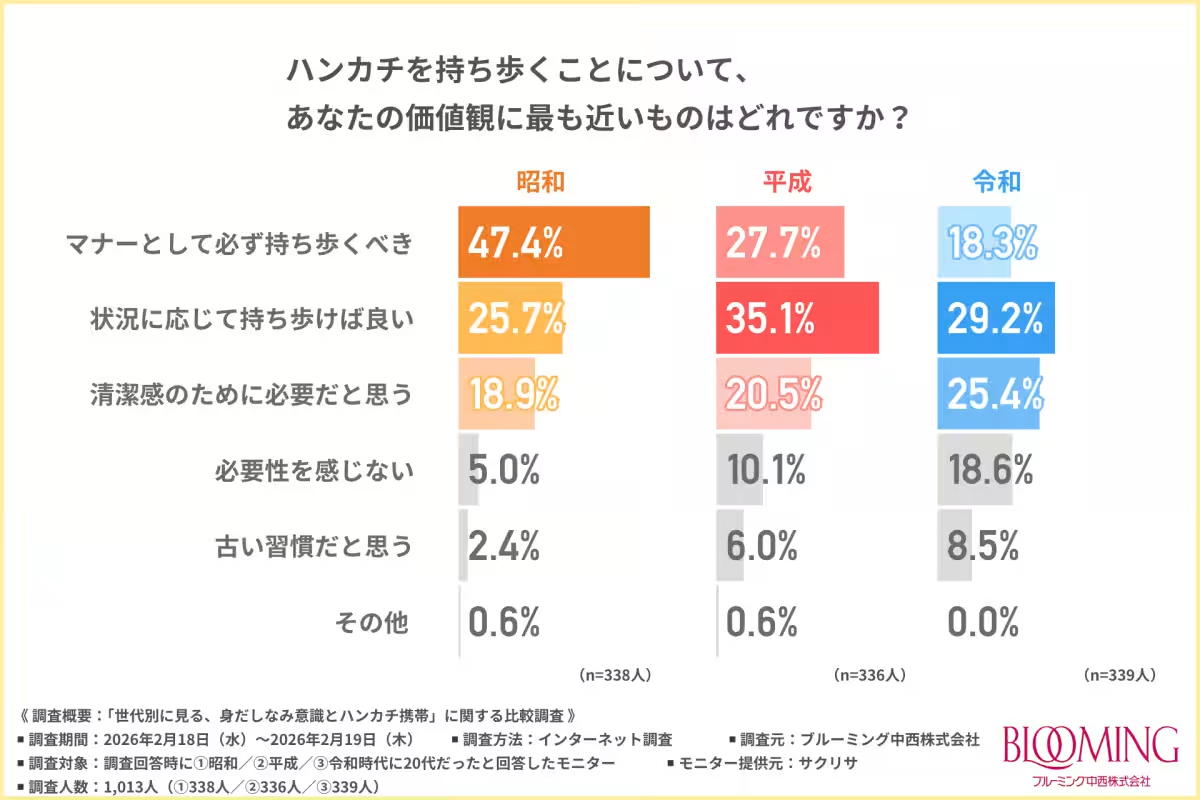
- - Changing Perceptions: The value associated with handkerchiefs has shifted from being strictly a matter of etiquette in the Showa era to being situationally dependent and focused on cleanliness in the Heisei and Reiwa generations.
Essential Items While Out
When respondents were asked about their essential items carried during outings, the results indicated a strong preference for practicality:
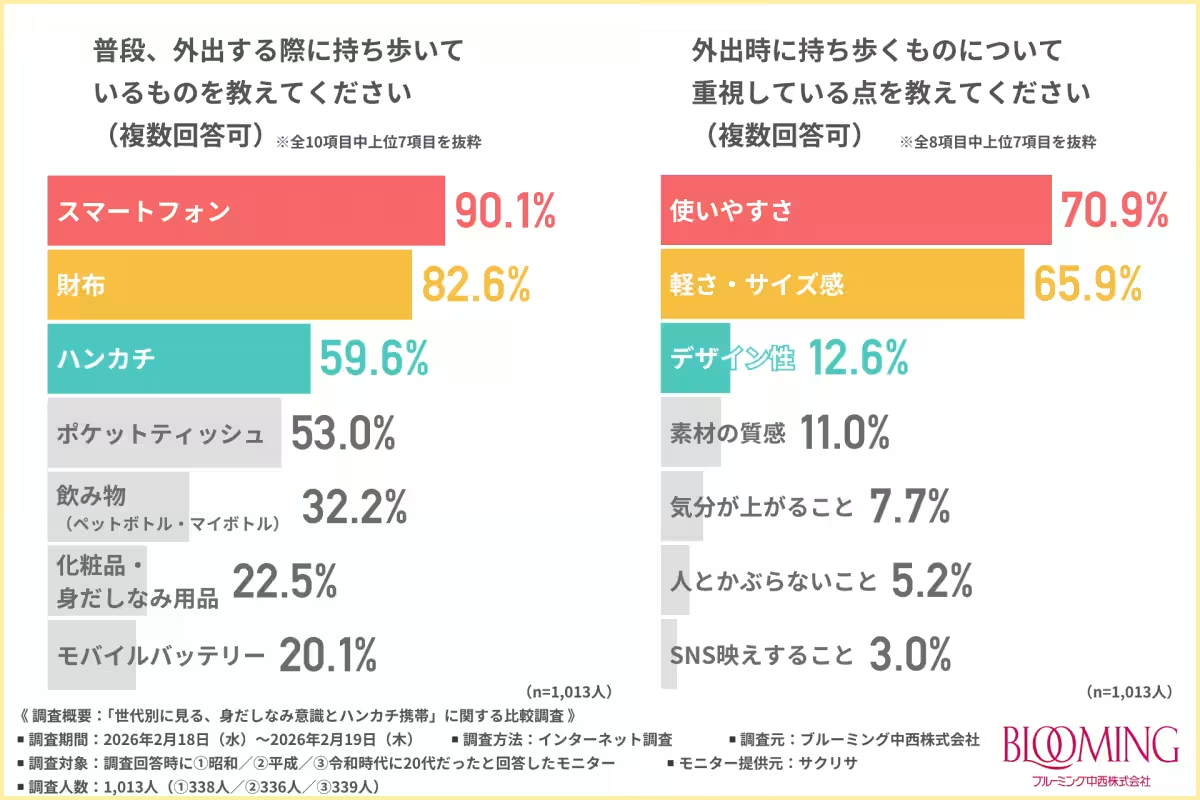
- - Smartphones (90.1%) and wallets (82.6%) topped the list, with handkerchiefs at 59.6%.
Survey participants noted their reasons for carrying items revolve around lifelong habits, ensuring convenience, or maintaining personal grooming standards. Adult respondents from the Showa era frequently mentioned preparedness and etiquette, while the younger cohorts leaned towards minimalism and efficiency.
Handkerchief Usage Trends
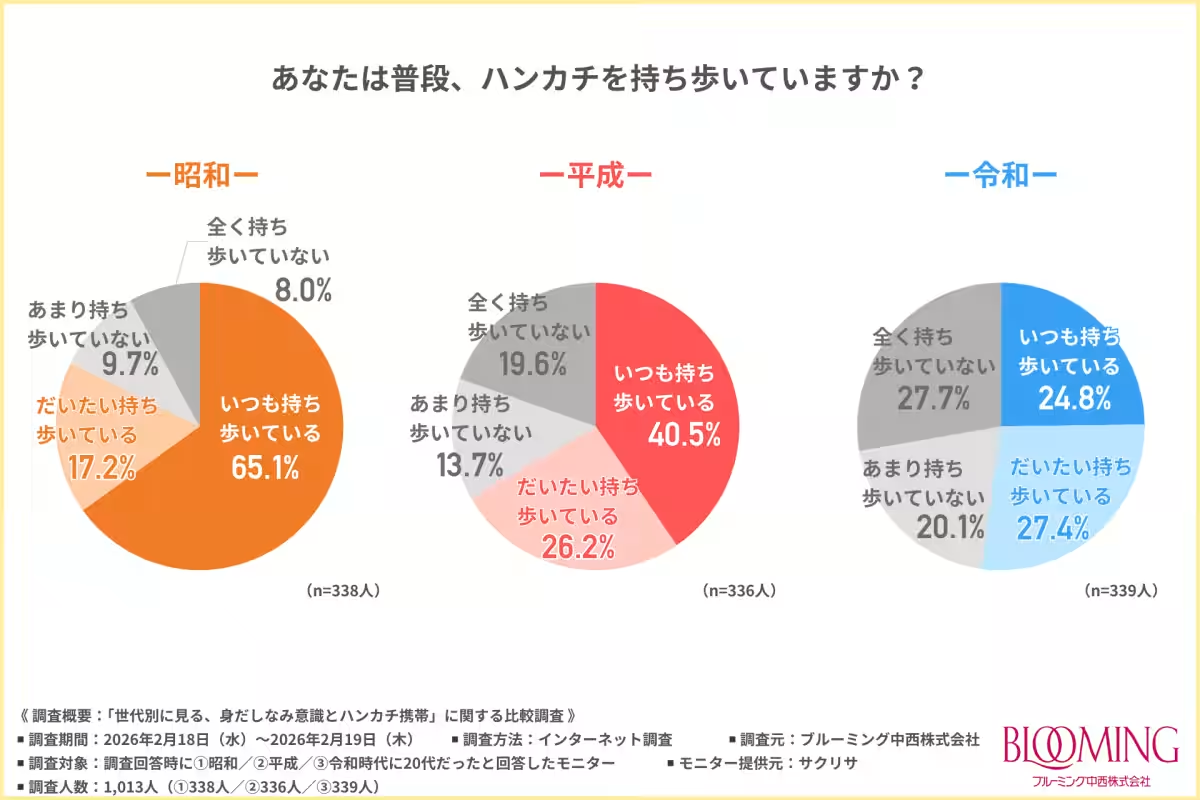
As the study indicates, handkerchiefs are not viewed equally across generations. Detailed analysis reveals a striking decline in usage: 65.1% of Showa participants always carry a handkerchief compared to only 24.8% of the Reiwa generation. This trend signifies not merely personal choice but shifts rooted in upbringing and societal expectations.
Among those who do not carry handkerchiefs, main reasons include a belief that they are less used today or that reliance on modern facilities meets their needs adequately. Overall, this reflects a substantial shift in attitudes toward personal grooming tools like handkerchiefs as lifestyle priorities have evolved.
Educational Influence
Interestingly, about 70% of respondents recall being taught the importance of carrying handkerchiefs during childhood, highlighting how these lessons have shaped attitudes. However, as generational values adjust, the significance of handkerchiefs has diminished, particularly among younger adults.
Current Perspectives
When asked how they currently perceive handkerchiefs, the Showa generation primarily sees it as a mandatory grooming accessory, while younger generations tend to consider it optional and more context-specific, with an emphasis on maintaining hygiene.
Conclusion: Bridging the Generational Gap
Blooming Nakanishi's survey highlights a significant generational gap in the perception and usage of handkerchiefs—once a staple of daily life now regarded as less essential among younger people. This shift raises questions about how contemporary societal norms challenge traditional norms of grooming and etiquette.
As we move toward a future defined by minimalism and practicality, trends suggest that modern handkerchiefs must evolve. They may need to embody characteristics that cater to contemporary lifestyles, marking a departure from rigid expectations and emphasizing practicality and personal preference. Thus, while the cultural significance of handkerchiefs transforms, the fundamental human need for cleanliness and self-presentation persists across all generations.
In conclusion, the research indicates an evolving approach to grooming habits that align more closely with current societal trends, suggesting that future handkerchiefs must adapt to harness the values of simplicity, compactness, and functionality.
For those interested in contemporary handkerchief designs, Blooming Nakanishi offers a selection that combines elegant simplicity with modern utility. To discover more, visit their official store or explore their unique collections online.



Topics Consumer Products & Retail)
【About Using Articles】
You can freely use the title and article content by linking to the page where the article is posted.
※ Images cannot be used.
【About Links】
Links are free to use.