




Evaluating Disaster Preparedness: Challenges in Communication and Training Post-3.11
Evaluating Disaster Preparedness: Challenges in Communication and Training Post-3.11
The Great East Japan Earthquake that struck on March 11, 2011, serves as a stark reminder of the need for effective disaster preparedness in organizations across Japan. As the nation reflects on the 15-year anniversary of this significant event, a recent study conducted by Telenet Inc., based in Iida City, Nagano Prefecture, has unveiled critical insights into the state of disaster training among companies, organizations, and municipalities.
The Urgency of Disaster Training
In recent years, the threat of significant disasters such as the Nankai Trough earthquake and Tokyo's earthquake has heightened awareness of the importance of disaster preparedness. While many organizations acknowledge the fundamental need for training, there are concerns that they may only scratch the surface by reviewing evacuation routes and safety confirmation procedures without addressing the critical aspects of information sharing and securing reliable communication methods during emergencies.
To gauge the effectiveness of disaster training and information sharing, Telenet Inc. conducted a survey targeting professionals responsible for disaster preparedness in various organizations. With a sample size of 1,025 participants, their findings shed light on the state of disaster training across Japan.
Findings from the Survey
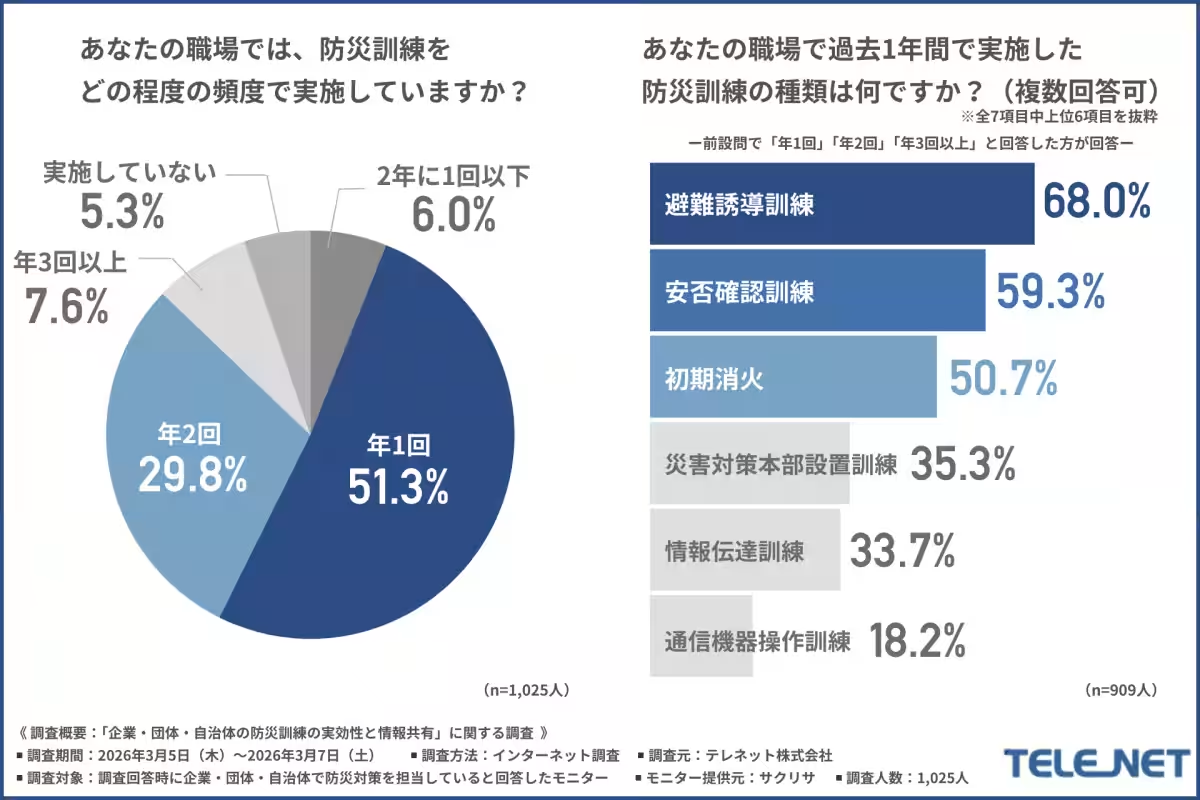
According to the survey, it was discovered that about 80% of participants conduct disaster training once or twice a year, predominantly focusing on basic procedures such as evacuation guidance (68%), safety confirmation (59.3%), and initial firefighting (50.7%). However, this raises questions about whether organizations are adequately prepared for more complex scenarios that may arise during a real disaster.
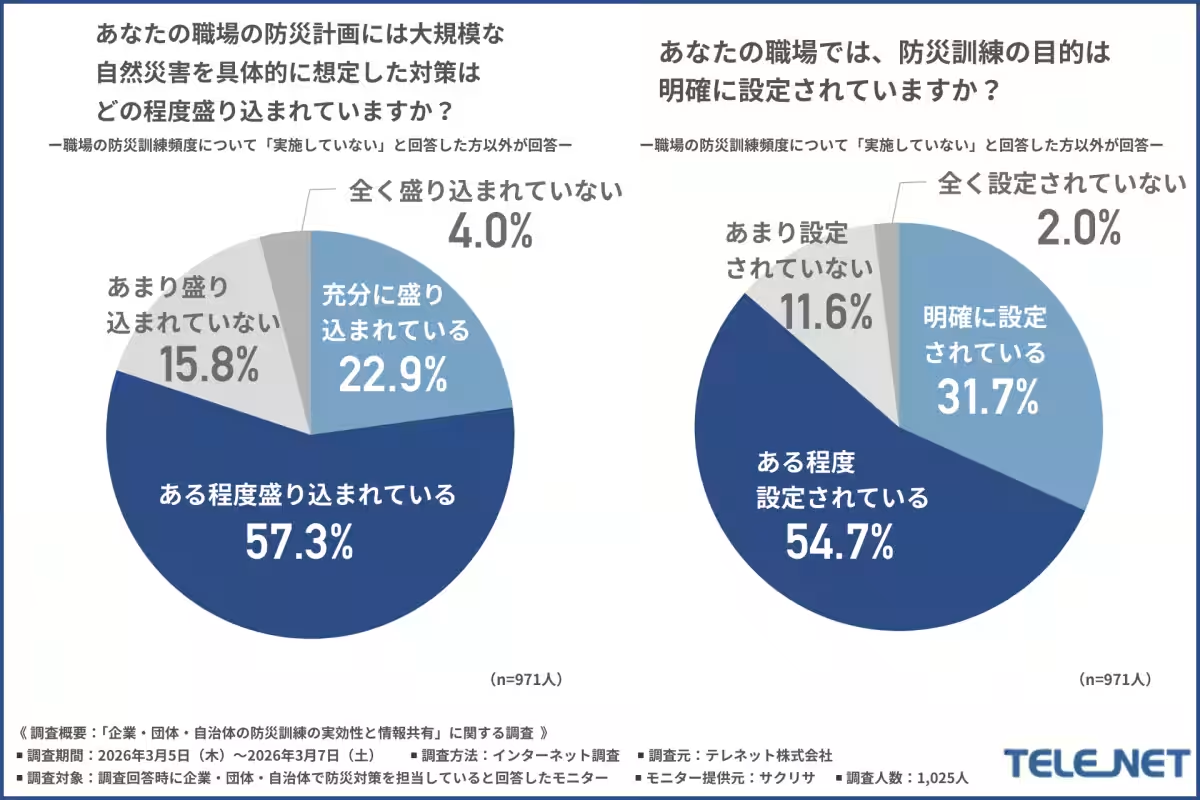
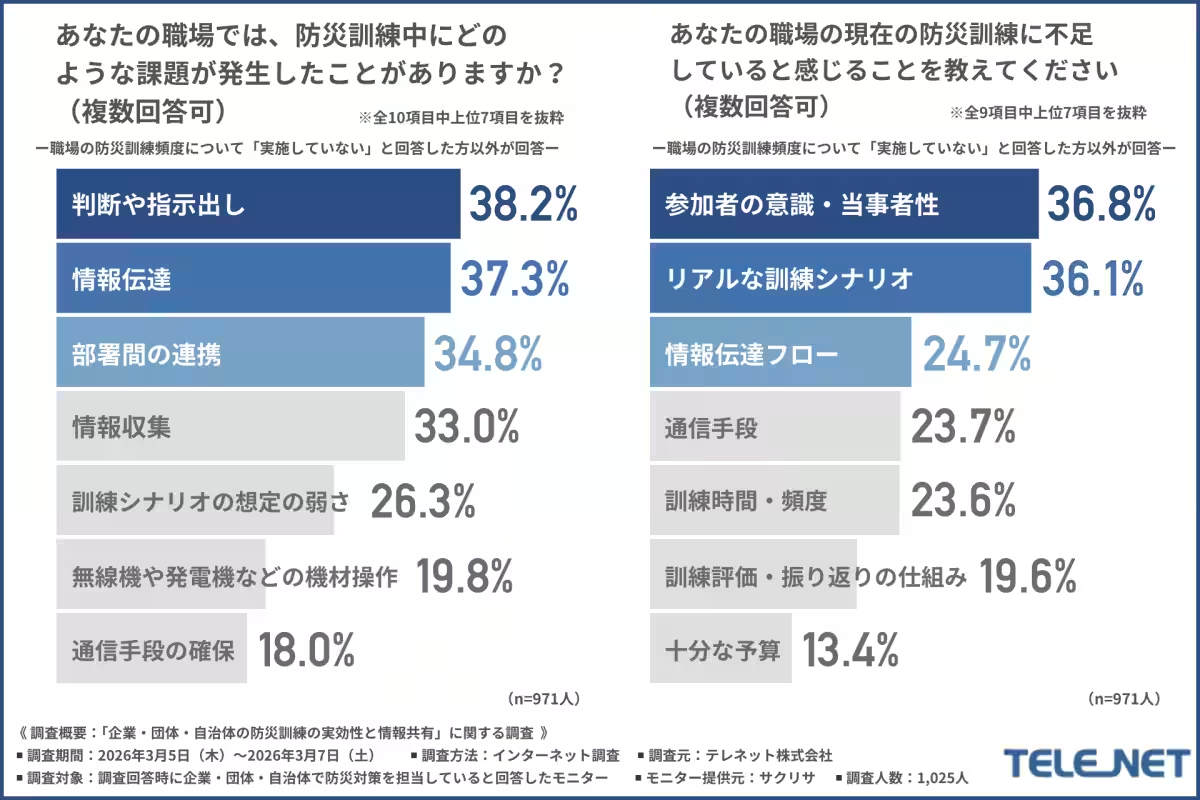
Interestingly, around 80% of respondents believe that their disaster plans adequately consider large-scale natural disasters, indicating a heightened awareness of potential risks. Yet, only about 31.7% stated that objectives for training are clearly defined, posing a challenge for effective training outcomes. In an age where the sharing of information is crucial, the ambiguity in communication procedures was highlighted by 37.5% of respondents. This suggests that many organizations may be ill-prepared to communicate effectively during crises, which can severely hinder rescue and recovery efforts.
Communication Challenges
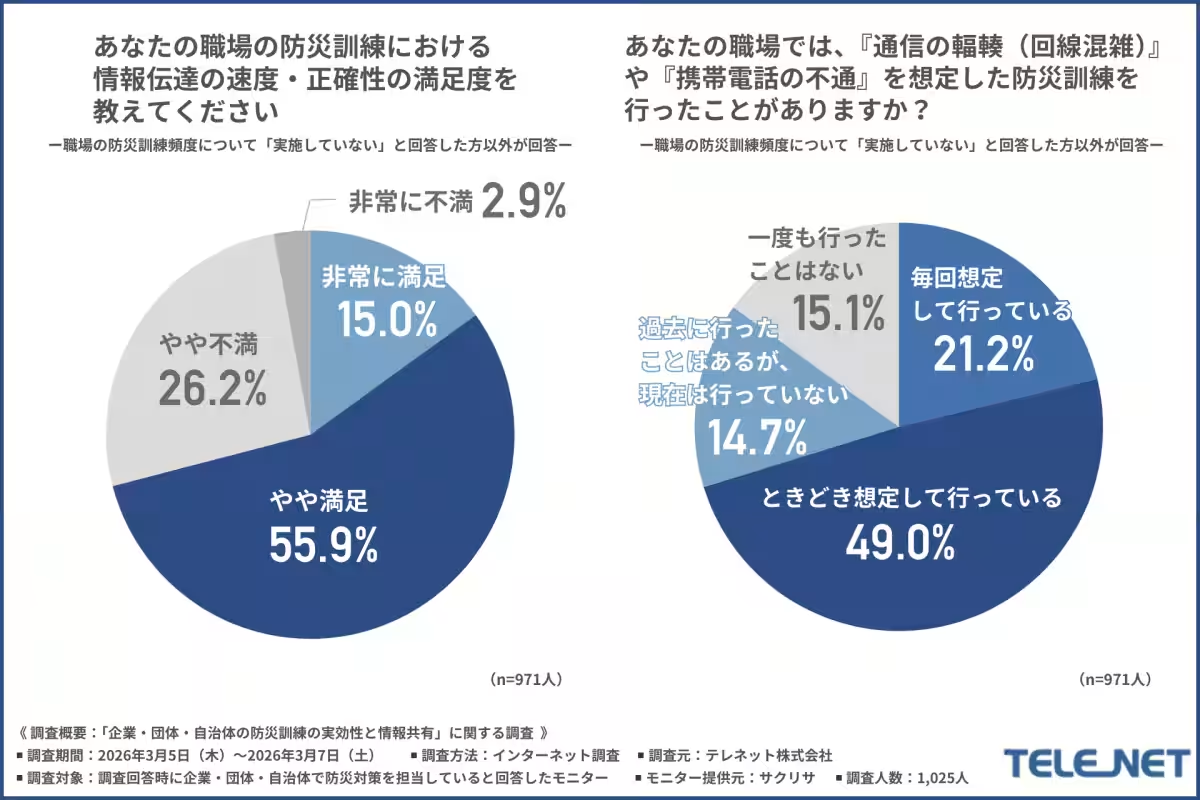
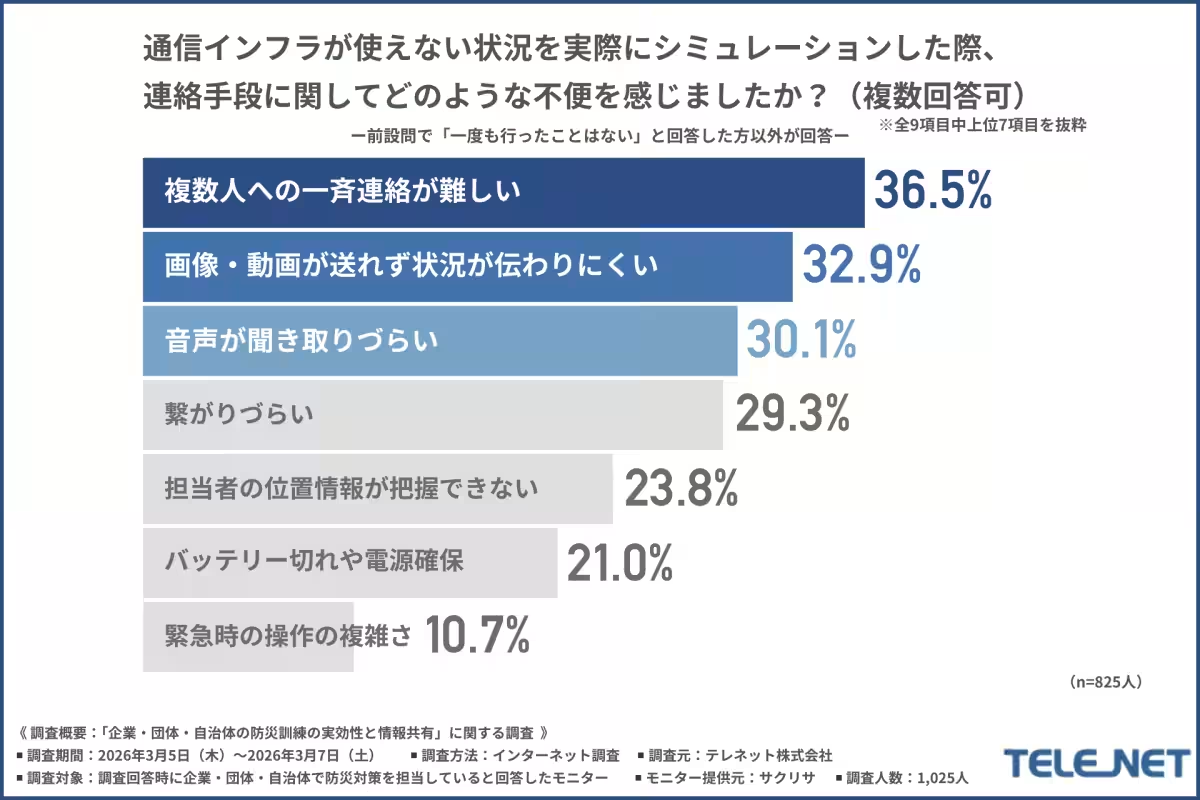
Despite the reliance on mobile email and social media during emergencies, almost 30% of organizations have not conducted training simulating communication congestion or network outages. This is concerning when considering that the actual disaster may render traditional communication channels temporarily dysfunctional. The survey revealed obstacles such as difficulty in simultaneous notifications and the inability to transmit images or auditory details accurately during communications, showcasing the urgent need for organizations to rethink their communication strategies.
The Path Forward
While the notion exists that most organizations engage in regular disaster training, the results indicate a paramount need for improvement. Approximately 61.5% of organizations reported implementing post-training reviews, but the results often do not translate into actionable changes for future exercises. This speaks to a larger issue of how organizations can evolve their training from basic reactive strategies to more nuanced and proactive approaches.
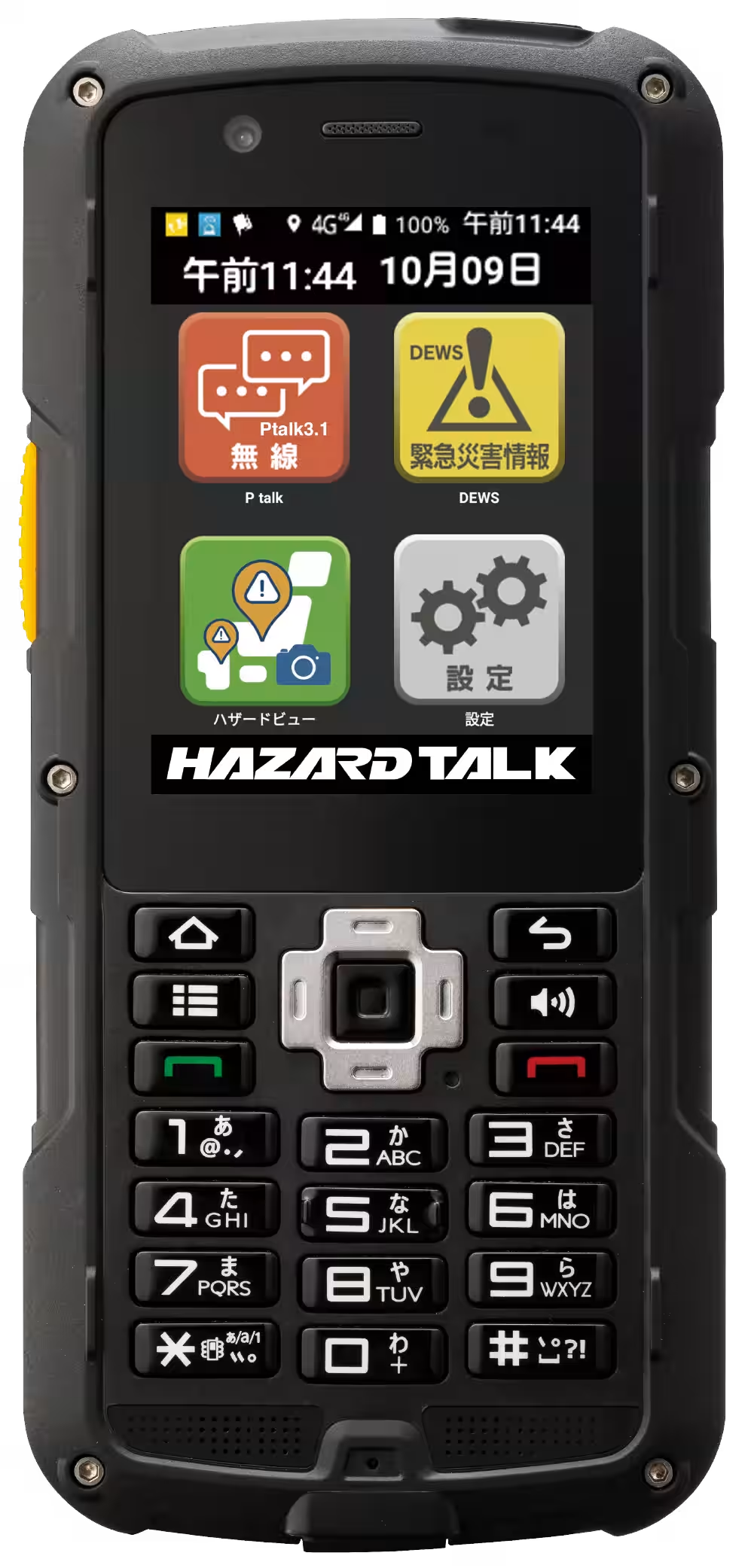
Telenet, with its innovative product Hazard Talk, aims to address these communication challenges by providing reliable communication devices designed for emergencies. Utilizing a dedicated data channel rather than typical voice communication, Hazard Talk ensures that conversations are less susceptible to congestion during disasters, thus enhancing the reliability of information exchange in critical moments.
Conclusion
As Japan grapples with the lessons from past disasters, organizations must prioritize effective training that encompasses realistic scenarios and enhances information sharing protocols. Investing in robust communication infrastructure, such as specialized devices like Hazard Talk, can bridge the gaps highlighted in this survey, ultimately ensuring better preparedness for any future disasters. With proper training and resources, organizations can safeguard lives effectively and mitigate the impacts of disasters when they strike again.
For further details on how to enhance your organization’s disaster preparedness strategy, visit Telenet Inc.'s Hazard Talk product page.



Topics Other)
【About Using Articles】
You can freely use the title and article content by linking to the page where the article is posted.
※ Images cannot be used.
【About Links】
Links are free to use.