



Investing in Skills for a Bright Future: Insights from Working Parents
Understanding the Priorities of Working Parents
In today's landscape, parents juggling the demands of work and family have unique challenges, especially when it comes to their children’s extracurricular activities. A recent survey conducted by Kids Programming Lab Akihabara, managed by LUXGO Inc., sheds light on the sentiments of working parents with children ranging from elementary to high school age. The findings reveal not only the current trends in extracurricular investments but also the underlying considerations that shape these decisions.
Background of the Study
As the new school term begins, many families are revisiting their household budgets and time allocations. Rising costs in education and the increasing number of dual-income families are significantly impacting how parents approach extracurricular spending. Given these constraints, parents are tasked with difficult decisions about which activities to continue or cut back on. Despite numerous surveys detailing average costs and popularity of activities, data explaining parents' selection criteria and the reasons behind these choices remain sparse. This prompted Kids Programming Lab Akihabara to conduct a thorough survey focusing on dual-income households with children in elementary through high school.
Key Findings from the Survey
1. Number of Activities: Over 55% of parents shared that their children are enrolled in either one or two extracurricular activities.
2. Stability in Activity Enrollment: Nearly 60% of parents indicated that the number of activities their child has participated in over the past year remained unchanged.
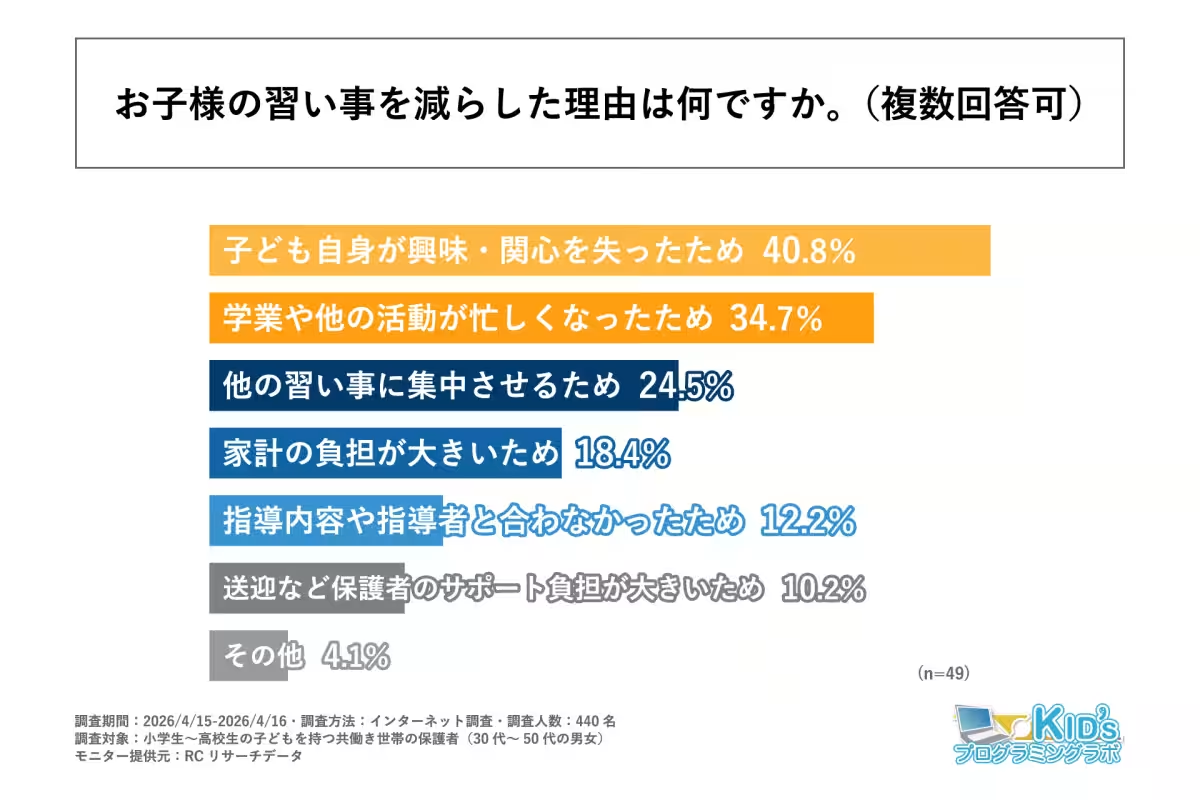
3. Reasons for Decreasing Participation: Among those who reduced the number of activities, primary reasons included diminished interest from the child and increased commitments in academics or other activities.
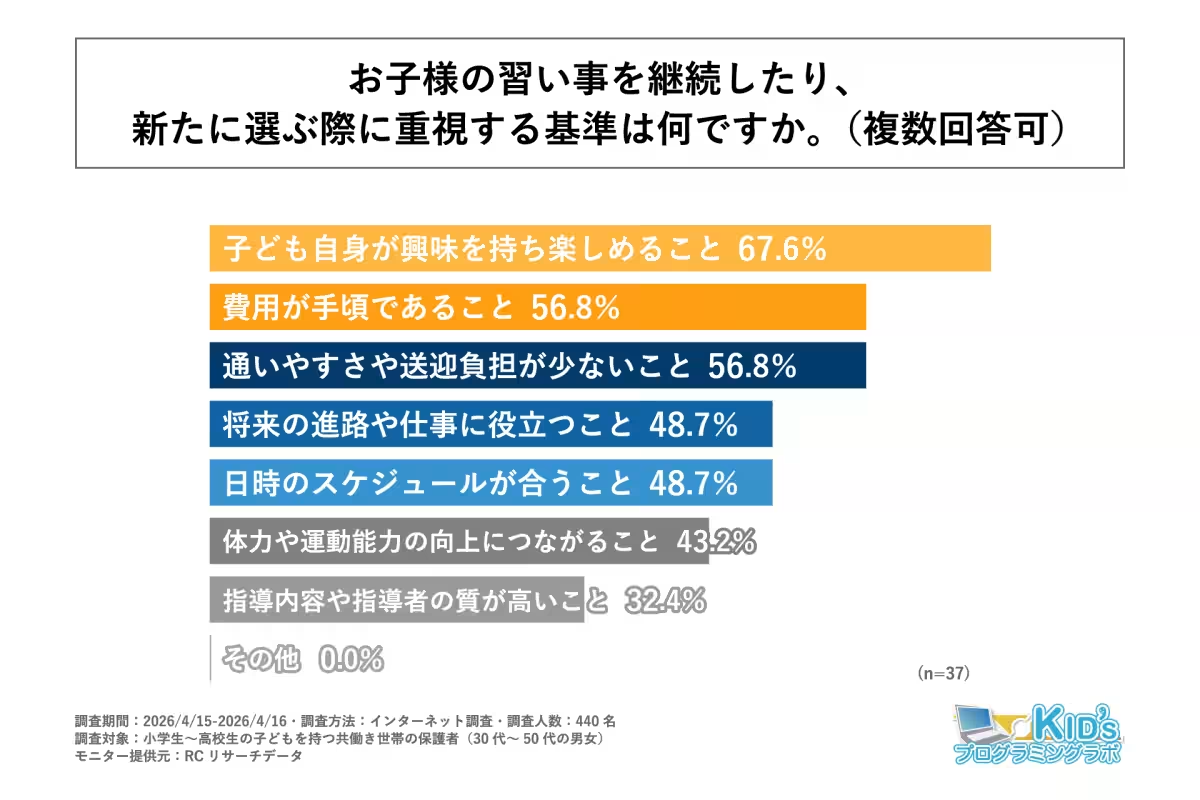
4. Criteria for Choosing Activities: For parents who opted to increase their child’s activities, the three most important factors were: (i) the child’s enjoyment and interest, (ii) affordability, and (iii) convenience of access and pickup.
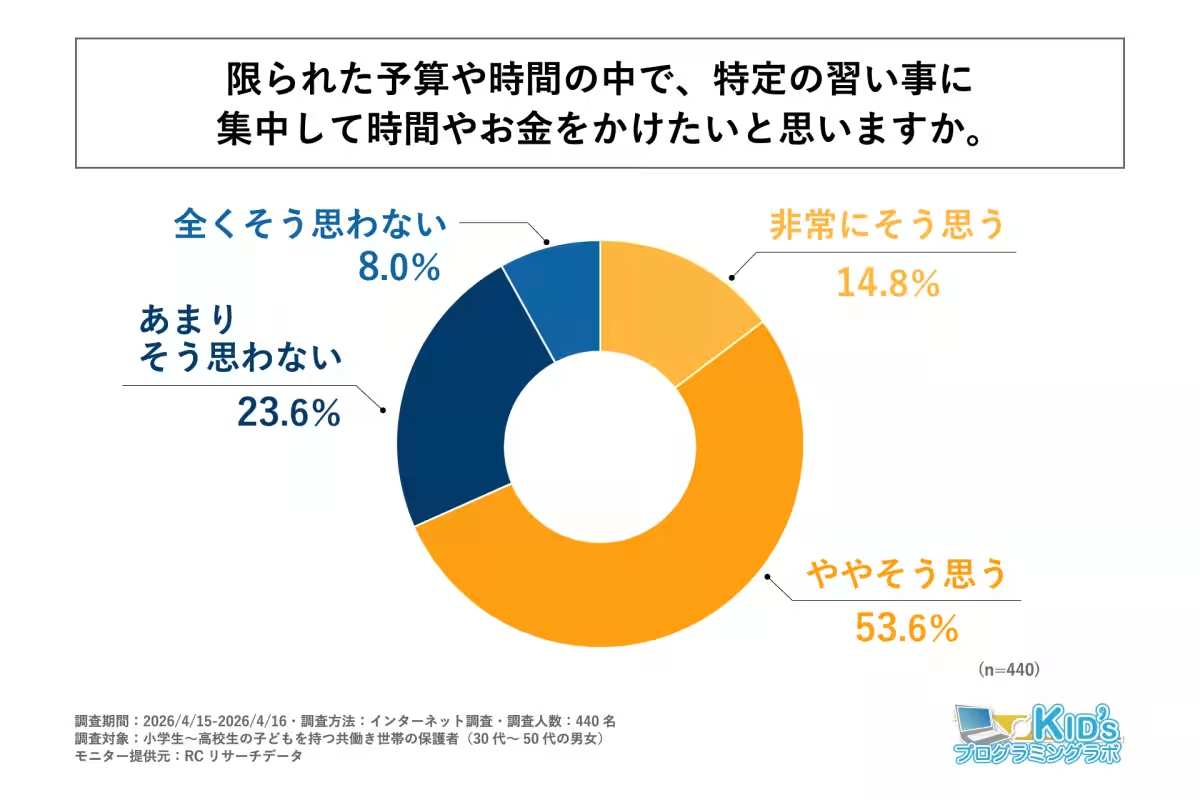
5. Focus on Specific Activities: Approximately 70% of parents expressed a desire to concentrate their time and financial resources on select extracurriculars due to budget constraints.
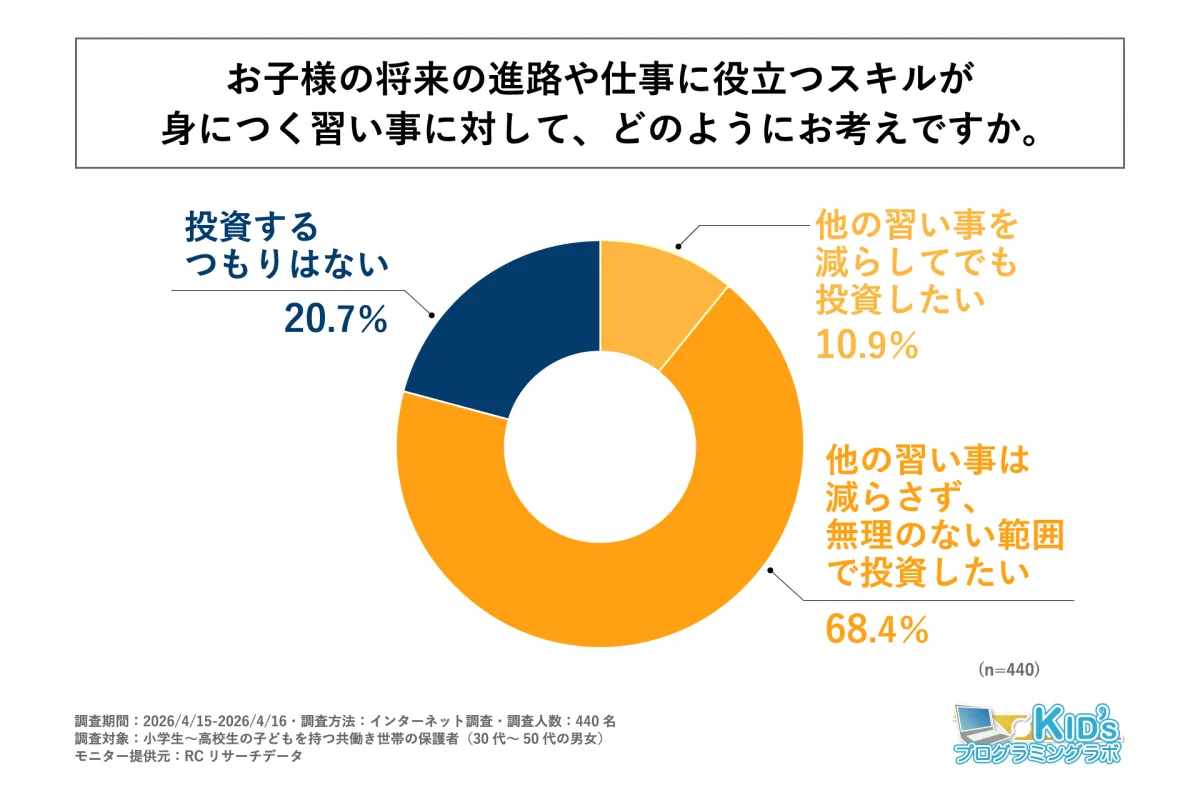
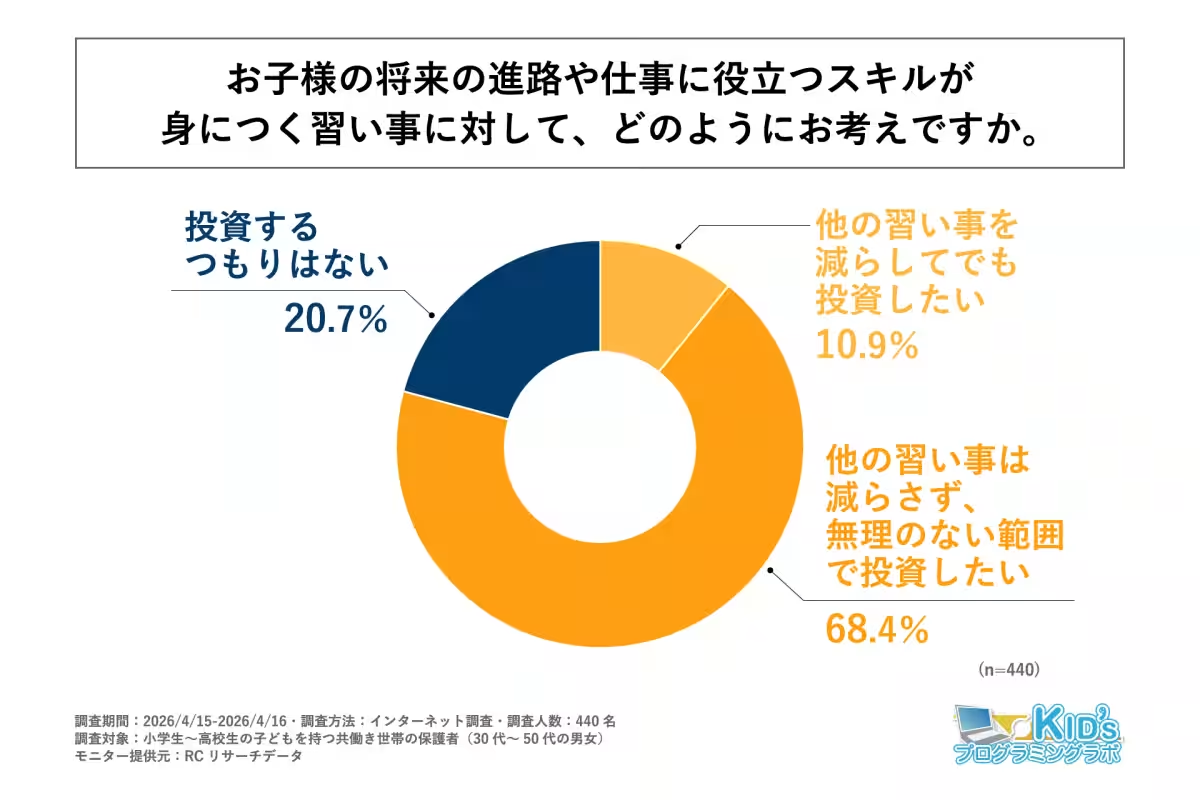
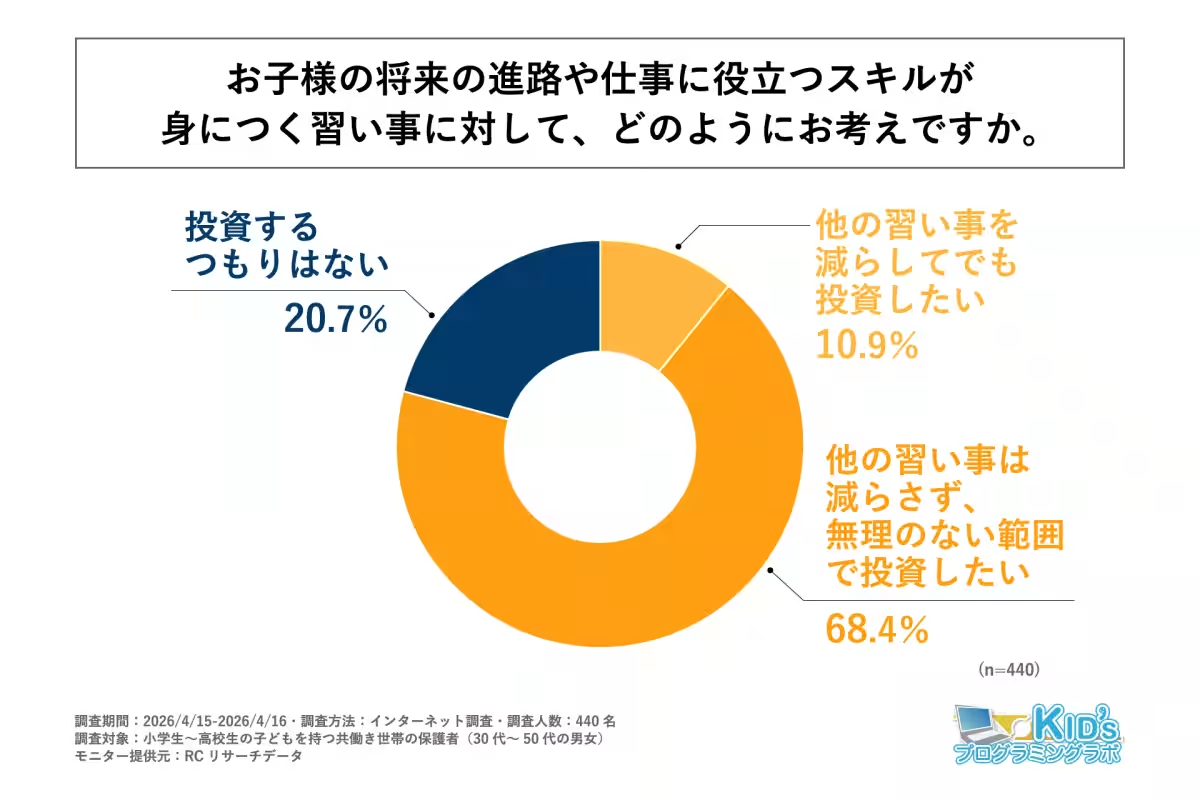
6. Investment in Skills for the Future: Around 80% of parents showed a strong inclination to invest in activities that would help their children develop skills pertinent to their future careers.
Detailed Insights
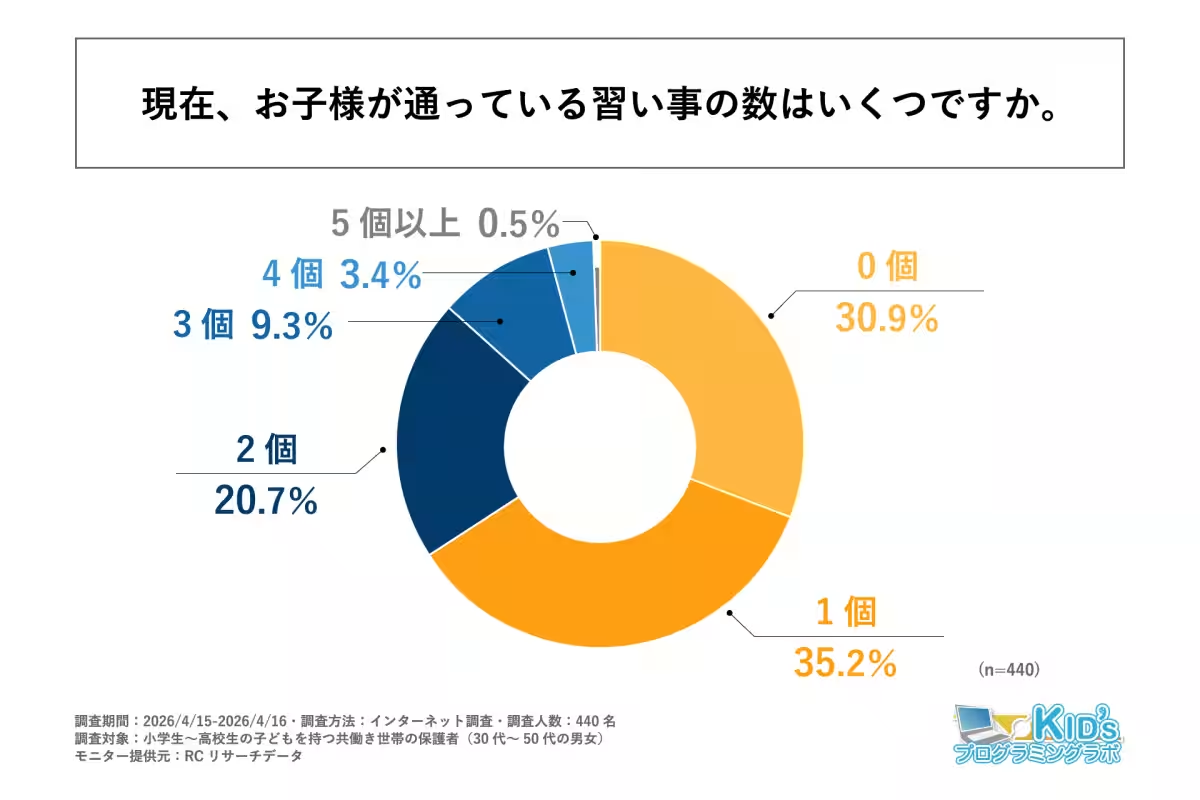
When asked about the number of activities currently enrolled in, responses indicated that 35.2% of parents said their children participate in one activity, while 30.9% indicated zero, and 20.7% reported two. A closer look revealed that more than half of the respondents (55.9%) are primarily focused on just one or two activities, aligning with their current resource limitations.
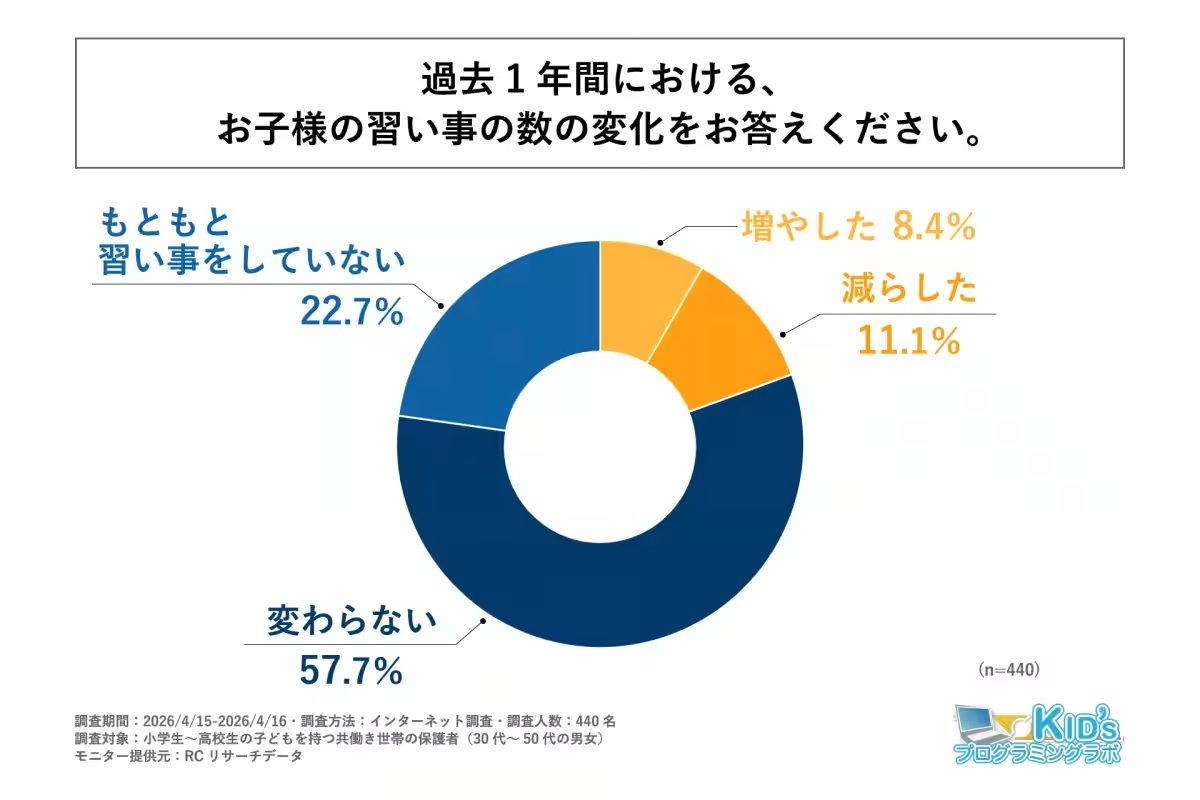
Further inquiries about the past year’s changes pointed to stability, with 57.7% stating that the number of activities remained unchanged. Additionally, for those who had reduced activity numbers, the leading reasons included children losing interest (40.8%) and busy schedules due to academic or other commitments (34.7%).
In contrasting responses from those who increased participation, the emphasis on enjoyment was notable. About 67.6% prioritized choosing activities that align with their child's interests. Additionally, both affordability and ease of access were equally valued by 56.8% of parents, illustrating a significant trend towards balancing cost-effectiveness with enriching experiences.
The Road Ahead
With rising educational expenses and time constraints, nearly 70% of parents are keen on dedicating time and resources to selected extracurricular activities. Significantly, 79.3% of parents expressed an interest in investment for skills that would benefit their children’s future paths, with the preference towards maintaining existing activities while managing new investments within reasonable limits.
Conclusion
In summary, the survey reveals critical insights into how dual-income families prioritize their children's extracurricular engagements. The findings emphasize the importance placed on enjoyable and skill-enhancing activities, paving the way for educational institutions to cater to these evolving needs.
Kids Programming Lab Akihabara is committed to fostering an environment where children can thrive and enjoy learning. With a curriculum aimed at both beginner and advanced learners and a focus on engaging and enjoyable programming education, LUXGO Inc. is shaping a brighter future for the generations to come. Explore more about their offerings at Kids Programming Lab Akihabara.
About the Survey
- - Conducted by: LUXGO Inc.
- - Period: April 15-16, 2026
- - Method: Online survey
- - Participants: 440 parents of elementary to high school students from dual-income households aged 30s to 50s.
- - Monitoring Provider: RC Research Data

Topics Other)
【About Using Articles】
You can freely use the title and article content by linking to the page where the article is posted.
※ Images cannot be used.
【About Links】
Links are free to use.