



How Matching Functionality Impacts Staffing Utilization Rates in the Industry
Understanding Staffing Utilization Rates in the Industry
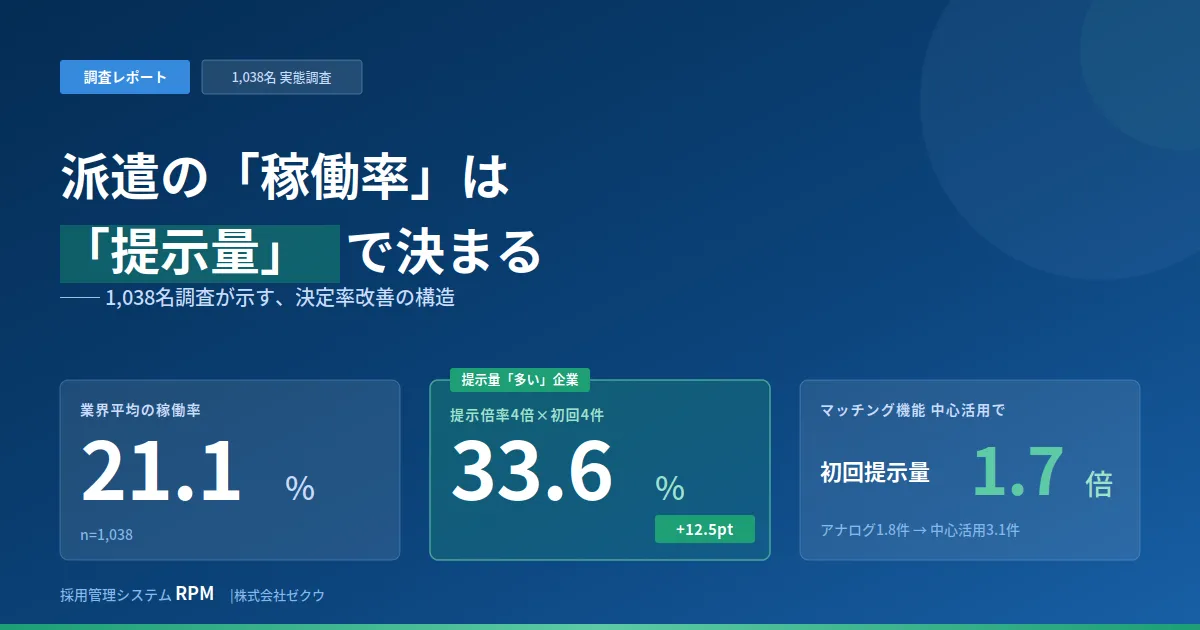
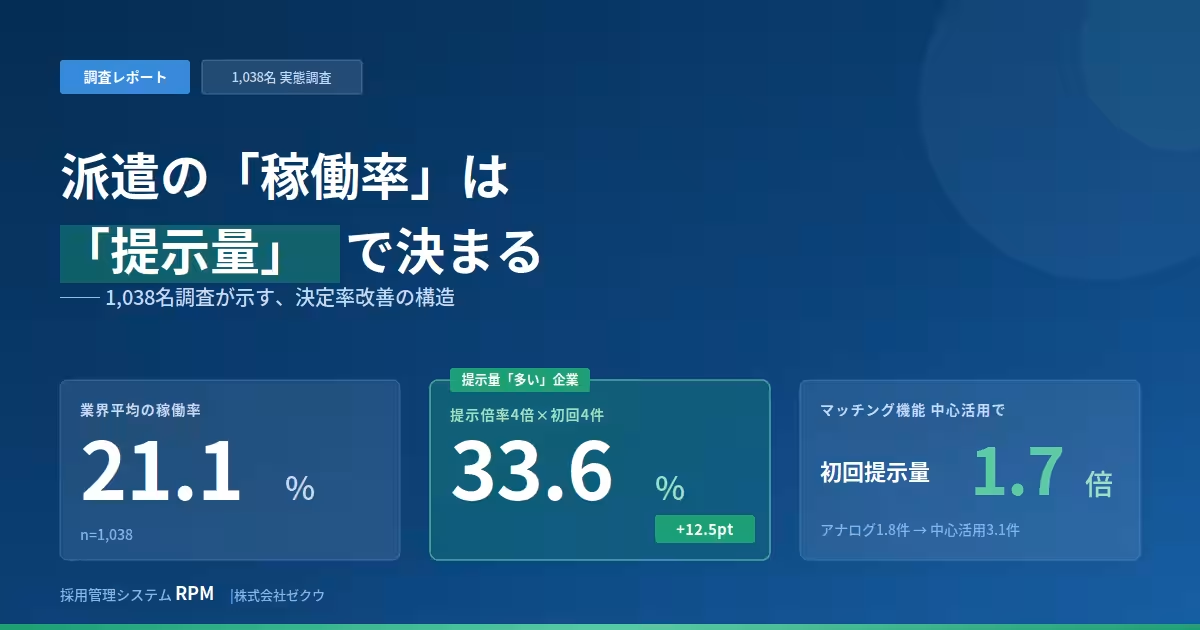
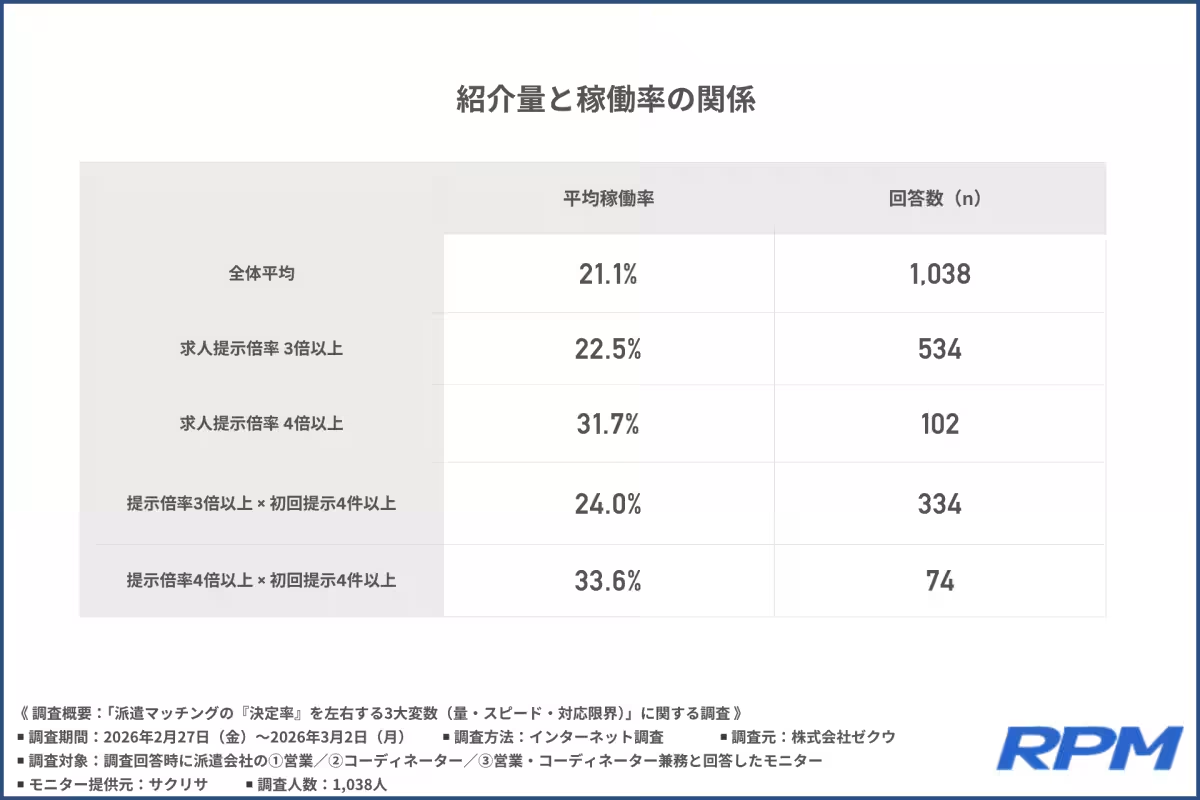
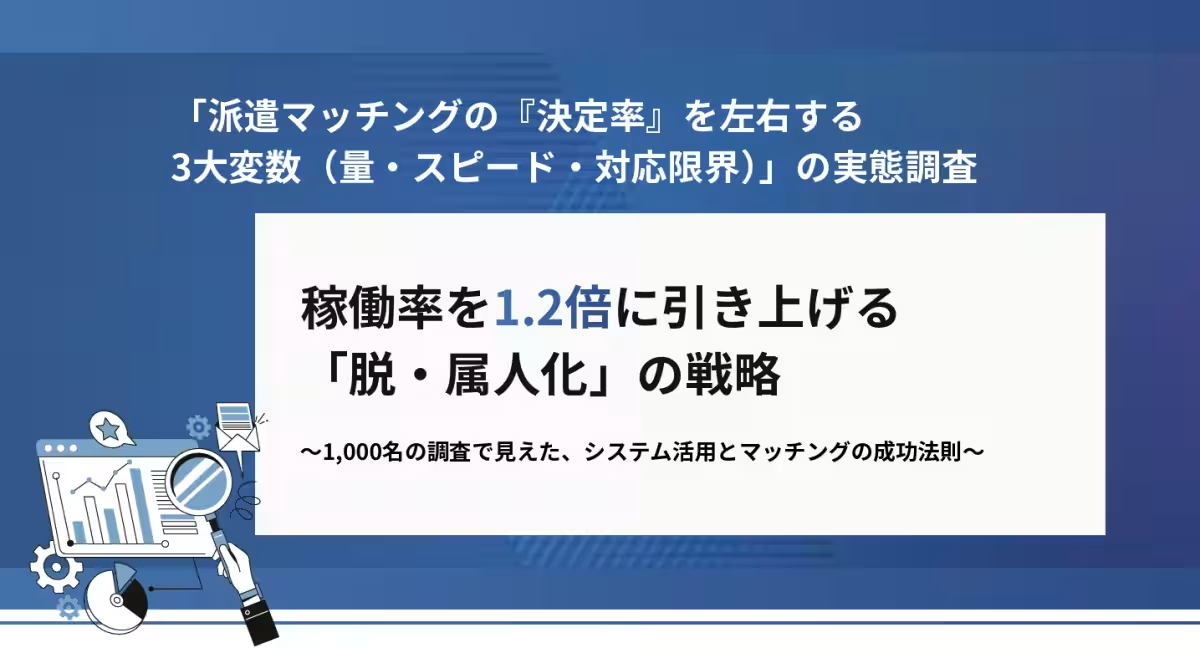
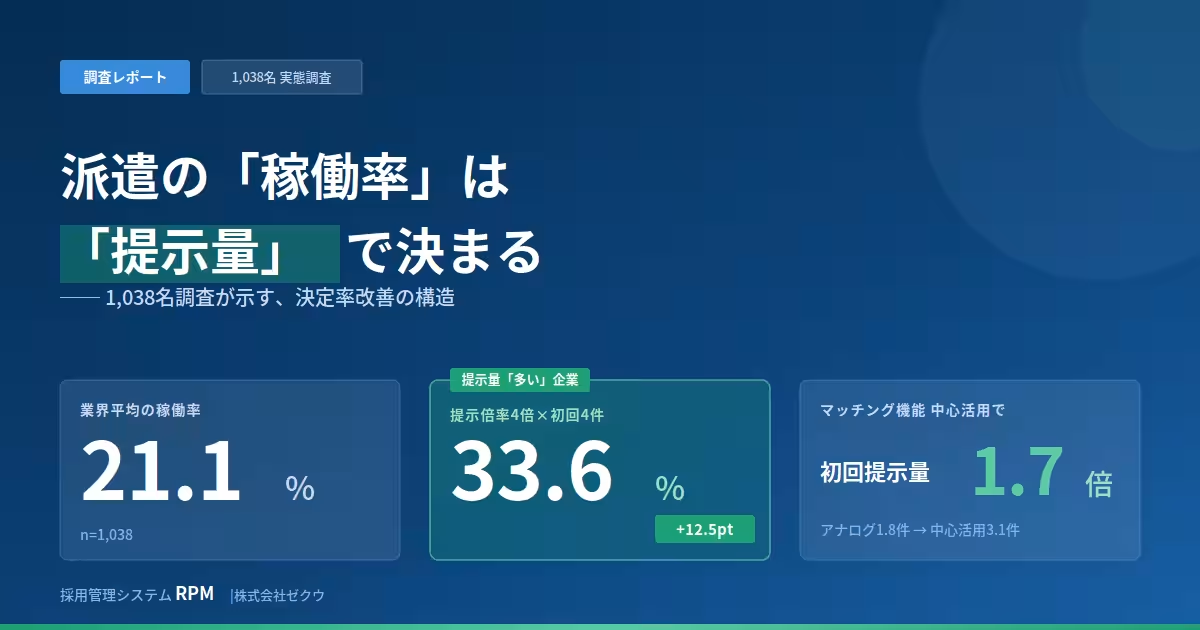
A recent survey conducted by Zeku Company, targeting 1,038 staffing coordinators from agencies with more than 50 active staff, delves deeply into the factors influencing staffing utilization rates, particularly the role of matching functionality. The survey revealed that the average staffing utilization rate across the industry stands at 21.1%, while those utilizing matching functionality effectively can achieve a much higher rate of 33.6%, indicating a significant potential for improvement.
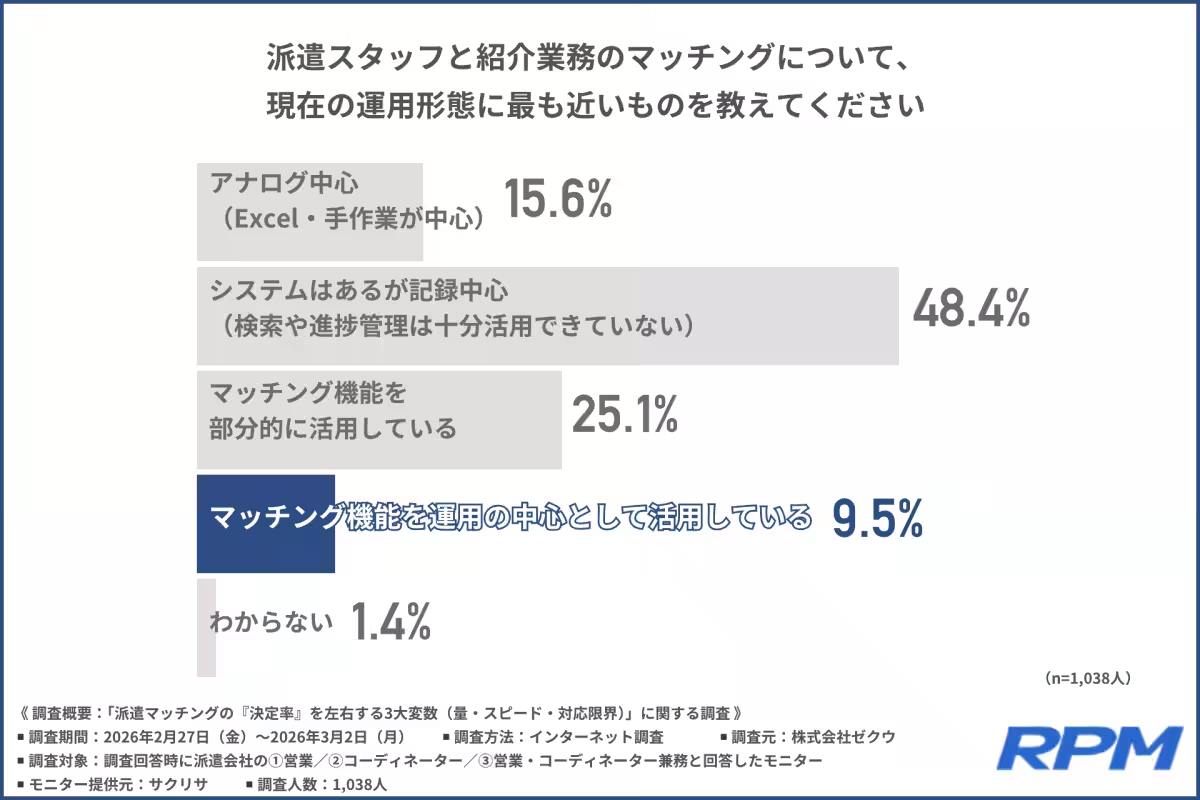
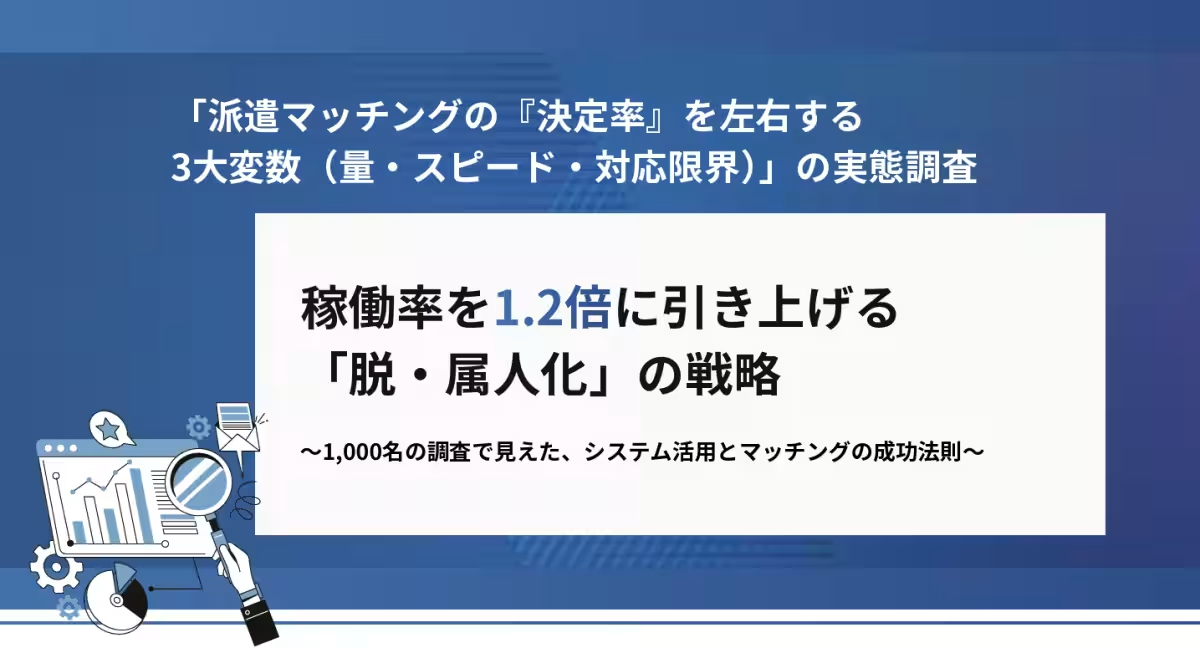
The survey highlighted crucial variables affecting staffing utilization rates: the volume of job briefs provided, the speed of processing them, and the operational limits faced by coordinators. Significantly, only 9.5% of staffing agencies actively integrate matching functionality as a core aspect of their operations, despite it being critical for enhancing performance. The urgency for staffing firms to adopt advanced matching capabilities is underscored by the fierce competition for a diminishing labor pool, compelling agencies to find and regain effective talent quickly.
Key Findings from the Survey
The survey yielded some astonishing insights:
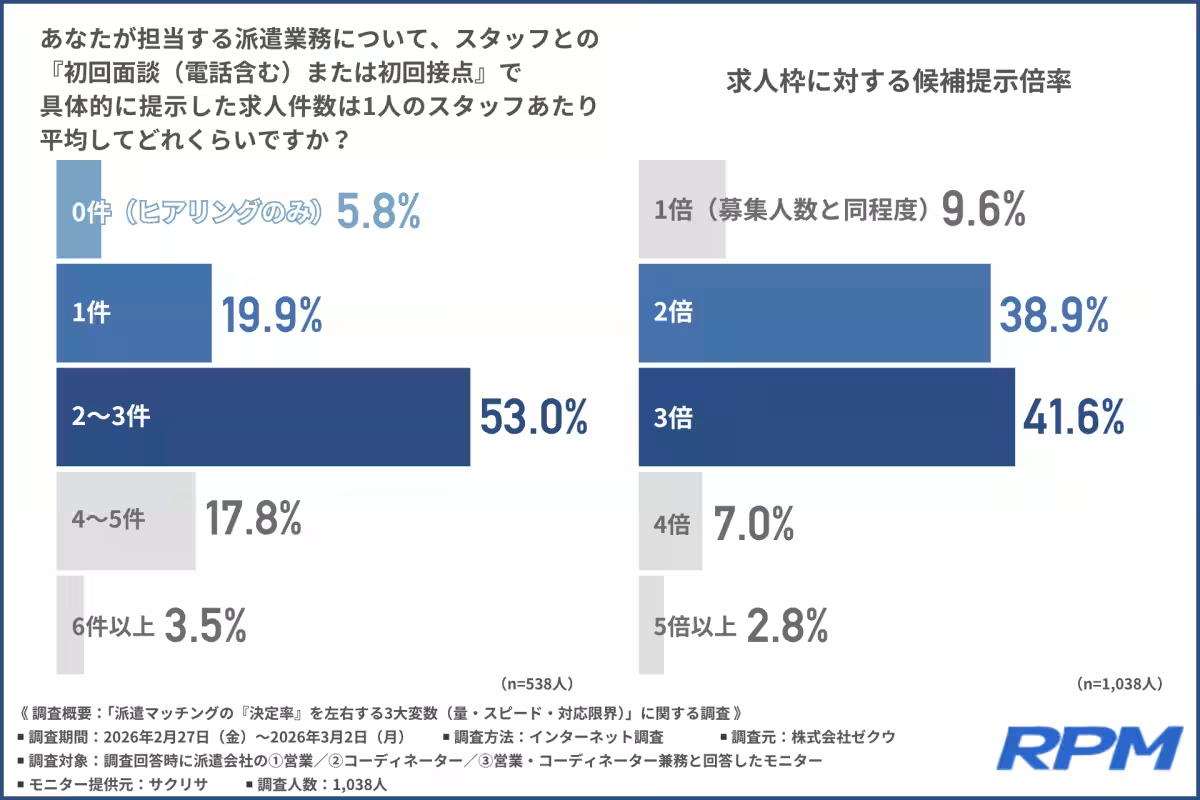
1. Industry Average vs. Top Performers: The average staffing utilization rate within the industry is 21.1%. However, firms that meet specific criteria concerning the volume of initial job briefs and staffing ratios show a marked increase in utilization rates to 33.6%, reflecting an improvement of 12.5 percentage points.
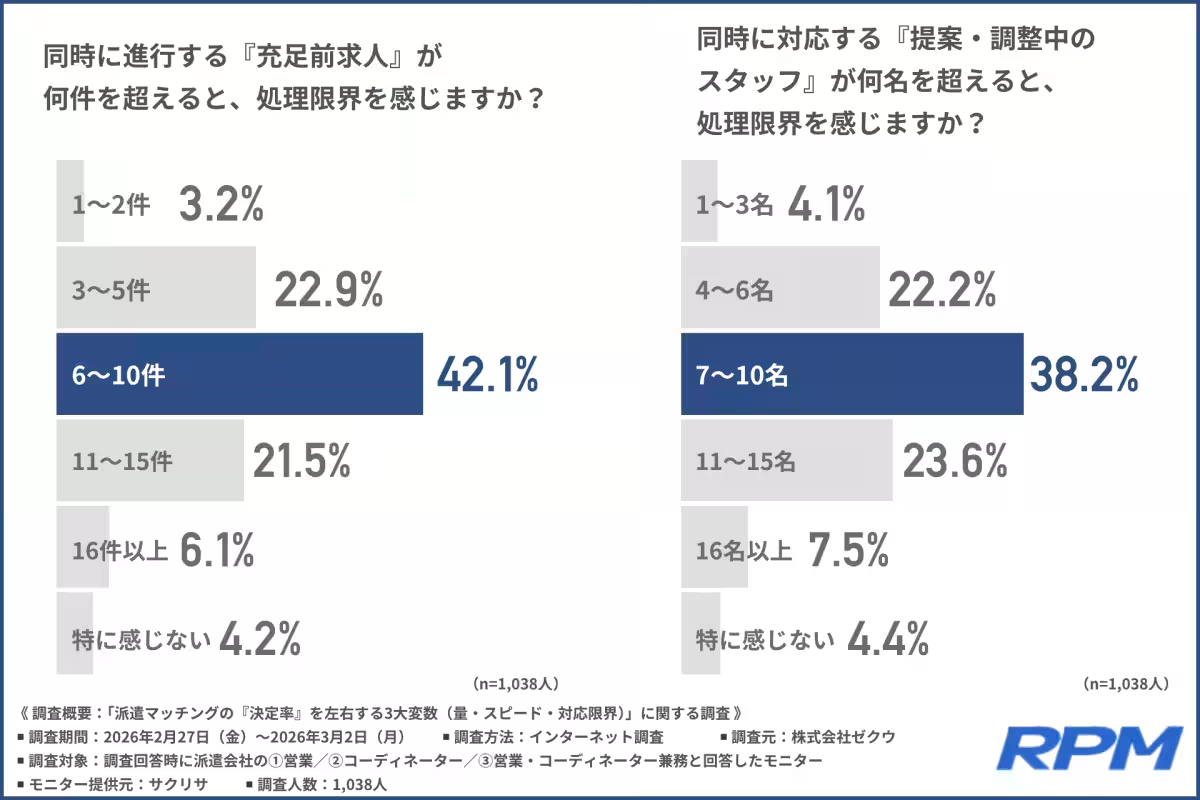
2. Operational Limits of Staffing Personnel: Most staffing coordinators find their capacity to handle in-process job briefs ranges between six to ten, along with managing seven to ten candidates at a time. What’s alarming is that exceeding these limits triggers a cascading effect of issues such as delayed follow-ups and reduced job brief leads.
3. Underutilization of Systems: Nearly half of the surveyed firms (48.4%) reported using a system primarily for record-keeping, highlighting a disconnect between having technology and effectively leveraging it in daily operations. Only a small fraction (9.5%) actively utilizes matching features at the core of their processes.
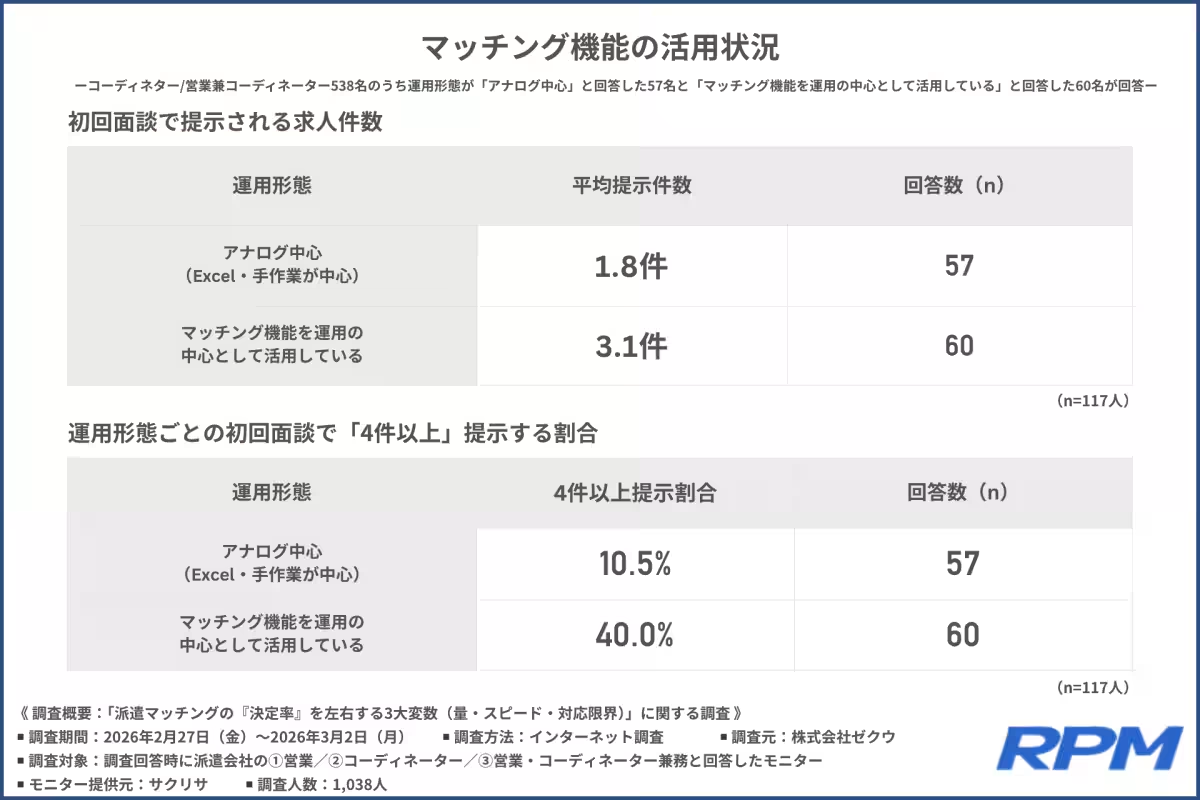
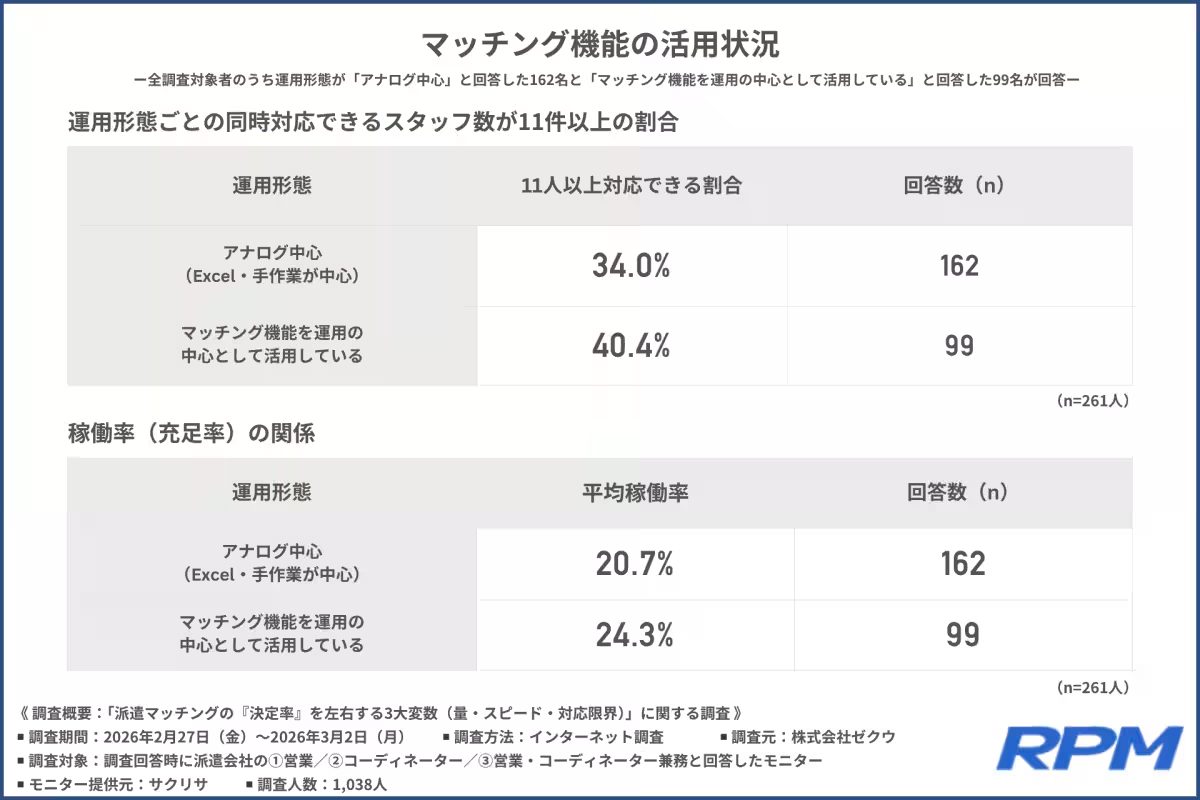
4. Benefits of Active Matching Utilization: Firms that focus on matching functionality see a significant increase in their initial job brief output per candidate and higher utilization rates compared to those relying on traditional methods. For instance, they generate 1.7 times more initial job briefs and achieve an average utilization rate of 24.3%, notably outperforming their analog counterparts.
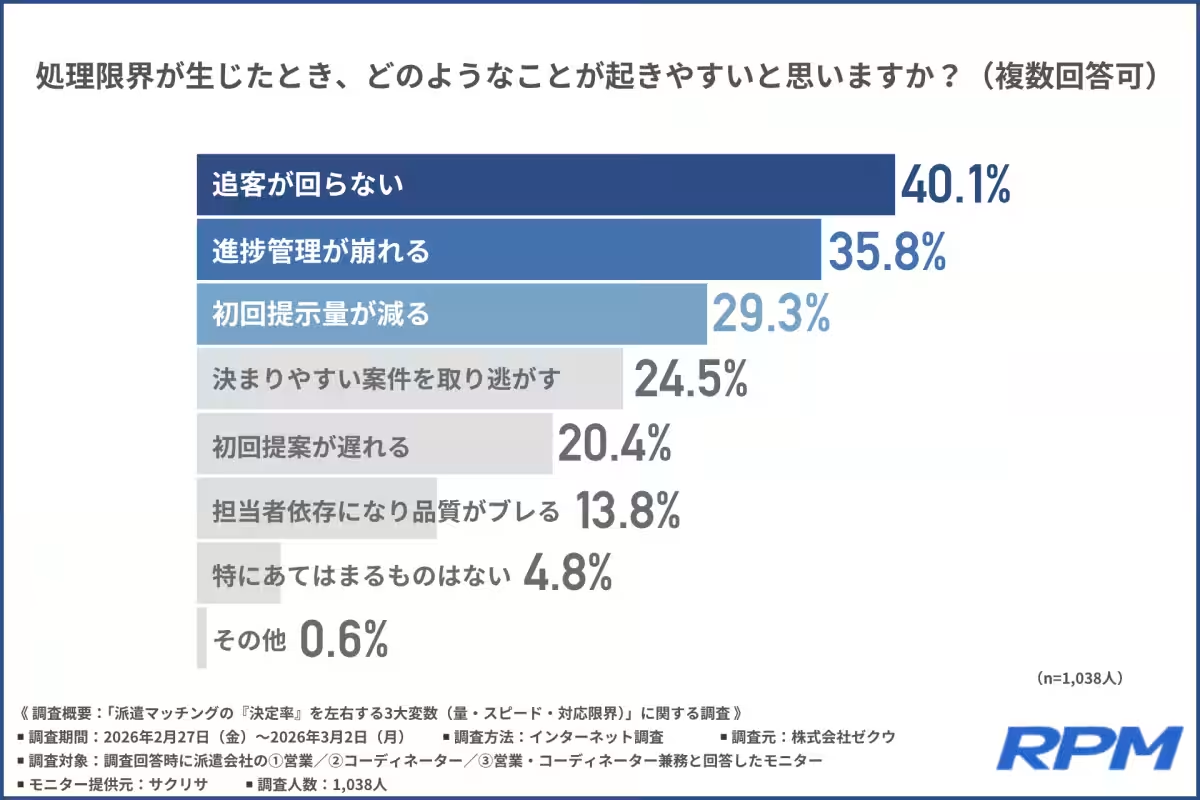
5. Cascading Losses Beyond Capacity: As the limits of processing capability are exceeded, firms experience detrimental effects such as stagnation in follow-ups (40.1%), breakdowns in progress management (35.8%), and drops in the initial proposal volumes (29.3%).
Conclusion: Adapting to Industry Needs
As outlined, there’s an evident disparity in how staffing firms harness matching technology. The majority still rely on manual, less efficient methods. Those that dare to integrate powerful matching functionalities into their workflows not only elevate their operational capacities but also reinforce their competitive edge in the spiraling staffing market.
As Zeku Company continues to enhance services tailored to staffing management, understanding these findings allows businesses to re-evaluate their strategies for adopting digital transformation effectively. For further details, the complete report offers an in-depth look at survey methodologies, data distributions, FAQs, and professional insights from industry experts, all freely accessible online.
Access the Complete Report
To dive deeper into the findings discussed in this article and learn about the three main factors influencing staffing utilization rates, access the complete report here.
Topics Business Technology)
【About Using Articles】
You can freely use the title and article content by linking to the page where the article is posted.
※ Images cannot be used.
【About Links】
Links are free to use.