



Autumn Delights: The Evolving Relationship Between Seasonal Eating and Drinking in Japan
The Seasonal Shift in Japanese Eating and Drinking Habits
As autumn blankets Japan, bringing with it the cool air and vibrant foliage, many turn to seasonal delights, particularly the ever-popular sanma (Pacific saury). A recent survey conducted by Shizen Shokken, based in Bungo Takada City, Oita Prefecture, dives into how autumn influences eating and drinking habits among adults aged 20 to 60, particularly those who enjoy alcoholic beverages.
The research was executed over a three-day period from October 3 to October 6, 2025, targeting 1,044 participants through an internet platform, PRIZMA. It aimed to discover how the onset of autumn affects food cravings and drinking behaviors. A significant focus lies on the balance between indulging in seasonal flavors while maintaining health considerations.
The Allure of Autumn Flavors: Sanma Takes the Spotlight
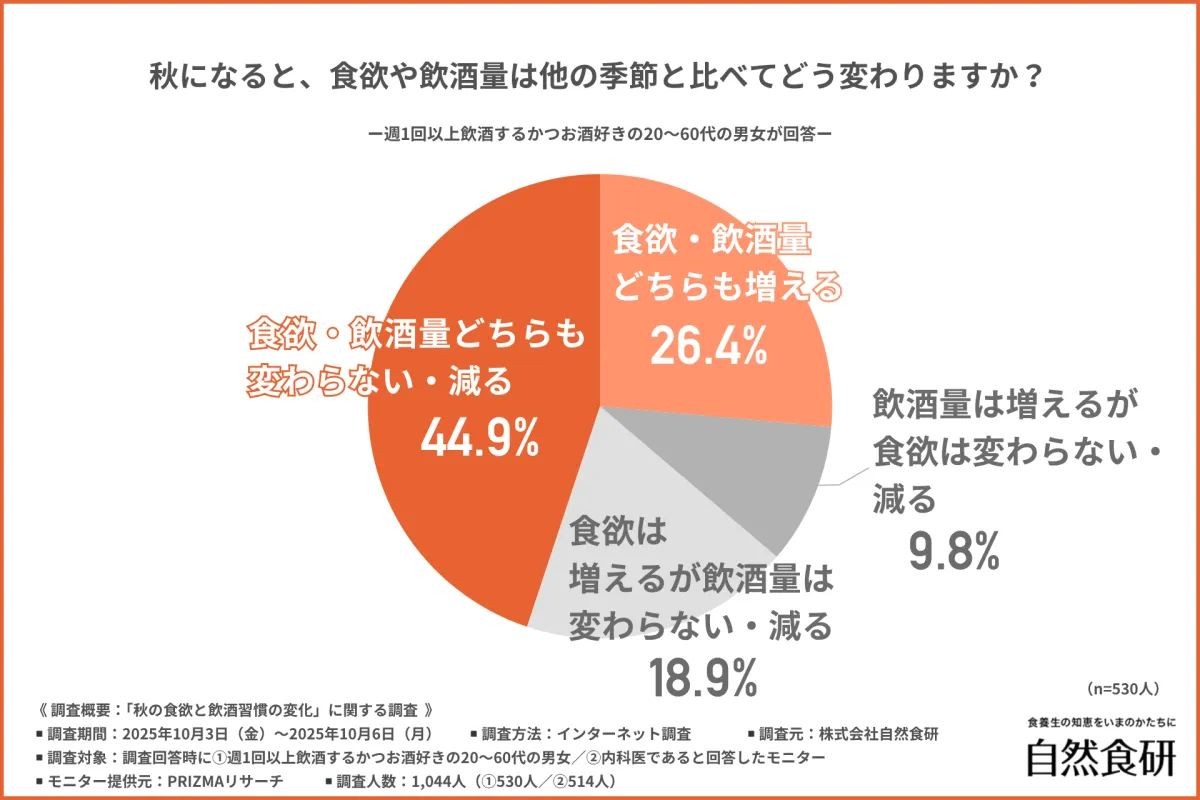
In this season often dubbed “the season of appetite,” respondents were asked about their changes in food and drinking habits once autumn arrives. Here's what they reported:
- - 26.4% noted an increase in both appetite and alcohol consumption.
- - 9.8% indicated their drinking increased while their appetite remained the same or decreased.
- - 18.9% experienced an uptick in appetite but no change or a decrease in drinking.
- - A significant 44.9% claimed no change or a decrease in both areas.
While the majority reported a stable or decreasing trend, roughly one-third admitted to indulging in both food and drink more in autumn. This shift can be attributed to falling temperatures and the abundance of seasonal flavors that accompany this time of year.
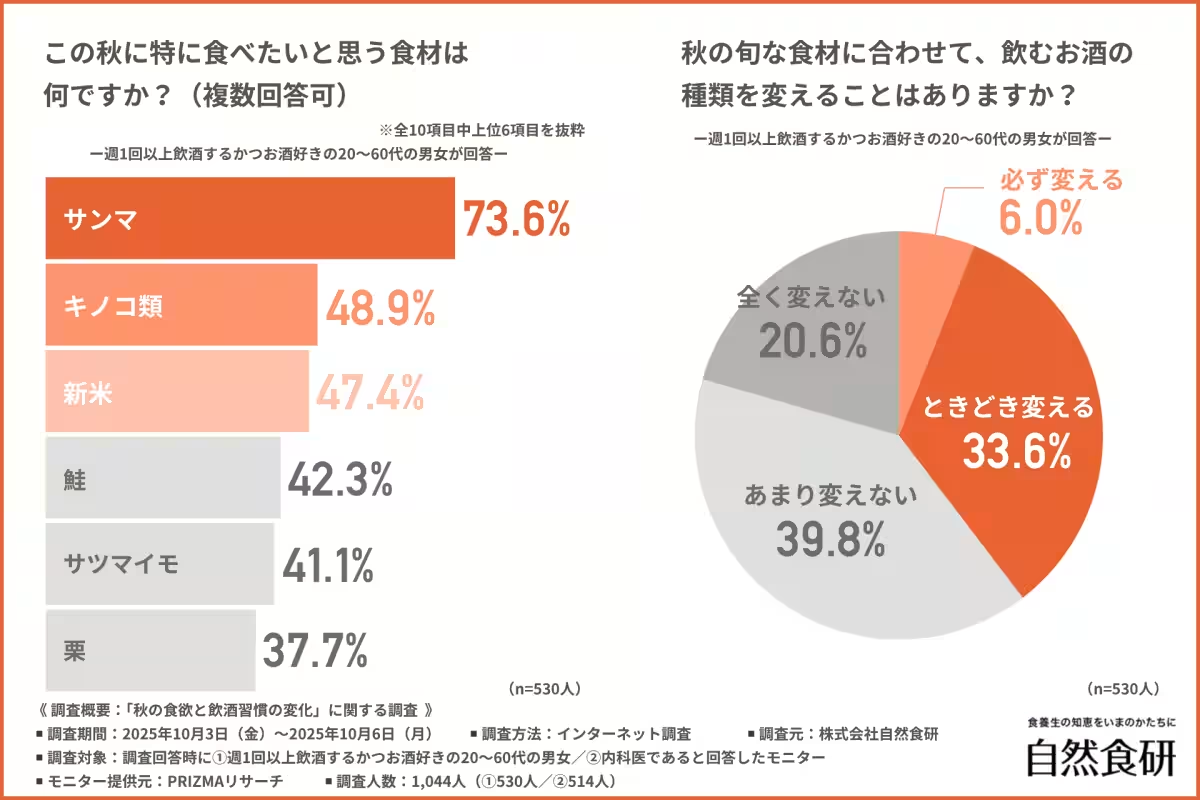
When specifically asked which seasonal ingredient they yearned for most, a resounding 73.6% chose sanma, followed closely by mushrooms at 48.9% and freshly harvested rice at 47.4%. Such results illustrate the deep cultural connection within Japan to these seasonal delicacies and hint at the traditional practice of pairing food with appropriate beverages.
Pairing Drinks with Seasonal Ingredients
Further inquiries revealed how often participants alter their choice of alcohol based on the seasonal ingredients they consume. Approximately 39.8% reported they rarely changed their choice of drink, while about 40% indicated they would actively select drinks that fit the seasonal foods, with 6.0% stating they always change their drink. This shows a growing awareness and appreciation for pairing food and beverage, making dining experiences more enjoyable and culturally rich during autumn.
Popular Alcohol Choices: Beer Leads the Way
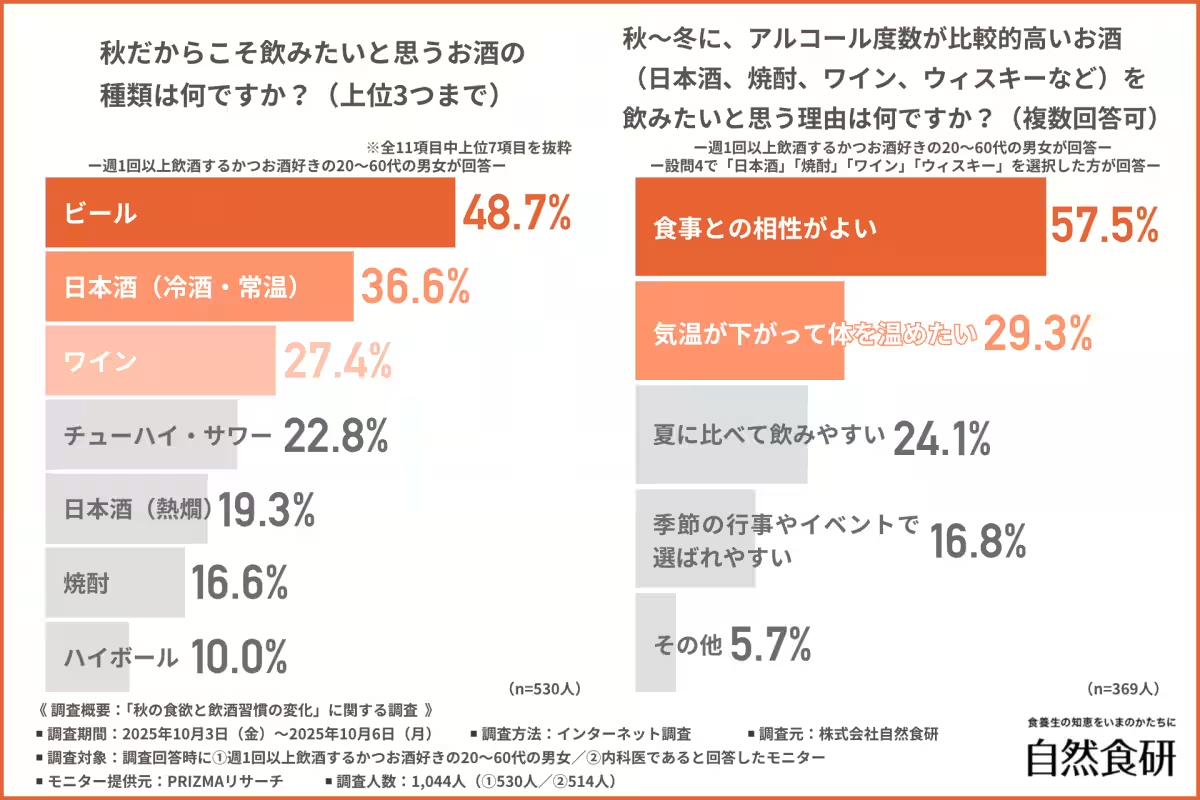
Many participants were also queried about their preferred alcoholic beverages in the fall. The results show that nearly 48.7% prefer beer, while 36.6% lean towards Japanese sake, whether served cold or at room temperature, and 27.4% opt for wine. This preference offers insights into the evolving drinking culture and how seasonal changes influence choices while dining.
The Influence of Alcohol Content on Seasonal Drinking Habits
In the autumn and winter months, a significant number of respondents displayed a preference for beverages with higher alcohol content. Sixty-five percent of respondents cited that high-alcohol drinks, such as sake and whiskey, are appealing due to their compatibility with autumnal meals (57.5%) and the desire to keep warm as temperatures drop (29.3%). This pattern suggests a direct link between the weather, food, and alcohol choices individuals make, emphasizing a mindful connection that can both elevate one’s dining experience and potentially lead to excess consumption if not approached carefully.
Health Considerations: A Call for Conscious Drinking
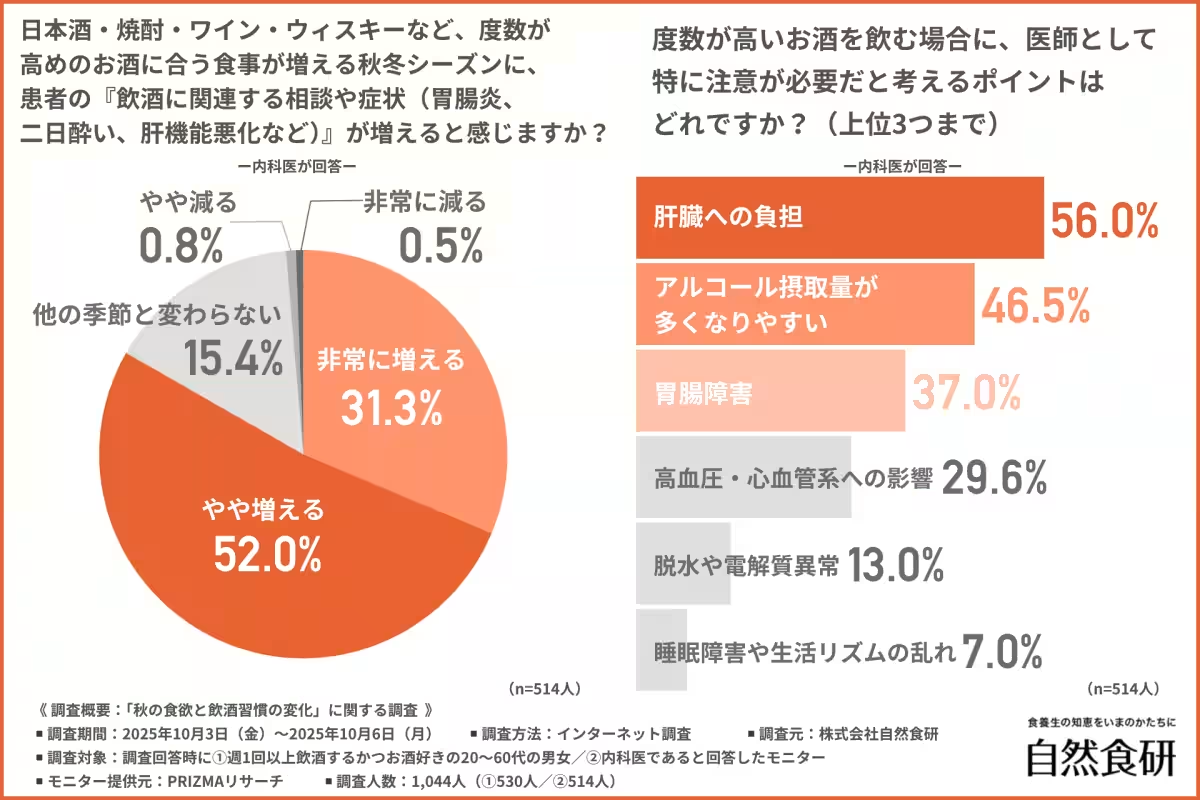
As autumn progresses, potential health risks associated with increased drinking have garnered attention. A staggering 83.3% of physicians noted a rise in alcohol-related consultations during the autumn and winter months, particularly relating to conditions such as gastritis and liver dysfunction. This statistic emphasizes the importance of moderation and underscores the need for self-awareness regarding one’s drinking habits during this festive season.
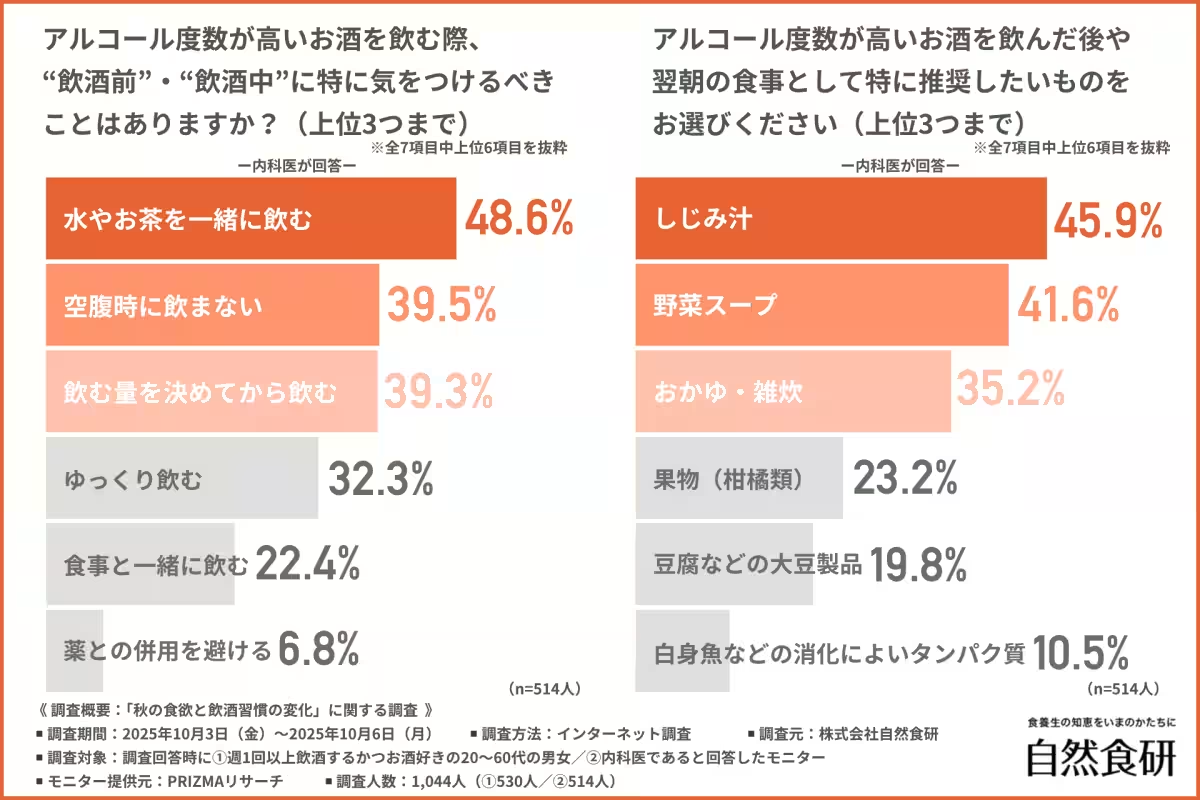
Notably, physicians conveyed major concerns regarding the impact of higher-alcohol beverages on health, stressing the risks relating to liver function and overeating during gatherings. They recommended several strategies for safe drinking practices, including alternating alcoholic beverages with water to stay hydrated, avoiding alcohol on an empty stomach, and setting personal limits on consumption to prevent adverse effects on health.
Dietary Recommendations: Embracing Traditional Foods for Recovery
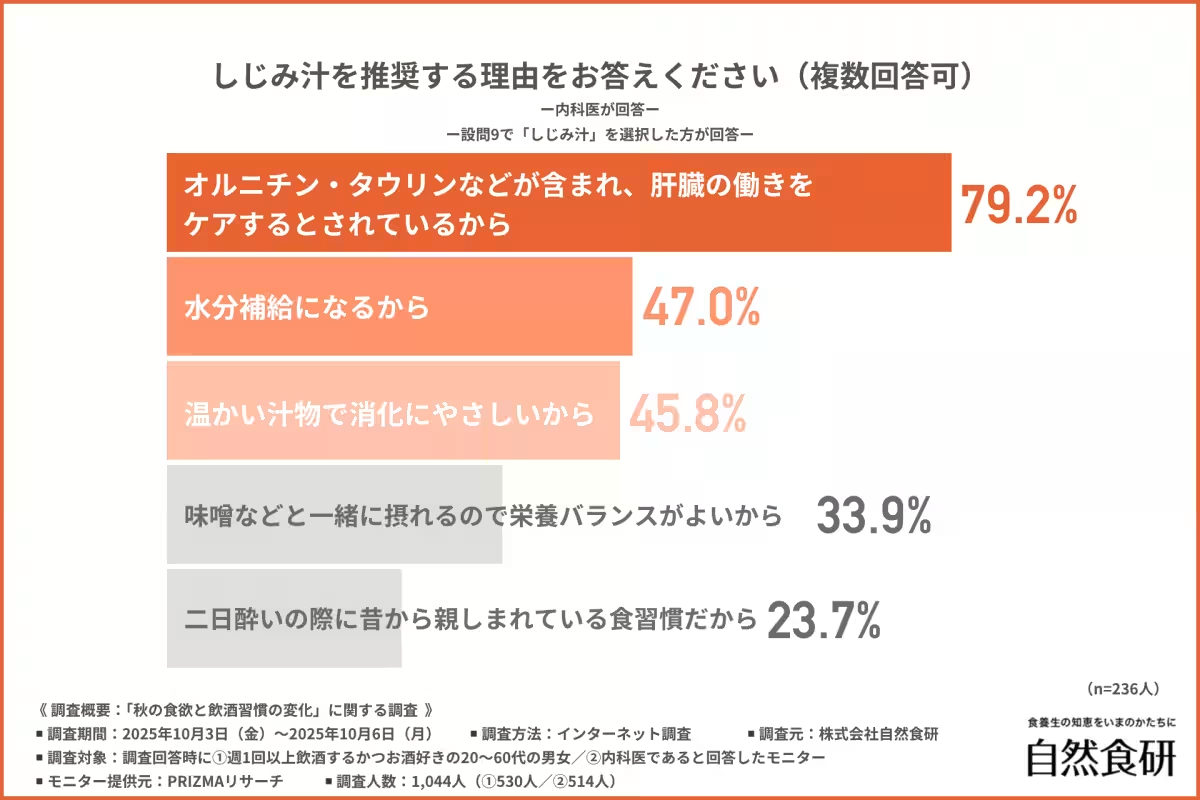
In the wake of enjoying higher-alcohol content drinks, many health professionals suggest dietary recovery strategies. When asked about post-drinking meal recommendations, 45.9% supported the idea of consuming shijimi soup, known for its nourishing properties. Shijimi is often celebrated for its amino acids, such as ornithine and taurine, believed to aid in liver functionality. This cultural tradition links contemporary dietary choices to historical practices, offering a modern, yet familiar method for maintaining health during seasons of indulgence.
As our findings indicate, this autumn, as many revel in the splendor of seasonal flavors and drinks, being mindful of balance is essential for both enjoyment and health. Incorporating traditional foods like shijimi soup into one’s post-drink routine can serve as a step towards not only savoring Japan’s healthful culinary heritage but also promoting overall well-being during the festive season.
Topics Consumer Products & Retail)
【About Using Articles】
You can freely use the title and article content by linking to the page where the article is posted.
※ Images cannot be used.
【About Links】
Links are free to use.