



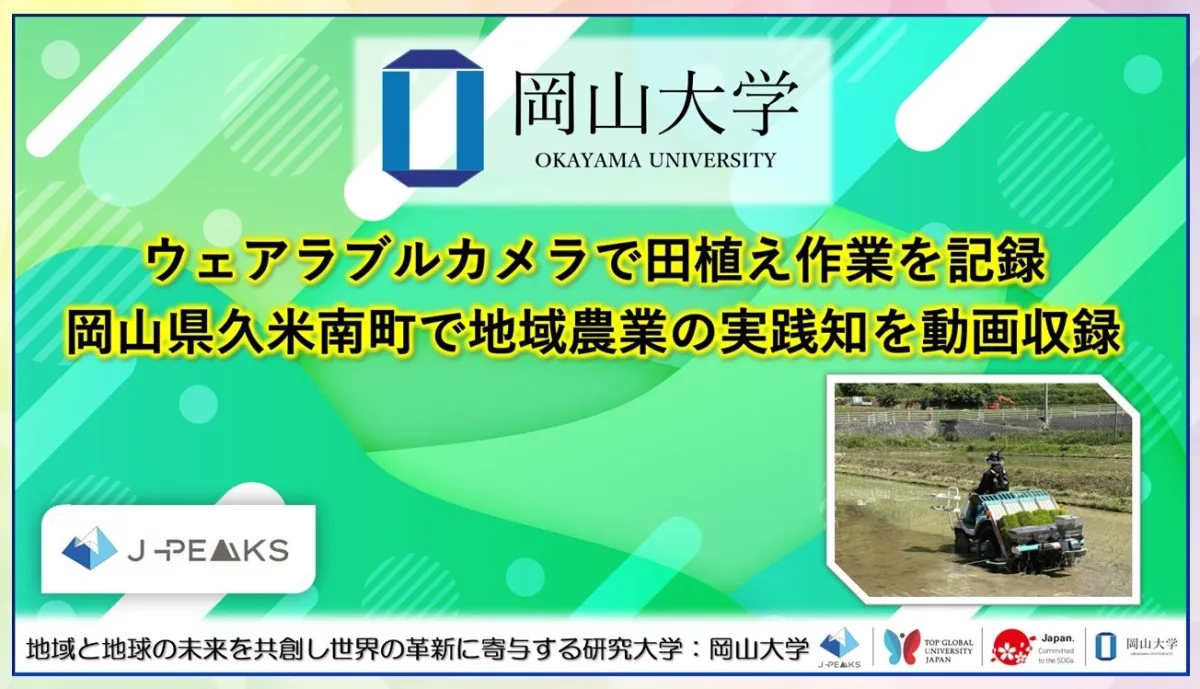
Okayama University Records Rice Planting Activities Using Wearable Cameras
Innovative Project at Okayama University
In an age where rural areas face declining populations and aging workforces, the sustainment of local agriculture is crucial. A recent endeavor by Okayama University and Okayama University of Science has taken practical steps towards this goal through the unique use of wearable cameras.
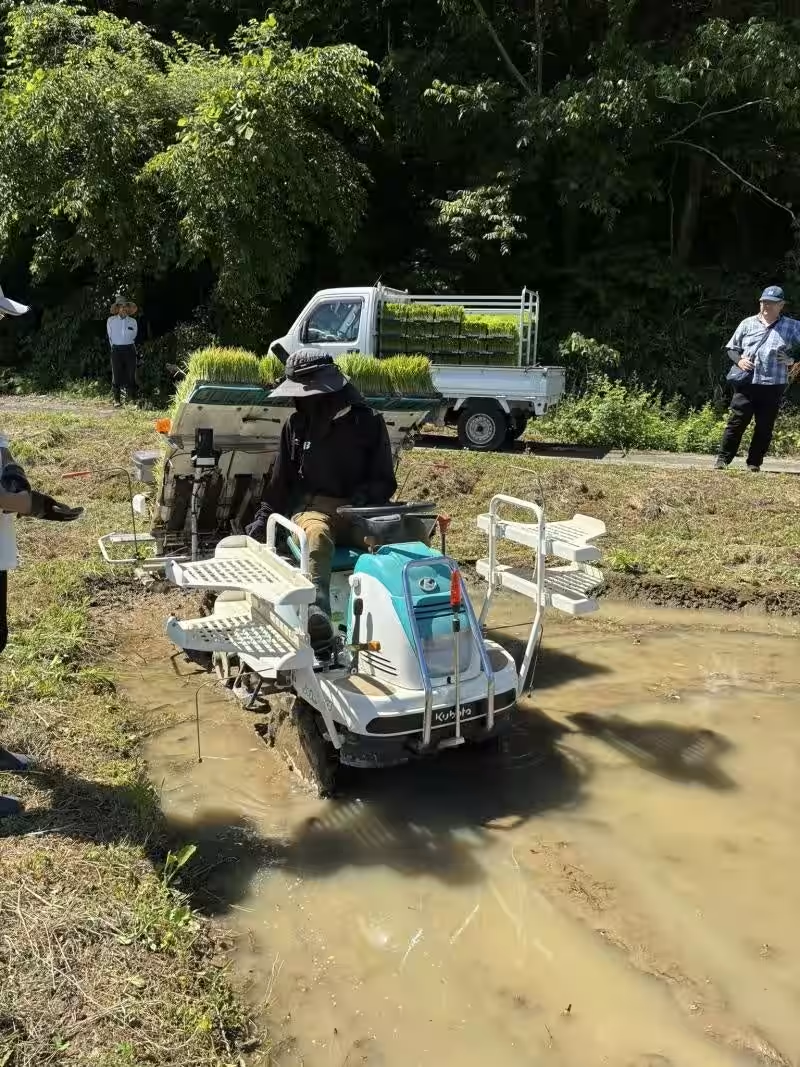
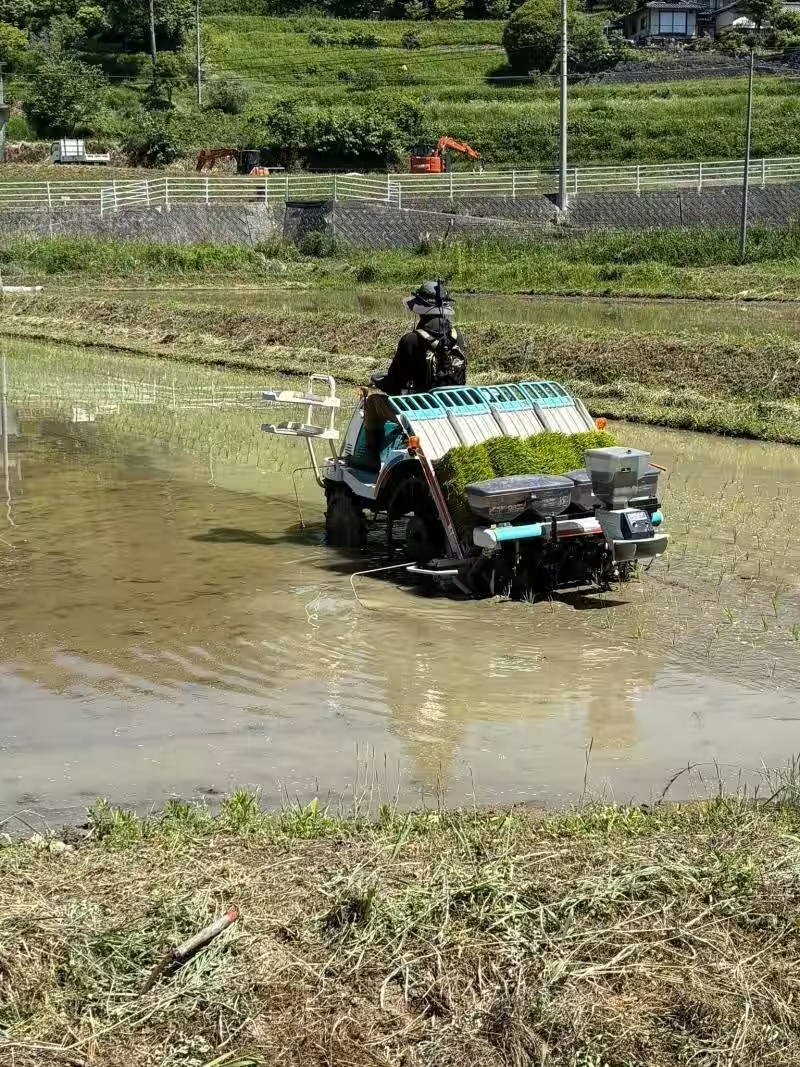
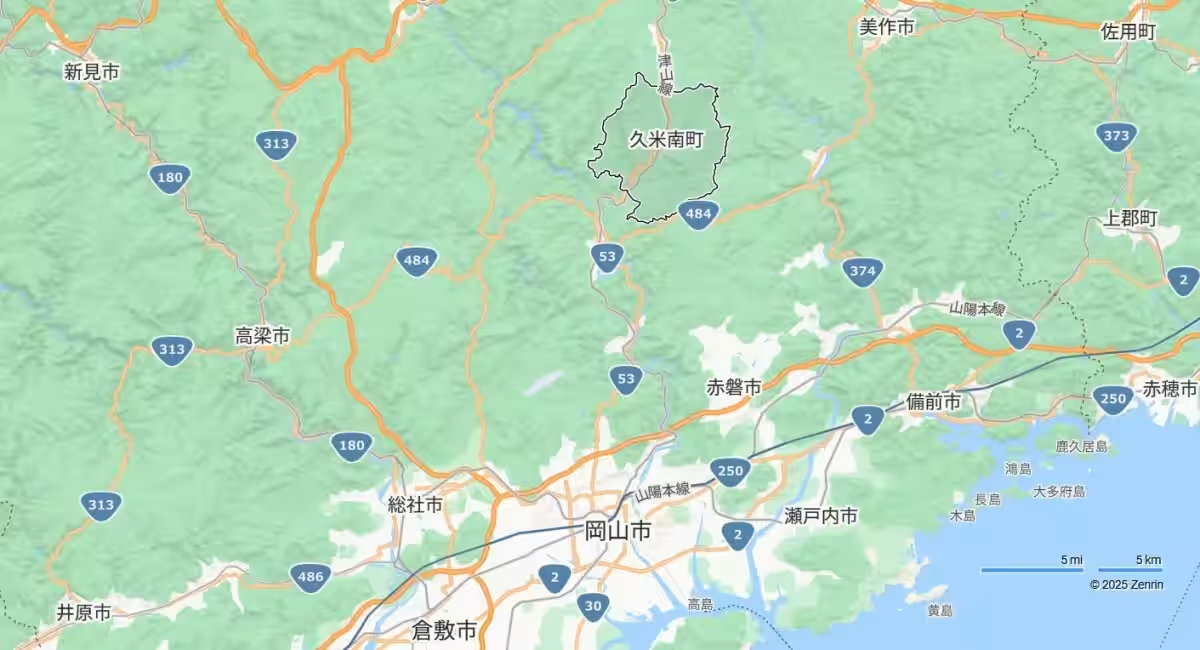
On May 30, 2026, a team formed by researchers from both universities gathered in Kumenan Town, Okayama Prefecture, to record the process of rice planting. This project is part of a grant initiative by the Toyota Foundation under the 2024 fiscal year program addressing 'Population Decline and Japanese Society.' The primary aim is to develop a new business model to support areas experiencing population decrease and to foster sustainable management of local resources.
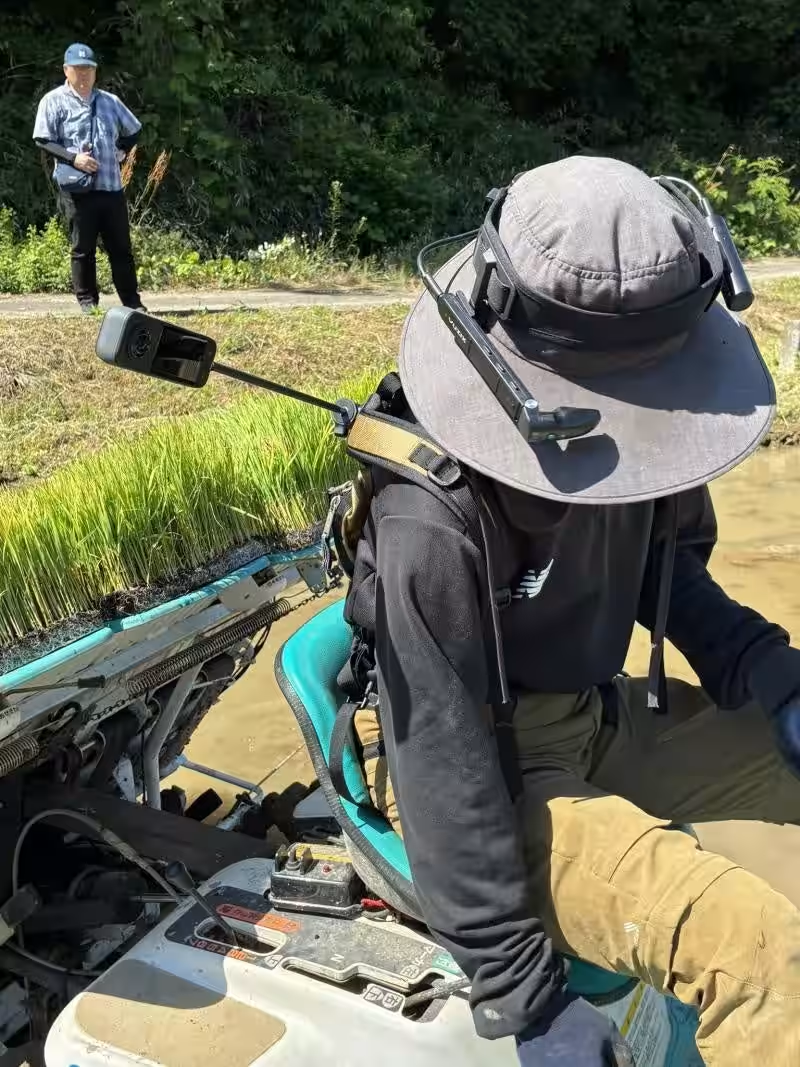
The video documentation captures various aspects of the rice planting task, demonstrating the importance of this agricultural activity as a foundation for local farming. During the process, two associate professors from Okayama University, Katsuhiro Onaka and Hisashi Dadahai, engaged with the local community to film the operations using high-tech wearable cameras. These include not only cameras mounted at eye level to record the workers' perspectives but also 360-degree cameras attached to their backs.
This multifaceted recording approach allowed the team to document critical tasks such as:
- - Transporting Seedlings: Showcasing the labor-intensive aspect of handling seedlings.
- - Loading onto Planting Machines: Capturing the intricate steps involved in preparing for planting.
- - Machine Operation: Highlighting the skills required to efficiently operate rice planting machines.
- - Field Navigation: Understanding the pathways taken within the field to optimize productivity.
- - Environmental Awareness: Noting interactions with surrounding factors that affect farming decisions.
The videos will later be analyzed at Okayama University of Science to extract meaningful data about the movements of the workers, their line of sight, relationships with their environment, and characteristics of the operational processes. This method of capturing practices provides a visual repository of tacit knowledge that is crucial for the continuation of agricultural tradition in the region.
Importance of Practical Knowledge in Agriculture
Rice planting is not just a task; it's a key practice that supports regional agriculture. The organization of this work, machine handling, situational judgment depending on field condition, and the collaborative efforts of multiple individuals rely heavily on experience-based knowledge. However, passing on these essential skills has become increasingly challenging, particularly in areas facing workforce reduction.
Through this video documentation, the goal is to visualize the implicit knowledge accumulated in regional agriculture and facilitate its transfer to the next generation. The research team also plans to examine the potential for developing digital archives of local resource management practices, establishing a manual for operations, and fostering future agricultural caretakers.
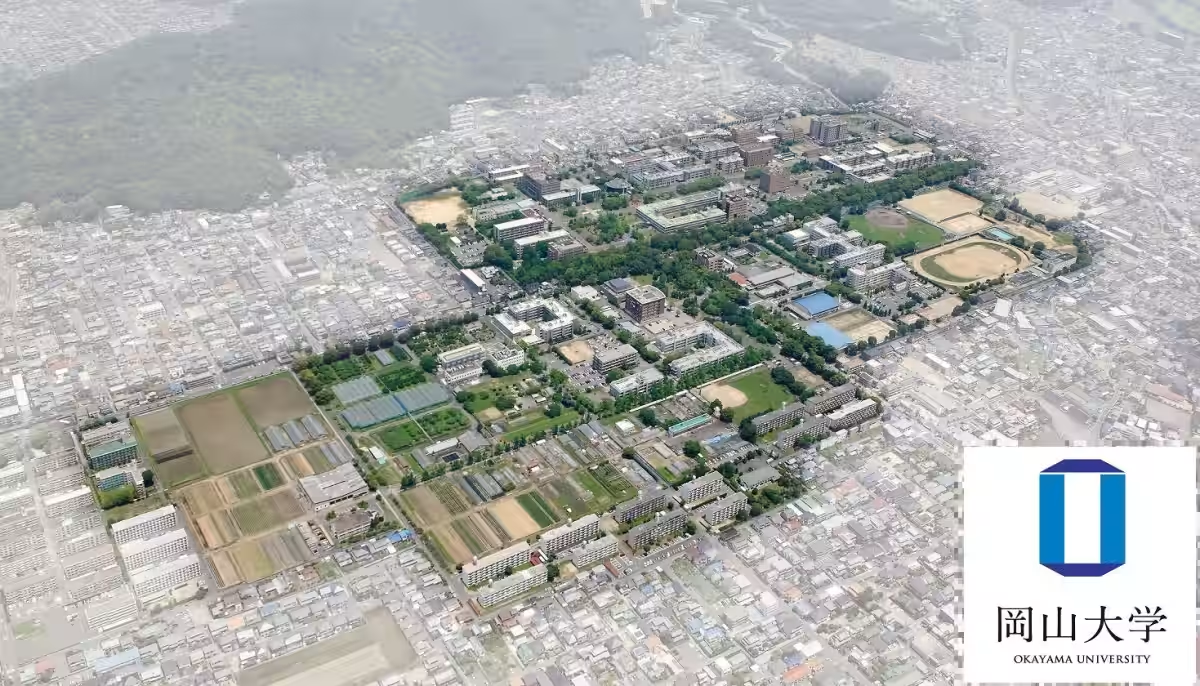
The initiative aligns with Okayama University's mission as a core research institution, enhancing its connection to local issues while promoting sustainable community practices. Additionally, it supports the university's commitment to fostering a shared vision for the future of the region and the planet, as emphasized in its J-PEAKS program.
The university will maintain collaboration with Kumenan Town and other stakeholders to explore new models for sustainable agriculture and resource management within population-decreasing regions. Through these actions, Okayama University continues to work towards its goal of becoming a prominent institution that contributes significantly to local and global innovation.
Conclusion
With the integration of wearable technology in documenting agricultural practices, Okayama University is setting a precedent in how to maintain and transfer agricultural knowledge in a rapidly changing demographic landscape. The vision for a sustainable future, supported by this innovative project, showcases the critical role that educational institutions can play in preserving local culture, practices, and histories for generations to come.



Topics Other)



【About Using Articles】
You can freely use the title and article content by linking to the page where the article is posted.
※ Images cannot be used.
【About Links】
Links are free to use.