




Job Research Institute Reveals Insights on Career Changes and Salary Expectations for 2025
Insights from Job Research Institute's 2025 Survey on Employment and Salary
In a recent survey conducted by Job Research Institute (Job総研), a branch of Persol Career Inc., the challenges surrounding salary expectations and job transitions have been put under the microscope. The study, which surveyed 352 working men and women, aimed to uncover the realities of current salary dissatisfaction, the potential for salary increases through job changes, and the motivations behind these transitions.
Salary Dissatisfaction Among Workers
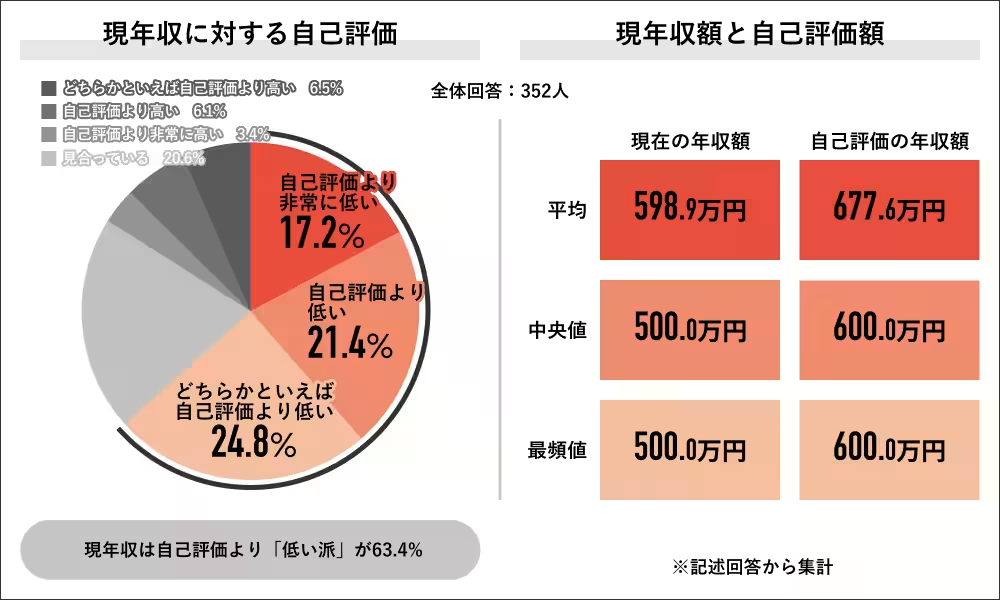
According to the findings, a staggering 63.4% of respondents reported feeling that their current salary is lower than their self-assessment. The average current salary stands at approximately 5,989,000 yen, compared to a self-evaluated average of 6,776,000 yen, revealing a significant gap of 787,000 yen. This discrepancy echoes the results of a previous survey conducted in 2022, where 60% of workers expressed dissatisfaction with their earnings, emphasizing a persistent issue amidst rising living costs.
Trends in Salary Increases via Job Changes
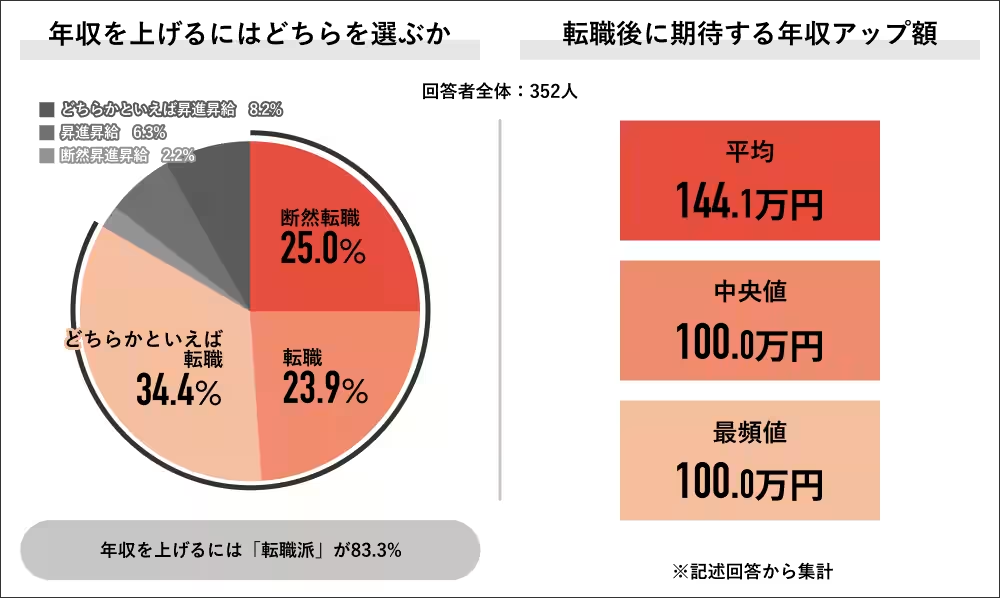
The 2025 survey highlights a growing trend: 83.3% of respondents indicated they would prefer job changes over in-house promotions or raises as a means to achieve salary increases. The average anticipated salary increase from a job change was reported to be around 1,441,000 yen, indicating that many workers have high expectations and aspirations for their earnings.
Purpose Behind Job Transitions
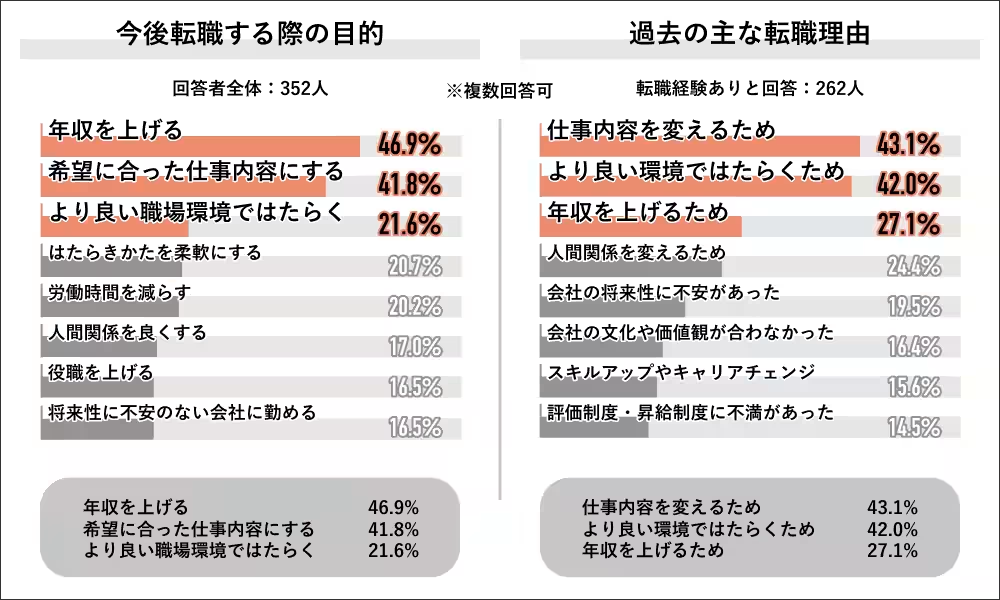
When probing the motivations for potential job changes, 46.9% of respondents identified increasing their salary as their primary goal. This is a notable shift from previous major reasons for leaving jobs, which typically centered around changing job roles or seeking a better work environment. Interestingly, a considerable portion indicated that they had previously changed jobs primarily to enhance their working conditions.
Salary Changes from Recent Job Transitions
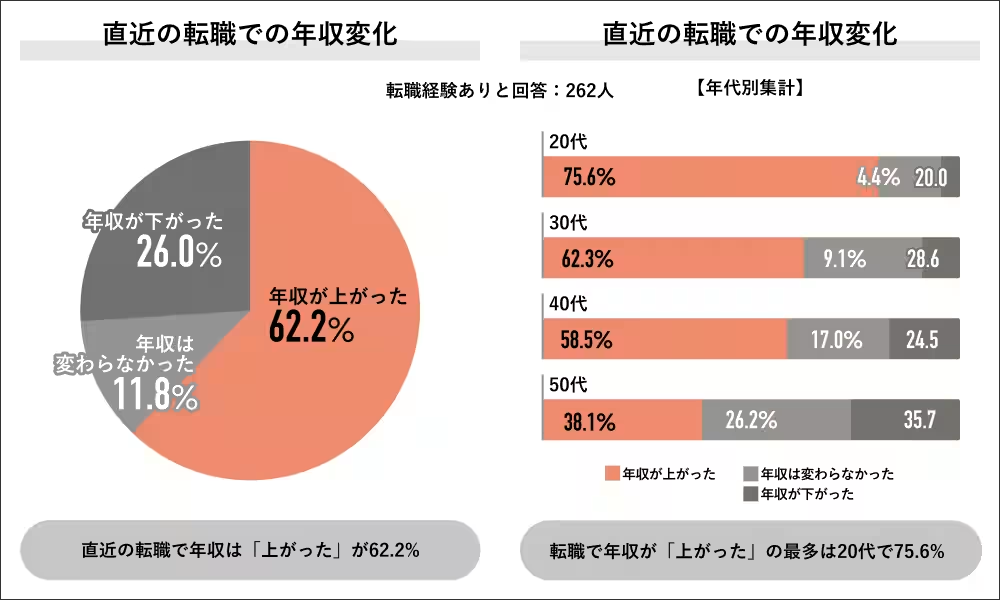
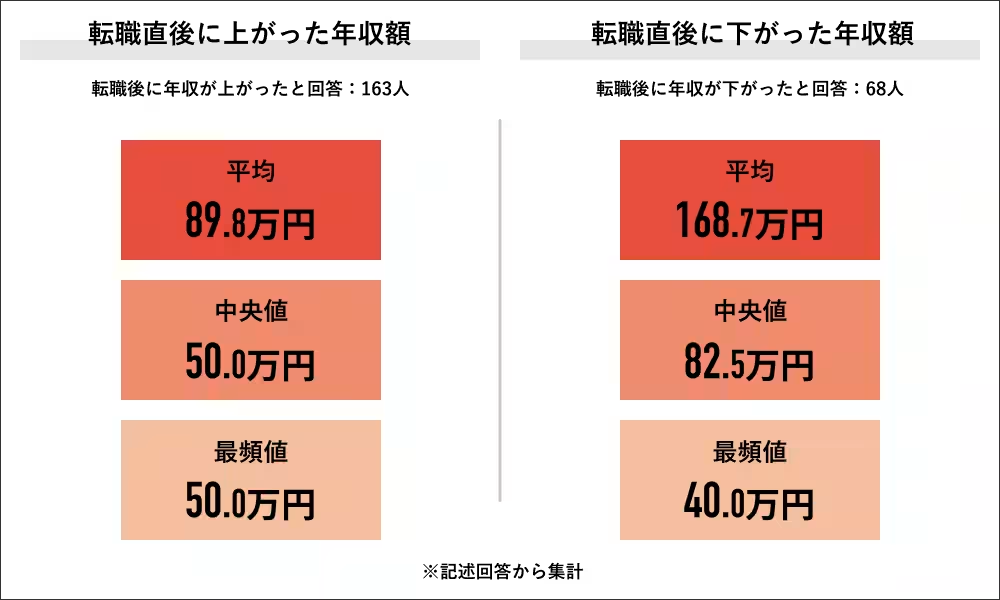
Among those who left their jobs, 62.2% reported that they experienced a salary increase following their most recent transition. Notably, younger workers in their 20s were the most successful, with 75.6% reporting increased earnings, whereas the percentage declined with age. On average, those who saw salary increases reported an uplift of 898,000 yen, while those who experienced decreases reported an average drop of 1,687,000 yen.
Defining Success and Failure in Job Transitions
When assessing what constitutes a successful job change, 42.9% of respondents defined it as a salary increase. This was closely followed by higher freedom in work flexibility (34.1%) and aligning job roles with personal expectations (33.0%). Conversely, the top reason cited for unsuccessful transitions centered around falling salaries or unmet expectations (32.1%) and a lack of fit within their job roles (29.0%). These findings indicate that salary alone is not the sole indicator of a successful transition; fulfillment and job compatibility also play crucial roles.
Conclusion
The data from Job Research Institute underscores a significant disparity between individuals' perceived worth versus their actual salaries. As more individuals opt for job changes to seek better financial positioning due to stagnating wages heavily influenced by inflation, the trend reflects a shift from valuing corporate recognition to pursuing market value. The ongoing analysis aims to provide valuable insights as job seekers navigate their career paths, emphasizing the importance of both salary and job satisfaction in long-term career planning.
By continuing to question job norms and expectations, Job Research Institute commits itself to shedding light on the evolving landscape of employment research, ultimately contributing to a society where individual contributions are valued and recognized.


Topics Business Technology)
【About Using Articles】
You can freely use the title and article content by linking to the page where the article is posted.
※ Images cannot be used.
【About Links】
Links are free to use.