



Insights into 2026 Recruitment Activities: Key Findings from the Latest Corporate Survey
Insights into 2026 Recruitment Activities
In a recent survey conducted by CareerTasu, a leading recruitment consultancy based in Bunkyo, Tokyo, key findings regarding recruitment activities for the 2026 graduating class have been unveiled. This comprehensive survey targeted 16,574 major companies across Japan, from which 1,035 provided valuable insights during the research period from April 7 to April 14, 2025.
Recruitment Outlook for the 2026 Graduating Class
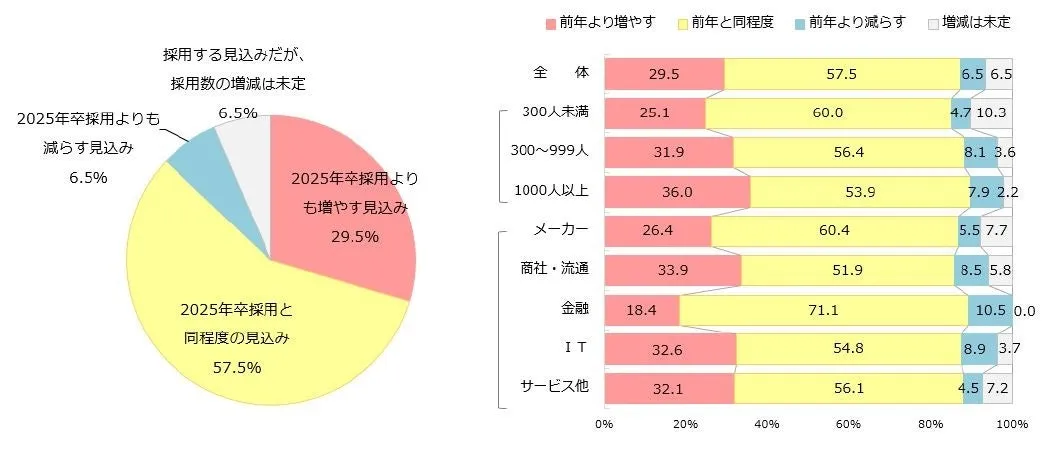
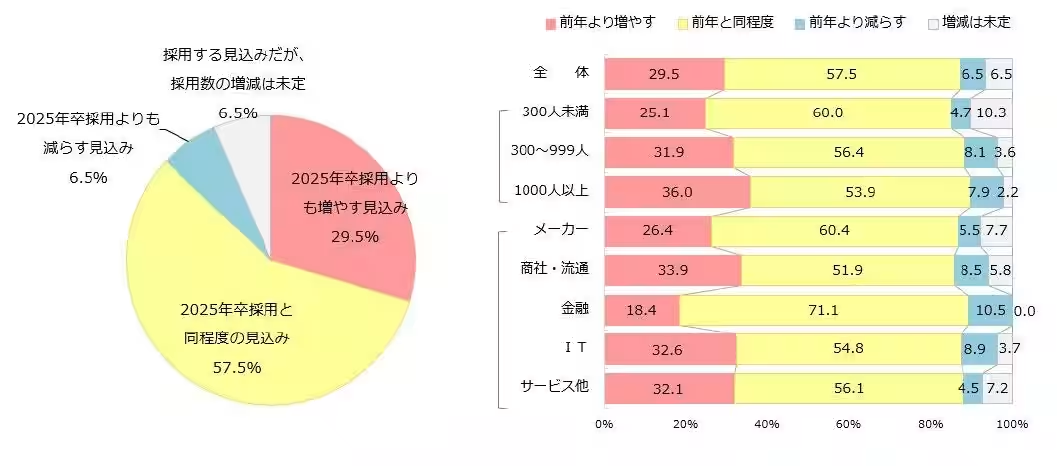
One of the primary focuses of the survey was to assess the job recruitment outlook for the upcoming graduates. Early data indicates that the anticipated recruitment numbers for the 2026 cohort show a comparison with the previous year’s data, highlighting trends and shifts in corporate hiring strategies. In a graphical representation, companies can gauge how recruitment plans are evolving, reflecting the current economic climate.
Student Response Compared to Previous Year
In analyzing how students are engaging with recruitment efforts, the survey highlighted changes in seminar attendance and the number of applications for positions compared to the previous year. Companies reported varying levels of enthusiasm from potential candidates, providing a clear indication of shifting dynamics in the job market. This comparison is crucial for employers to strategize and adjust their recruitment practices accordingly.
Current Sentiments on Recruitment Activities
A significant part of the survey investigated how companies feel about their current recruitment activities. Businesses expressed both confidence and concerns surrounding the ongoing recruitment process, utilizing a series of charts to visualize these sentiments. Challenges such as attracting qualified candidates and adapting to market demands have surfaced, prompting companies to rethink their recruitment initiatives.
Anticipated Challenges in Recruitment
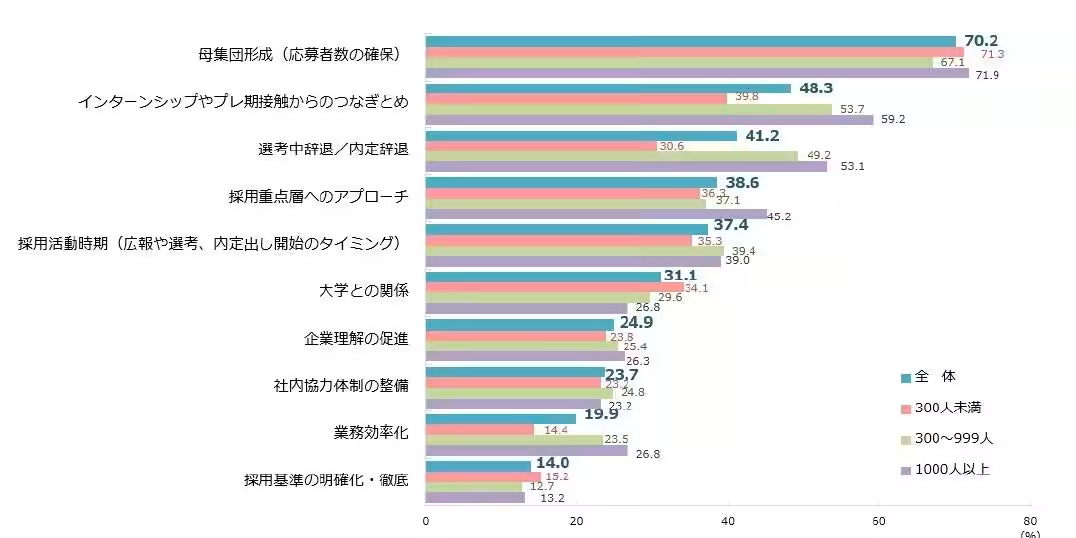
As the survey delved deeper, it became apparent that organizations are facing specific challenges in their recruitment processes. Respondents highlighted obstacles they have encountered thus far, which has been illustrated in a dedicated chart. Understanding these difficulties helps companies strategize more effectively and cater their recruitment efforts to alleviate these issues moving forward.
State of Talent Pool Formation
The survey also explored the current state of talent pool formation in comparison to expected outcomes. Many companies shared their insights on achieving or missing their targeted talent acquisition goals, offering a realistic view of hiring effectiveness. Respondents also indicated their plans for additional talent pool formation, demonstrating proactive strategies for talent acquisition.
Sense of Urgency in Recruitment Activities
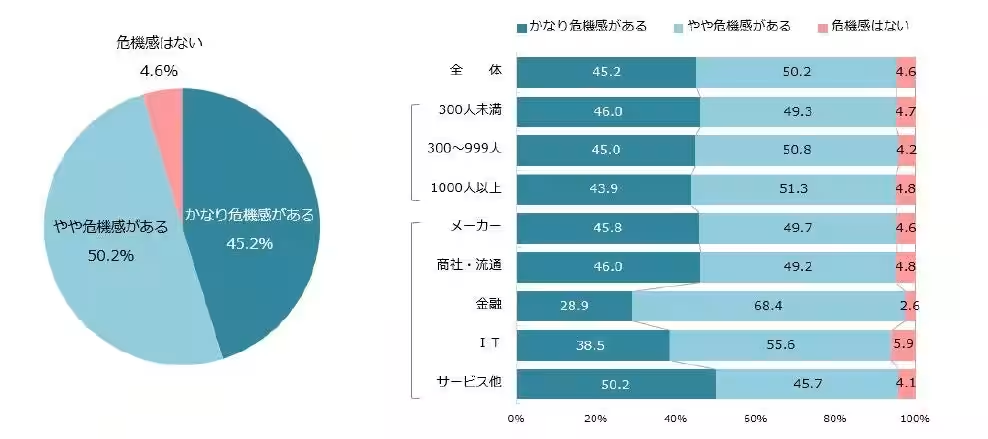
An intriguing aspect of the survey was the general sense of urgency that companies are experiencing regarding their recruitment activities. Using illustrative data, firms indicated their perceptions of urgency in filling positions as they navigate competitive challenges. This urgency signals a need for quicker decision-making processes in hiring to secure top talent.
Recruitment Completion Timelines
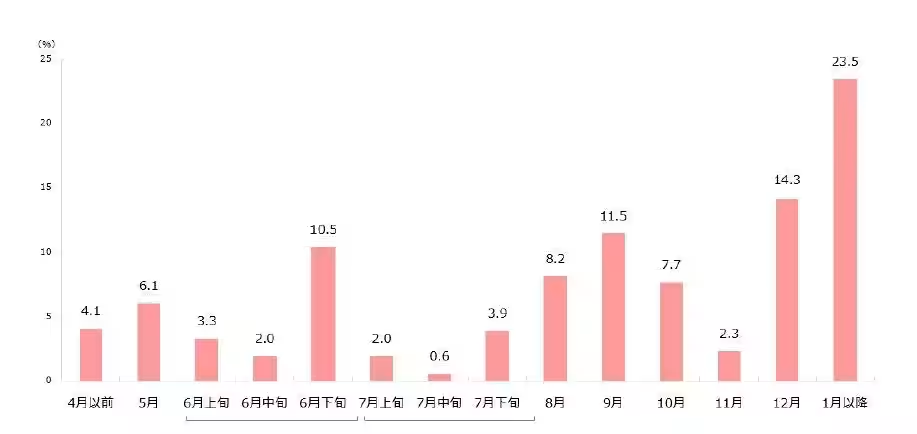
The survey captured projected timelines for when companies expect to conclude their recruitment activities. With job market fluctuations, understanding these timelines is essential for all stakeholders involved in the recruitment process.
Summer Internship Plans
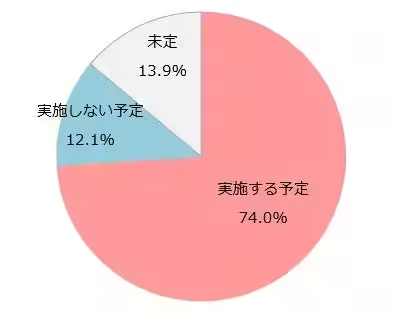
Looking ahead, many businesses are planning to implement summer internships as part of their recruitment strategies. The survey provided insights into the expected programs and their capacity, illustrated to assist companies in preparing for this critical phase. Expanding internship deadlines and increasing participant capacity is indicative of a robust commitment to nurturing future talent.
Outlook for the 2027 Graduating Class
Finally, organizations shared their projections for recruitment efforts aimed at the graduating class of 2027. Many companies expressed intentions for specific focal points in their recruitment strategies moving forward, revealing opportunities for potential collaborations with educational institutions.
In conclusion, this comprehensive corporate survey sheds light on the ongoing changes within recruitment practices, responding to the needs and expectations of students while recognizing the challenges faced by employers. For deeper insights and a detailed report, please follow the link to the survey.
Topics Business Technology)
【About Using Articles】
You can freely use the title and article content by linking to the page where the article is posted.
※ Images cannot be used.
【About Links】
Links are free to use.