



The Rise of Influencer Marketing in Japan: Analyzing the 2024 Trends and Future Opportunities
The Rise of Influencer Marketing in Japan
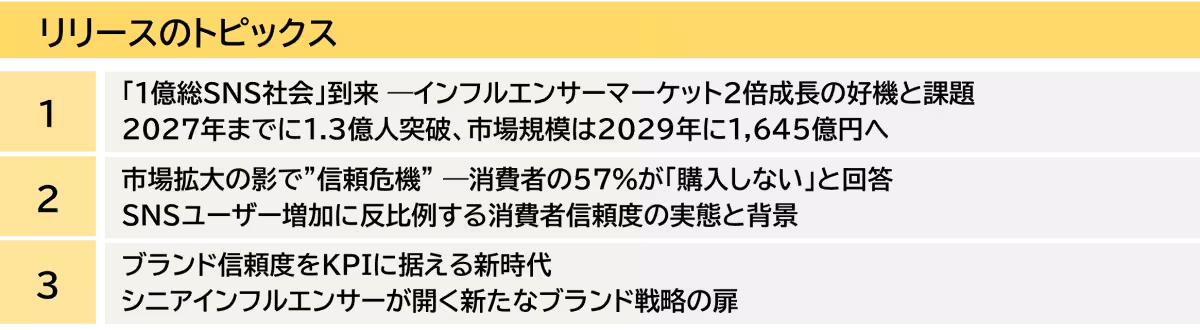
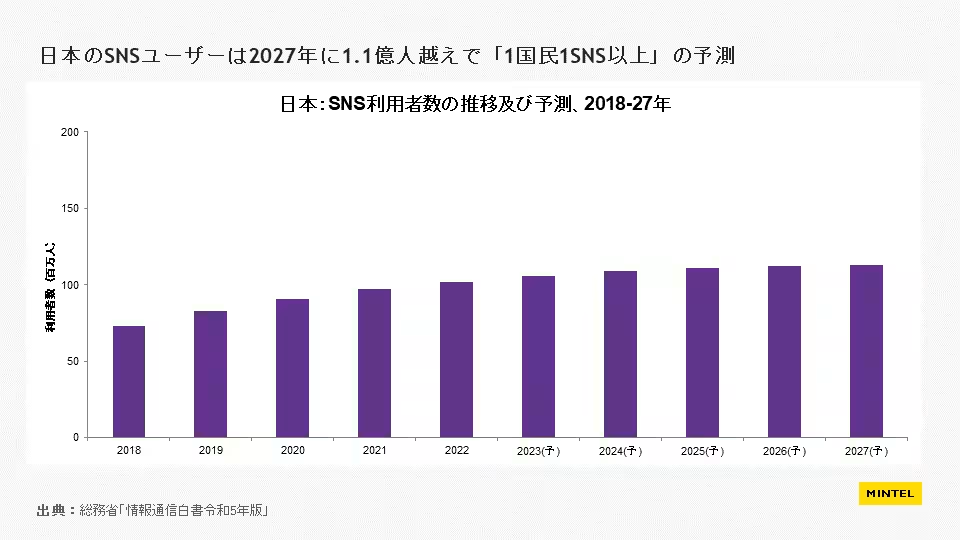
In a rapidly evolving digital landscape, the influencer marketing industry in Japan is undergoing significant transformation. According to a report presented by Mintel Japan, the nation is on the brink of a social media revolution, with projected SNS users surpassing 130 million by 2027. This phenomenon marks the onset of an era where each citizen possesses at least one social media account, aptly termed the "1 billion SNS society."
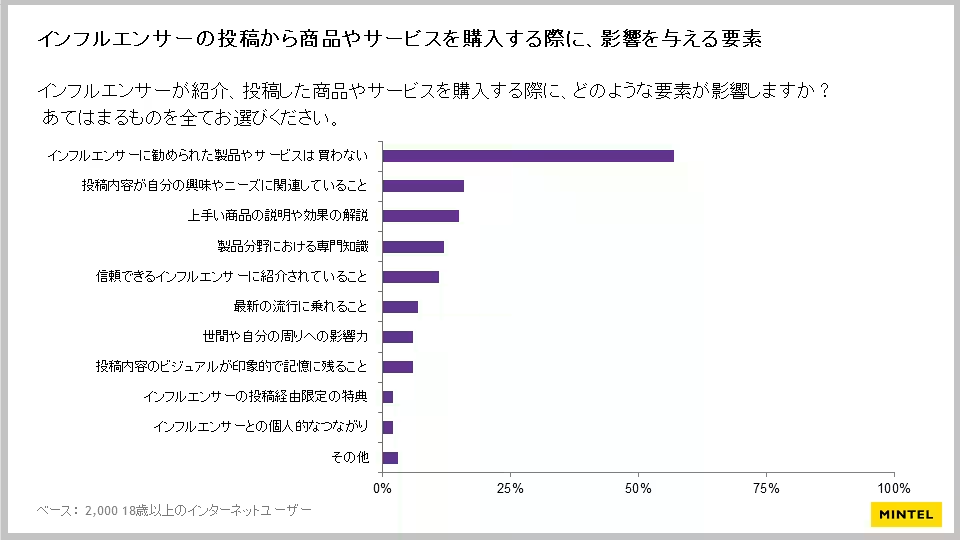
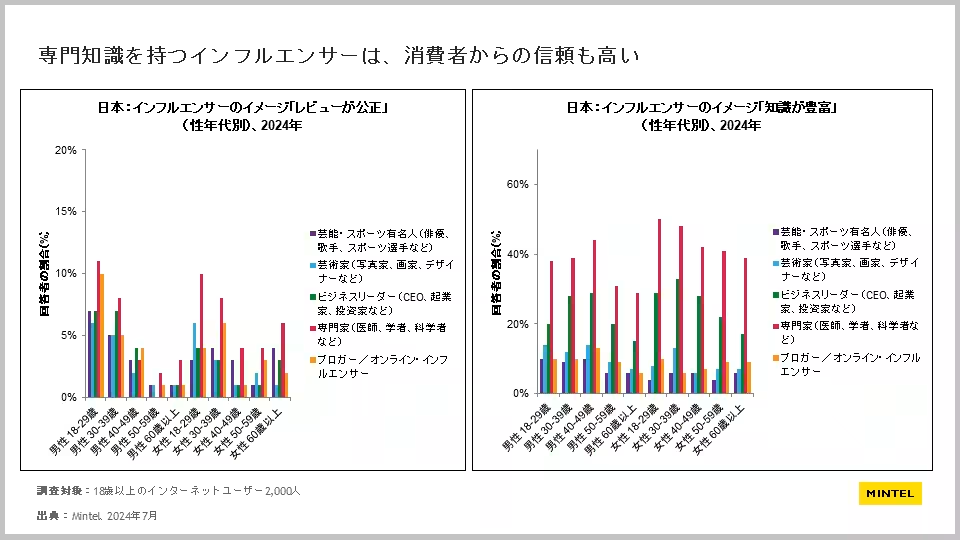
However, this monumental growth is coupled with skepticism among consumers, as over 57% have expressed reservations about purchasing products endorsed by influencers. This indicates a growing concern regarding the credibility of information being disseminated. Notably, influencers with specialized expertise have garnered substantial trust from consumers, revealing the necessity for companies to not only enhance recognition but also focus on trustworthy and informative content that stimulates purchasing behaviors.
The Potential of Senior Influencers
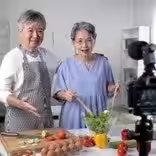
Particularly noteworthy is the emerging category of "senior influencers" in Japan's aging society. Leveraging their vast life experiences, these influencers can serve as a powerful bridge between consumers and brands. Their expertise and authenticity can significantly enhance the trustworthiness of marketing efforts. As companies seek to adapt in this new landscape, strategically engaging with senior influencers could set brands apart in an increasingly competitive market.
From Awareness to Purchase: A New Influencer Strategy
With Japan's demographic changes, businesses are required to innovate their influencer strategies. Moving from simple brand awareness to fostering purchasing decisions presents a significant opportunity. Brands that capitalize on the inherent knowledge and reliability associated with aging populations may find themselves at a competitive advantage, provided they can create content that resonates with this demographic.
Consumer Trust and Market Dynamics
The skepticism about influencers is indicative of a larger discourse regarding the reliability of online content. A UNESCO study highlighted that a significant percentage of influencers do not verify the accuracy of their posts, with many relying on metrics like likes and views as markers of credibility. This growing distrust among consumers is evident in the statistic that 57% of Japanese respondents will not purchase products recommended by influencers.
Consumers are increasingly prioritizing relevant information and expert opinions over popular trends. This shift emphasizes a fundamental change where consumers prefer reliable sources that can accurately convey necessary information rather than simply riding the waves of social trends.
The Rise of Nano and Micro-influencers
Alongside mainstream influencers, the emergence of nano and micro-influencers has transformed the marketing landscape. These influencers typically engage with smaller, more niche audiences and cultivate a sense of intimacy rarely found among their larger counterparts. Their insights and personal experiences can often lead to higher engagement rates and loyalty from followers who feel a stronger connection with them. Research in Germany suggested that a considerable number of consumers view influencers with larger followings as less credible, emphasizing the shift towards more relatable and specialized content.
Building Brand Trust as a Key Performance Indicator
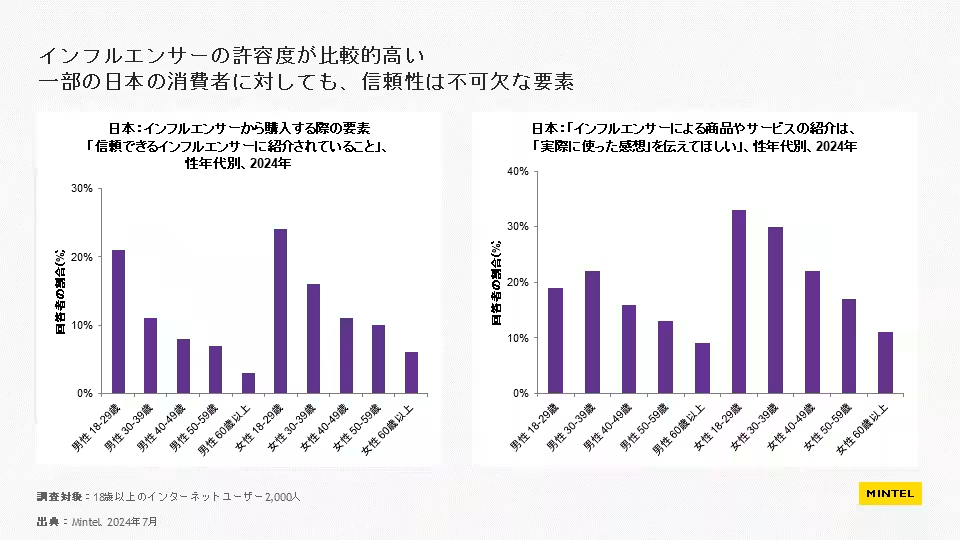
In assessing the purchase inclination among younger consumers aged 18-29, the preference for "trusted influencers" emerged prominently. Furthermore, genuine experiences and firsthand reviews are significant factors driving their purchasing decisions. They favor influencers who share practical and insightful perspectives rather than relying solely on promotional content.
Additionally, while experts such as doctors and scientists received high trust ratings for their reviews, influencers who prioritize aesthetic or creative aspects scored lower. This indicates an opportunity for brands to blend expertise and creativity in their engagements with consumers.
Seizing Business Opportunities in an Aging Japan
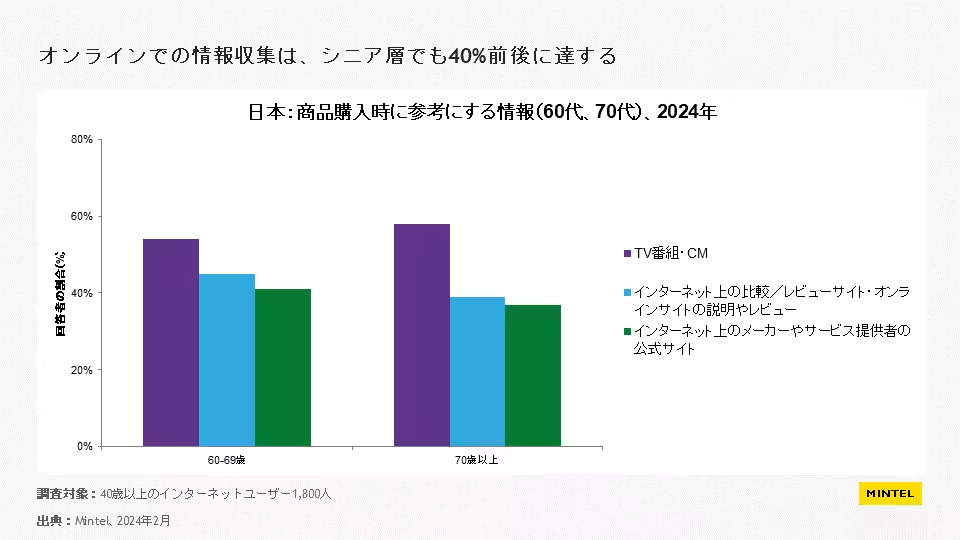
As Japan faces a demographic shift toward an aging population, there is a growing acceptance of online resources among older adults. Reports indicate that seniors are increasingly detailing their shopping preferences online, especially in sectors related to food and healthcare. The potential for influencer content that resonates with this demographic is immense, as leveraging their experiences could convert them into credible information sources.
As of 2023, Japan's population aged over 65 stands at over 36.2 million, accounting for approximately 29% of the total population. Projections indicate that by 2024, individuals over 50 will represent more than half of the total population. Notably, the percentage of internet users aged 70 and above has exceeded 65%, showcasing that digital adoption is not a barrier but rather an avenue for innovative marketing strategies.
Conclusion: Navigating the New Influencer Marketing Landscape
In conclusion, the future of influencer marketing in Japan rests in the hands of those who can authentically connect with their audience while addressing the emerging challenges of credibility and trust. Companies that effectively utilize the expertise of senior influencers and embrace innovative marketing strategies may unlock new opportunities for growth in a market that is ripe for transformation. To ensure that their messaging resonates, brands must remain agile, emphasizing transparency and reliability in their outreach efforts.
As this dynamic sector evolves, staying informed through resources such as the Mintel Japan report will provide invaluable insights for navigating the changing landscape of influencer marketing in Japan.


Topics Consumer Products & Retail)
【About Using Articles】
You can freely use the title and article content by linking to the page where the article is posted.
※ Images cannot be used.
【About Links】
Links are free to use.