




The Impact of Rising Prices on Senior Spending Habits: Insights from Recent Survey
Understanding the Impact of Inflation on Senior Consumers
A recent survey conducted by Cosmo Lab, a marketing platform dedicated to seniors, highlights the significant impact of rising prices on the spending habits of the elderly population in Japan. The study, which focused on individuals aged 50 and above, explored various aspects such as areas experiencing increased financial burden, changes in saving behaviors, and the prioritization of essential versus non-essential expenditures while also delving into expectations for public support moving forward.
Key Findings from the Survey
1. Major Concerns: Groceries and Utility Costs
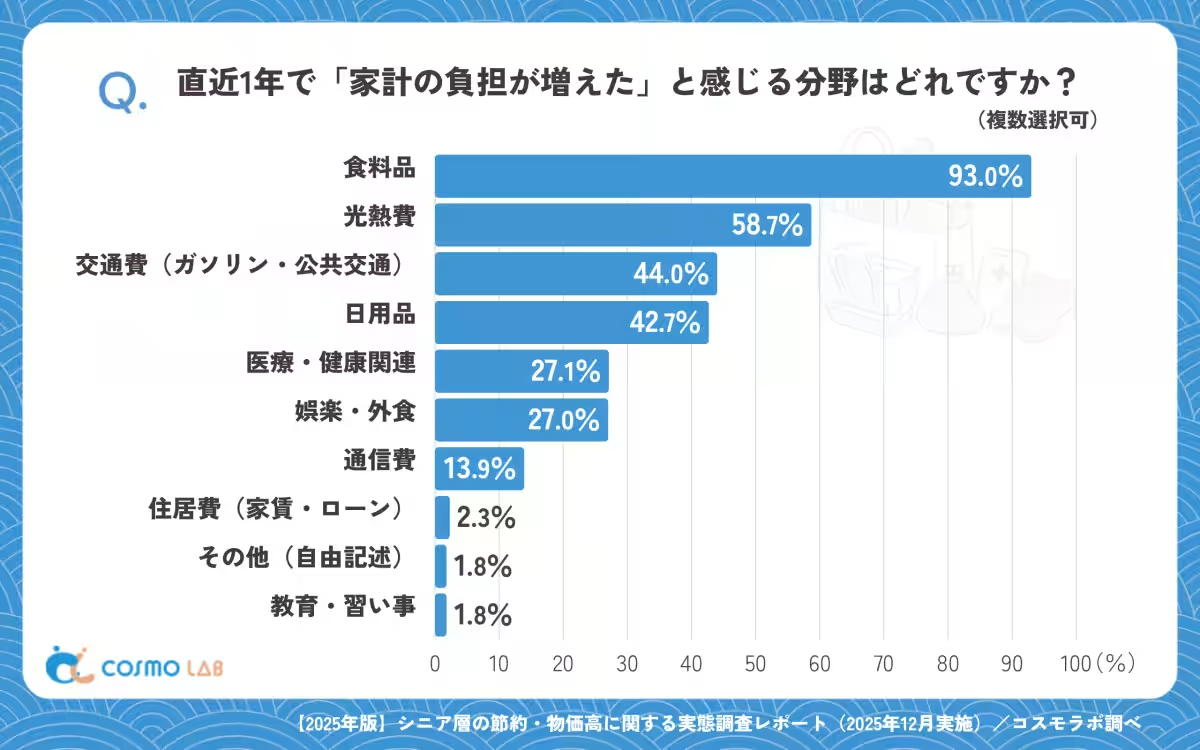
Most respondents reported feeling the strain of rising costs, with 93.0% indicating that groceries have become their greatest burden. Following groceries, 58.7% noted heightened sensitivity to utility bills, while 44.0% expressed concerns over transportation costs, including fuel and public transport. These areas represent essential costs, emphasizing how inflation has penetrated the daily lives of seniors, creating an ongoing pressure on household budgets.
2. Shifting Behaviors: Adapting to Higher Costs
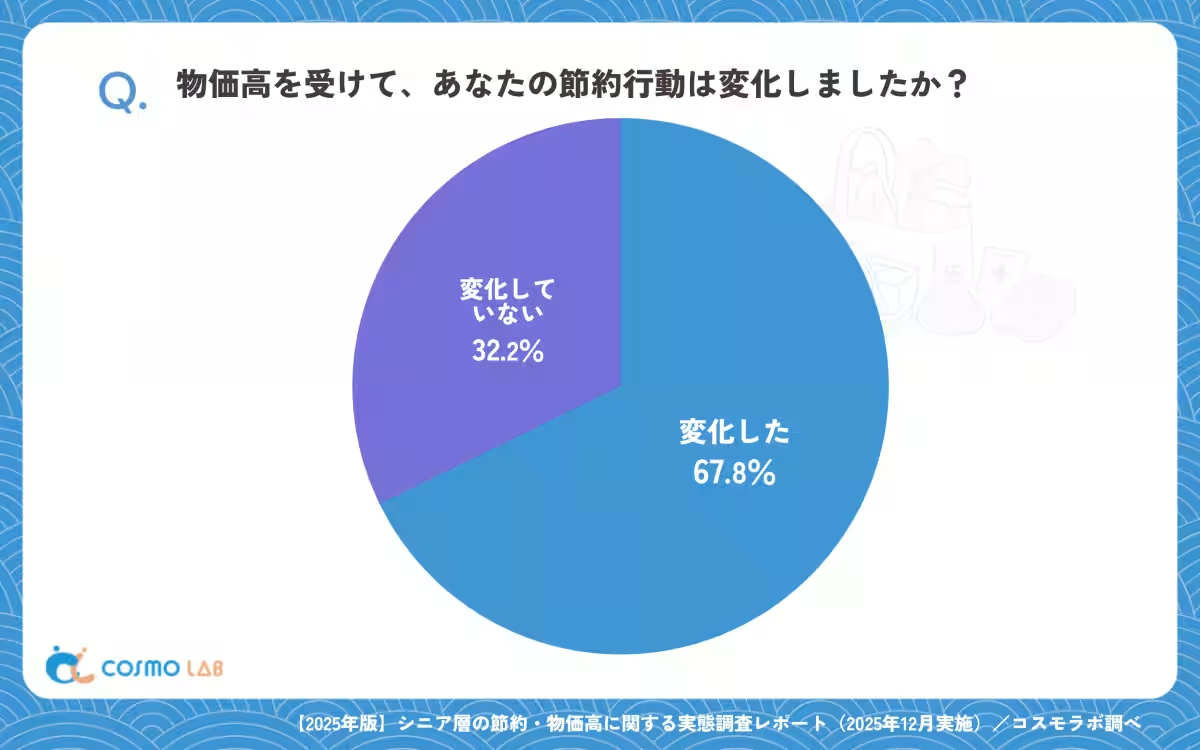
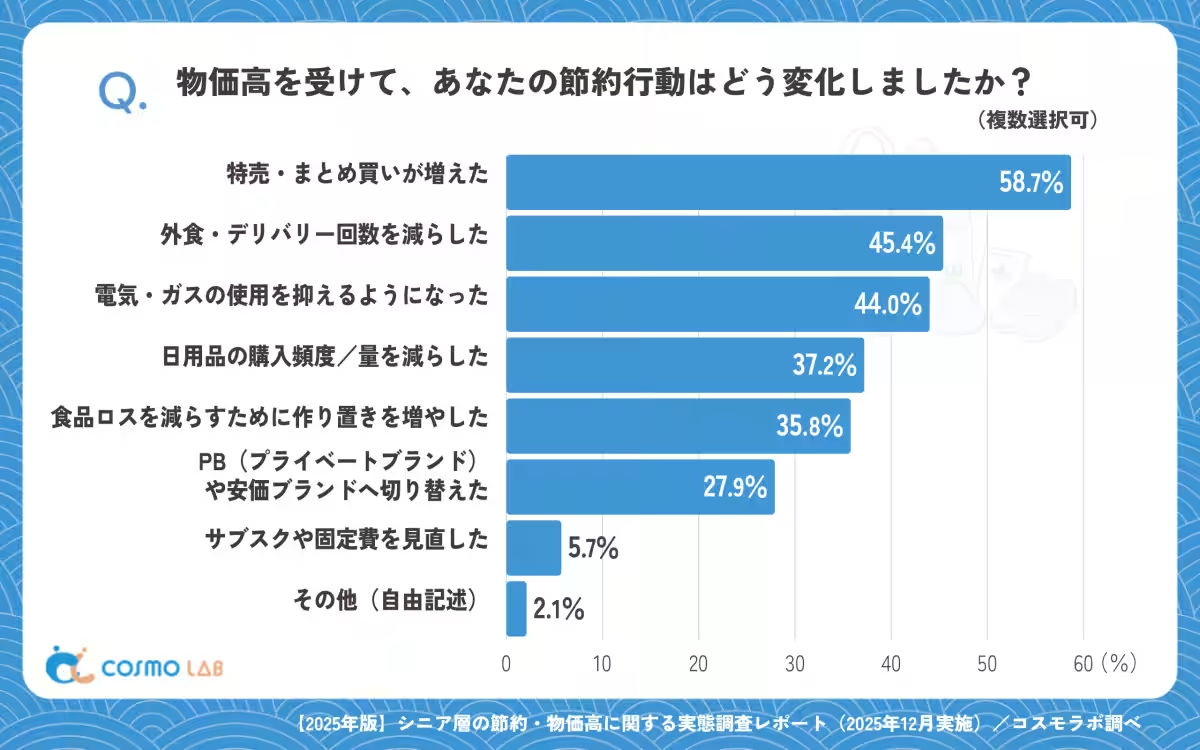
In reaction to increased prices, 67.8% of seniors acknowledged a change in their saving behaviors. Preferences shifted towards bulk purchasing and sales, with 58.7% opting for special promotions more frequently. Additionally, 45.4% reduced their dining out and delivery frequency, while 44.0% managed their household energy use more conservatively. These findings suggest a profound change in how seniors are adjusting their daily lifestyles in response to economic pressures.
3. A Balancing Act: Cutting Costs While Maintaining Quality
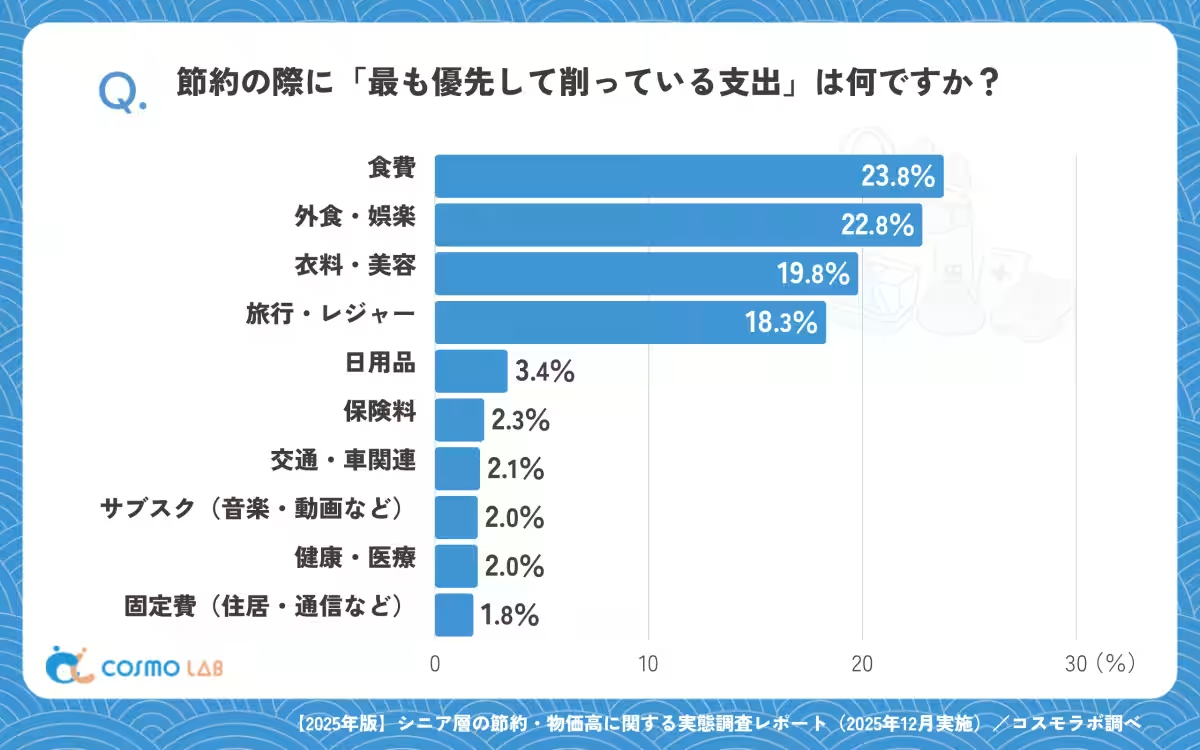
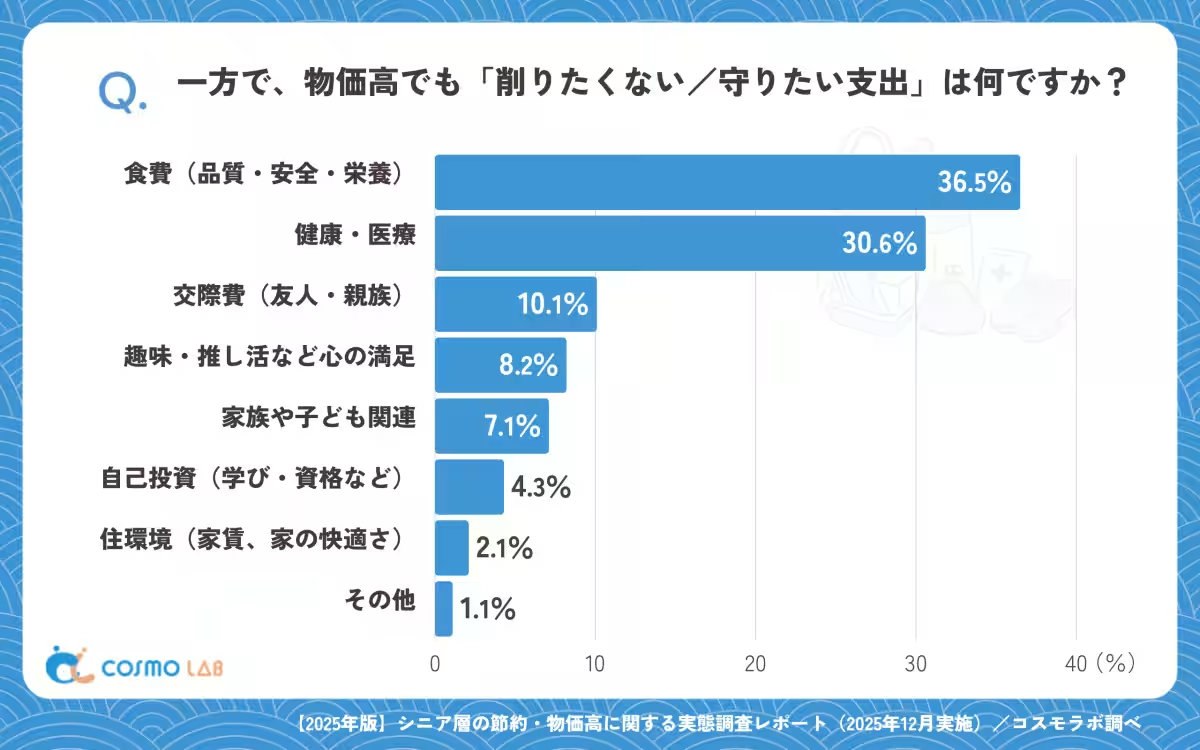
When it comes to expenditures they are most willing to cut, 23.8% identified meal costs as a primary target for reduction. Close contenders include entertainment and leisure activities at 22.8%, making clear that even essential expenses such as food are now under scrutiny. However, when participants specified what they are determined to continue spending on, 36.5% indicated that they prioritize food safety, quality, and nutrition, followed by health and medical expenses at 30.6%. This dual priority of cutting costs while protecting quality speaks to a wider trend among seniors – they are not just looking for the cheapest options but are seeking to maintain their quality of life amidst economic strains.
4. Inflation's Influence on Buying Decisions
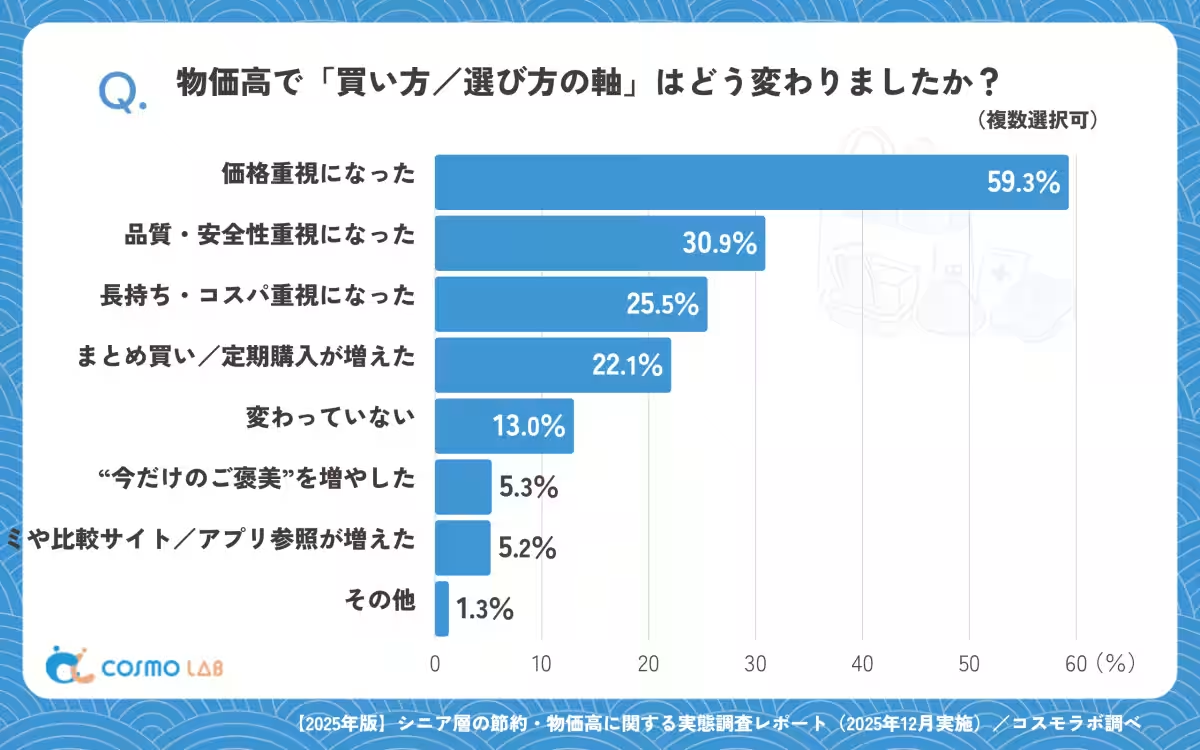
As inflation continues to rise, a clear shift in consumers’ purchasing criteria emerged. 59.3% of survey participants stated their focus has shifted to price, while 30.9% indicated an increased emphasis on quality and safety. This suggests that while cost remains a significant factor, senior consumers are also balancing price considerations with their desire for safe and durable products.
5. Special Treats: Cuts in Luxuries
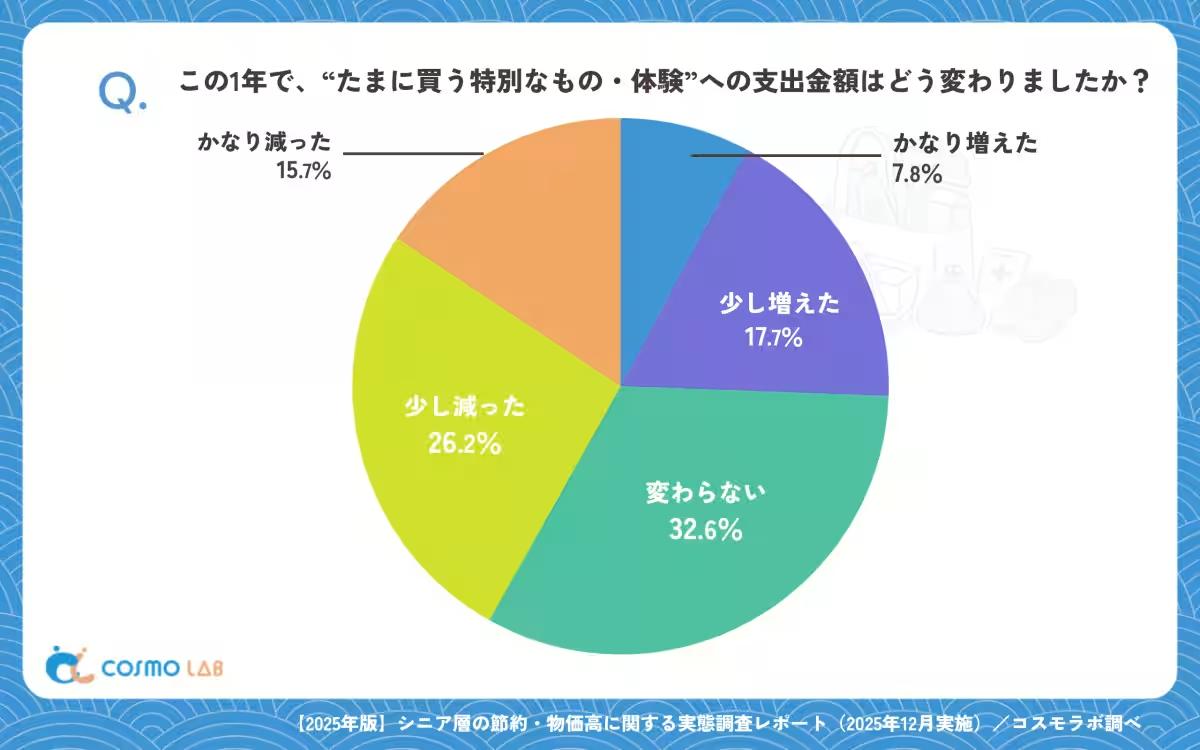
In examining expenditures related to indulgent or special purchases, 41.9% of respondents shared that their spending in this area has decreased. With ongoing financial pressures, discretionary spending, such as indulgent treats or experiences, has also become an area for adjustment.
6. The Future of Senior Spending
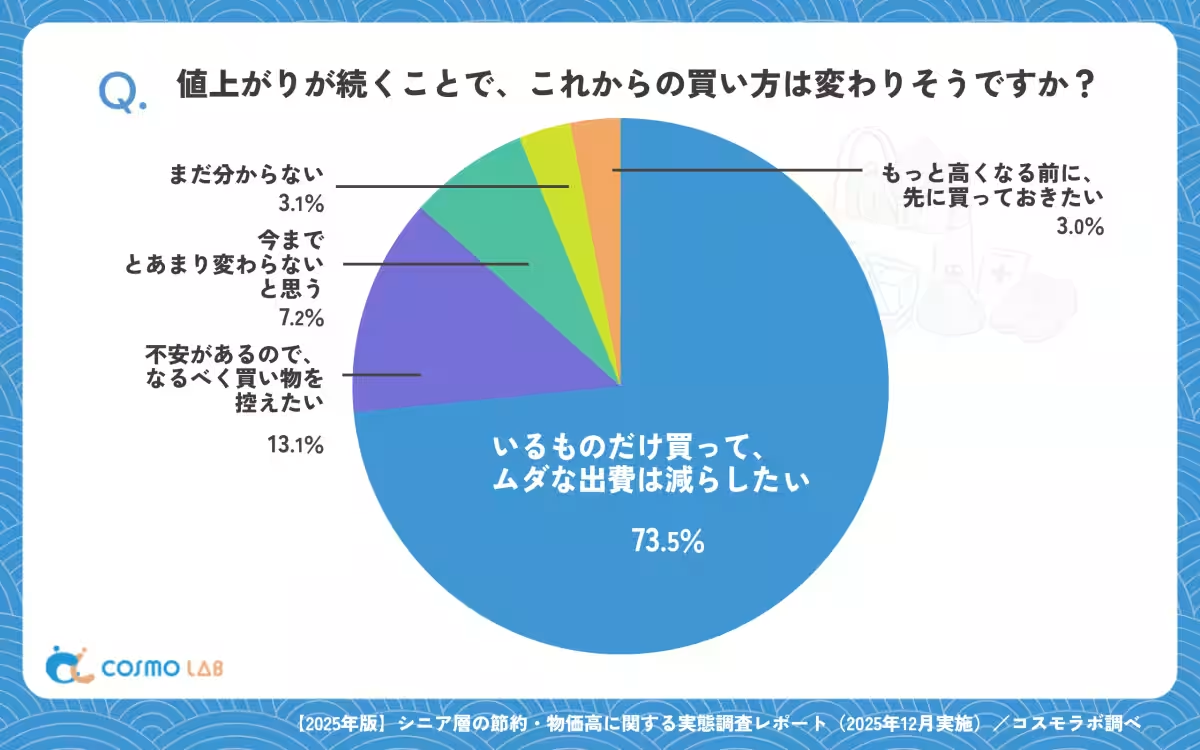
With ongoing inflation concerns, 73.5% of seniors indicated that they intend to focus more on only purchasing essentials while minimizing unnecessary spending. This highlights a broader trend within the senior demographic toward careful and conscientious purchasing behavior that may persist in the coming years.
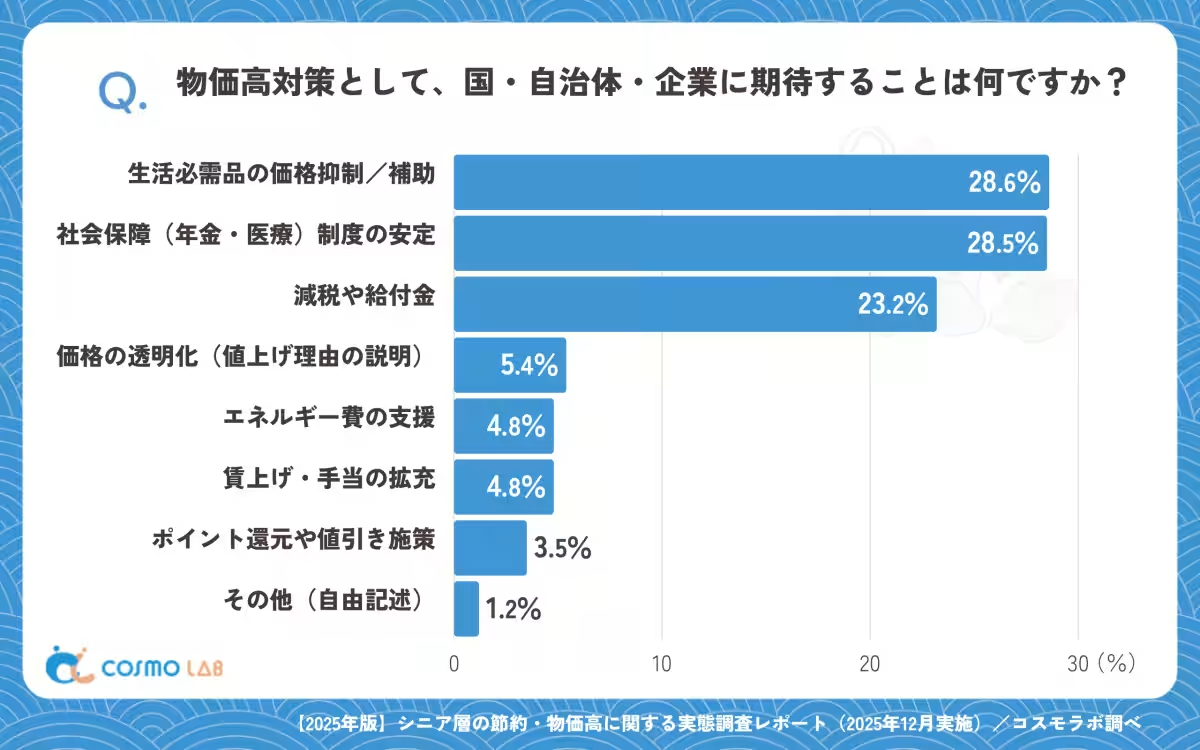
7. Expectations for Support
Seniors also expressed hopes for public and institutional support in managing these rising costs. The demand for measures such as price controls on essential goods and improvements in social security systems were paramount, reflecting a dual need for immediate relief and long-term stability in economic support structures.
Conclusion
The survey findings paint a vivid picture of how inflation is reshaping the lives of senior citizens. As consumers increasingly balance the need to save with the importance of maintaining quality in their expenditures, there is a growing call for businesses and policymakers to understand and address these nuanced needs. The current environment requires a shift from just offering low prices to emphasizing value, sustainability, and safety, meeting the profound demand for sensible and secure consumer choices in an evolving economic landscape.
For more insights and reports related to senior consumer trends, visit Cosmo Lab.

Topics Consumer Products & Retail)
【About Using Articles】
You can freely use the title and article content by linking to the page where the article is posted.
※ Images cannot be used.
【About Links】
Links are free to use.