


Investigation on Young Carers Conducted by the Traffic Orphans Education Fund
In-Depth Analysis of Young Carers Among Scholarship Students
The Traffic Orphans Education Fund has embarked on its third survey of young carers among its scholarship recipients, aimed at understanding their situations better to inform future support initiatives.
Purpose of the Survey
The primary objective of this investigation is to gain a clearer understanding of the ‘young carers’ among the scholarship recipients of the Traffic Orphans Education Fund. Being a young carer often means juggling family responsibilities while managing the demands of education, making it crucial to assess their specific needs and challenges.
Survey Overview
- - Target Group: A total of 740 scholarship holders from the Traffic Orphans Education Fund participated in the survey.
- - Methodology: The survey utilized a combination of web-based questionnaires and written surveys to collect comprehensive data.
- - Duration: The survey was conducted from June 12 to July 10, 2026.
- - Expert Guidance: External professionals supervised the research to ensure its credibility, and information was provided to parents beforehand to gain their understanding and support.
Key Findings from the Survey
The results revealed several important insights about the young carers in this demographic:
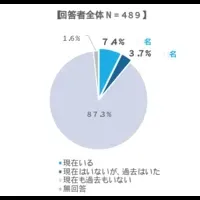
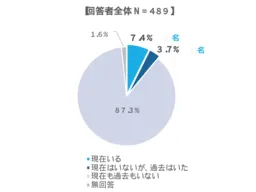
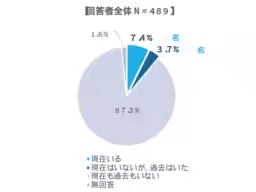
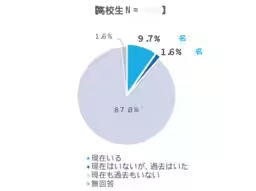
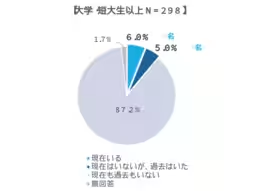
1. Prevalence of Young Carers: 11.1% of all scholarship recipients are currently engaged in caring for family members, a rate significantly higher than the national average of 4.1% for high school students and 6.2% for university students according to various national studies.
2. Care Responsibilities: Among these young carers, the majority care for their fathers (46.3%), followed by mothers (18.5%). The types of support primarily involve accompanying family members on outings (37.0%) and supervising them (35.2%). Notably, 33.3% stated they provide care almost daily.
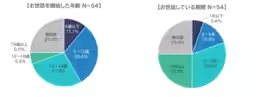
3. Age of Onset: Many began their caring roles between the ages of 7 and 12, with 30.6% reporting that they started during this period. Meanwhile, 11.1% began caring at an age younger than 6, indicating that some have been in these roles for much of their childhood. Furthermore, 30.6% have been involved in caring for 5–9 years, while 25.0% have been caring for 10 years or more, illustrating that many young carers are in it for the long haul.
4. Consultation Experiences: Alarmingly, 66.7% of high school students and 81.8% of university students reported that they had never sought advice regarding their caring responsibilities. Reasons for not consulting included feeling that their issues were not serious enough (64.3% of high schoolers and 70.4% of university students) and not considering their concerns worthy of external discussion (14.4% for high schoolers and 33.3% for university students).
5. Self-Identification as Young Carers: Of those who identified as carers, 44.4% did not see themselves as young carers, and 24.1% were unsure of their status, indicating a lack of awareness among many regarding their roles and the challenges they face.
6. Awareness of Young Carers: Interestingly, 68.3% of all scholarship recipients had heard of young carers and understood their situation, marking an increase in awareness compared to previous surveys.
Continuing Support Initiatives
Since the survey began in 2024, the Traffic Orphans Education Fund has actively engaged with 123 scholarship recipients identified as young carers, tailoring their responses to the individual circumstances of families. They have coordinated with governmental and relevant organizations to provide necessary referrals and support services. This year, based on the survey's results, the Fund aims to continue supporting these households and finding effective strategies to assist the young carers effectively.
By continually assessing and addressing the needs of young carers, the Traffic Orphans Education Fund commits itself to enhancing the support network available for these students and ensuring they have the resources required to balance their educational pursuits with their familial responsibilities.
Topics People & Culture)


【About Using Articles】
You can freely use the title and article content by linking to the page where the article is posted.
※ Images cannot be used.
【About Links】
Links are free to use.