



YKK AP Launches New Curtain Wall Testing Facility 'N-CueB' to Enhance Building Safety and Performance
YKK AP Launches 'N-CueB'
YKK AP Inc., headquartered in Chiyoda, Tokyo, has initiated operations at its new state-of-the-art curtain wall testing facility, dubbed 'N-CueB', on January 8. This facility is primarily developed to address the increasing complexity of high-rise architecture and the escalating risks posed by natural disasters, such as severe weather and earthquakes.
Upgraded Testing Capabilities
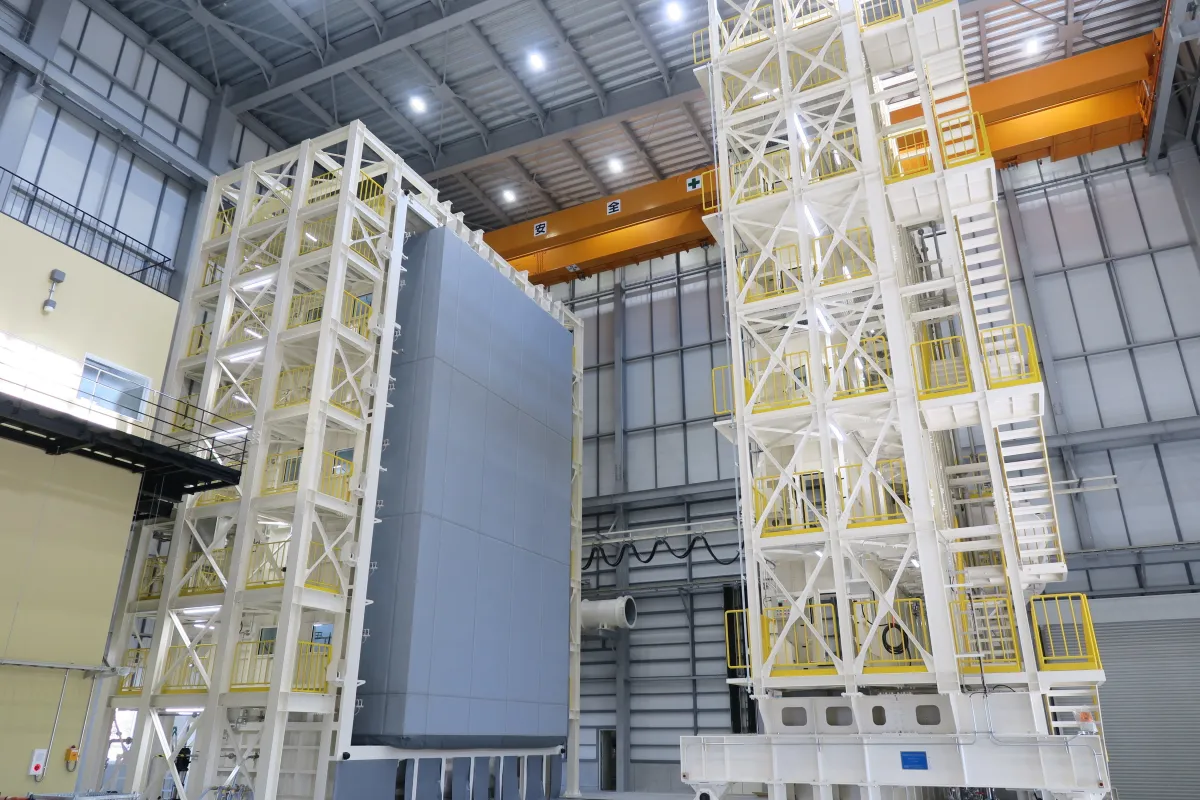
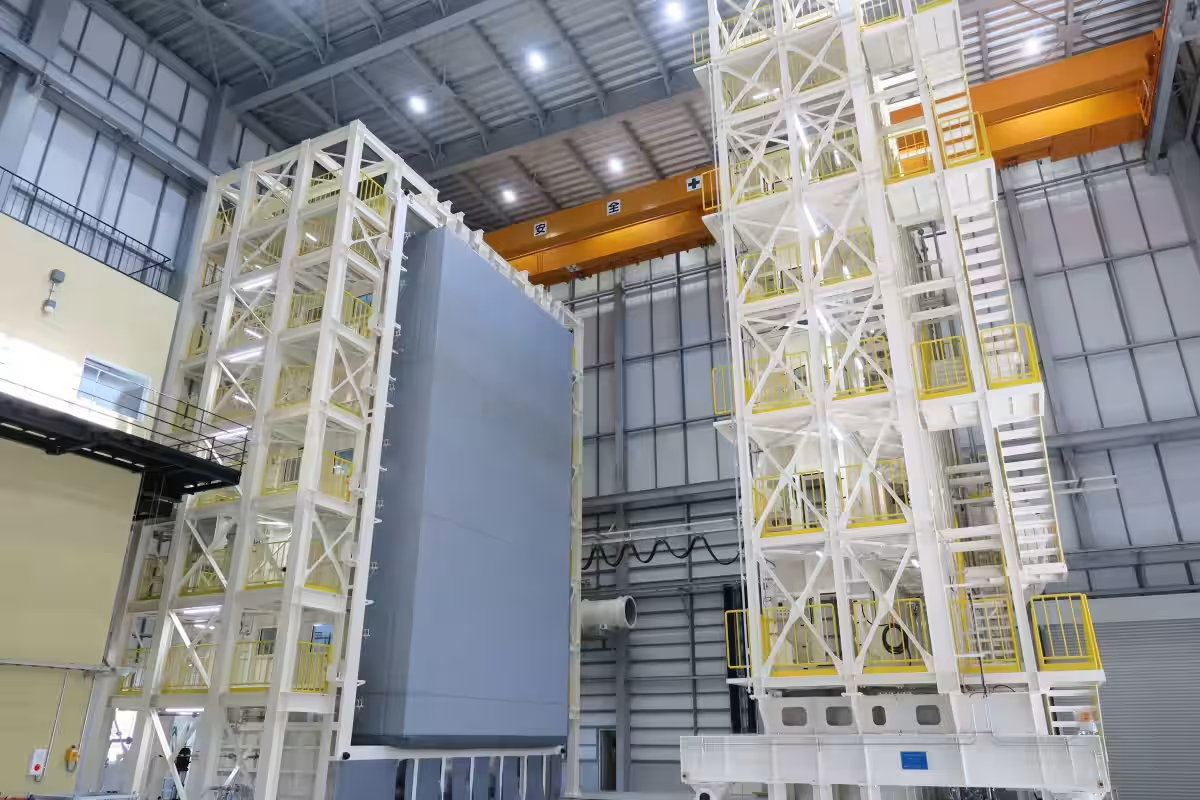
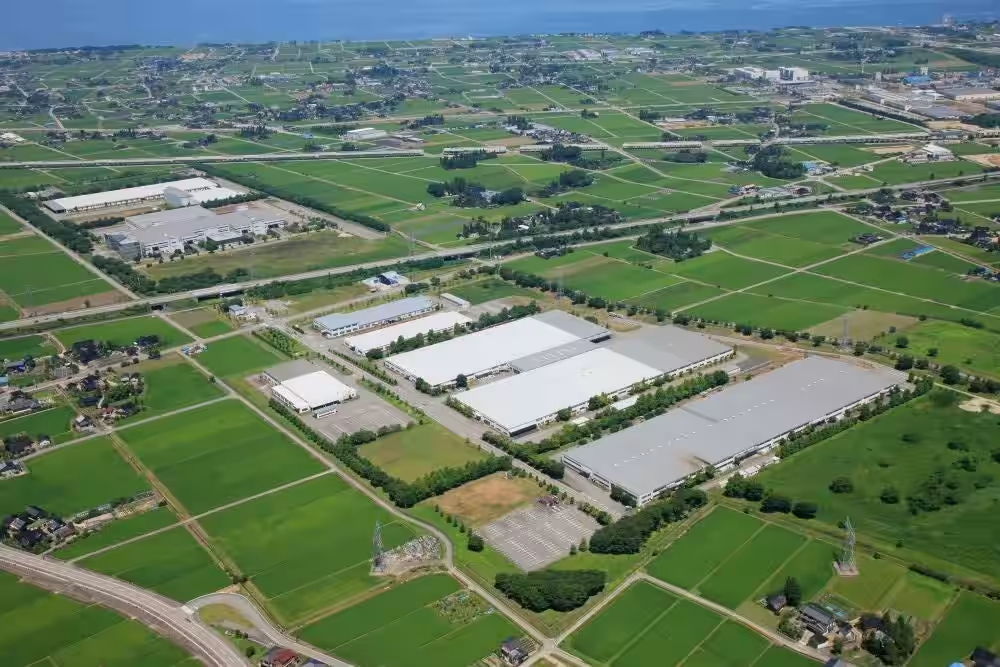
The 'N-CueB' facility, located in Namerikawa, Toyama Prefecture, is equipped with Japan’s largest testing apparatus focusing on curtain walls (CW). This improved infrastructure comes after 38 years of utilization at the former Kuronobe plant. As cities continue to grow taller and face more extreme weather conditions, the structural integrity and adaptability of building materials like CW become paramount.
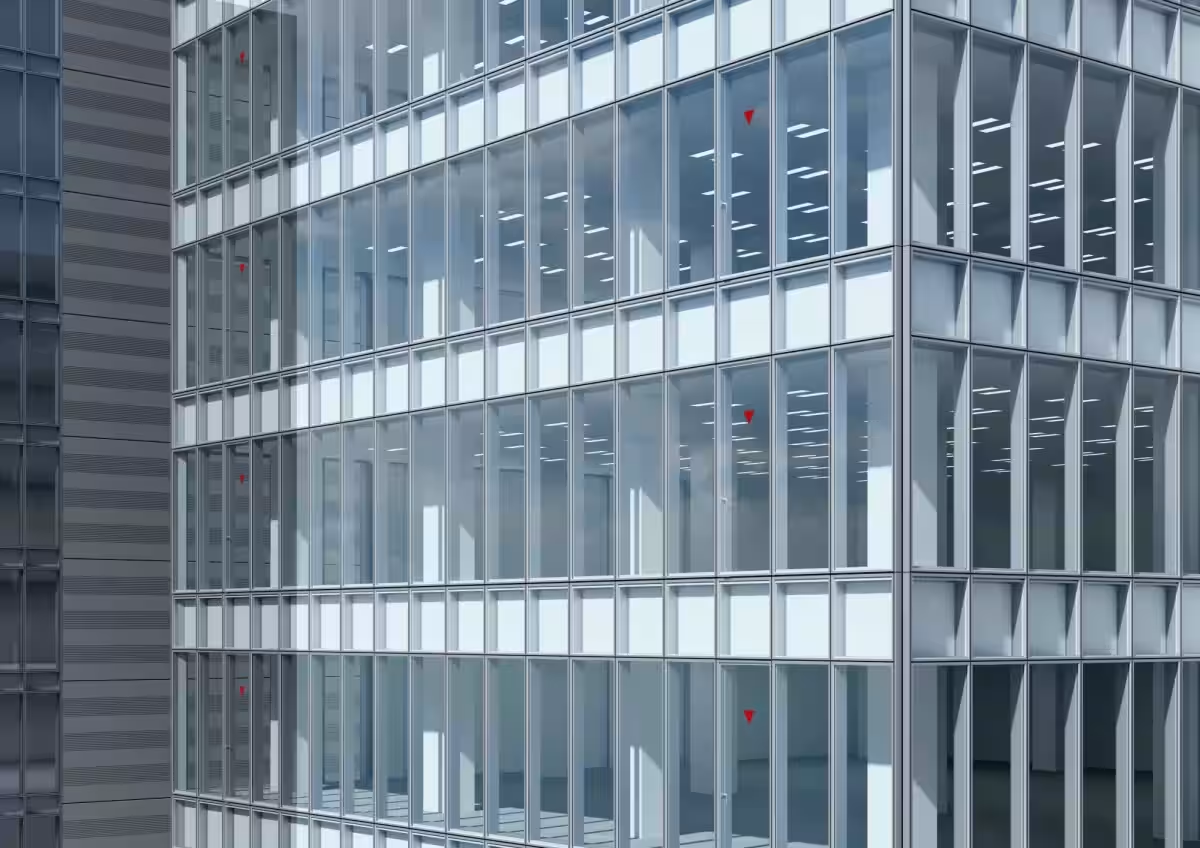
CW serves as the building's exterior, functioning similarly to curtains that hang along the structure's columns and beams. With recent urban redevelopment leading to taller buildings, the CW has become larger and heavier, necessitating innovative testing methods to guarantee performance under significant stress.
The 'N-CueB' facility represents a commitment to future-proofing building materials and ensuring they can withstand the rigors of severe winds, heavy rainfall, and seismic activities. The innovative name 'N-CueB' stands for "Novel, Next, Namerikawa" and signifies its role as a cube for testing and evaluation, embodying a modern approach to architectural technology.
Engineering Excellence
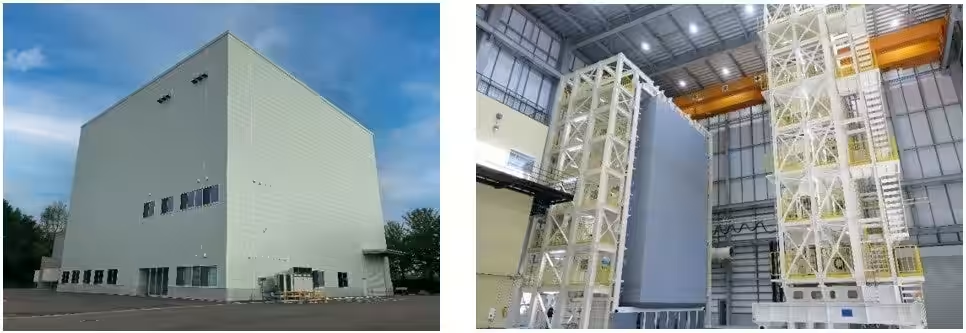
Spanning approximately 1,200 square meters and reaching a height of about 27 meters, the 'N-CueB' facilitates various performance tests, including airtightness, watertightness, and resistance to wind pressure and earthquakes. Remarkably, the facility can simulate high-stress environments, such as severe storms and earthquakes, within a controlled indoor setting.
For wind resistance testing, the facility can conduct static pressure tests up to 12,000 Pa, equivalent to wind speeds of about 140 m/s, while watertight tests operate under dynamic pressures of 7,000 Pa ±750 Pa, which represent winds of approximately 101 to 112 m/s.
The facility is constructed to allow seamless state-of-the-art tests and inspections across multiple stages of product development. This includes product inspection before and after tests, allowing for comprehensive quality checks. Notably, the building is designed as a "column-free space," granting the use of mobile cranes for testing heavy precast concrete CW units.
Comfortable Testing Environment
To enhance testing quality, the facility employs high-color-rendering lighting, mimicking natural daylight, and incorporates floor heating and localized air conditioning systems to ensure a comfortable year-round environment for staff and clients.
According to YKK AP, the establishment of the 'N-CueB' facility will significantly elevate the quality standards of CW and contribute toward creating safe and reliable architectural solutions that enhance urban landscapes.
Facility Overview
- - Facility Name: Curtain Wall Testing Facility 'N-CueB'
- - Structure: Steel frame, semi-fireproof construction
- - Size: Total area of 1,630 square meters (testing area approximately 1,200 square meters) and a height of approximately 27 meters
- - Testing Specifications: Width — 7,500mm, Height — 13,000mm (3 stories), Depth — 3,600mm, Floor Height — 4,500mm, Weight — 40 tons
- - Available Tests: Wind pressure resistance, watertightness, airtightness, inter-story displacement
- - Design and Construction: Sato Engineering Co., Ltd.
- - Testing Equipment Construction: Fuge Technology Center Co., Ltd.
- - Investment Amount: Approximately 2.2 billion yen (including building and equipment)
The opening of the 'N-CueB' facility marks a critical step in advancing Japan's building material technology, setting new benchmarks for safety and reliability in construction.
Topics Consumer Products & Retail)

【About Using Articles】
You can freely use the title and article content by linking to the page where the article is posted.
※ Images cannot be used.
【About Links】
Links are free to use.