




Understanding Public Concerns about AI-generated Information in Critical Fields
The Growing Unease Around AI in Essential Sectors
As artificial intelligence becomes an integral part of our daily lives, a recent survey conducted by Knowledge Holdings sheds light on the public's perceptions and trust issues surrounding AI-generated information. The survey, which polled 308 individuals aged 20 to 59 across Japan, reveals alarming concerns regarding the reliability of AI in essential fields such as healthcare, investment, and law.
Survey Highlights
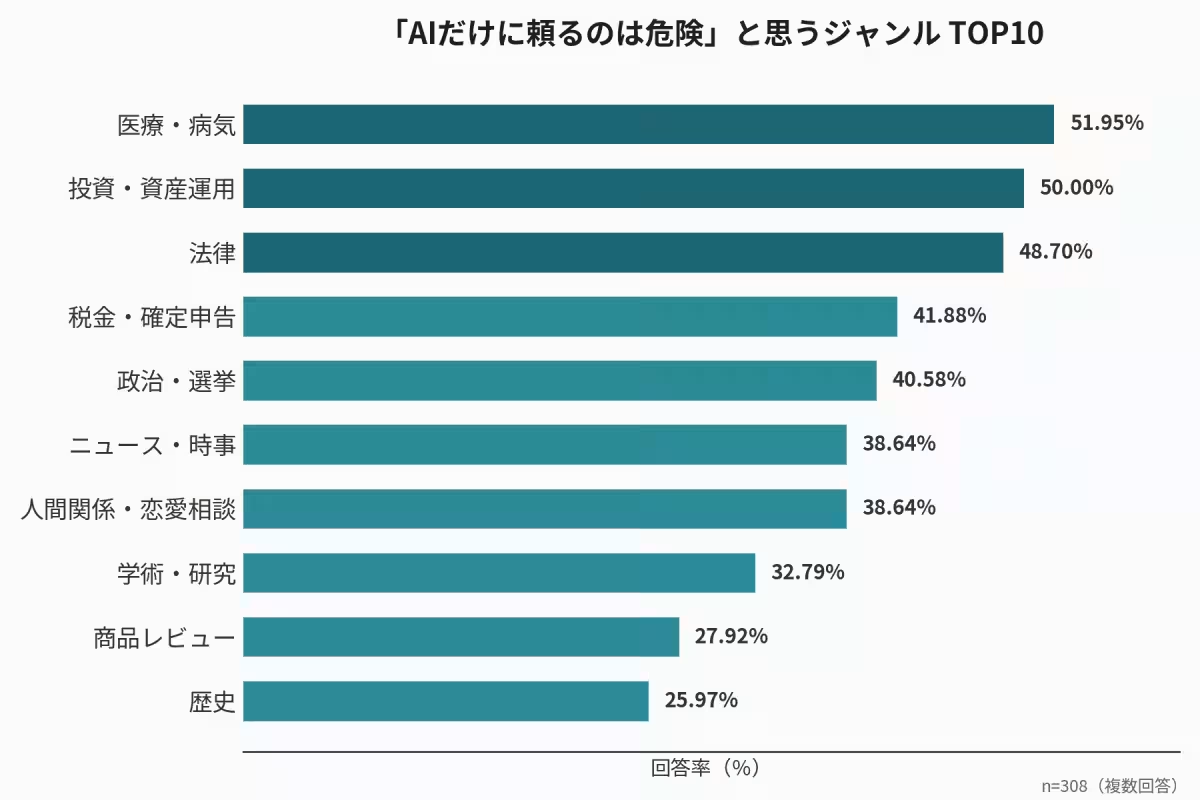
The survey, which took place in July 2026, indicates that a significant portion of the population views reliance on AI for critical information as dangerous. The top areas of concern include:
- - Healthcare and Diseases (51.95%)
- - Investment and Asset Management (50.00%)
- - Legal Matters (48.70%)
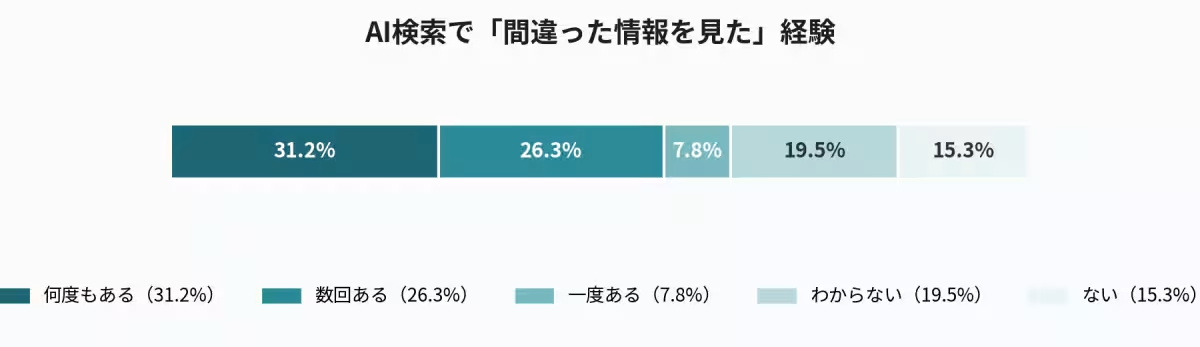
These findings reveal a deep-seated skepticism, with over 65% of respondents admitting to encountering incorrect information while using AI-driven searches. This underscores a significant lack of confidence in AI for managing critical life matters that pertain to health, finances, and personal rights.
Importance of Cross-Verification
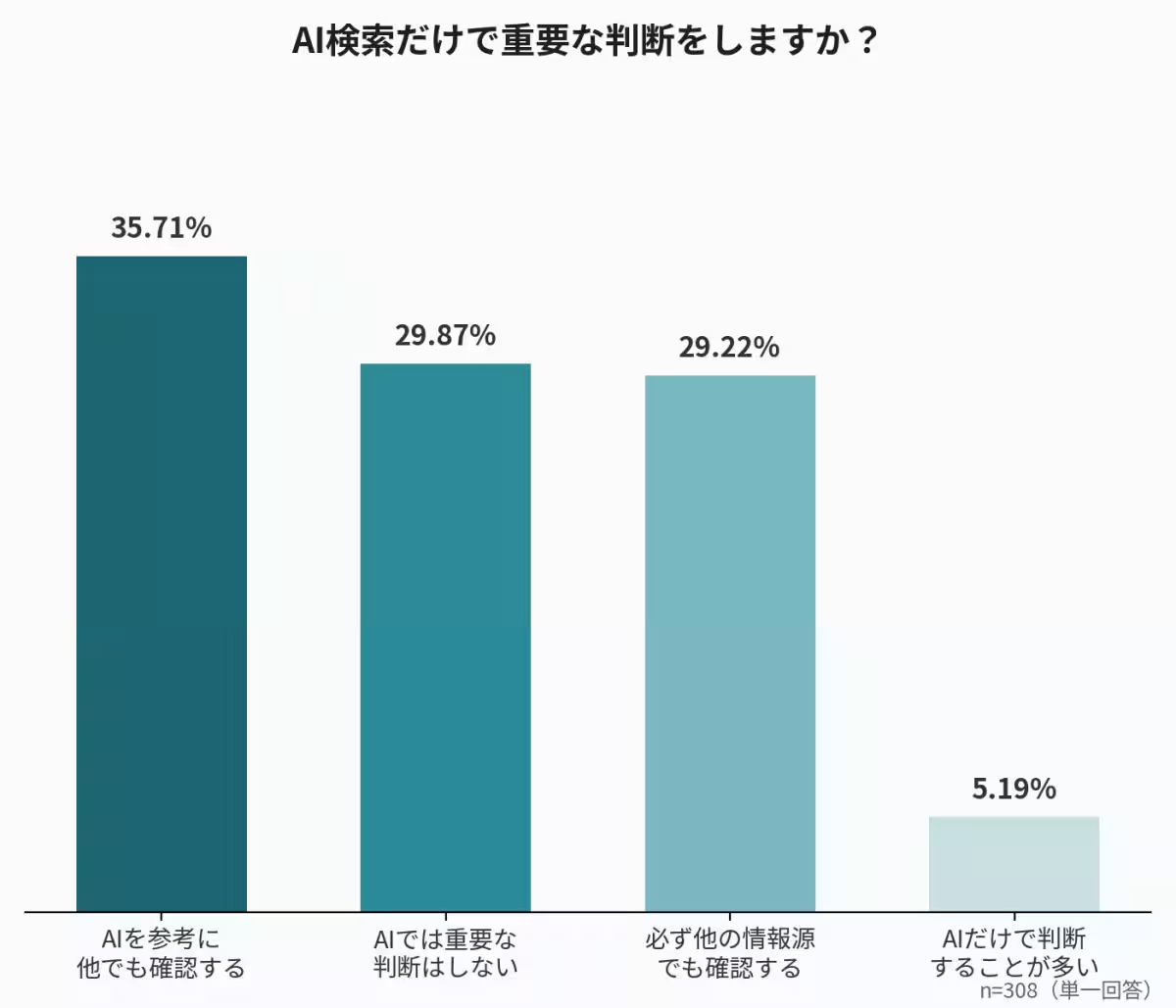
Interestingly, only 5.19% of individuals reported that they relied solely on AI for important decisions, such as healthcare or financial matters. Instead, the majority of respondents prefer double-checking information, with 35.71% stating they reference AI data alongside other sources to ensure accuracy. An additional 29.22% confirmed that they always cross-check information from AI with other reputable sources, indicating a cautious approach to decision-making in these crucial fields.
The Experience of Misinformation
The survey also highlighted that encountering misleading information is a common experience among participants. Notably, those who identified fields like law and taxation as risky reported experiences of misinformation that significantly exceeded the average rate (about 70%). This observation supports the notion that real-life experiences shape perceptions of AI's reliability in providing critical information.
Implications for Information Providers
The study strongly indicates a shift in how individuals perceive AI-generated information. As more people become aware of the potential dangers associated with sole reliance on AI for critical decisions, it emphasizes the need for businesses and professionals to provide trustworthy, primary sources of information. The demand for accurate, verifiable content is growing, as users seek more than just AI-generated summaries but require reliable, in-depth insights that they can trust.
Conclusion
In conclusion, while AI technologies offer significant benefits, the survey's findings suggest that society remains wary of relying solely on these systems in critical areas. As AI becomes more entrenched in our daily lives, fostering trust and credibility in AI-generated content will be paramount for businesses. By understanding these dynamics, Knowledge Holdings aims to enhance the quality of information dissemination, ensuring it meets the high standards that consumers now expect in the age of AI searches.
By leveraging these insights into public sentiment, companies can adapt their content strategies to ensure they provide a reliable resource for consumers navigating the complexities of AI-generated information in critical fields.

Topics Consumer Technology)
【About Using Articles】
You can freely use the title and article content by linking to the page where the article is posted.
※ Images cannot be used.
【About Links】
Links are free to use.