



hotel MONday Group Implements a New Circular Model Across 30 Locations
A New Era of Hospitality: Hotel MONday's Circular Model
In an era where sustainability is at the forefront of global priorities, hotel MONday Group is making significant strides. They have teamed up with ECOMMIT, a company specializing in waste management and recycling solutions, to launch an innovative circular model across 30 locations nationwide. This initiative emphasizes that 'forgotten belongings are resources,' transforming what was once considered waste into valuable materials for reuse and recycling.
The Background of the Initiative
In recent years, the influx of international tourists visiting Japan has led to an increase in forgotten items at hotels, highlighting several challenges:
- - A surge in items that can’t be distinctly categorized as forgotten or abandoned.
- - Increased workload related to contacting guests and reporting items to authorities.
- - Space constraints arising from a three-month storage requirement.
- - The unfortunate disposal of many items that go unclaimed.
Recognizing this problem, ECOMMIT's circular model reports a success rate of over 98% in repurposing and recycling collected items. Many forgotten belongings, potentially still useful, often end up discarded due to lack of awareness of their value. Thus, the hotel MONday Group decided to focus on this hidden environmental burden, aiming to reduce labor and costs associated with waste management, while simultaneously addressing ecological concerns.
Overview of the Circular Model
The initiative is structured around a three-step circular model designed to eliminate waste from hotel operations:
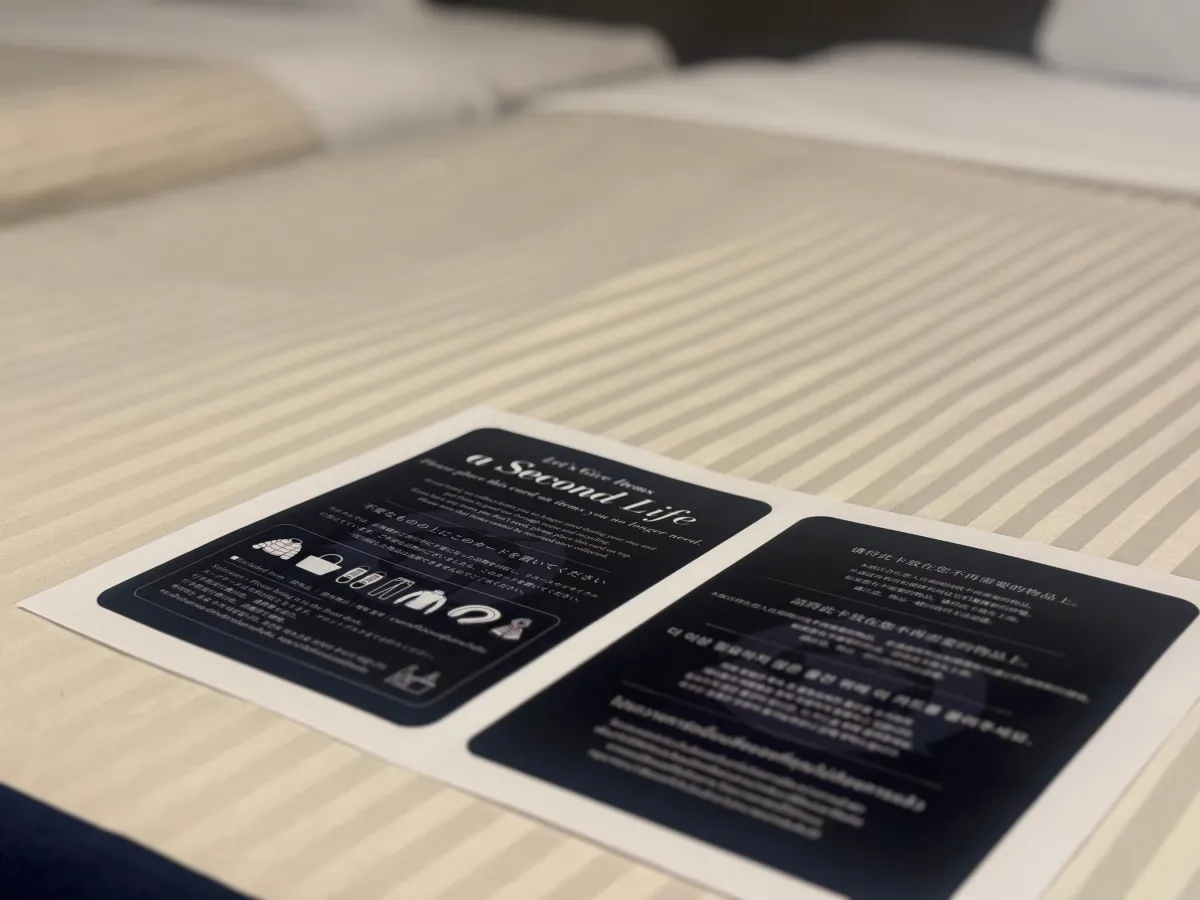
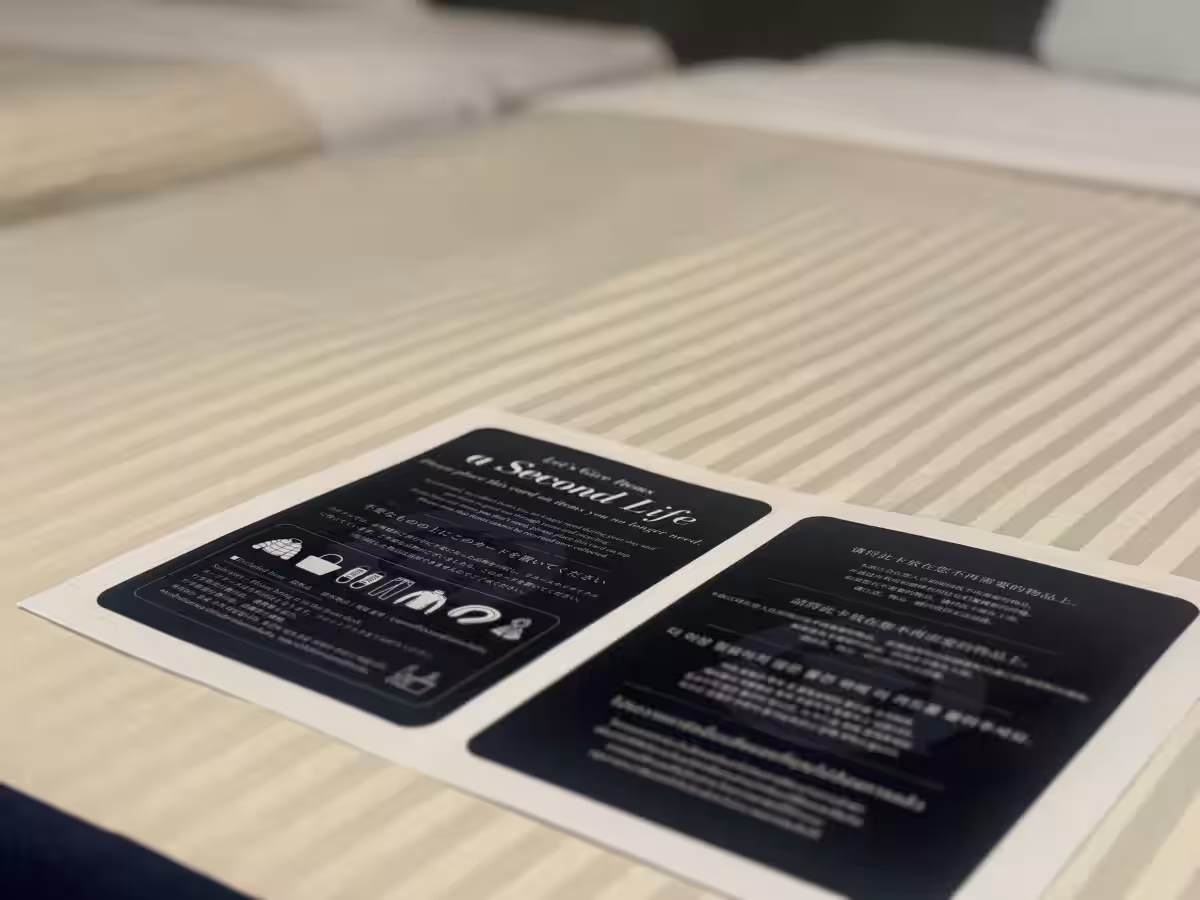
1. Customer Participation through Intent Cards: Each guest room will feature an 'intent card,' allowing guests to indicate items they no longer need, such as clothing or miscellaneous goods. This distinguishes items ready for reuse or recycling and helps alleviate storage pressures.
2. Collection of Indicated Items by ECOMMIT: By minimizing the hotel's operational burden, this step focuses on achieving a 'zero waste' objective for forgotten belongings.
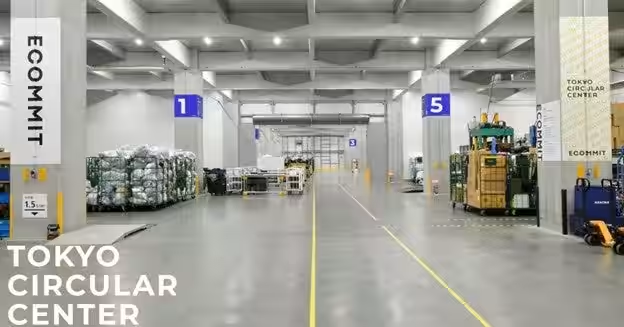
3. Sorting and Redistribution at ECOMMIT's Circular Center: Utilizing sophisticated sorting processes and a comprehensive national redistribution network, ECOMMIT aims to facilitate a high reuse and recycling rate for collected items, granting them a new lease on life.
Addressing Social and Hotel-Specific Challenges
This model addresses a triad of issues: societal environmental challenges, operational problems faced by hotels, and added value for guests. Through an enhanced approach to sustainability, the hotel MONday Group strengthens its ESG commitments by making the collection and redistribution process transparent. Guests can now feel reassured that items left behind will contribute positively to other individuals or communities.
This movement encourages guests—whether domestic or international—to engage in small actions that can lead to substantial changes. It aligns seamlessly with hotel MONday's philosophy of 'making the world a better place through travel.'
JHAT Group is dedicated to fostering mechanisms that help everyone become a part of a sustainable society through travel and accommodation experiences.
About ECOMMIT
ECOMMIT is a pioneering circular commerce company that strives to create a 'no-waste society' through various recycling solutions and infrastructures. With numerous circular centers across the country, ECOMMIT focuses on the collection, sorting, and redistribution of unwanted items, enhanced by their self-developed traceability system that provides insights into reuse rates and CO₂ savings, thus supporting sustainability initiatives for both corporations and municipalities.
For more information, visit ECOMMIT's website.
About hotel MONday Group
hotel MONday Group is recognized for its seamless combination of comfort and functionality, operating numerous properties across Japan. The group prioritizes high-quality guest experiences while practicing environmentally responsible management, committed to contributing to a sustainable society.
For bookings and further details, visit their official website.
Looking Ahead
JHAT aims to advance the globalization of travel and tourism by catering specifically to international visitors. Despite Japan's growing reputation as a premier tourist destination, the current shortfall in accommodations that can comfortably host family groups persists. To fill this gap, JHAT is committed to developing a diverse range of hotel options across Tokyo, Osaka, and Kyoto, in line with emerging visitor needs.
With projections indicating over 40 million inbound travelers by 2025, JHAT is strategically poised to capture this growth opportunity, aligning its services with the evolving accommodation demands in Japan’s tourism industry.

Topics Consumer Products & Retail)
【About Using Articles】
You can freely use the title and article content by linking to the page where the article is posted.
※ Images cannot be used.
【About Links】
Links are free to use.