



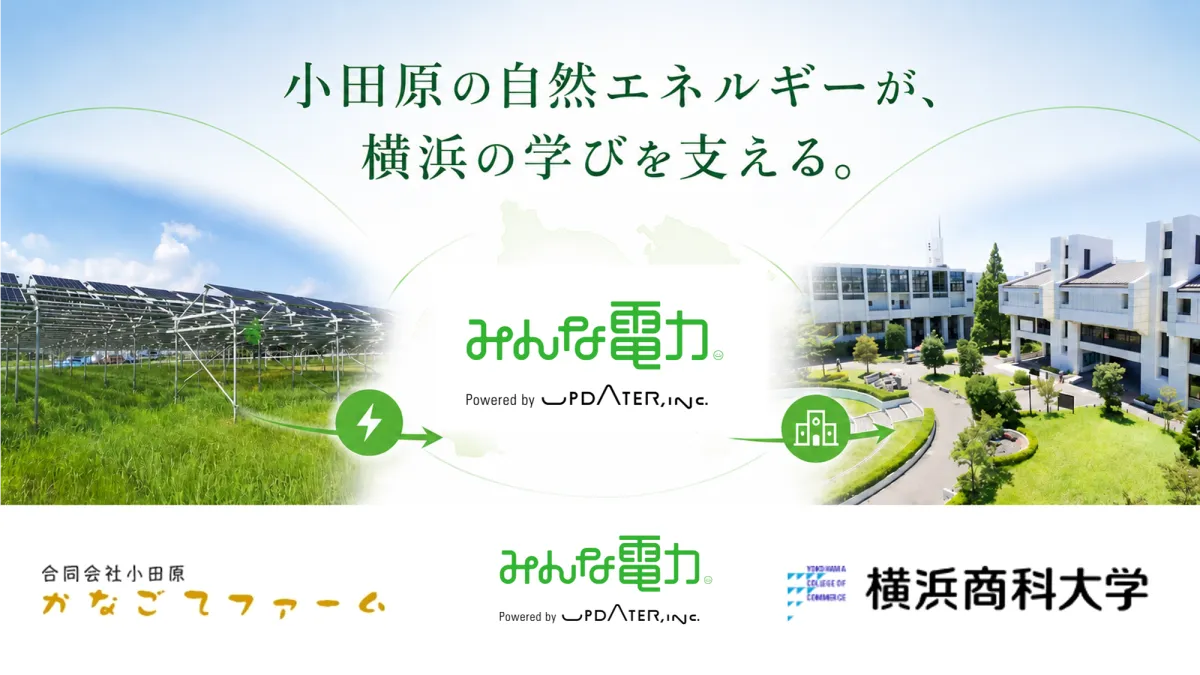
Yokohama Business College Becomes Kanagawa’s First Renewable Energy University
Yokohama Business College Goes Fully Renewable
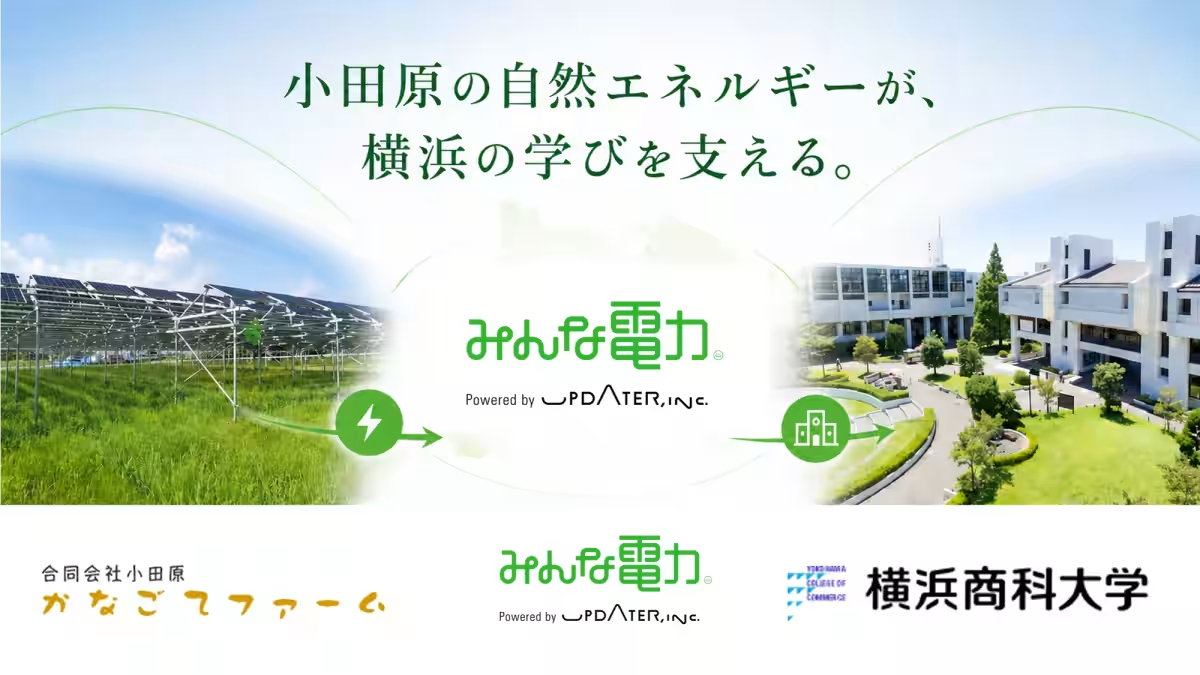
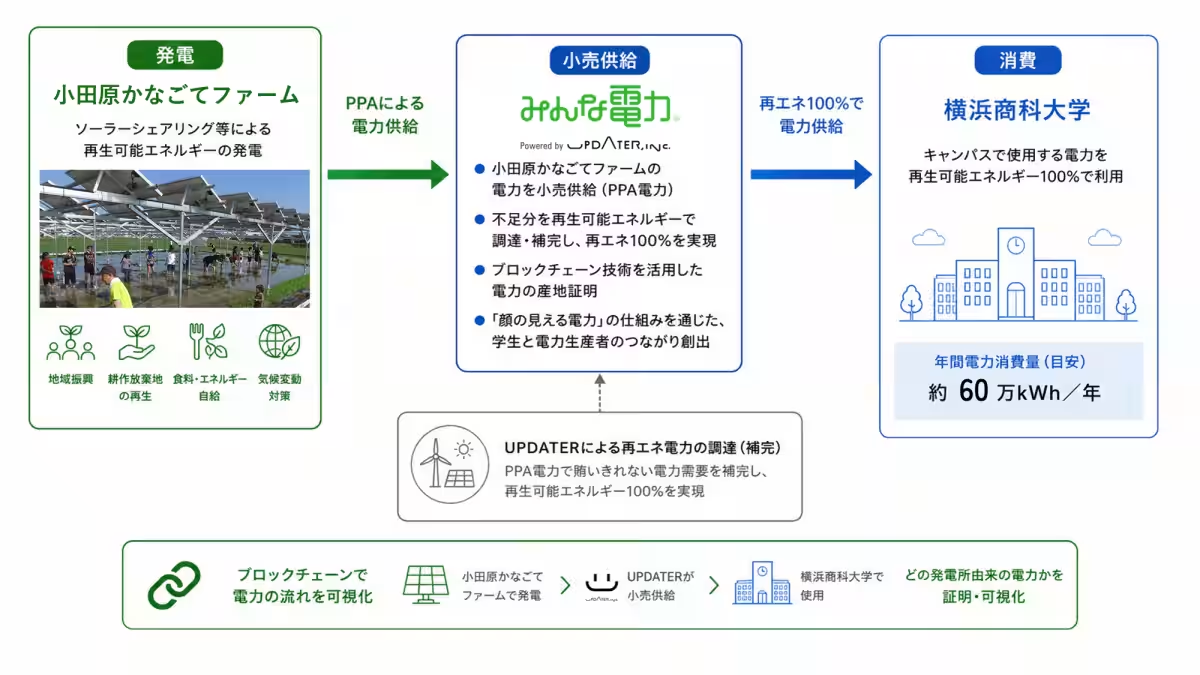
On June 6, Yokohama Business College, located in Kanagawa Prefecture, announced a significant shift towards sustainable energy by becoming the first university in Kanagawa to operate entirely on renewable energy sources. This initiative involves supplying power derived from Odawara’s solar sharing, a practice that combines agriculture with solar energy production, through a Power Purchase Agreement (PPA) arrangement facilitated by UPDATER Co., Ltd.
This pioneering project is notable not only because it marks a first for a university in Kanagawa but also aligns with a growing trend across Japan, where a limited number of institutions have committed to achieving 100% renewable energy. Following the lead of Chiba University of Commerce in 2019, other universities like Nagano Prefectural University, Ryukoku University, and Sophia University have also taken steps towards this goal. However, with approximately 800 universities nationwide, the number that has achieved this milestone remains relatively low, indicating a continuing need for academic institutions to lead by example in sustainable practices.
What is Solar Sharing?
Solar sharing allows agricultural land to host solar panels, thereby allowing for farming and energy production to coexist. This method has gained traction and government permission for a cumulative of 6,137 projects covering about 1,362 hectares by the end of FY2023. This innovative practice is seen as a solution that addresses various societal challenges, including climate change, food self-sufficiency, and agricultural revitalization.
The Role of UPDATER Co., Ltd.
UPDATER plays a critical role in this initiative by supplying the electricity generated from Odawara’s solar sharing to Yokohama Business College. The organization not only procures power from the solar farm but also provides additional renewable energy sources from Kanagawa to cover any gaps in energy needs. This means that the entire campus will run on 100% renewable energy, significantly reducing carbon emissions.
Engaging Students in Sustainability
As part of UPDATER’s commitment to transparent energy practices, the company aims to create a program where students can visit Odawara’s solar sharing site to better understand the intersection of energy production and agriculture. By allowing students to interact with energy producers directly, this initiative promotes educational opportunities in energy, agriculture, and local community engagement, creating a practical learning environment viewed through the lens of business studies.
A Model for Community Collaboration
The project not only emphasizes the use of renewable energy but also highlights a model of community collaboration between Yokohama and Odawara. Historically, Odawara supplied water from the Sakawa River, a vital source for Yokohama’s water supply. Now, this partnership continues through the exchange of energy, creating a sustainable local ecosystem that fosters mutual growth and support.
Future Perspectives
In the coming months, UPDATER and Yokohama Business College will be rolling out the operational details of this renewable energy supply, ensuring that every aspect is transparent and efficient. The educational institution aims to lead by example, showing its commitment to not only reducing carbon footprints but also fostering a new generation of students knowledgeable about sustainability.
In conclusion, this collaboration between universities and renewable energy firms showcases how educational institutions can take proactive steps towards sustainability. By turning to renewable energy sources, they not only reduce their environmental impact but also serve as a model for communities across Japan and beyond.
For more information on how UPDATER and Yokohama Business College are driving this initiative, visit UPDATER.
About UPDATER
Founded as Minna Denryoku, UPDATER has transformed into a company focused on fostering transparency and accountability in energy sources. They provide renewable energy solutions aligned with international standards, contributing to sustainability and addressing societal challenges. As a certified renewable energy provider in Japan, they are committed to ethical practices in energy procurement and community engagement.
Topics Other)





【About Using Articles】
You can freely use the title and article content by linking to the page where the article is posted.
※ Images cannot be used.
【About Links】
Links are free to use.