



Essential Guide for Switching from ISDN Lines to Modern Telecommunication Solutions
Preparing for ISDN Termination: A Comprehensive Switching Guide
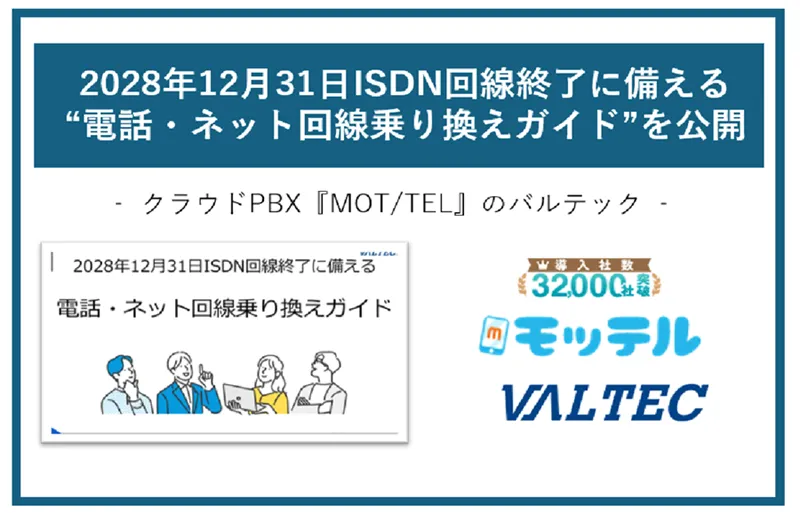
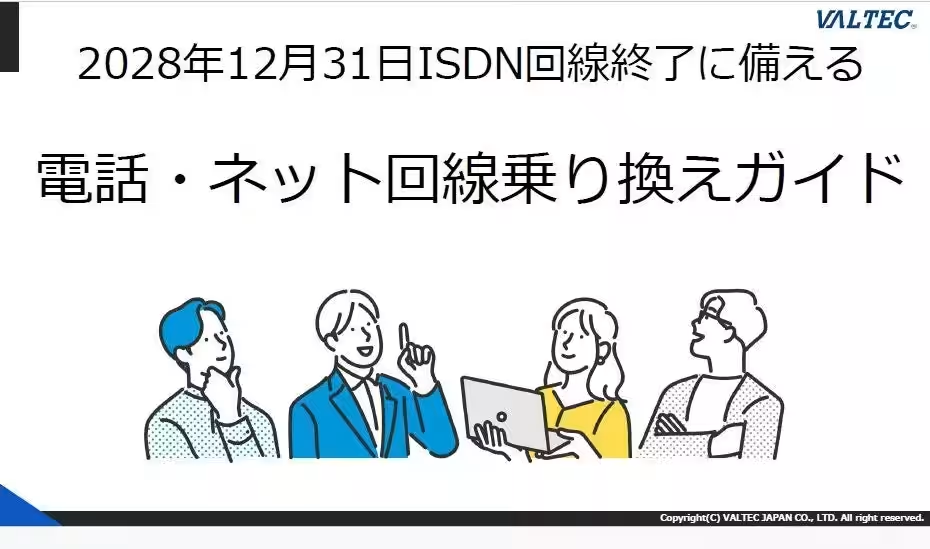
As the deadline for the termination of ISDN lines approaches on December 31, 2028, many businesses are facing the urgent necessity to reassess their communication infrastructure. Valtec Co., Ltd., located in Shinjuku, Tokyo, has recognized that many organizations are behind in this transition, often due to unforeseen circumstances or a lack of clear guidance. To assist these companies, Valtec has published the “Phone and Internet Line Switching Guide” to help them navigate this critical change.
Background on ISDN Termination
The decision to phase out ISDN services by NTT East and West has arisen from both the aging of the existing infrastructure and a strategic shift towards IP-based networks. However, many organizations remain unaware of how deeply integrated ISDN is within their operational capabilities, resulting in significant concerns about the potential disruption to their business activities.
This guide provides a structured approach for transitioning from ISDN to alternative communication methods, focusing on effective strategies for risk mitigation during the switch. It outlines methods for identifying ISDN-dependent devices, alternatives such as cloud-based PBX systems, and step-by-step instructions to facilitate a smooth transition.
Challenges in Transitioning from ISDN
Numerous factors can delay a company's migration away from ISDN services, including:
1. Identifying ISDN Dependency: Some enterprises struggle to pinpoint which devices rely on ISDN, such as business phones, printing equipment, or security systems, which often lack comprehensive documentation.
2. Complex Transition Needs: Certain essential services, such as medical equipment and factory systems, may require unique adjustments that complicate the transition process.
3. Low Immediate Impact: Companies may not feel an urgent need for change if their current systems are functioning well, causing them to deprioritize the migration.
4. Concerns about Costs: The perceived financial burden associated with replacing equipment, wiring, and securing new contracts can deter smaller businesses from acting decisively.
5. Choice Paralysis: The myriad options available, including VoIP lines and cloud PBX systems, can overwhelm businesses trying to select the best-catered services for their needs.
6. Downtime Fears: Especially in customer-facing environments, concerns about service interruptions can foster a culture of caution regarding the transition.
7. Coordination Across Multiple Locations: Businesses spread across various sites may find it challenging to synchronize upgrades and solve discrepancies in equipment across locations.
8. Vendor Reliance: Dependence on existing suppliers who may not have embraced modern solutions can lead to inertia as organizations believe their systems still work adequately.
9. Rigid Internal Processes: Some organizational workflows may still rely heavily on traditional telephony, hindering the adoption of newer, mobile alternatives.
10. Network Integration: Legacy setups involving VPNs, dedicated lines, and ISDN as backup infrastructure can complicate the overall upgrade, leading to extensive investigative work to ensure compatibility.
Key Content of the Guide
The guide's primary features include:
- - An overview of the background and implications of ISDN termination.
- - Identifying risks associated with the transition.
- - A checklist to assess current telecommunication usage.
- - A detailed transition plan from ISDN to internet-based communication lines and cloud PBX systems.
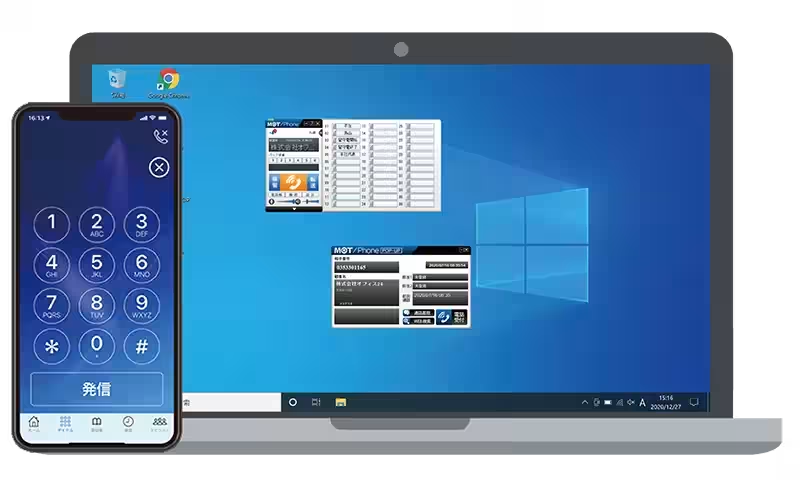
- - Explaining the structure and advantages of the cloud-based service “MOT/TEL.”
- - A cost and operational comparison between various services.
Target Audience
This guide is directed towards:
- - Companies unsure of how to prepare for the impending ISDN termination.
- - Individuals looking to confirm if their business phones and FAX systems rely on ISDN.
- - Organizations aiming to modernize their communication practices.
- - Companies that want to minimize installation and equipment upgrade costs.
- - Information systems teams wanting to quickly grasp the benefits and pricing of cloud PBX.
- - Businesses looking to cut telecommunication costs, especially those with multiple locations or remote workforces.
Overall, the guide serves as a crucial resource for all organizations interested in revisiting their communication setups from the initial consideration phase to the detailed comparison of options.
Download Information
The guide is available for free download at this link: Free Download.
Free Consultation Services
Valtec is also committed to addressing companies' concerns regarding ISDN service termination. Our expert staff offers complimentary consultations to discuss current communication setups, necessary steps for migration, and the most suitable cloud PBX options tailored to your needs. Whether it's figuring out where to start or finding cost-effective ways to migrate, we are here to support you. Online consultations and showroom demonstrations are also available.
To book a free consultation, please visit: Consultation Booking.
Conclusion
With ISDN termination representing a significant turning point for corporate telecommunication infrastructure, businesses must act proactively to ensure continuity and efficiency. Many organizations express confusion regarding which devices will be affected and what lines to pursue. Valtec's guide aims to streamline the transition process, merging critical information relevant to businesses and providing support to make the necessary adjustments.
For further details on Valtec’s cloud telephone service “MOT/TEL,” please visit: Learn More About MOT/TEL.
Company Profile
Valtec Co., Ltd. specializes in the development, manufacture, and management of ICT devices and software since its establishment in March 1993. Located at 6-22-1 Nishi-Shinjuku, Shinjuku Square Tower 3rd floor, Tokyo 163-1103. Company Website.
Topics Telecommunications)
【About Using Articles】
You can freely use the title and article content by linking to the page where the article is posted.
※ Images cannot be used.
【About Links】
Links are free to use.