



2025 Summer Bonus Trends: Gender Disparities and Age Peaks Revealed
Insights into the 2025 Summer Bonus Trends
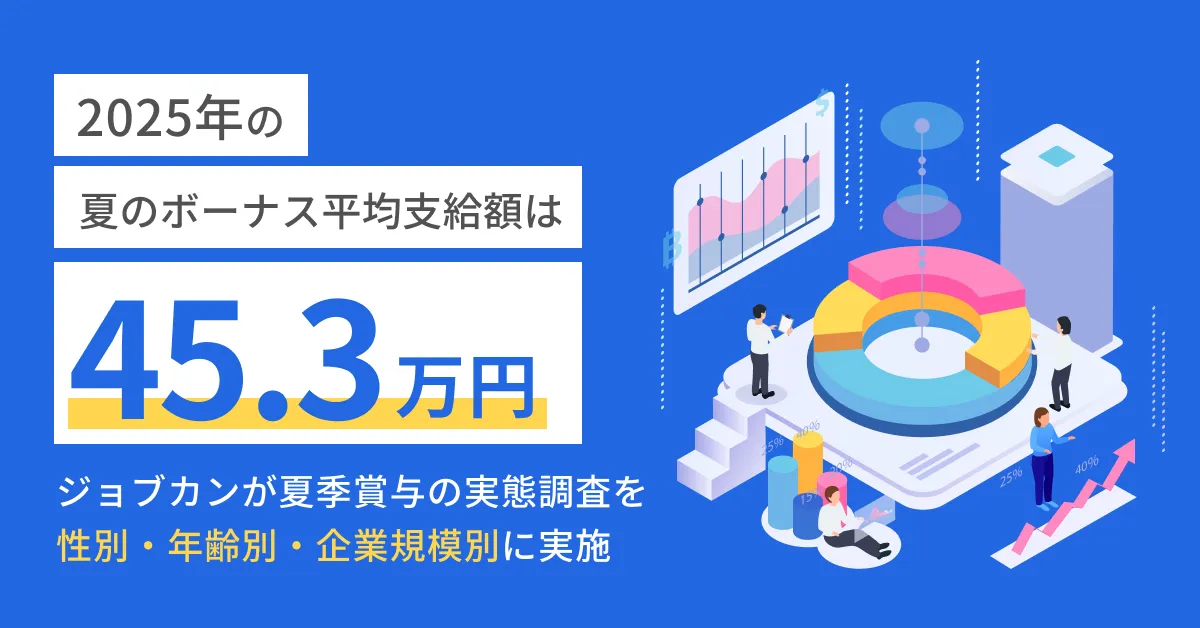
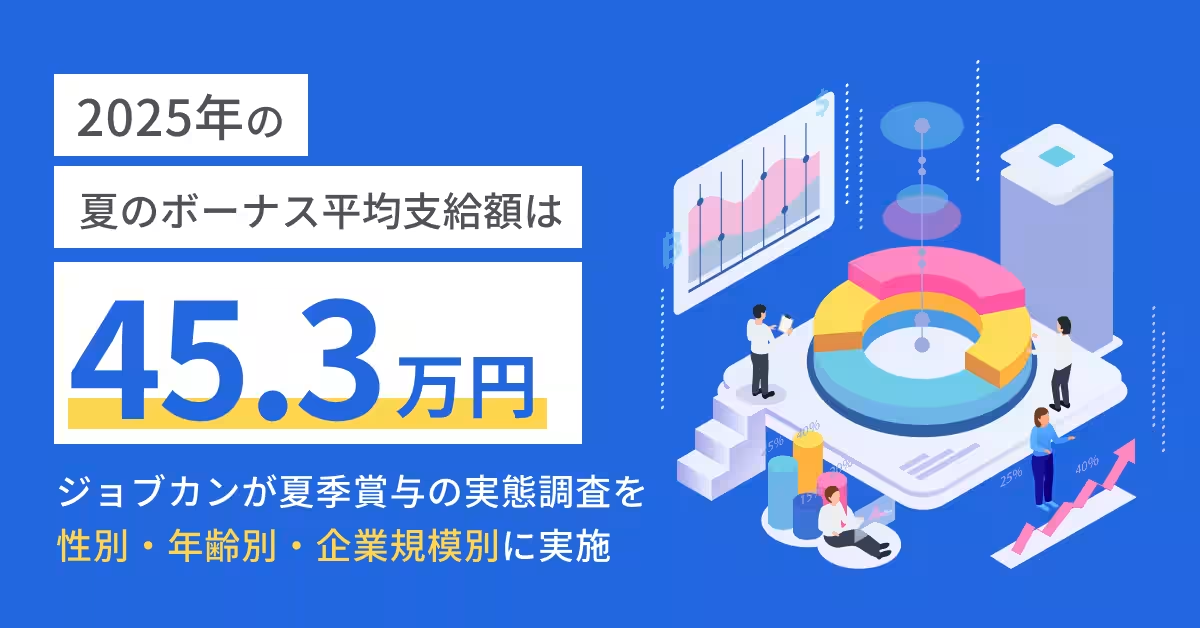
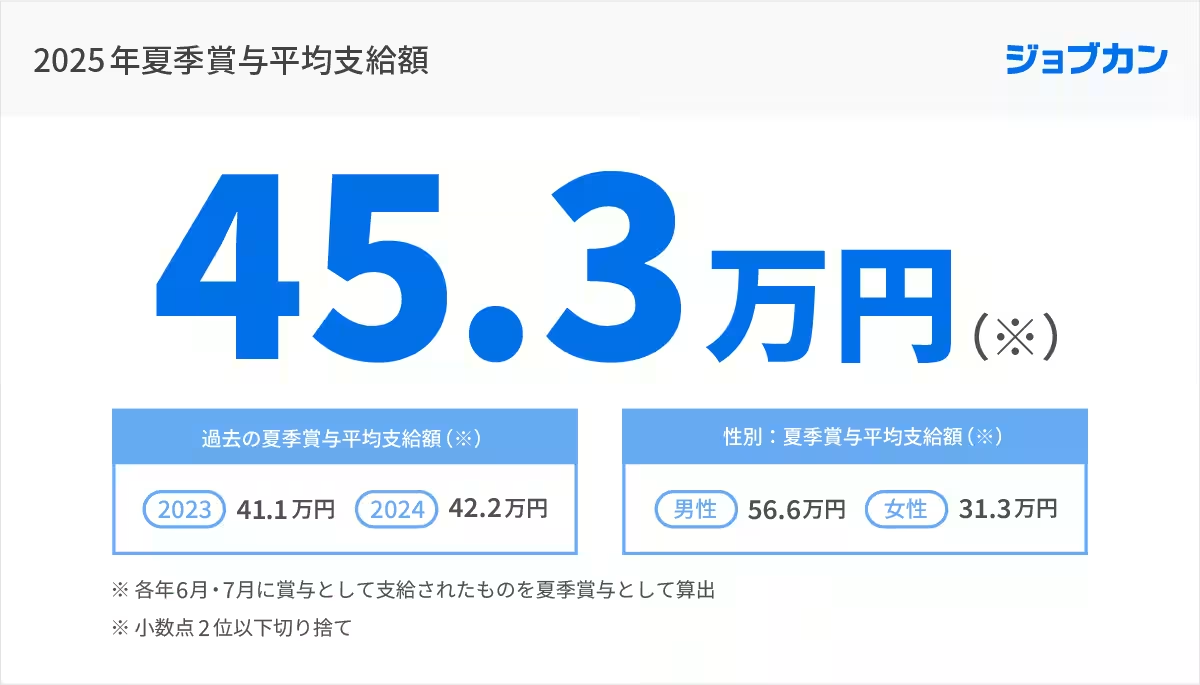
A recent investigation conducted by DONUTS has unveiled the trends surrounding summer bonuses for 2025. Utilizing data from their Jobcan Payroll System, the report provided by this Tokyo-based company indicates an average summer bonus amount of 453,306 yen. This substantial figure not only reflects the economic conditions for that period but also highlights critical disparities between genders and variations affected by age.
Key Findings of the Survey
- - The average summer bonus for 2025 is 453,306 yen.
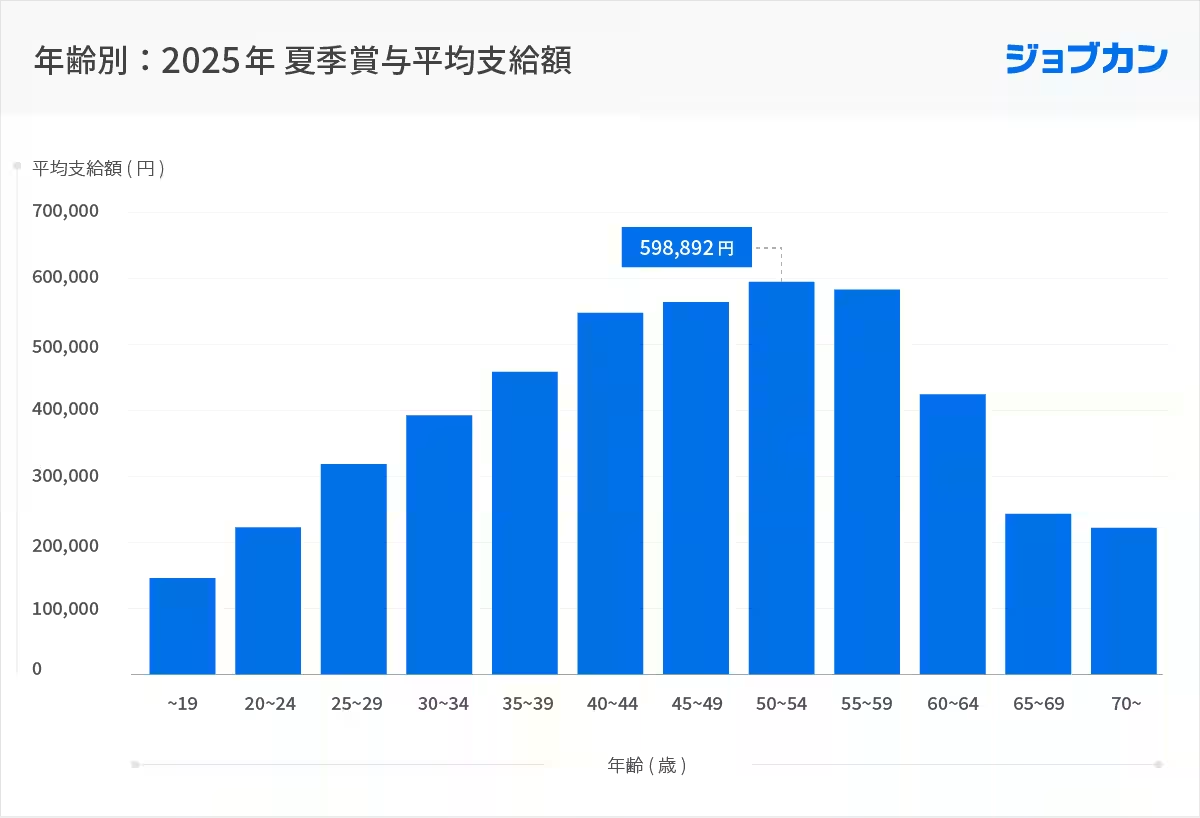
- - Bonuses peak at the age of 50 to 54 years, attaining an amount of 598,892 yen, before experiencing a sharp decline post-60, referred to as the “Senior Cliff,” bringing it down to 425,178 yen between ages 60 to 64.
- - The gender gap in bonus amounts remains significant at 253,466 yen, with women receiving only roughly 55% of what men earn.
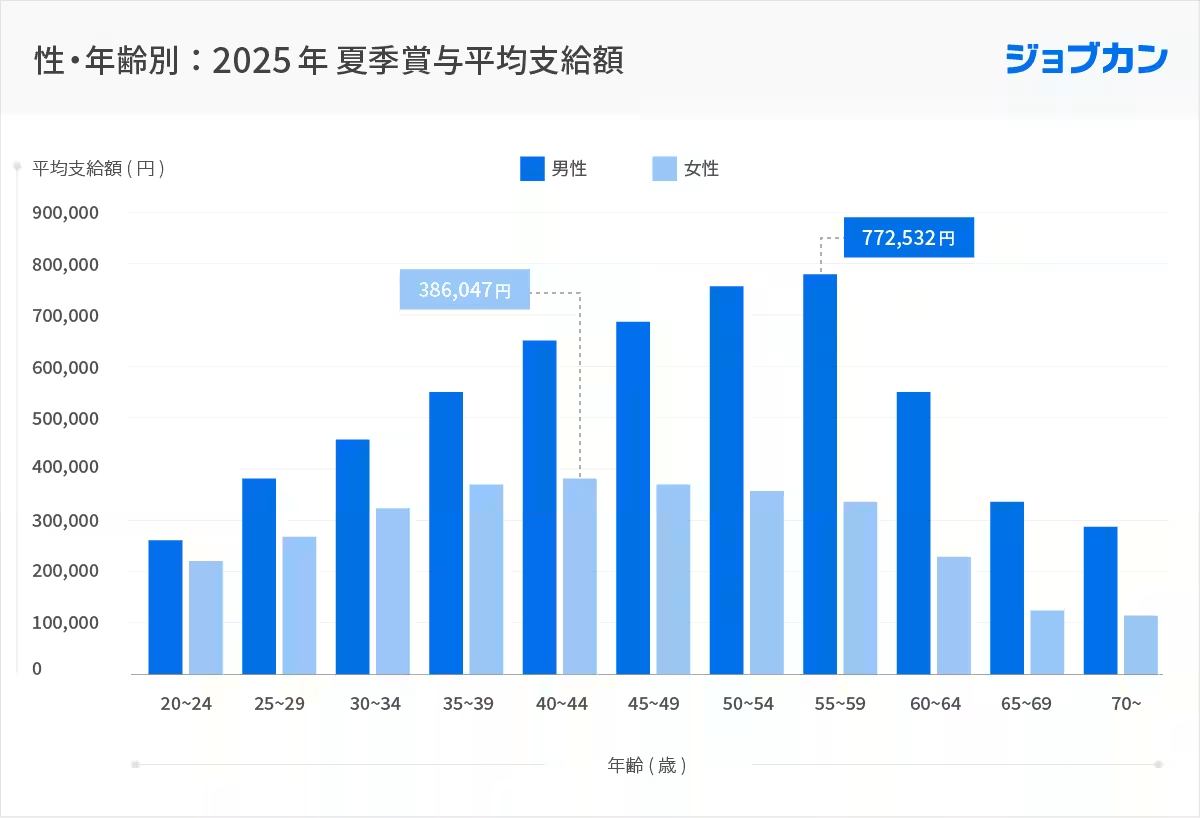
- - Men reach their peak bonus at 55 to 59 years (772,532 yen), whereas women's peak is much earlier at 40 to 44 years (386,047 yen), showcasing a 15-year disparity.
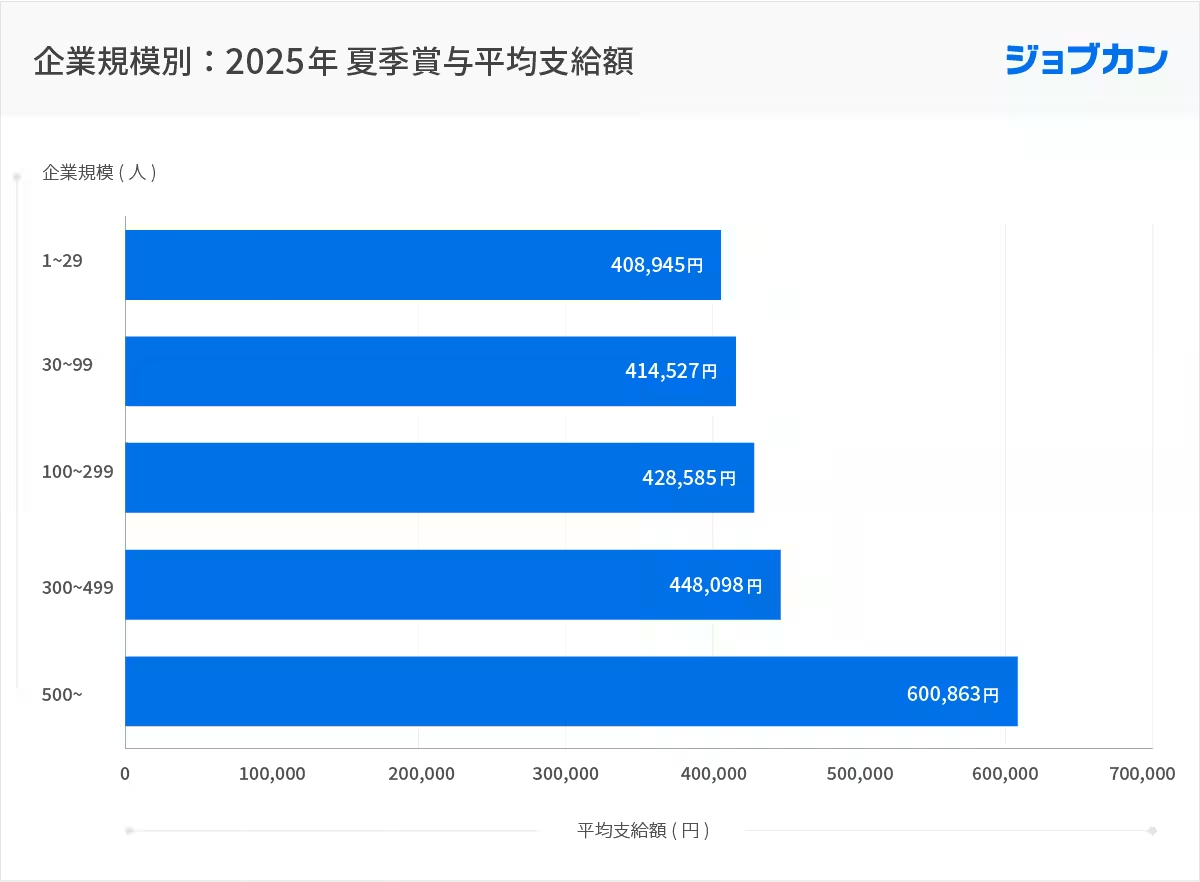
- - Larger firms tend to provide higher bonuses, with companies employing over 500 people averaging more than 600,000 yen.
Detailed Results
Average Bonus Distribution
The gathered data illustrates the average summer bonus of 2025 to be 453,306 yen. By gender, men received 566,479 yen while women earned 313,013 yen, leading to a stark difference of 253,466 yen. The persistence of such disparity indicates broader systemic issues not only in salary distributions but also in bonuses between genders. This data correlates with previous salary surveys conducted by Donuts, bringing to light a continued trend of inequality in compensation.
Age-Specific Bonuses
The report's age-based analysis reveals that bonuses generally increase as individuals gain experience, peaking in the 50 to 54 age group at 598,892 yen. Post-60, however, bonuses drop significantly, likely due to changes in employment conditions such as reemployment after retirement that affect job roles and status. Between ages 60 to 64, bonuses had decreased to 425,178 yen, illustrating a decrease of approximately 30% from the peak.
Gender and Age Breakdown
When segregating data by both gender and age, distinct trends emerge. Men see bonus peaks in the 55 to 59 age bracket while women’s bonuses peak much earlier. This further emphasizes how career progression and opportunities accrue differently based on gender, particularly as individuals move into their 50s, where the bonus gap widens significantly.
Firm Size and Bonus Disparities
Analysis by company size demonstrates a clear correlation with bonus amounts. For smaller enterprises (1-29 employees), bonuses averaged 408,945 yen, contrasting sharply with the 600,863 yen average in firms with more than 500 employees. This disparity highlights how a company’s financial health and compensation strategies directly impact bonus distributions.
Conclusion
As commented by Mizuki Ishiyama, head of the Jobcan division at DONUTS, the findings underscore the ongoing issues surrounding gender pay gaps and the implications of age on bonus distributions. The reality that peak bonus ages diverge by 15 years between genders highlights not merely payment differences but also potential disparities in career pathway opportunities.
In conclusion, fostering a fair and equitable rewards system is essential for recognizing and maximizing the talents of diverse employees. The Jobcan team remains committed to providing valuable insights through data, ultimately contributing to the growth of businesses and creating a fulfilling work environment for all.

Topics Business Technology)
【About Using Articles】
You can freely use the title and article content by linking to the page where the article is posted.
※ Images cannot be used.
【About Links】
Links are free to use.