



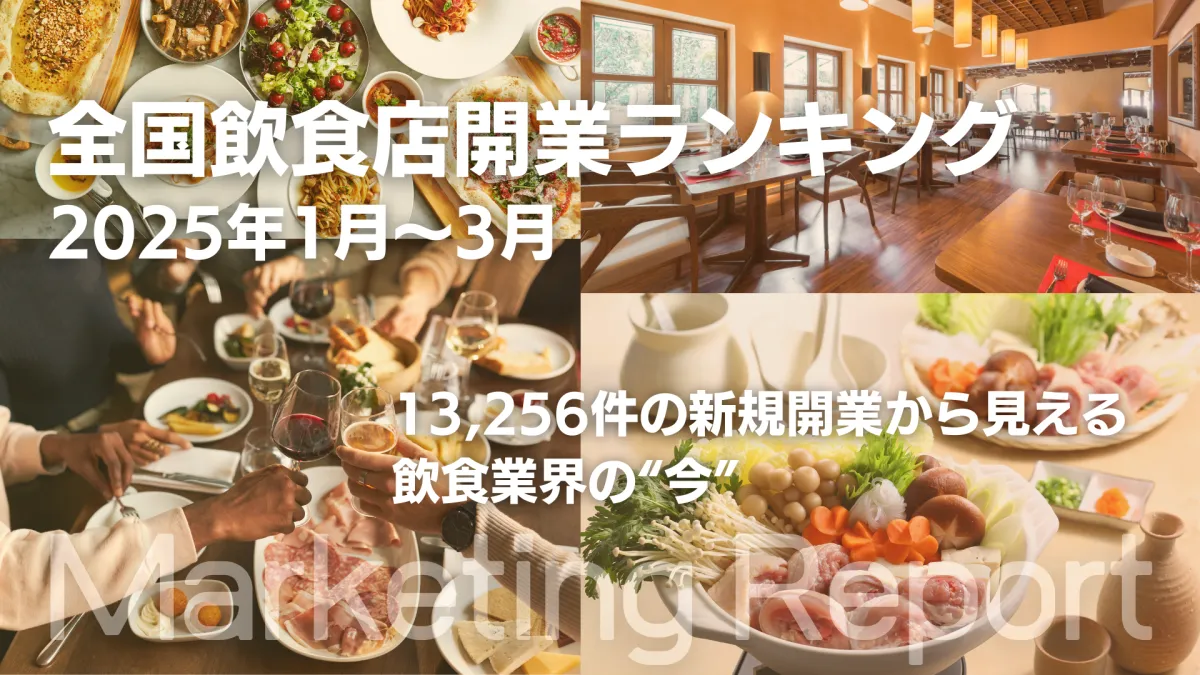
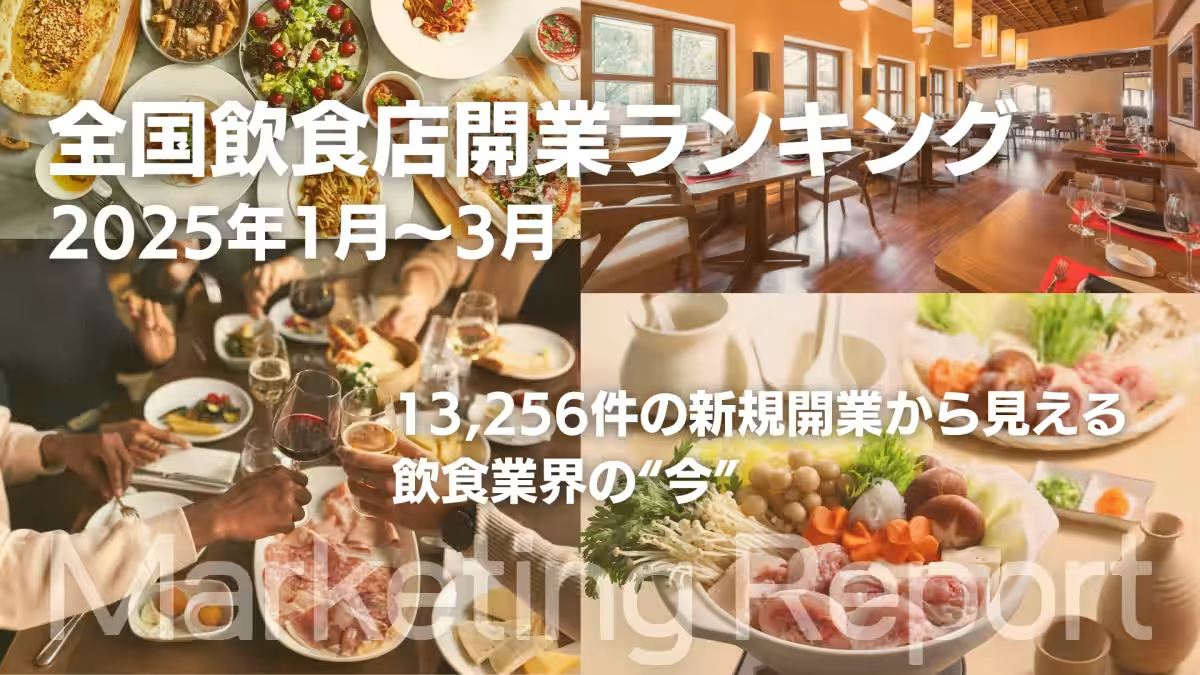
Latest Trends in Japan's Food Service Industry Revealed from 13,256 New Restaurant Openings
Insights into Japan's Restaurant Industry
A recent report from Review, based in Osaka, sheds light on the current state of the restaurant industry in Japan. By gathering data from actual stores, facilities, and corporations, Review has provided a snapshot of new restaurant openings from January to March 2025, revealing critical trends and challenges.
Overview of New Restaurant Openings
From January to March 2025, a total of 13,256 new restaurants were opened nationally. However, this figure marked a notable decrease of approximately 2,700 compared to the previous period, October to December 2024, which saw 16,044 openings. This decline highlights the tough circumstances facing the dining sector.
Top Five Prefectures for New Openings
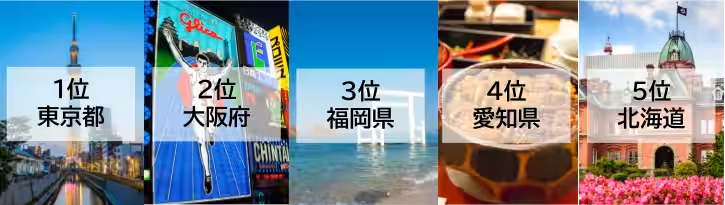
The report ranks the top five prefectures by the number of openings:
1. Tokyo: 1,828 openings
2. Osaka: 1,168 openings
3. Fukuoka: 817 openings
4. Aichi: 772 openings
5. Hokkaido: 762 openings
These areas are recognized for their population density and significant tourist attractions, making them prime locations for new restaurant ventures.
Reasons Behind the Decline
Several factors appear to contribute to the downturn in new restaurant openings:
- - Rising costs: Increased prices and labor costs are affecting profitability.
- - Labor shortages: The industry is grappling with a severe lack of personnel.
- - Changing consumer behavior: Changing spending patterns and preferences are impacting demand.
- - Economic uncertainty: The overall economic environment remains unpredictable.
- - Regulatory and social challenges: New compliance requirements are putting additional pressure on operators.
- - Shifting competitive landscape: The context of competition in the restaurant market has evolved.
Market Trends by Restaurant Category
The report further breaks down the new restaurant openings by category, revealing fluctuations among different types of establishments:
- - Izakayas (Japanese pubs): Ranked first with 736 openings, they continue to be a staple, though facing challenges such as reduced banquet demand.
- - Bars: Coming in second with 686 openings, bars are recovering at night, despite challenges from decreasing second-party demand.
- - Cafes: At third with 632 openings, cafes are popular, but face stiff competition from chains and market adjustments.
- - Specialty restaurants: These saw 384 openings and are gaining traction, reflecting a growing trend towards specialized cuisine.
- - Ramen shops: Despite their enduring popularity, ramen establishments reported a decrease to 371 openings as well.
This analysis indicates a shift away from traditional restaurant models toward specialized and differentiated offerings, as operators seek to adapt to changing consumer preferences.
Seasonal Trends and City Contributions
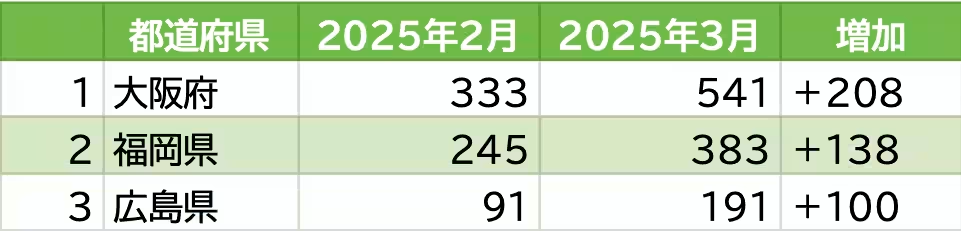
The report reveals a significant increase in openings in three major cities from February to March 2025:
1. Osaka: +208 openings
2. Fukuoka: +138 openings
3. Hiroshima: +100 openings
Each of these regions showed impressive growth, with operating environments buoyed by factors such as tourism and local culture. For instance, Hiroshima has capitalized on its food culture and tourism assets, while Osaka benefits from its bustling metropolitan vibe.
The Future of Dining in Japan
As the restaurant industry grapples with these challenges, it is transitioning towards an era focused on quality and sustainability rather than merely growth in numbers. Technologies like mobile ordering and AI-assisted service are becoming standard.
Despite the current downturn in new openings, this presents an opportunity for innovative dining concepts to flourish. Industry leaders and entrepreneurs are encouraged to embrace change and explore new paths, shaping the future of Japan's restaurant landscape.
For more detailed insights, readers can view the full report here.
About Review
Review is a data provider specializing in the integration of human expertise with IT solutions, committed to empowering businesses in Japan's food service industry. Through innovative approaches, they aim to drive economic revitalization and enhance the quality of life.
For further inquiries, please contact Review's public relations team via email or phone.


Topics Consumer Products & Retail)




【About Using Articles】
You can freely use the title and article content by linking to the page where the article is posted.
※ Images cannot be used.
【About Links】
Links are free to use.