



Exploring the Current Utilization of Generative AI in Japanese Businesses
Generative AI Utilization among Japanese Businesses
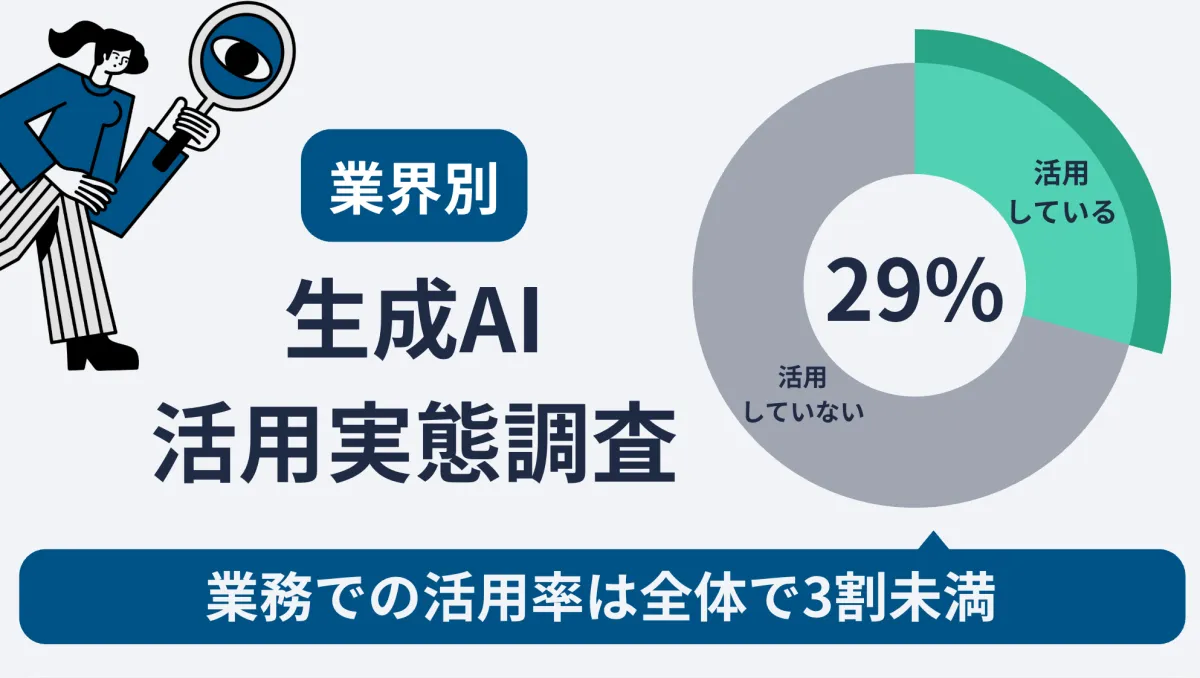
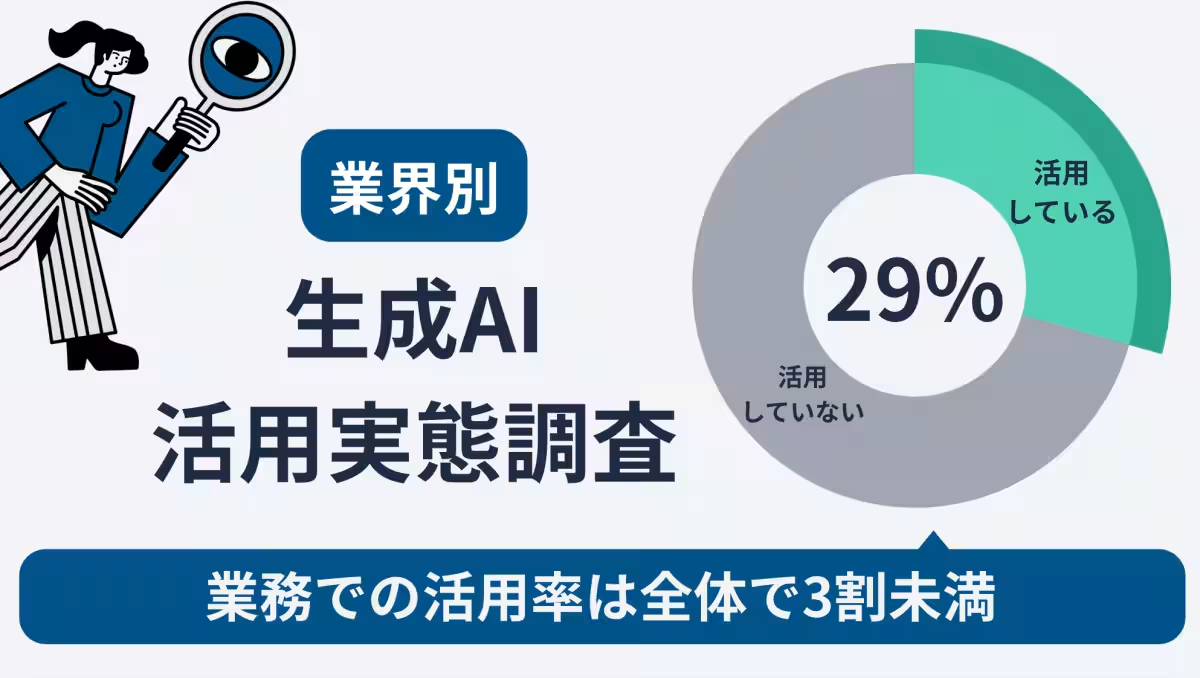
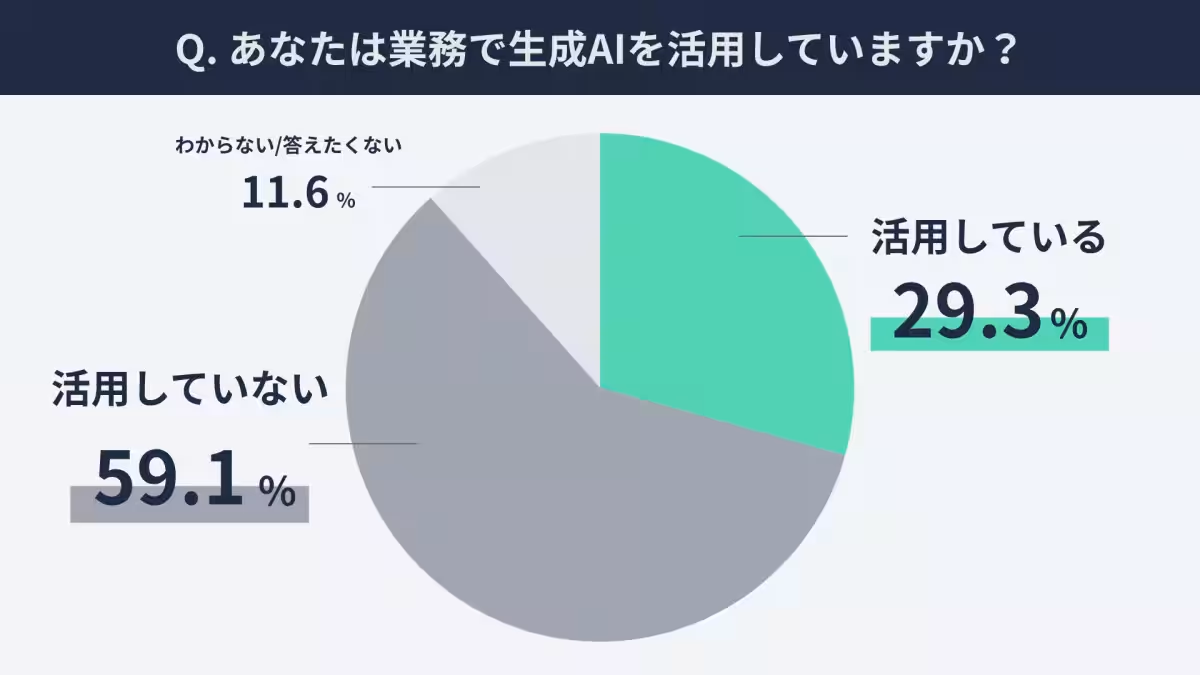
In a rapidly evolving business landscape, generative AI has emerged as a focal point for many organizations. However, a recent survey conducted by Ar Saga Partners has revealed that the overall utilization rate of generative AI within Japanese businesses stands at a modest 29.3%. The study sampled data from 9,244 business professionals across various sectors, highlighting a significant gap between those who embrace this technology and those who do not.
Findings from the Survey
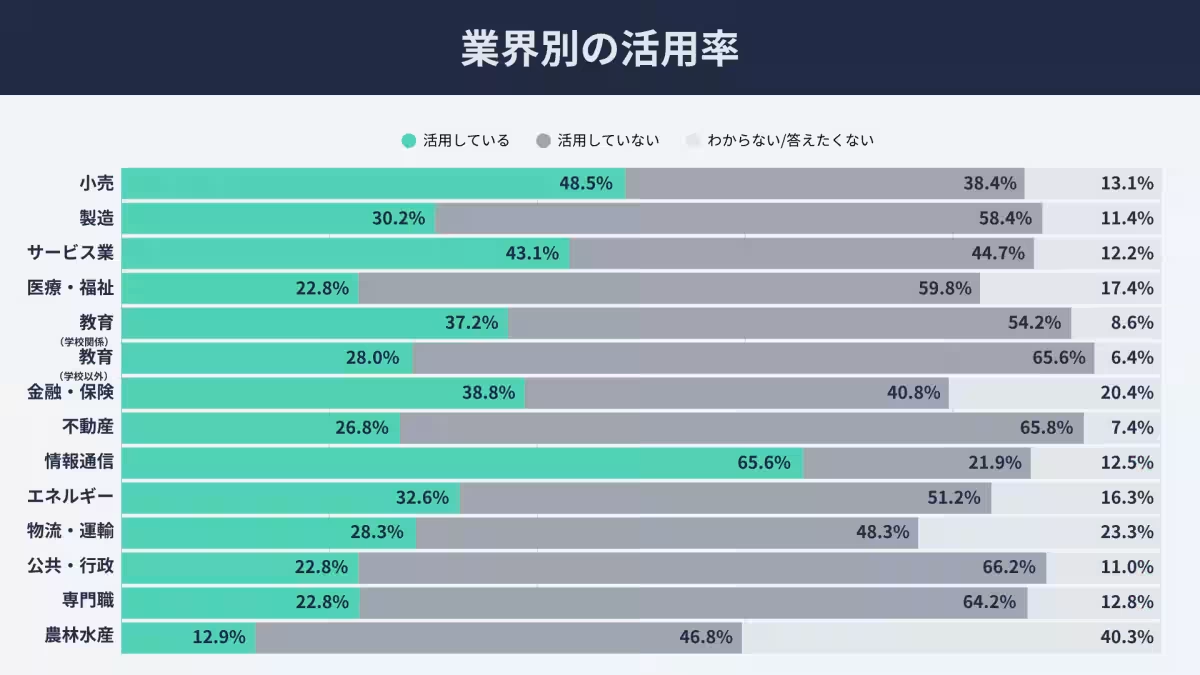
The survey's results indicate that a significant majority, approximately 59.1%, of professionals continue to operate without the aid of generative AI, suggesting that the integration of this technology into business operations remains in its infancy. The industry-specific insights reveal that the telecommunications and retail sectors have the highest adoption rates, with 65.6% of those in telecommunications reporting active usage, followed closely by the retail sector at 48.5%.
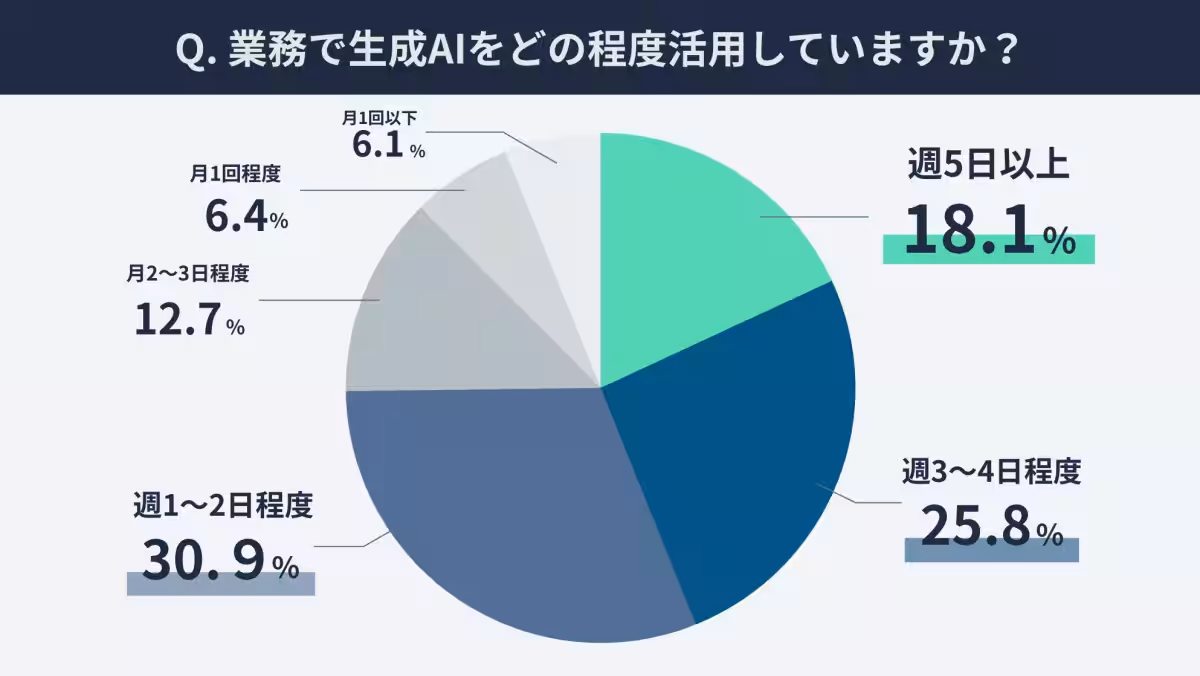
Interestingly, among those who reported using generative AI, a substantial 44% engage with it at least three times a week, indicating that a dedicated segment of users actively integrates this technology into their daily workflows. Conversely, a minority of 12.5% utilize generative AI infrequently, defined as once a month or less.
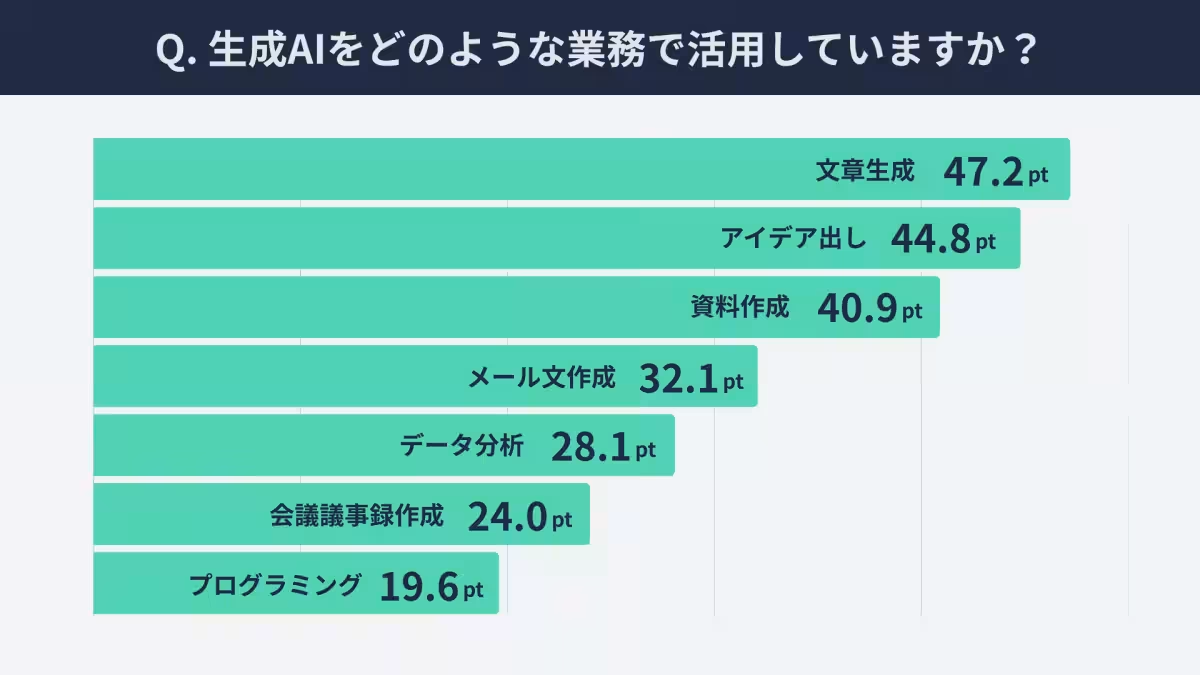
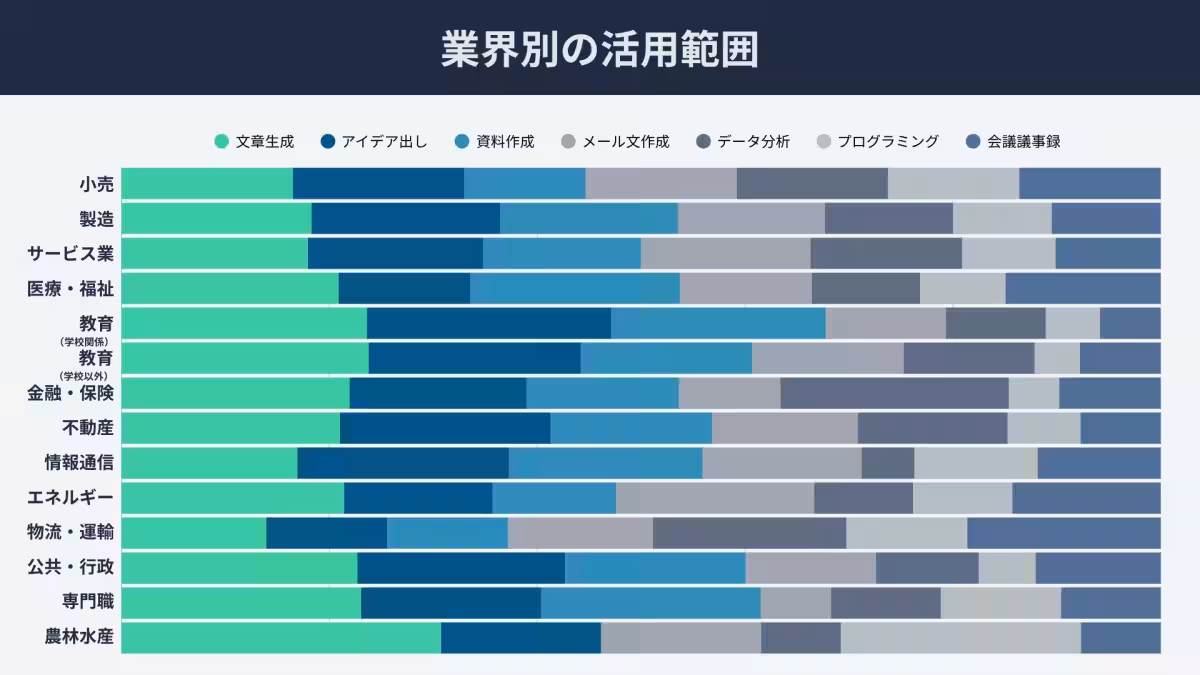
The primary applications for generative AI include tasks such as document generation, ideation, and report preparation. Notably, users in the telecommunications sector are significantly leveraging generative AI for more advanced professional functions such as proposal crafting and complex project planning.
Tools and Technologies in Use
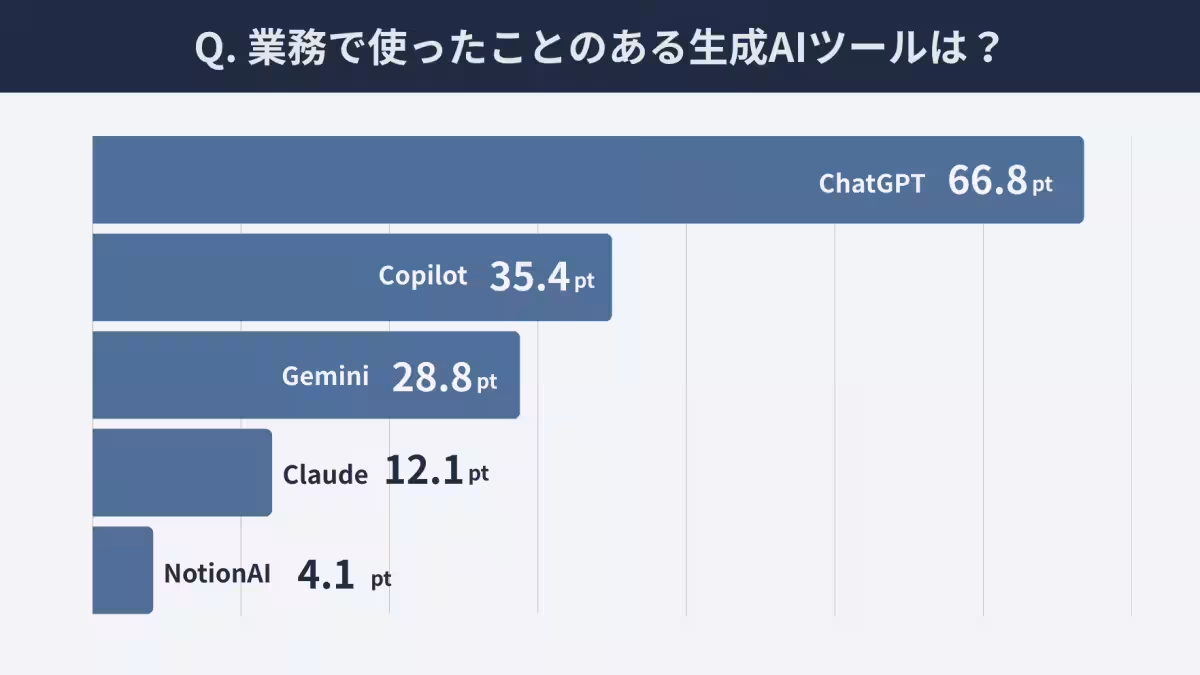
Among the platforms utilized, ChatGPT stands out as the most popular, with a notable 66.8% of respondents using it. Other tools like Microsoft’s Copilot and Google’s Gemini are also gaining traction, indicating a diversification of options available to businesses.
A Closer Look at Adoption Rates
Analyzing the utilization rates across various sectors reveals a profound insight into the varying levels of comfort and readiness to embrace generative AI. The healthcare and education sectors remain laggers, with utilization rates hovering around the 30% mark. However, industries that are more document-centric, like education and public administration, are witnessing higher adoption rates for tasks such as document creation, often exceeding 50%.
The survey showcased evidence of this trend, emphasizing that generative AI has become an indispensable asset in many business practices—emphasizing the broader transition into a digitally transformed business environment.
Challenges and Future Outlook
While these statistics indicate a burgeoning interest in generative AI, the significant proportion of professionals who do not utilize these tools raises questions about the barriers to adoption. Ar Saga Partners plans to explore these impediments in greater depth in upcoming studies and will continue to support businesses in their journey towards digital transformation.
The objective is to ensure that generative AI becomes a staple in the business toolkit, unlocking potential efficiencies and enhancing overall productivity. As companies increasingly embed AI capabilities into their everyday tools and workflows, the landscape for generative AI continues to evolve, promising innovative solutions and opportunities.
In conclusion, as generative AI technology develops and becomes more integrated into business systems, companies like Ar Saga Partners are poised to assist in guiding organizations through the complexities of digital adoption, ensuring they not only catch up but thrive in this new digital age.

Topics Consumer Technology)
【About Using Articles】
You can freely use the title and article content by linking to the page where the article is posted.
※ Images cannot be used.
【About Links】
Links are free to use.