



Advancing Policies for Autonomous Vehicle Implementation in Japan
Advancing Policies for Autonomous Vehicle Implementation in Japan
In recent developments, the Non-Profit Organization, ITS Japan, has been actively collaborating with Japan's Liberal Democratic Party's ITS Promotion and Road Research Committee to discuss the significant progress of autonomous vehicles both domestically and internationally. On April 3, discussions took place regarding the implications, objectives, and current challenges concerning the social implementation of autonomous vehicles in Japan. These insights aim to facilitate smoother transportation and alleviate shortages of drivers.
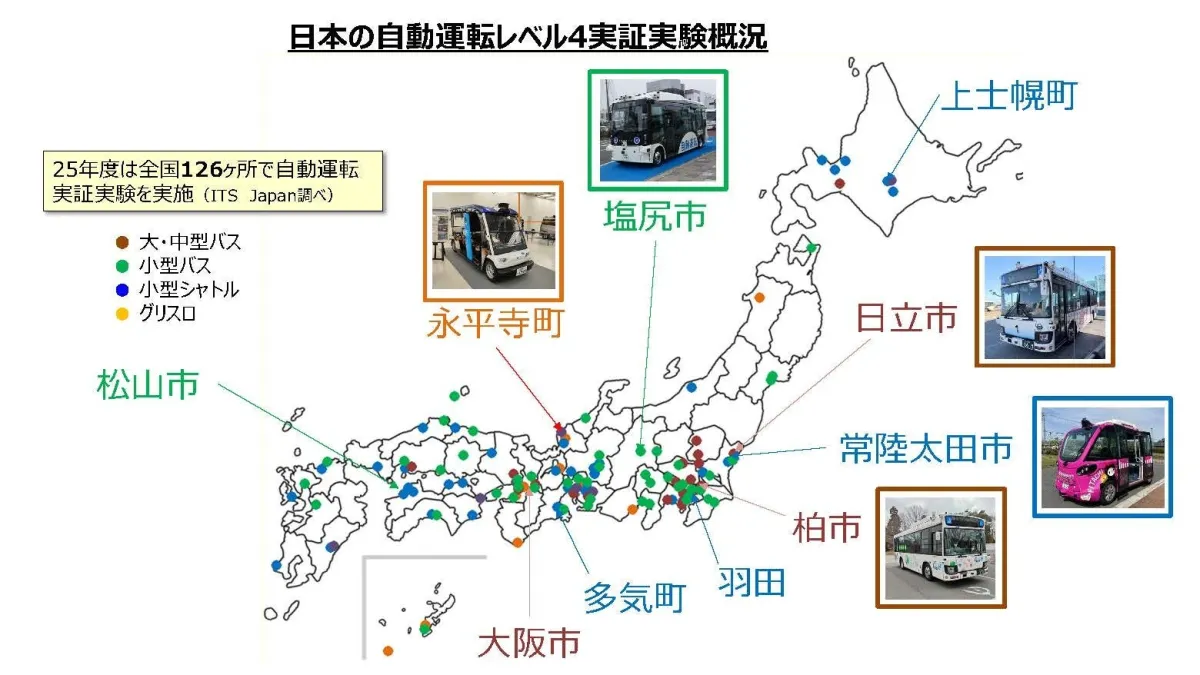
Contribution to In-Depth Discussions on Autonomous Vehicle Promotion
ITS Japan has been a vital contributor to the dialogue within the Liberal Democratic Party’s ITS Promotion and Road Research Committee. In the previous year, they provided valuable insights to the subcommittees focused on shaping policy, much of which was incorporated into government recommendations. This underscores their role in deepening discussions around the promotion of autonomous vehicles. During a recent meeting, Japan's Minister of Land, Infrastructure, Transport, and Tourism, Kisaburo Kaneko, expressed gratitude for ITS Japan's contributions and their anticipated future involvement.
During the recent discussions led by House of Representatives member Kazuyuki Nakane, the opportunity to elaborate on autonomous vehicle policies was a result of ongoing collaborative efforts.
Addressing Societal Effects and Challenges of Autonomous Vehicles
The meeting focused on the meaning and objectives of social implementation in Japan, considering government policies and the dynamics of various related ministries. The session outlined the societal benefits that autonomous vehicles could provide, along with their potential roles in addressing unique social issues in Japan.
The discussion also included an overview of the Third Transportation Policy Basic Plan and forthcoming comprehensive logistics policies. Topics of prioritizing sustainable mobility and eliminating transportation voids were subjects of active dialogue in this context.
Key Takeaways:
1. Understanding the significance and government approaches regarding the social implementation of autonomous vehicles.
2. Clarifying the unique characteristics of different vehicle types and services tailored to specific use cases.
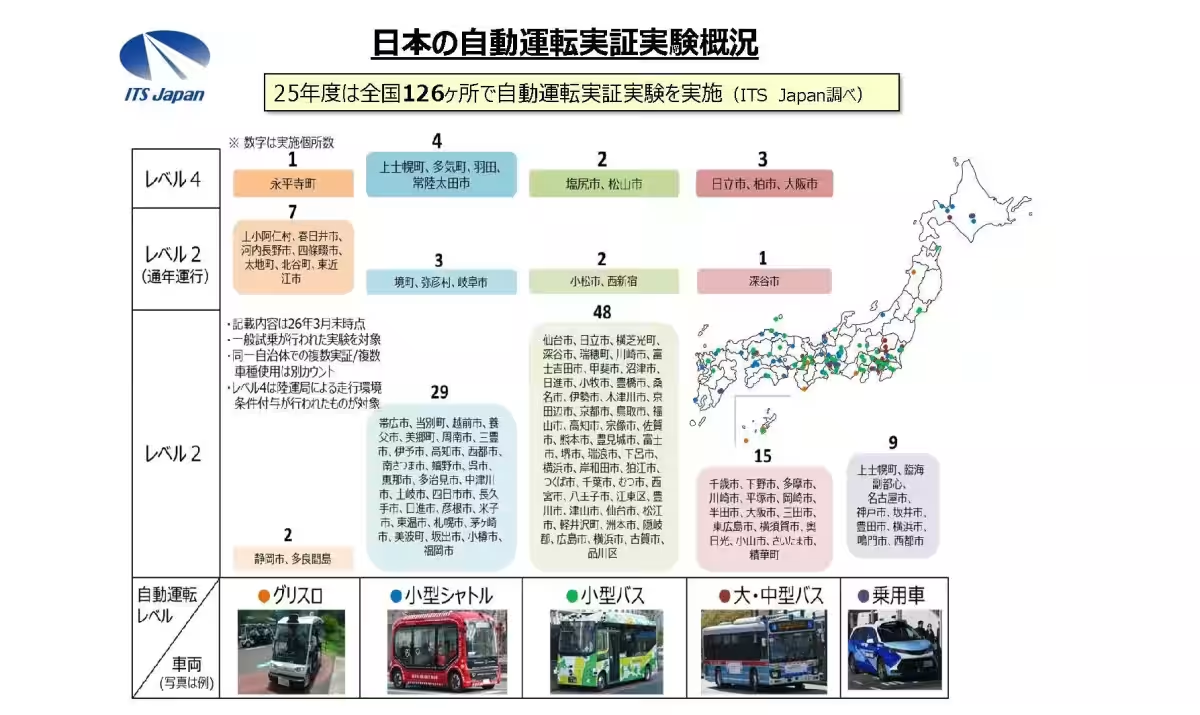
3. Discussing the current status of autonomous vehicle trials and challenges, focusing on buses and overall status.
4. Identifying critical points for promoting autonomous vehicle policies leading towards the subcommittee's conclusive recommendations.
Interest in Sustainable Public Transportation
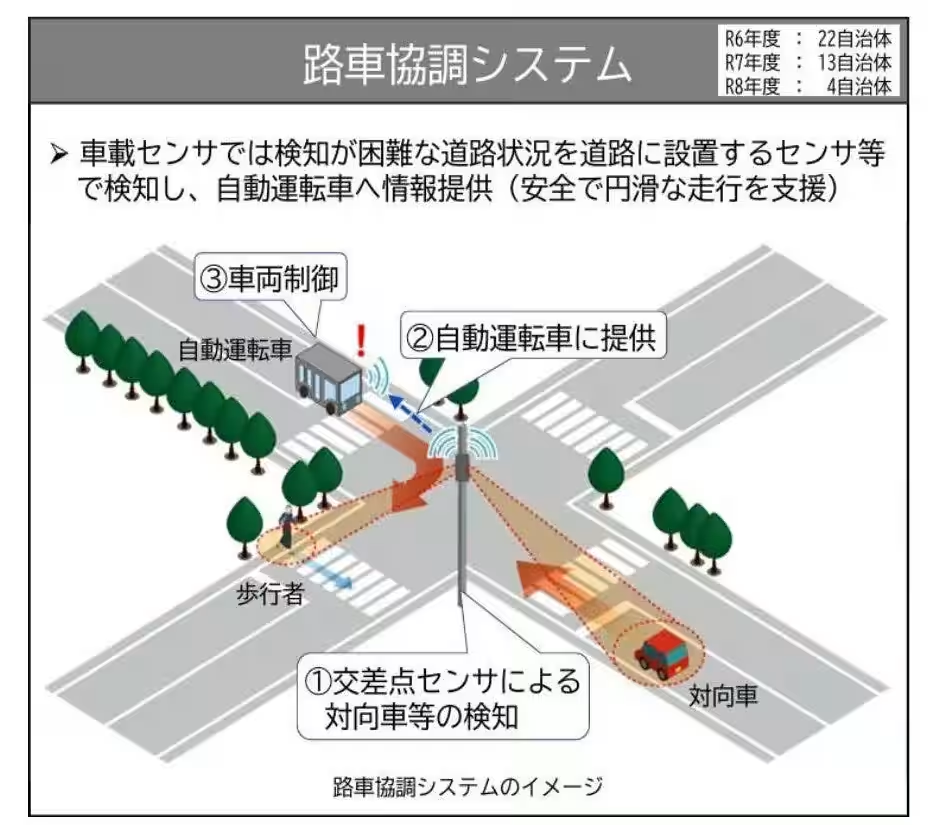
During a Q&A segment, Chairman Nakane expressed profound interest in the sustainability of local public transportation. ITS Japan elaborated on service models and community acceptance in response to fluctuating demand, stimulating a lively exchange of ideas. The crucial need for infrastructure development to ensure safe and efficient services was emphasized, in conjunction with strategies to maintain operations amidst driver shortages. Additionally, there was a notable enthusiasm for experiencing the latest domestically produced autonomous vehicles, marking a strong interest in innovation.
Future Collaborations for Accelerating Social Implementation
Looking ahead, the subcommittee plans to gather insights from external experts, and ITS Japan is committed to ongoing participation in these discussions. A joint recognition regarding the importance of formulating a roadmap for sustainable societal implementation of Level 4 autonomous vehicles was established. This includes the continuous operation from start to finish, as part of tackling societal challenges and securing essential funding.
Through its expert knowledge and multifaceted support, ITS Japan aims to contribute significantly to policy development as we collectively strive for the prominence and success of autonomous vehicles in society.
For more on ITS Japan's public-private partnership initiatives, visit ITS Japan Official Activities, and for research on autonomous vehicles, check out ITS Japan Autonomous Vehicle Research.


Topics Policy & Public Interest)
【About Using Articles】
You can freely use the title and article content by linking to the page where the article is posted.
※ Images cannot be used.
【About Links】
Links are free to use.