



New Research Reveals Challenges of After-School Care for Children Entering Elementary School
Introduction
On May 24th and 25th, 2025, at the second research conference of the Japan After-School Association, Hoikushi Bank! Soken, operated by Nextbeat Co., Ltd., presented findings regarding after-school preparations for children entering elementary school. This study aimed to explore the readiness of kindergartens and parents concerning this transition.
Key Findings
Though preschools are undertaking various preparations for children entering elementary school, the opportunities for children to learn about after-school activities remain limited. Here are some standout observations from the survey:
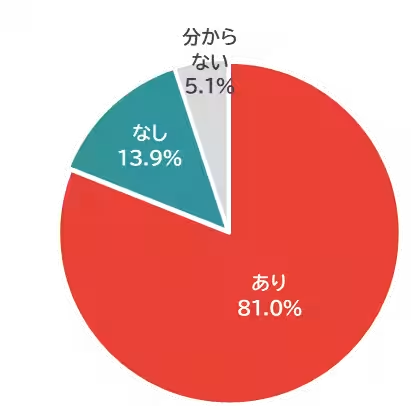
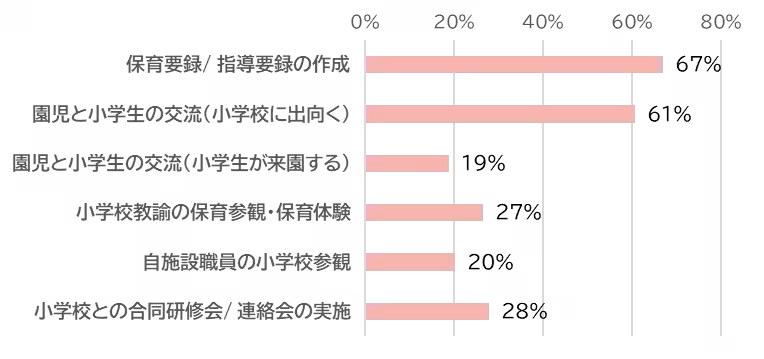
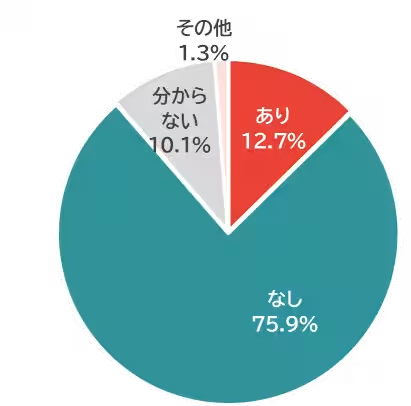
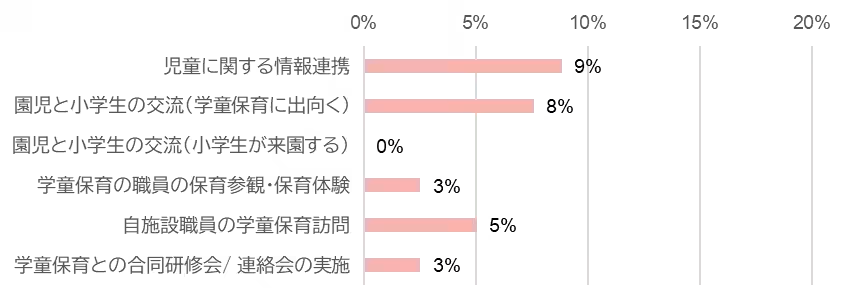
1. Approximately 80% of preschools are collaborating with elementary schools, yet only about 10% are in touch with after-school childcare programs.
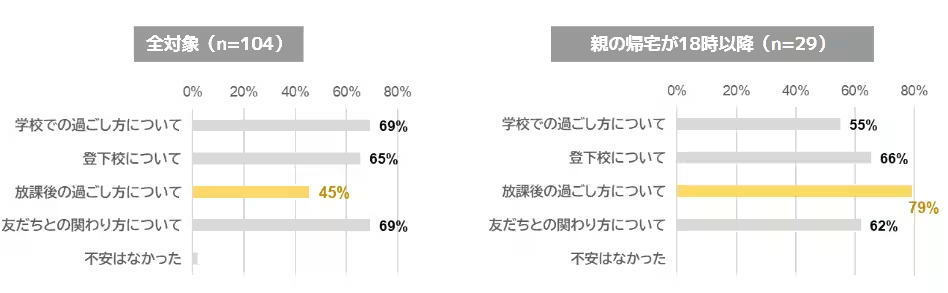
2. Parents express significant anxiety regarding their children's safety during after-school hours.
Background of the Study
Entering elementary school is a pivotal change for children, and preschools have recently made efforts to strengthen ties with elementary institutions. However, there exists a concern regarding the adequacy of preparations for after-school situations. Many elementary school parents report difficulties related to how their children spend time after school. To address this, Hoikushi Bank! Soken conducted a survey on how preschools and parents prepare for this new chapter.
Detailed Survey Results
Findings from Preschools
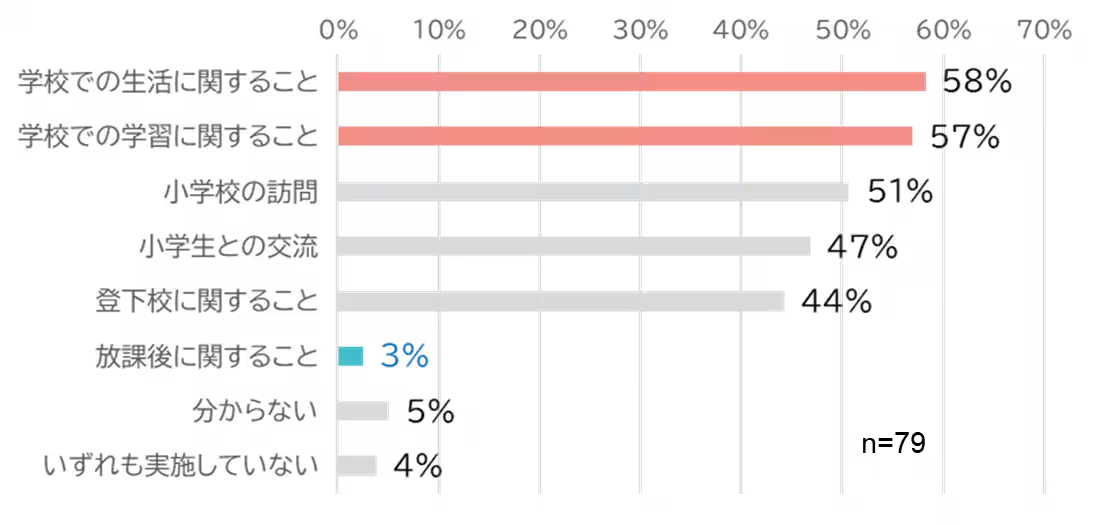
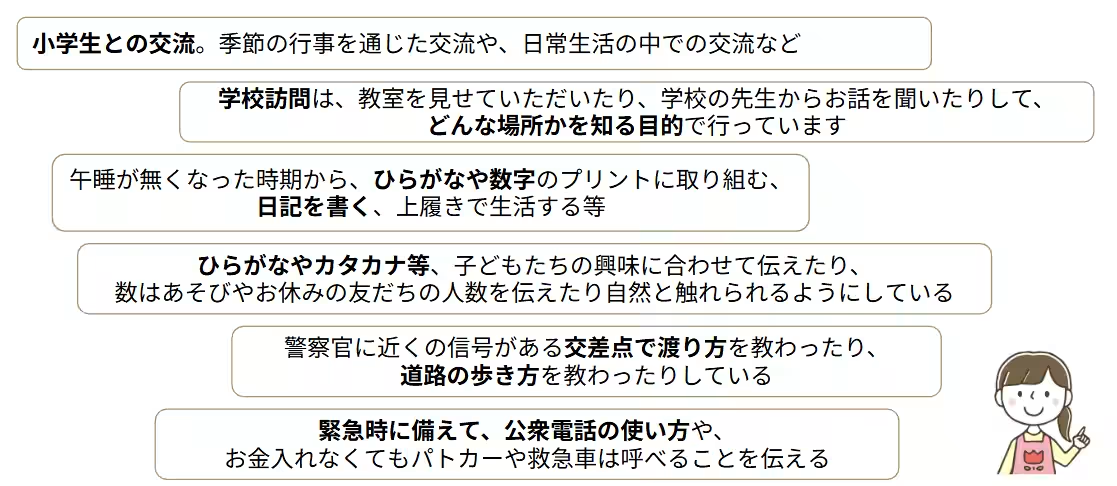
In the senior classes of preschools, numerous initiatives focusing on supporting children as they prepare for elementary school were noted. Over 90% of institutions provide pre-school education aimed at familiarizing children with basic literacy skills, such as learning hiragana and numbers, as well as arranging visits to and interactions with elementary schools. However, findings indicate that there are very few opportunities for children to learn about after-school activities, which is a significant gap that needs to be addressed.
Specific Initiatives
Moreover, while about 80% of preschools engage in collaboration with elementary schools, contact with after-school care programs is significantly lower, with only around 10% of preschools establishing connections. In cases where preschools and after-school care services are run by the same organization, some interactions do occur, yet many preschools struggle with communication with after-school care providers.
Findings from Parents
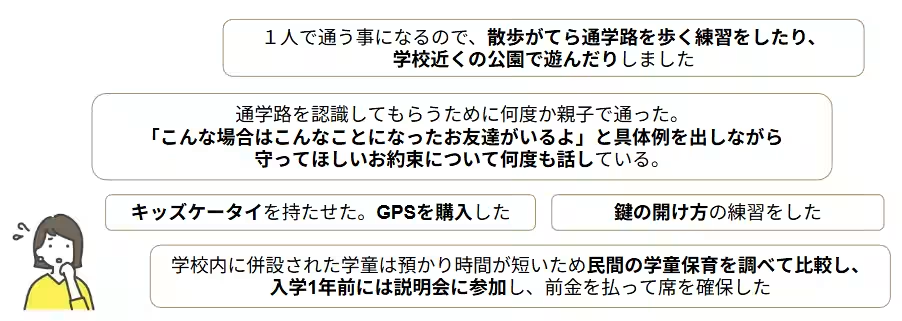
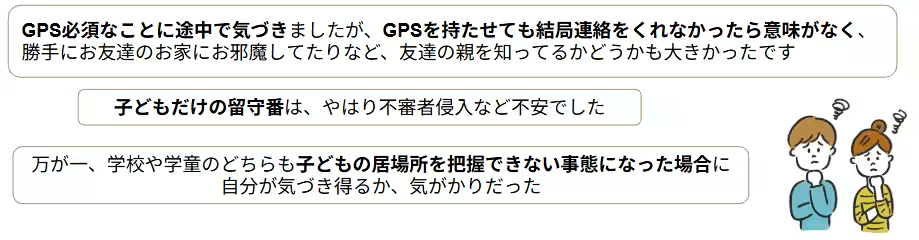
Parents of elementary school children reported elevated anxiety regarding after-school care, particularly among dual-income families where parents may return home later. The survey highlighted worries about whether children can navigate after-school scenarios safely. Parents are actively participating in exercises like down school rehearsals or teaching children how to assess potential dangers, though some families still express concern about leaving children home alone without preparation.
Specific Concerns Identified
Parents also mentioned needing to make arrangements for after-school care services, purchasing mobile phones or GPS devices, and practicing how to unlock and secure doors. While some engaged in thoughtful preparations, many families felt unprepared and anxious regarding safe home situations.
Comprehensive Analysis
For many young children who have always been under adult supervision, the post-school environment is a new territory. Significant changes in their environment are accompanied by minimal opportunities to understand and get used to their after-school lives. Simultaneously, parental concerns are prevalent, with many parents anxious about ensuring their children’s safety and grappling with how best to prepare.
To facilitate a smooth transition for children post-enrollment, it is crucial to increase the number of opportunities for both parents and children to learn about after-school situations before entering elementary school. Additionally, enhancing collaborations between preschools and after-school care services, potentially through human resource exchange initiatives, could be a beneficial strategy.
Study Overview
- - Participants: Parents with elementary school-aged children and preschools (kindergartens, certified child centers, etc.)
- - Period: May 9 to May 17, 2025
- - Method: Internet survey
- - Responses: 212
Data Citation
Please use the term
Topics Other)
【About Using Articles】
You can freely use the title and article content by linking to the page where the article is posted.
※ Images cannot be used.
【About Links】
Links are free to use.