



Survey Reveals Commuting Convenience Influences Used Condo Purchases
Commuting Convenience and Used Condo Purchases: Key Findings from Recent Survey
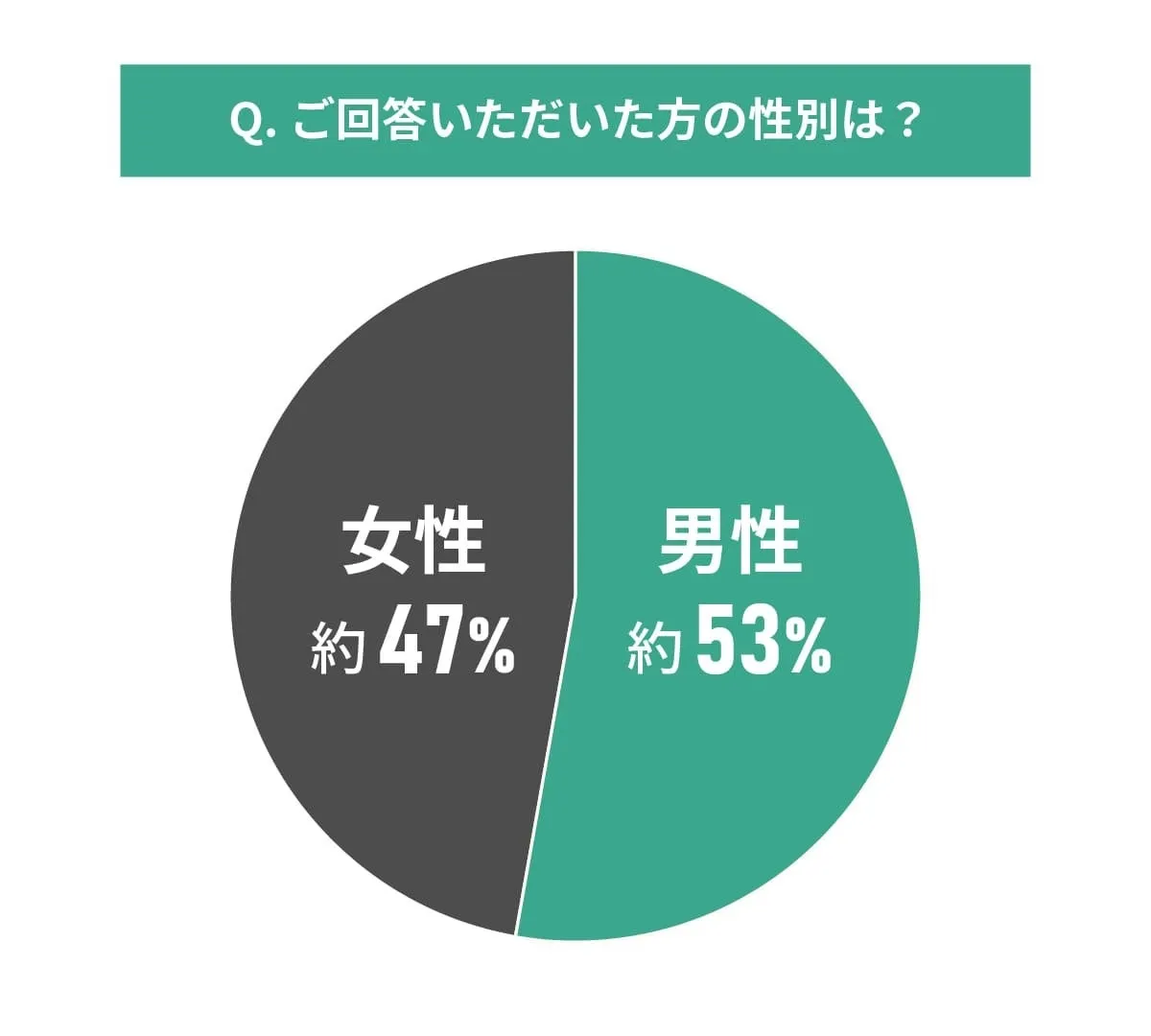
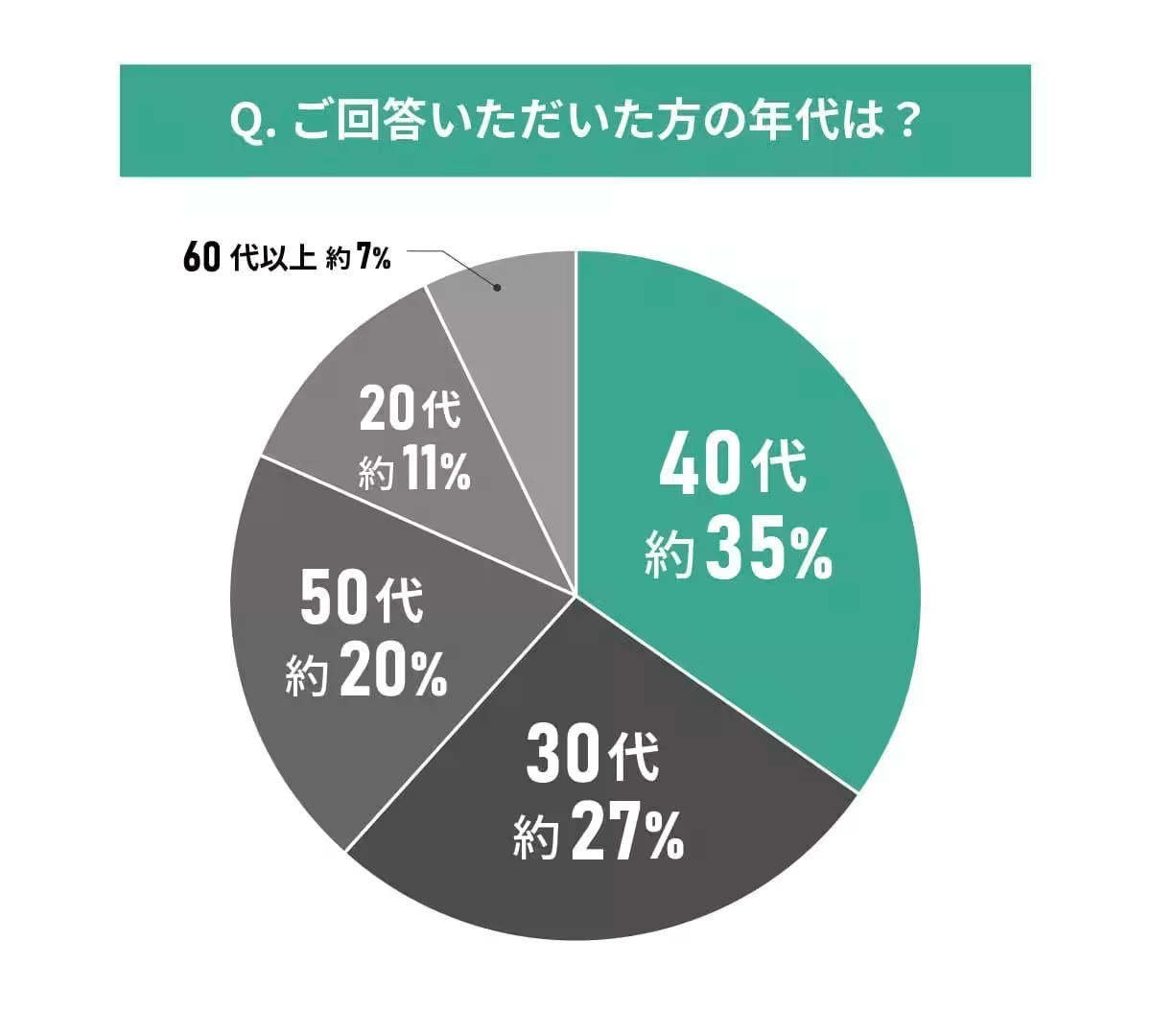
In March 2025, MEMOCO, headquartered in Shibuya, Tokyo, conducted a comprehensive survey in collaboration with Sumunara to explore the relationship between used condo purchases and commuting convenience. The survey involved 115 participants, comprising 61 males and 54 females, aged from their twenties to sixties.
Survey Overview
The primary focus of the survey was to assess how important commuting and schooling convenience were to buyers of used condos. The results reveal a significant insight into the modern homebuyer’s needs, particularly regarding transportation accessibility.
Importance of Commuting Convenience
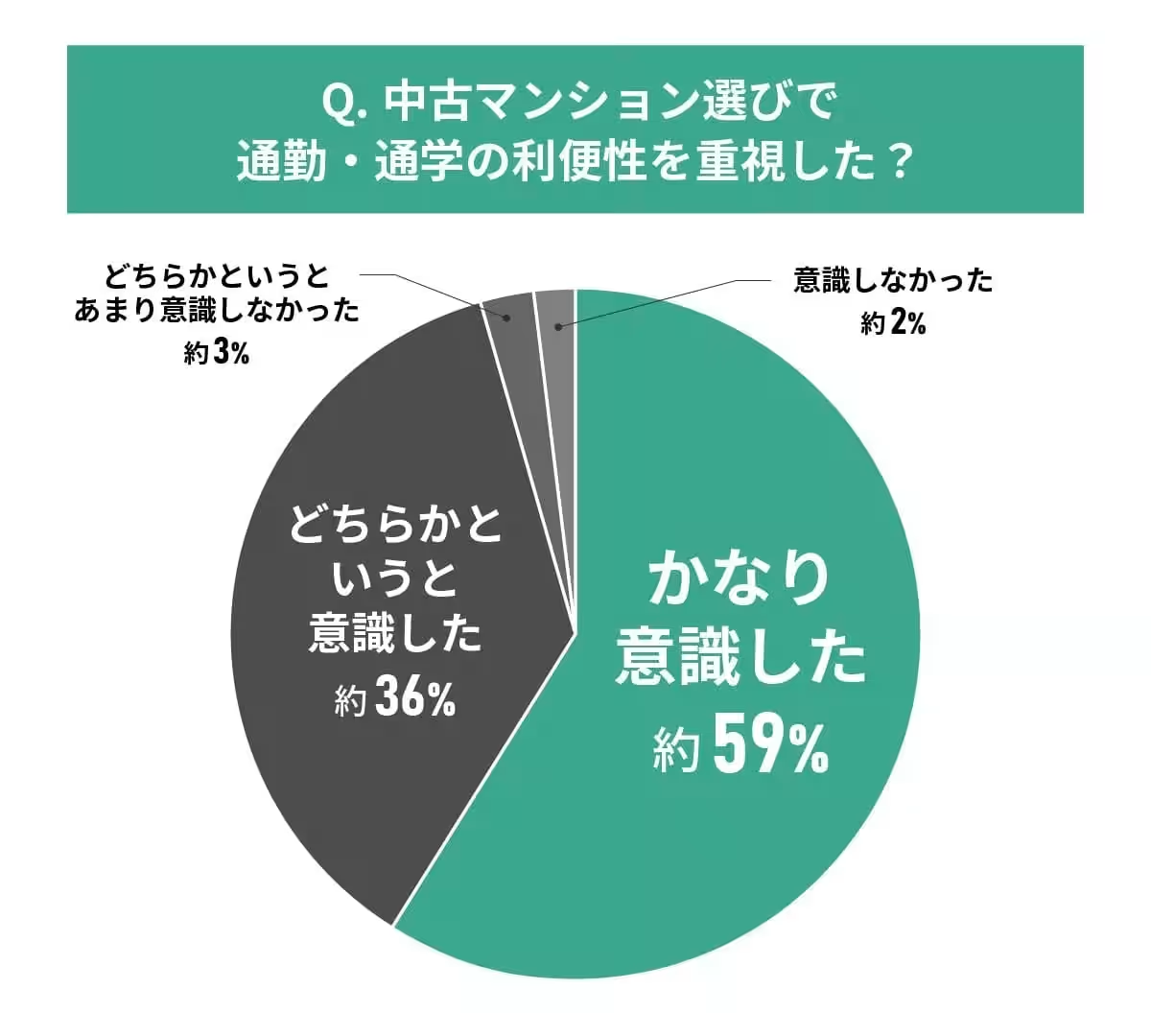
An impressive 96% of participants reported a high level of concern about commuting convenience when making their purchasing decisions. The breakdown was as follows:
- - 59% stated they were “very conscious” of this aspect.
- - 36% responded they were “somewhat conscious.”
- - In contrast, just 5% neglected this factor, indicating overwhelmingly strong awareness among potential buyers.
These results confirm the crucial role that transportation access plays in their decision-making process. Given that purchasing a home represents a significant life investment, prioritizing daily commuting efficiency can directly enhance satisfaction in everyday life after purchase.
Rationale Behind Commuting Preferences
When asked why commuting convenience was a priority, respondents highlighted several compelling reasons:
- - Efficiency: Many buyers expressed a desire to minimize commuting time, underscoring the fundamental need for a manageable daily routine. Comments included:
- “Quality of life decreases if commuting isn’t easy.”
- “Long commute distances can be physically exhausting.”
- - Stress Reduction: Buyers emphasized the need to lessen commuting-related stress, with some remarking on the importance of a hassle-free travel experience.
- - Future Considerations: Many respondents evaluated commuting convenience not only for themselves but also with future family needs in mind, including children’s schooling.
This underscores that buyers seek not merely close proximity, but rather an enhancement in the overall quality of their lives and the retention of long-term asset values.
Post-Purchase Satisfaction
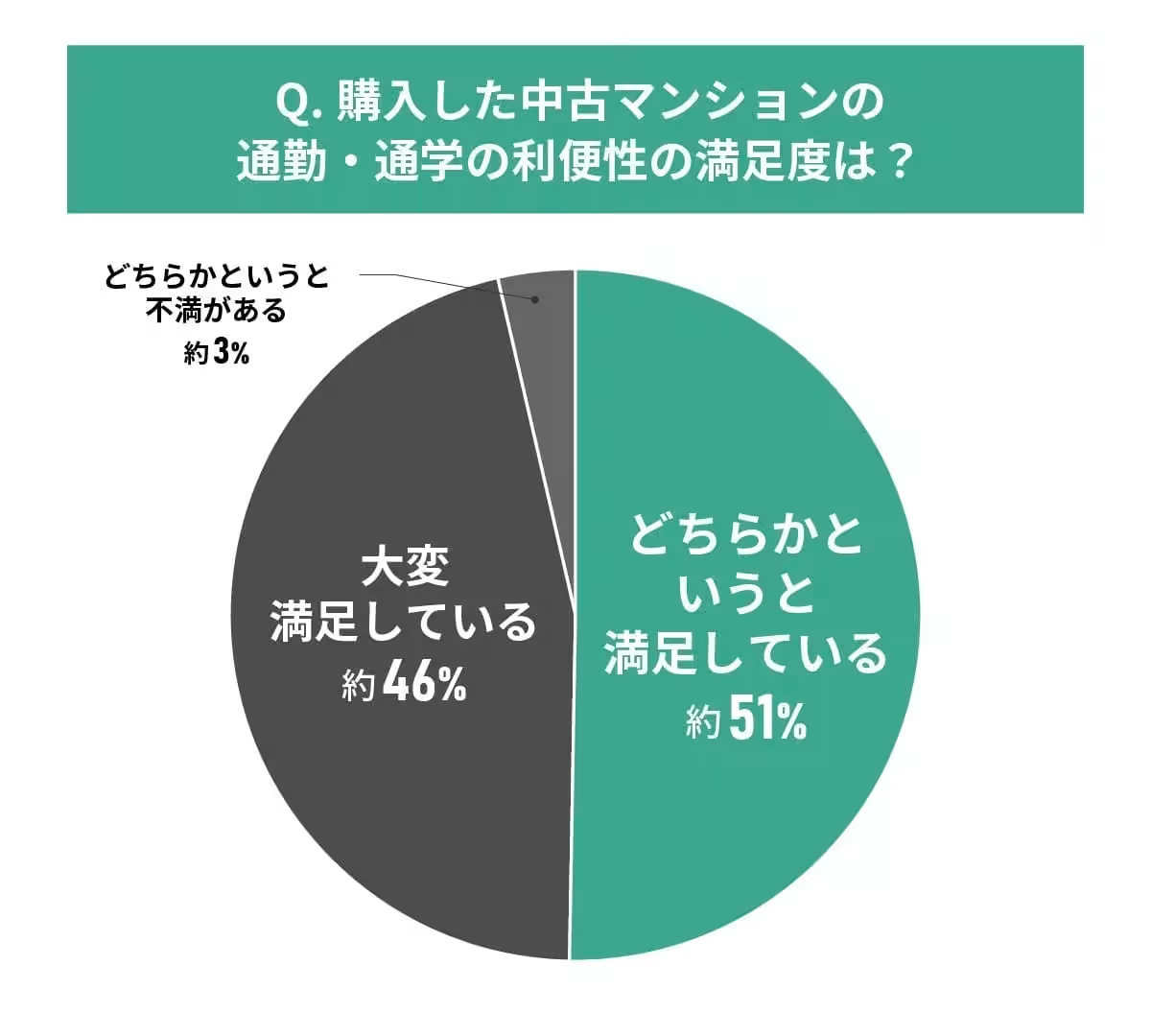
In terms of satisfaction with their new homes after purchase, a staggering 97% of the respondents expressed contentment with their commuting convenience. The detailed satisfaction levels were:
- - 46% were “very satisfied.”
- - 51% indicated they were “somewhat satisfied.”
- - Only 3% reported minor dissatisfaction.
- - No respondents indicated significant discontent.
This alignment between high prioritization and satisfaction suggests that many buyers made well-informed choices regarding their chosen locations.
Reasons for Satisfaction
Successful buyers identified several key factors contributing to their satisfaction:
- - Improved Distance and Time: Several commented on their closeness to transit stations and how commuting times had shortened appreciably. Some remarked, “I can walk to the station.”
- - Diverse Transportation Options: Respondents highlighted the availability of various public transport choices, including bus routes and minimal transfers.
- - Quality of Life Improvements: Many noted that commuting had become stress-free, allowing them extra time in the mornings.
Overall, these reflections illustrate the careful consideration and realistic expectation-setting prior to purchase directly led to their satisfaction.
Areas of Concern
Although most respondents were satisfied, a few voiced complaints, primarily due to unexpected changes in personal circumstances:
- - Some remarked, “I have to travel further for work now.”
- - Others felt commuting times became longer.
Interestingly, these issues were more related to personal life changes rather than the purchase’s inherent location factors.
Demographic Insights
The analysis explored how different age groups and genders perceived commuting convenience. Significant variances emerged, potentially influencing better housing selection recommendations:
Age-Related Trends
When examining differing age groups' responses:
- - 20s: About 54% were “very conscious.”
- - 30s: Highest at 65% due to career and family demands.
- - 40s: 63% showed strong priority.
- - 50s: 57% were relatively conscious.
- - 60s+: Only 38%, possibly influenced by reduced commuting necessity post-retirement.
The trend indicates that those in their thirties and forties exhibited the highest concern levels, primarily due to the need for family considerations and career development.
Gender Perspectives
Although there was no large discrepancy in awareness levels between genders, subtle differences in rationale emerged:
- - Women tended to prioritize safety and family-oriented convenience, often considering future schooling needs.
- - Men, however, focused on commuting efficiency and the physical demands of travel.
This indicates a slight divergence in focus rather than a fundamental difference in prioritizing commuting ease.
Conclusion and Future Implications
In summary, the findings of this survey emphasize the paramount importance of commuting and schooling convenience for used condo buyers. With 96% prioritizing this factor, it signifies a clear correlation between location choice and overall satisfaction post-purchase.
For future homebuyers, prioritizing commuting convenience is critical. However, considering potential life changes and diverse transportation options will play a significant role in selecting the right location.
As modern life continues evolving, these insights provide valuable guidelines for navigating housing decisions effectively, keeping commuting convenience at the forefront.
Topics Consumer Products & Retail)




【About Using Articles】
You can freely use the title and article content by linking to the page where the article is posted.
※ Images cannot be used.
【About Links】
Links are free to use.