



Understanding the Distinct Differences Among Startups Utilizing Grants and Subsidies
Understanding the Distinct Differences Among Startups Utilizing Grants and Subsidies
In a recent survey conducted by Entrepreneur Bank (located in Osaka, Japan, under the leadership of CEO Hiroya Maesono), significant insights were gathered about how startups with fewer than 100 employees leverage grants and subsidies for growth. Grants and subsidies represent a crucial funding method for small businesses, providing necessary financial resources for equipment investments, service development, and employee training. However, the survey also revealed challenges such as the complexity of application procedures and the need for proper documentation, often resulting in a feeling of burden among some entrepreneurs.
Starting from January 2026, amendments to the Administrative Scriveners Act will further clarify the scope of work concerning the preparation of documents submitted to public agencies. It is essential for startups seeking external help with grant applications to understand the expertise of the advisors they consult, ensuring they select appropriately qualified professionals.
Survey Overview
The survey titled "Utilization of Grants and Subsidies among Small Businesses" was conducted from February 3 to February 5, 2026, utilizing internet methodology through PRIZMA. A total of 1,003 entrepreneurs who indicated they had fewer than 100 employees participated.
Key Findings
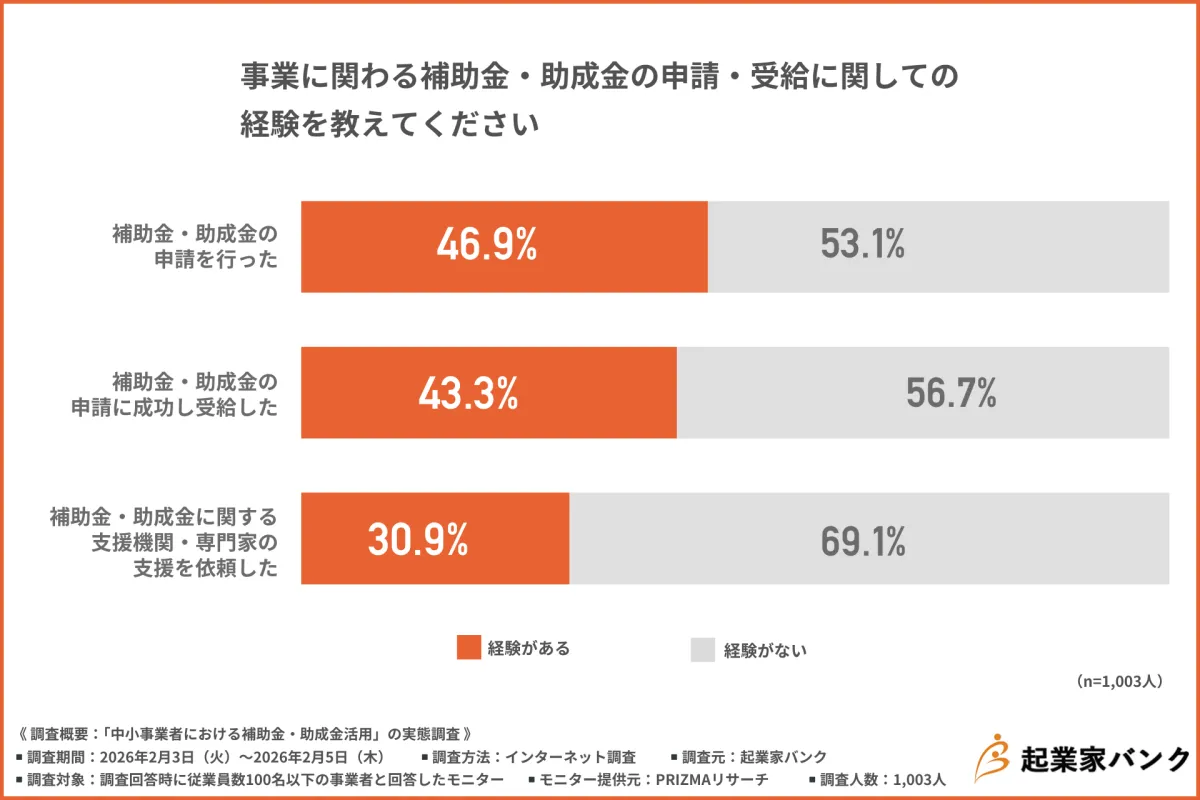
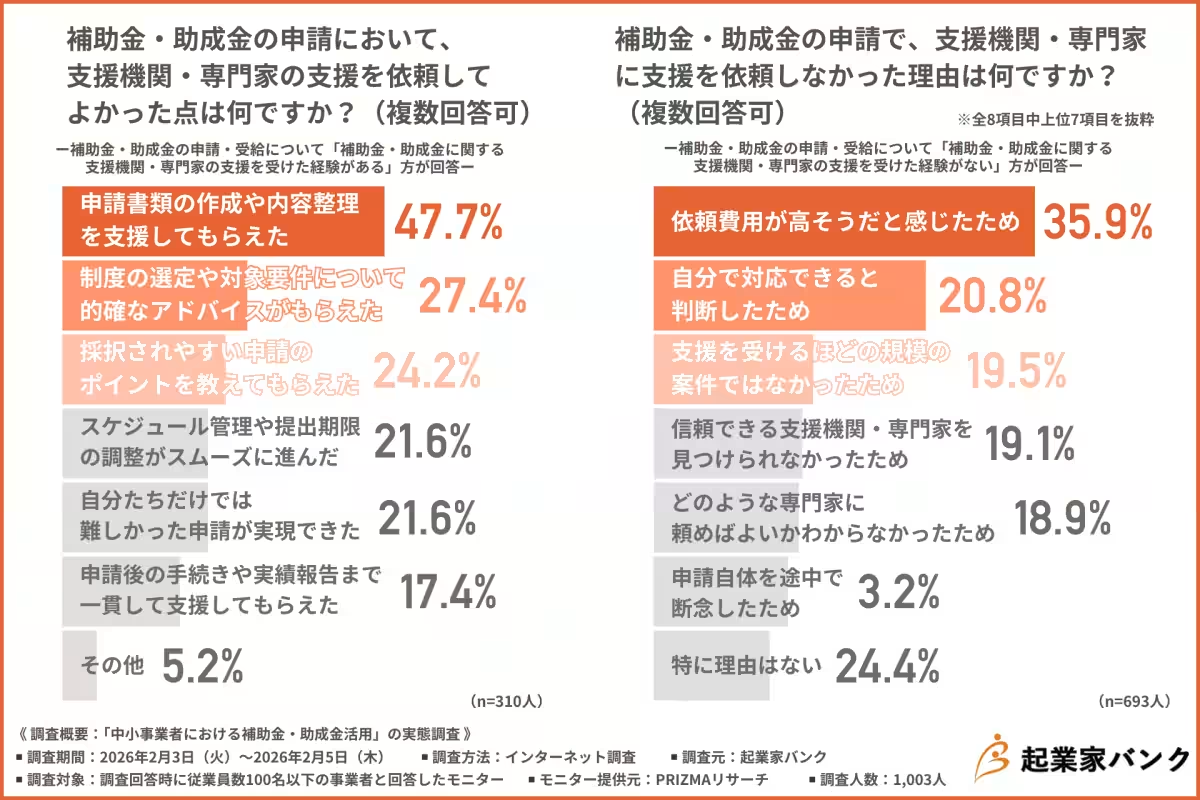
Approximately half of the respondents reported having applied for grants or subsidies, with nearly 43% successfully receiving them. Among those who succeeded, around 70% sought assistance from specialist agencies or experts, highlighting the support role of professional advisors in the application process.
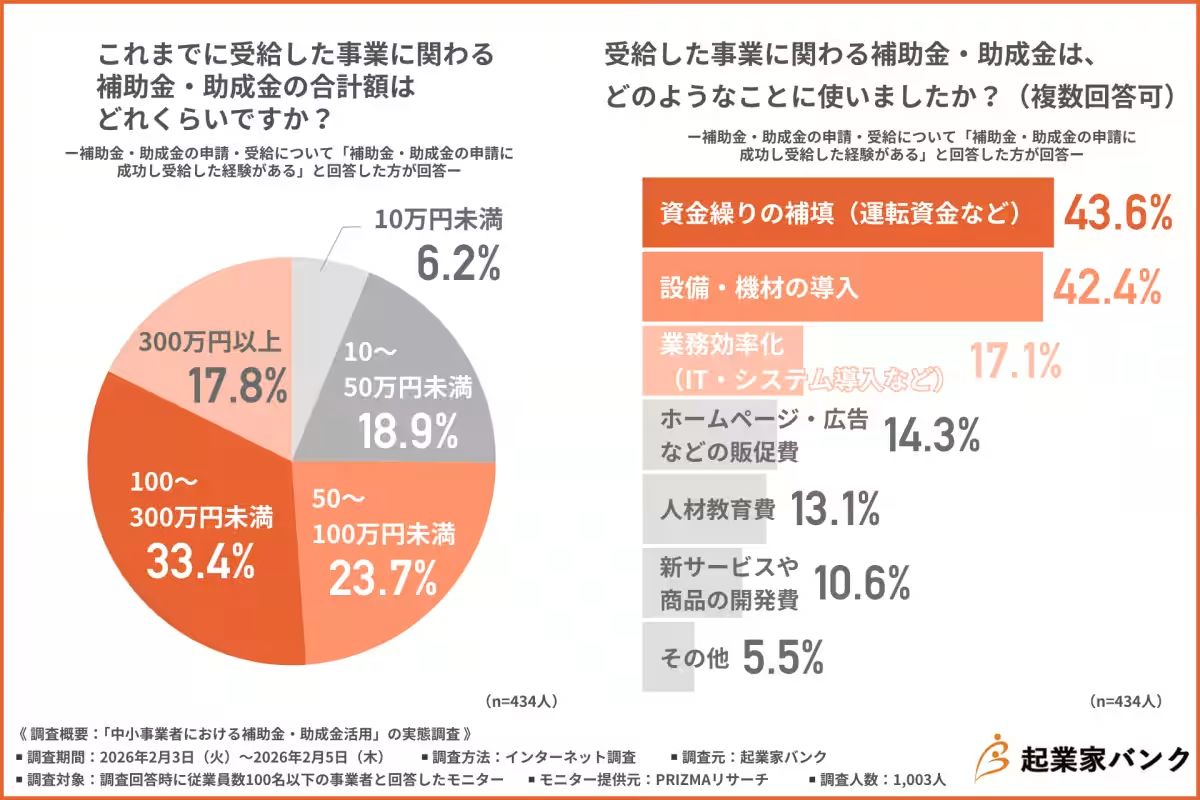
Analyzing the distribution of grant amounts received, results showed that about 80% of the respondents received less than 3 million JPY, indicating startups typically engage with small-scale grants for specific needs rather than relying on large influxes of funding regularly. The primary use for these grants involved bolstering working capital, investing in new equipment, and improving operational efficiency through technological advancements.
Challenges in Accessing Grants
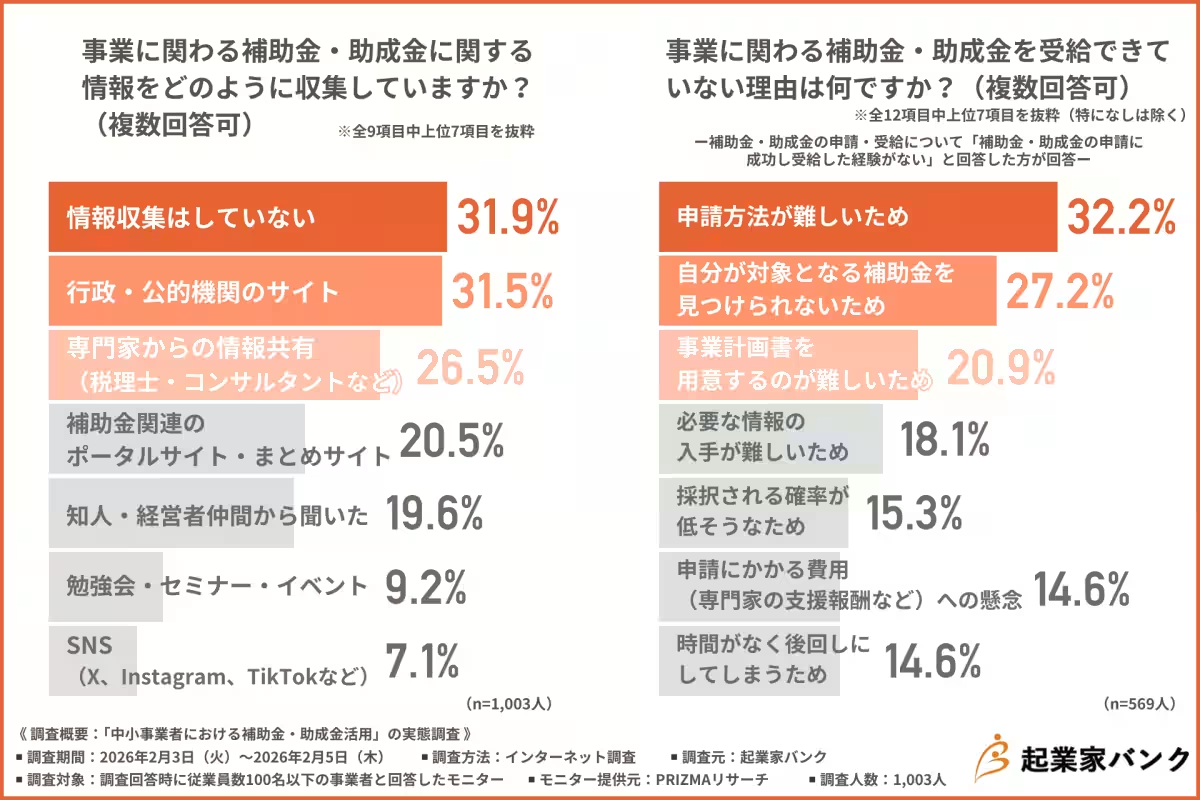
The survey also examined how entrepreneurs gather information about available grants and subsidies. Notably, around 31.9% of respondents admitted they do not actively seek out grant opportunities. The most common sources of information for those who do included government and public agency websites (31.5%) and updates from professionals, such as tax accountants or consultants (26.5%). This suggests a significant gap in proactive information-seeking behavior among a notable fraction of small businesses.
For entrepreneurs who have not accessed grants, primary barriers identified include the perceived complexity of the application process (32.2%) and an inability to identify relevant grants to their specific business needs (27.2%). This indicates a clear need for support in demystifying grant processes and providing guidance on qualifications.
Importance of Professional Support
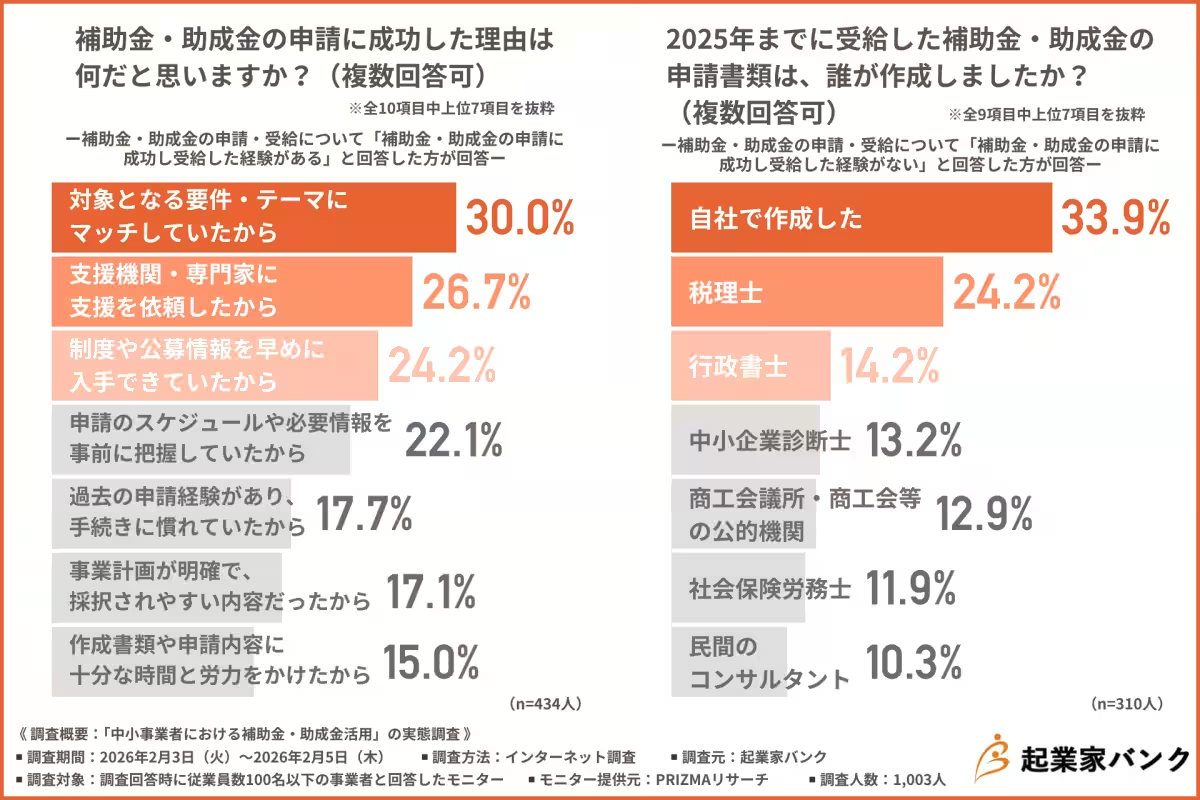
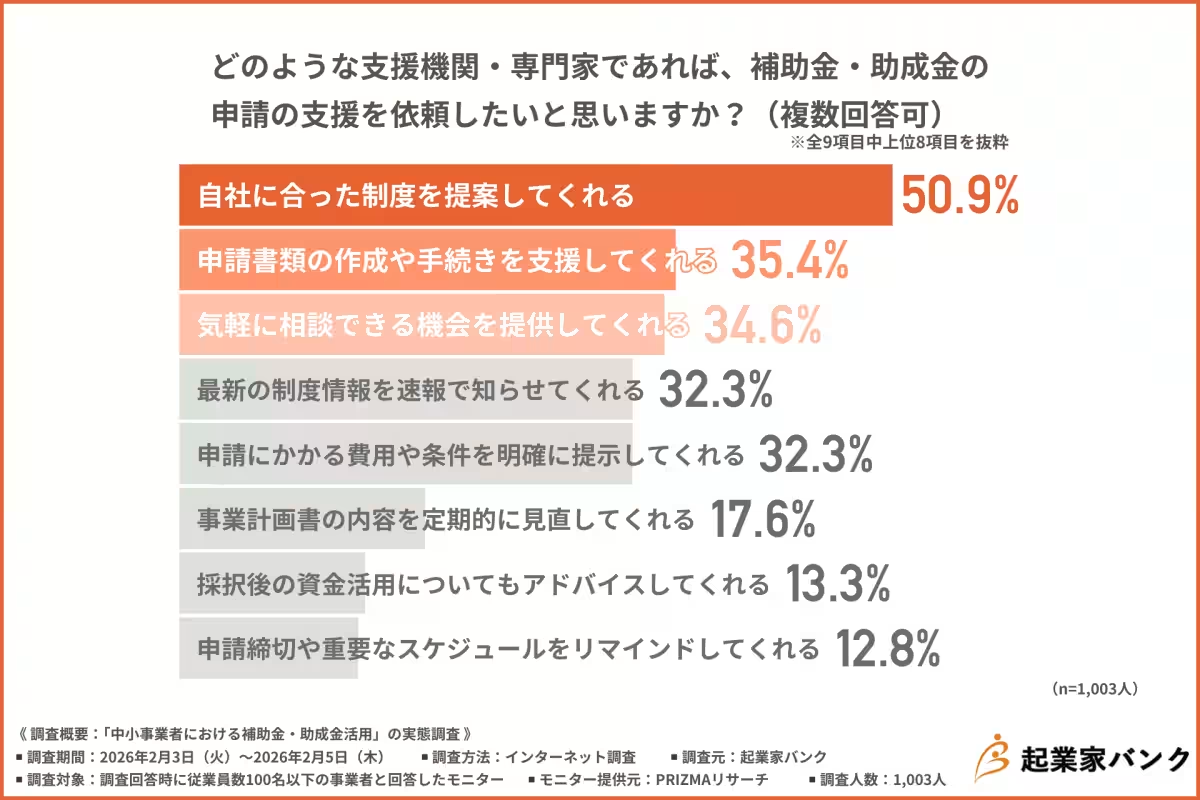
Interestingly, respondents who achieved successful applications often attributed their success to meeting the criteria of grant programs (30.0%), alongside leveraging assistance from professional agencies (26.7%). This speaks volumes about the need for thorough preparation and understanding of the application landscape.
Additionally, the anticipated legal changes posited for 2026 indicate the necessity for startups to reevaluate their grant application strategies. The new regulations assert that only administrative scriveners can prepare these documents, prompting new considerations for how businesses approach their grant applications.
In conclusion, the recent survey sheds light on the operational landscape around grants and subsidies for startups. While these funding mechanisms present invaluable support for business ventures, complexity remains a significant hurdle for many. Therefore, ensuring access to credible, tailored advice and resources will be paramount as businesses navigate upcoming changes and strive for sustainable growth amid evolving financial landscapes. As the Entrepreneur Bank works toward bridging the information gap in the grant application process, they stand committed to empowering entrepreneurs with the necessary tools and knowledge to prosper.


Topics General Business)
【About Using Articles】
You can freely use the title and article content by linking to the page where the article is posted.
※ Images cannot be used.
【About Links】
Links are free to use.