



Exploring the Resurgence of Heisei Retro Culture Among Young Japanese Women
The Heisei Retro Phenomenon: A Cultural Resurgence
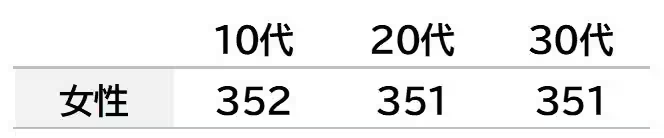
A recent study conducted by Japan Information Co., Ltd., a leading marketing research firm based in Tokyo, unveils an intriguing trend among Japanese women aged 13 to 39. The survey, titled 'Understanding the Cultural Awareness of Heisei Retro - How Nostalgia and Emotions Create Strong Engagement,' was carried out between March 18 and March 23, 2026.
Key Findings from the Survey
High Recognition and Engagement
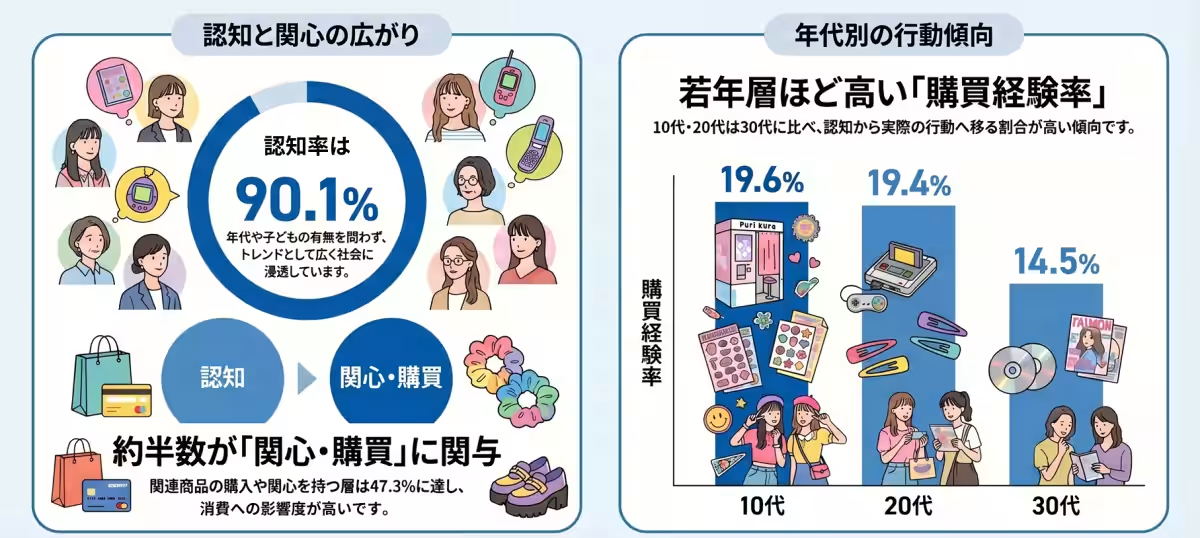
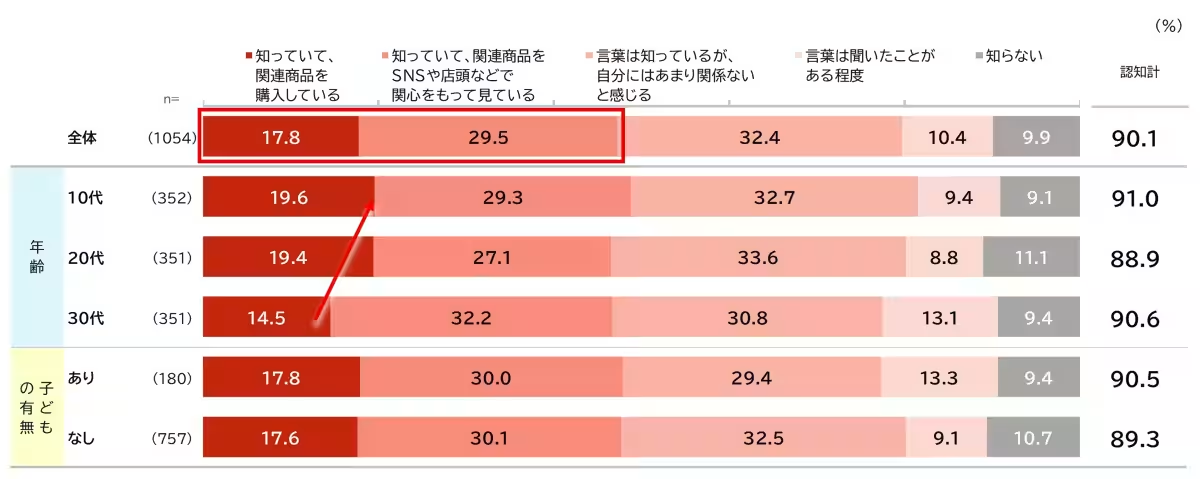
Approximately 90.1% of participants are familiar with Heisei Retro, illustrating its widespread appeal across different age groups and demographics, including parents and non-parents. Notably, 47.3% of respondents express an interest in purchasing or have bought related products. The purchase rates reveal an interesting pattern: while 19.6% of teenagers and 19.4% of those in their twenties have purchased Heisei Retro items, only 14.5% of respondents in their thirties have done the same, indicating that younger generations are more inclined to engage in this cultural trend.
Enjoyment through Collection and Experience
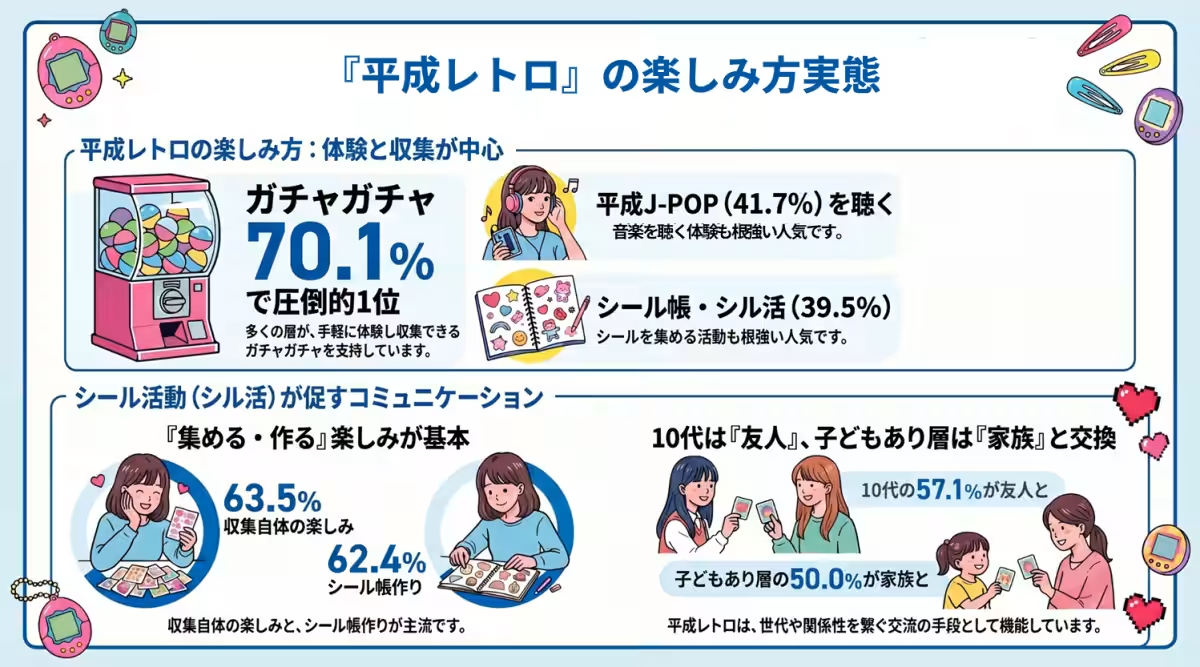
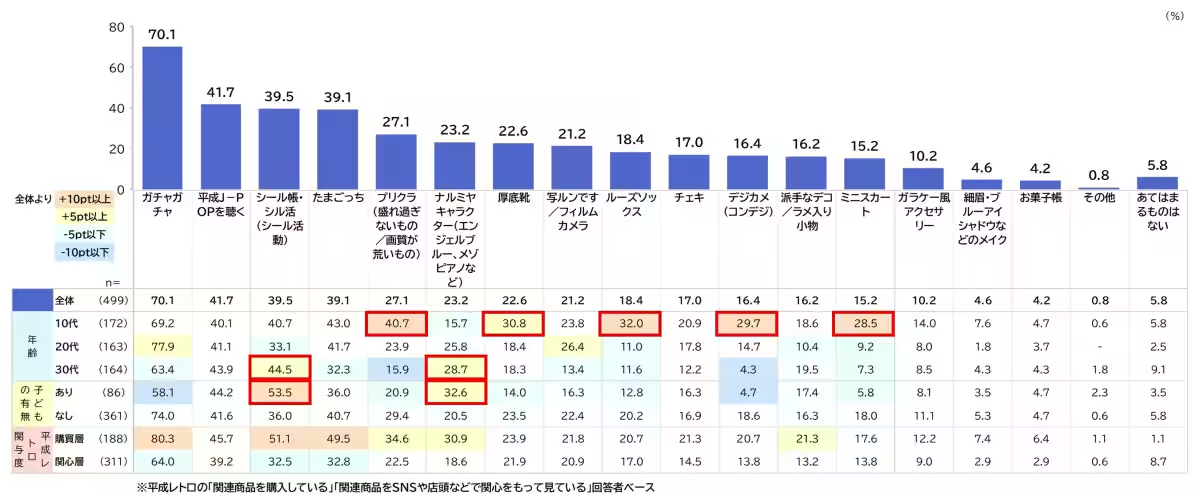
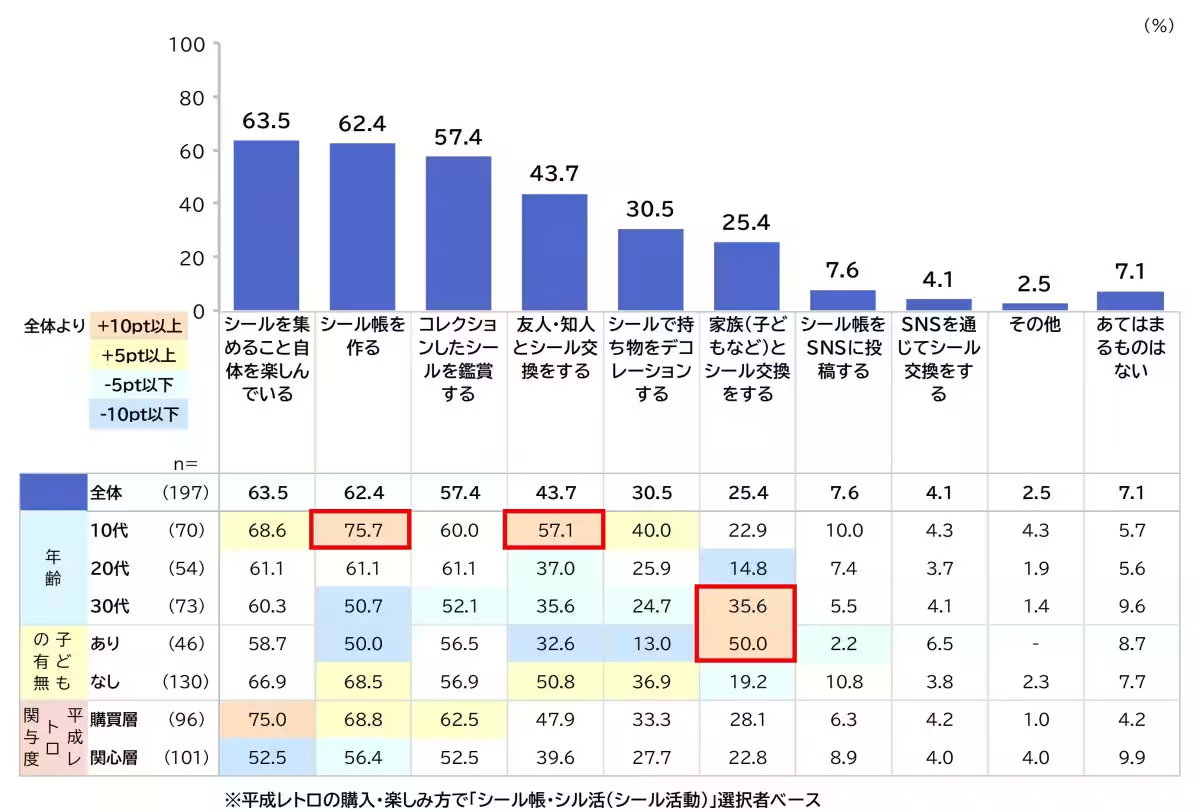
The survey highlights that the primary ways of enjoying Heisei Retro involve activities such as collecting and sharing. Notably, 70.1% of respondents enjoy activities related to Gachapon (capsule toys). Other popular activities include listening to Heisei J-Pop (41.7%) and engaging in sticker collecting and exchanges (39.5%). Among teenagers, sticker swapping is especially popular, both among peers (57.1%) and with family (50.0%). This shows that Heisei Retro serves not only as a personal consumption trend but also fosters communication and socializing among users.
Between Nostalgia and Emotion
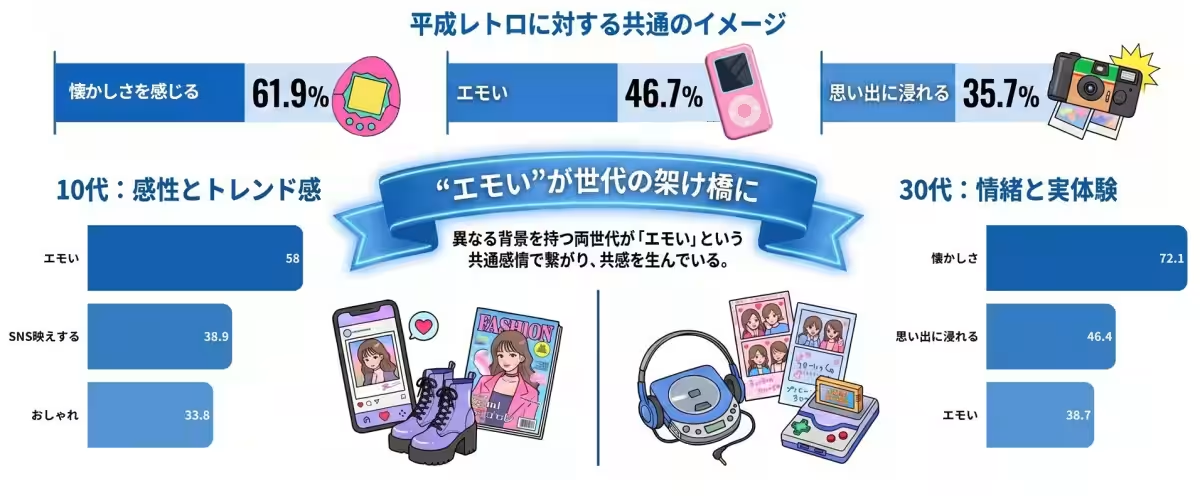
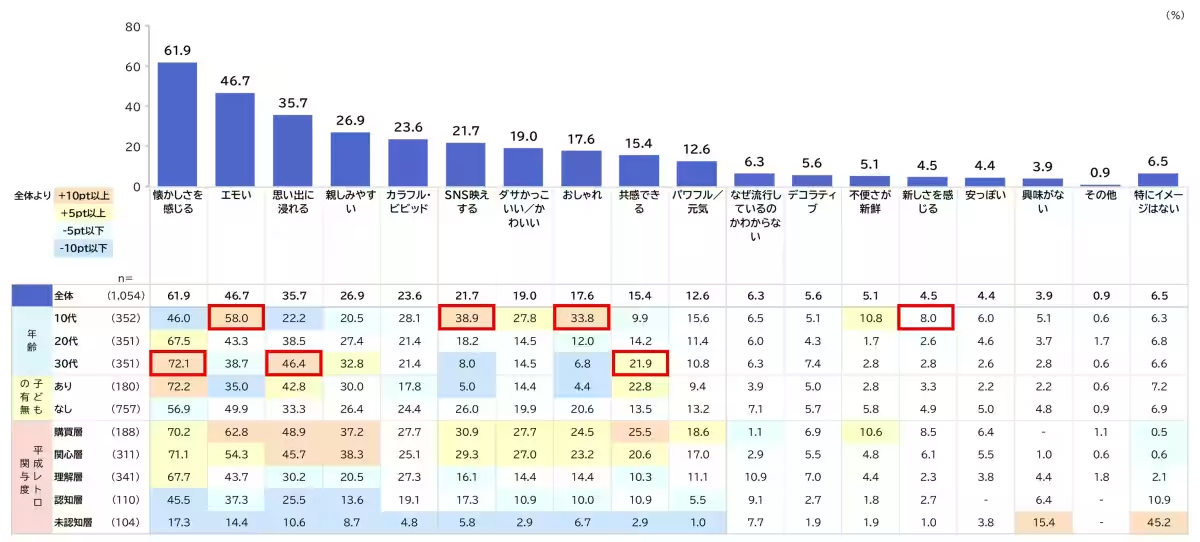
Respondents have identified Heisei Retro strongly with the feelings of nostalgia (61.9%) and emotion (46.7%). Teenagers attribute labels such as 'cool for social media' (38.9%) and 'stylish' (33.8%) to Heisei Retro, while those in their thirties link it closely with their personal memories (72.1%). The intertwining of these emotional values across generations demonstrates how the trend resonates widely, fostering a unique connection rooted in shared experiences.
Marketing Implications
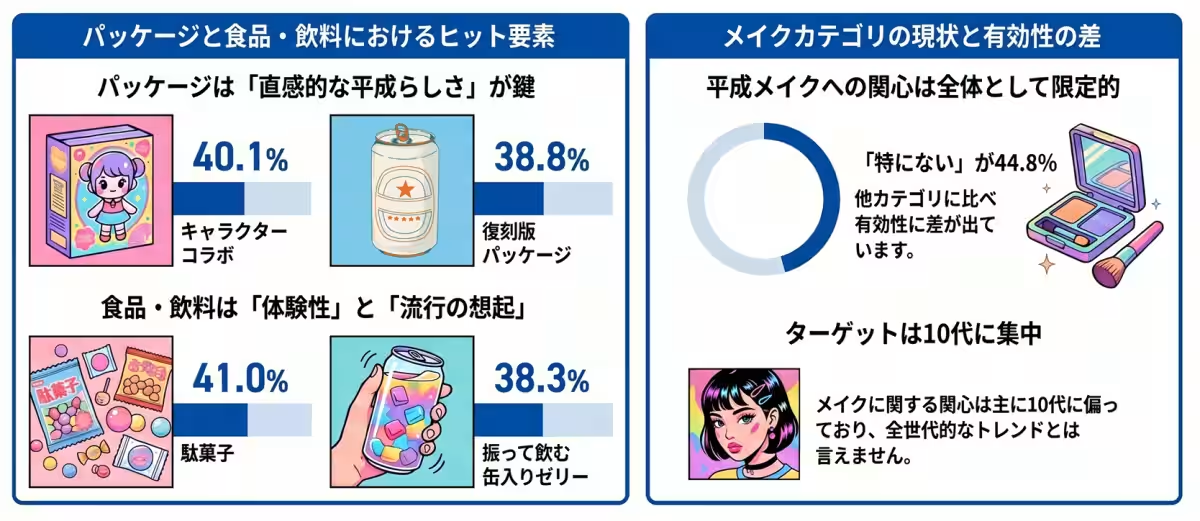
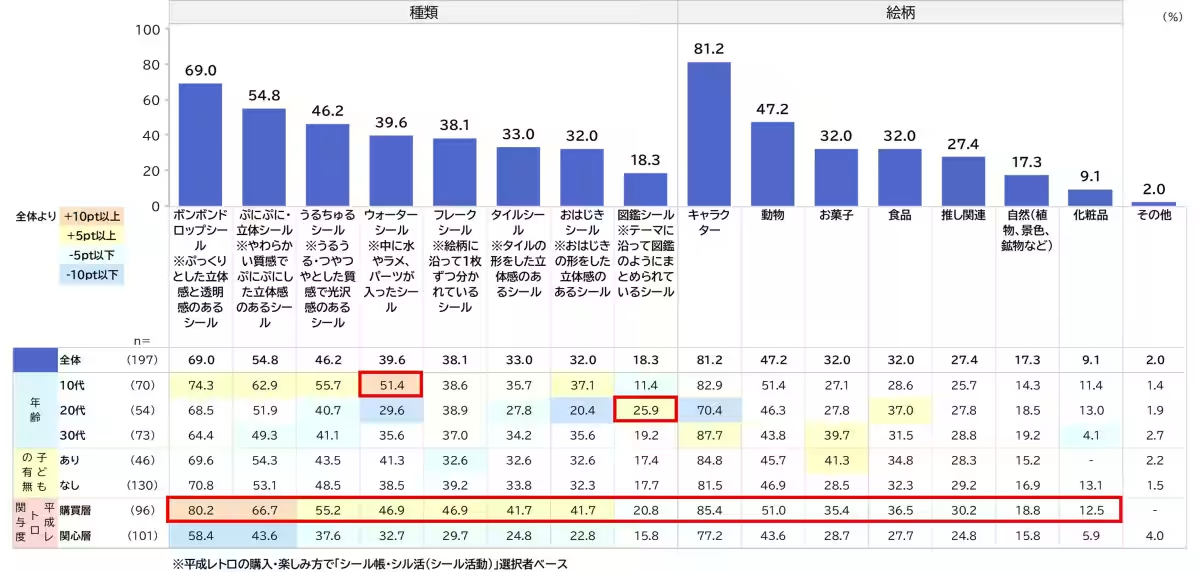
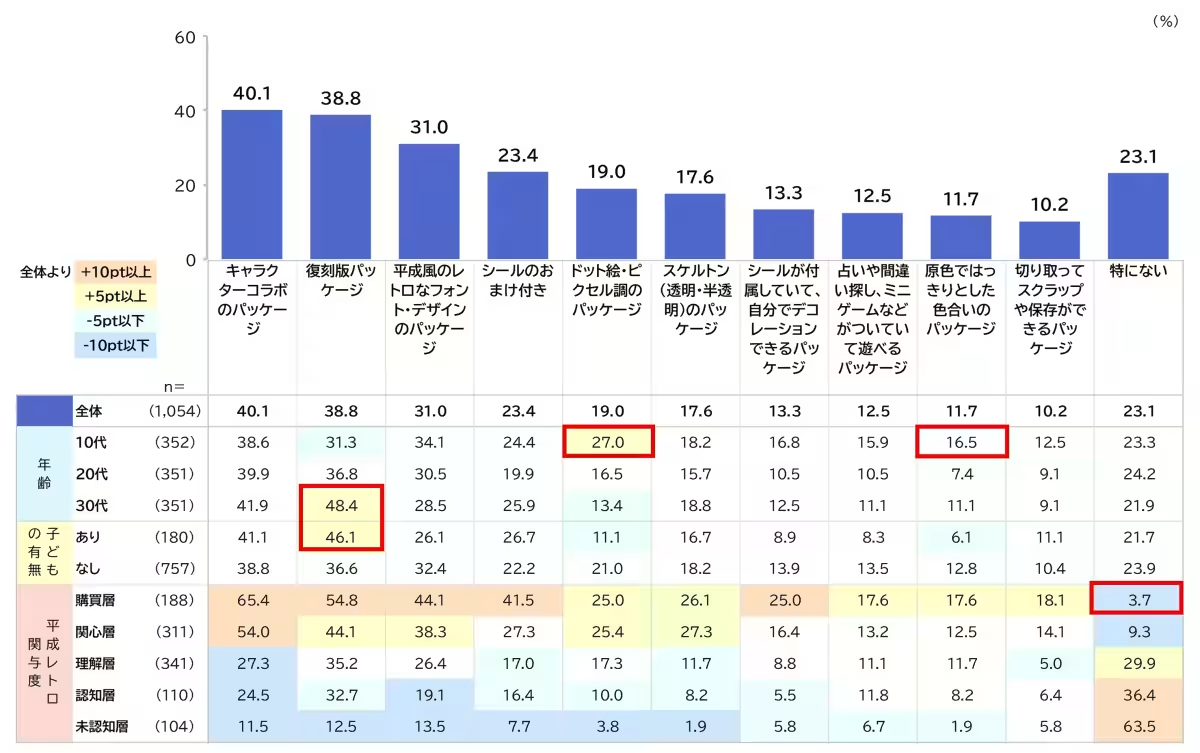
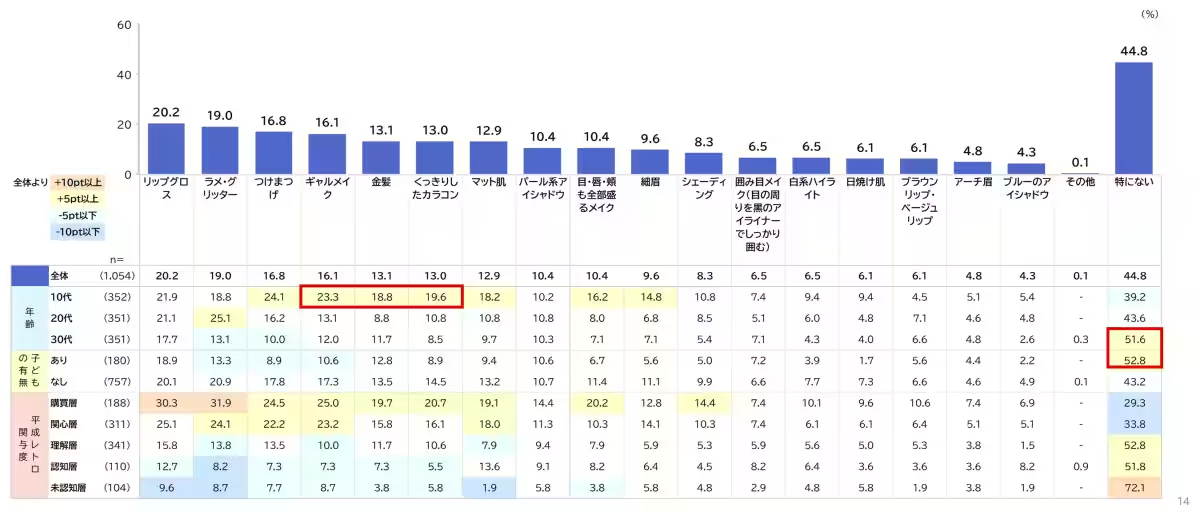
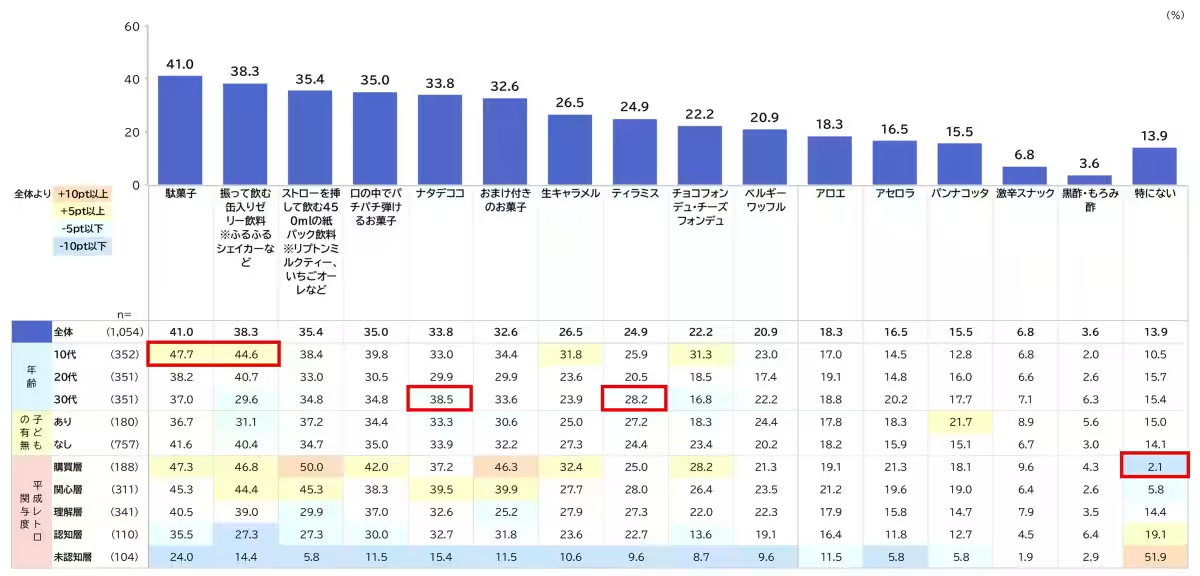
The study reveals that incorporating Heisei elements into everyday consumer goods—such as character collaborations (40.1%) and retro-style packaging (38.8%)—significantly enhances purchasing inclination. In the food and beverage sector, nostalgic items like traditional candies and innovative jellies appeal strongly to consumers. However, interest in areas like Heisei-inspired makeup remains relatively low, particularly among older respondents.
Conclusion
This exploration into the Heisei Retro trend uncovers a key insight: it is not merely a nostalgic fad; rather, it represents an evolving appreciation of a past cultural moment associated with emotional resonance and social interaction. With nearly half of the surveyed demographic showing interest in related products, it is clear that Heisei Retro is more than memory; it's a vibrant part of contemporary culture bridging generations. As marketers and businesses reassess their approaches, understanding this trend becomes essential for reaching young consumers effectively.
This article also aims to provide insights for those keen on delving deeper into the details of the study. For a comprehensive report including additional findings and analyses, please follow the link provided below.
Download the full report here
Topics Consumer Products & Retail)


【About Using Articles】
You can freely use the title and article content by linking to the page where the article is posted.
※ Images cannot be used.
【About Links】
Links are free to use.