



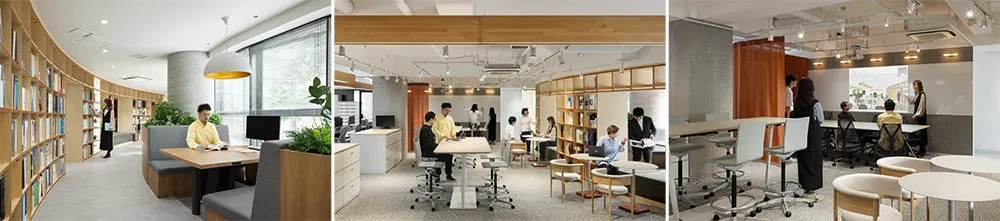
Revamping Office Spaces to Enhance Natural Conversation and Employee Satisfaction
Enhancing Employee Satisfaction Through Office Design
In an age where the design of office spaces is increasingly pivotal to employee satisfaction, a recent study conducted by GOOD PLACE, a Tokyo-based architecture firm, sheds light on the intricate relationship between communication and workplace contentment. The firm aimed to create better environments through building renovations, office configurations, and back-office outsourcing, and managed to survey 884 employees in the Tokyo metropolitan area.
The Shift Toward Office Attendance
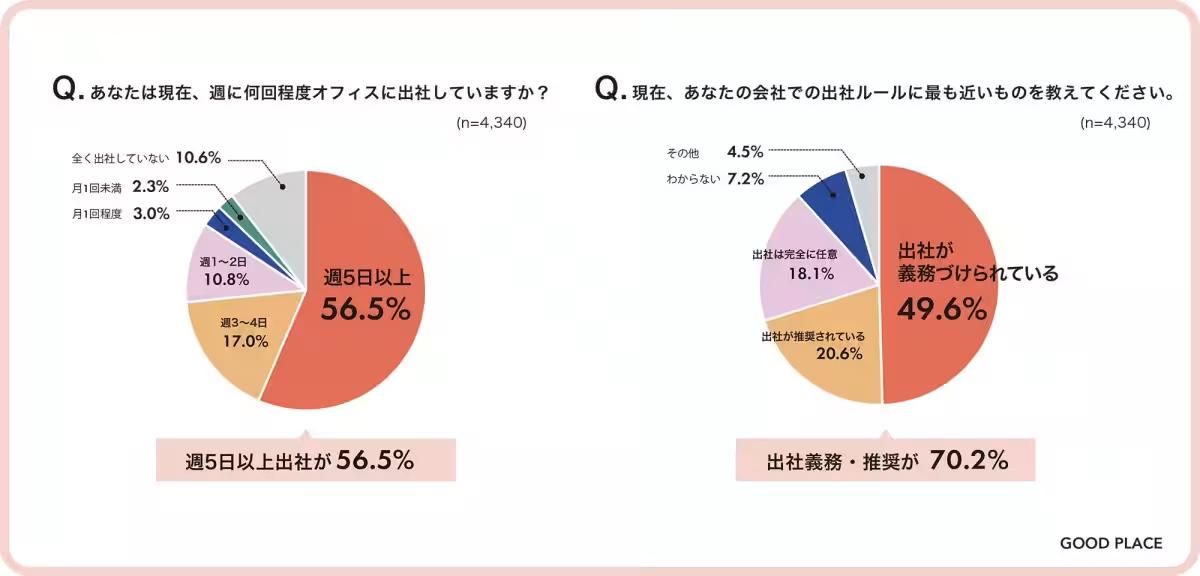
Initial findings from a survey of 4,340 workers indicated that over 70% were either required or encouraged to return to the office. This trend underscored a shift back to a more traditional work environment despite a rising trend toward remote work. In today's workplaces, the design prioritizing interpersonal relationships—termed Relationship-Based Working (RBW)—has come to the forefront as crucial to fostering better connections among employees.
The Role of Communication
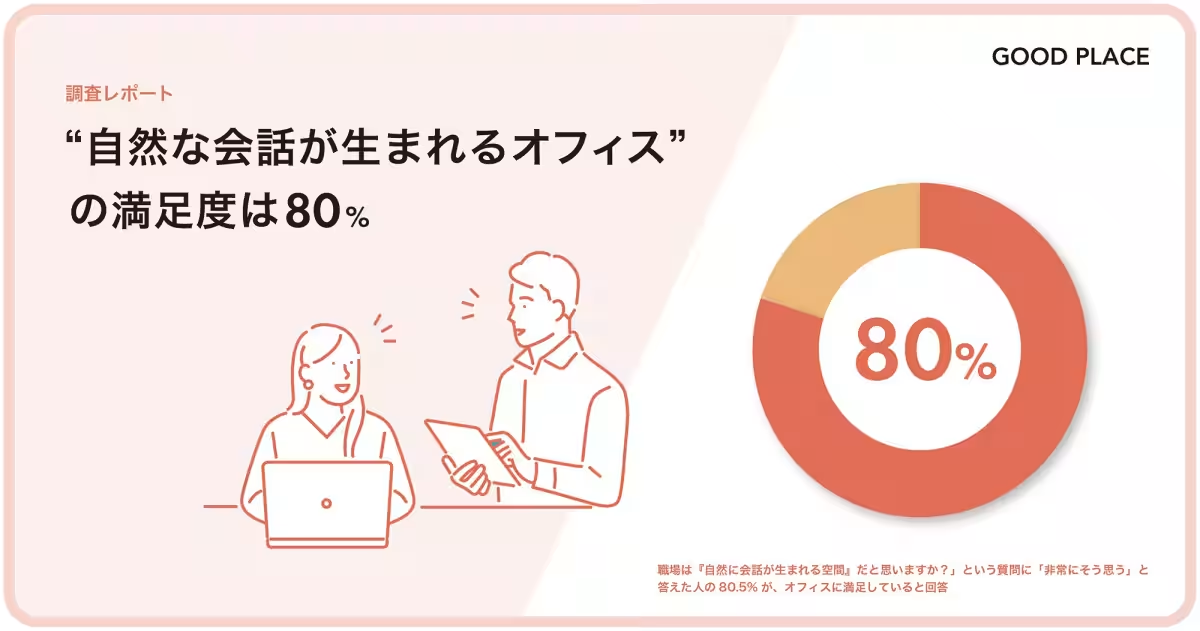
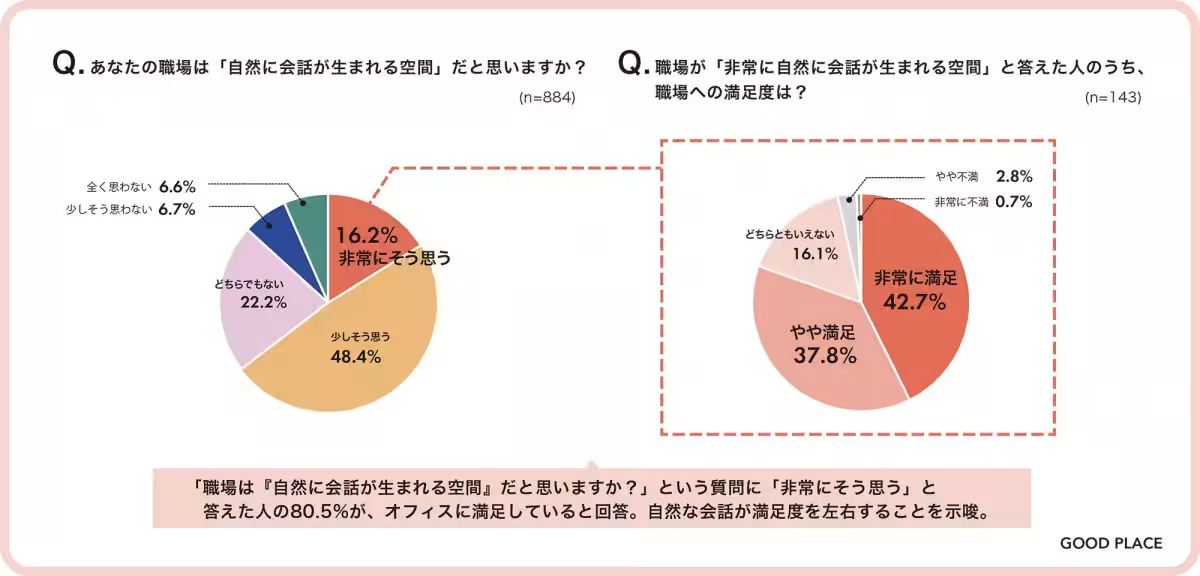
In the more focused survey of the 884 subjects, it was revealed that a remarkable 80% of respondents who felt that their office naturally facilitated conversations expressed satisfaction with their workplace. Conversely, those who felt their spaces were void of such interactions reported significantly lower satisfaction levels. This stark contrast emphasizes that environments promoting natural dialogue are instrumental in cultivating overall office satisfaction.
Extensive Benefits of Casual Conversations
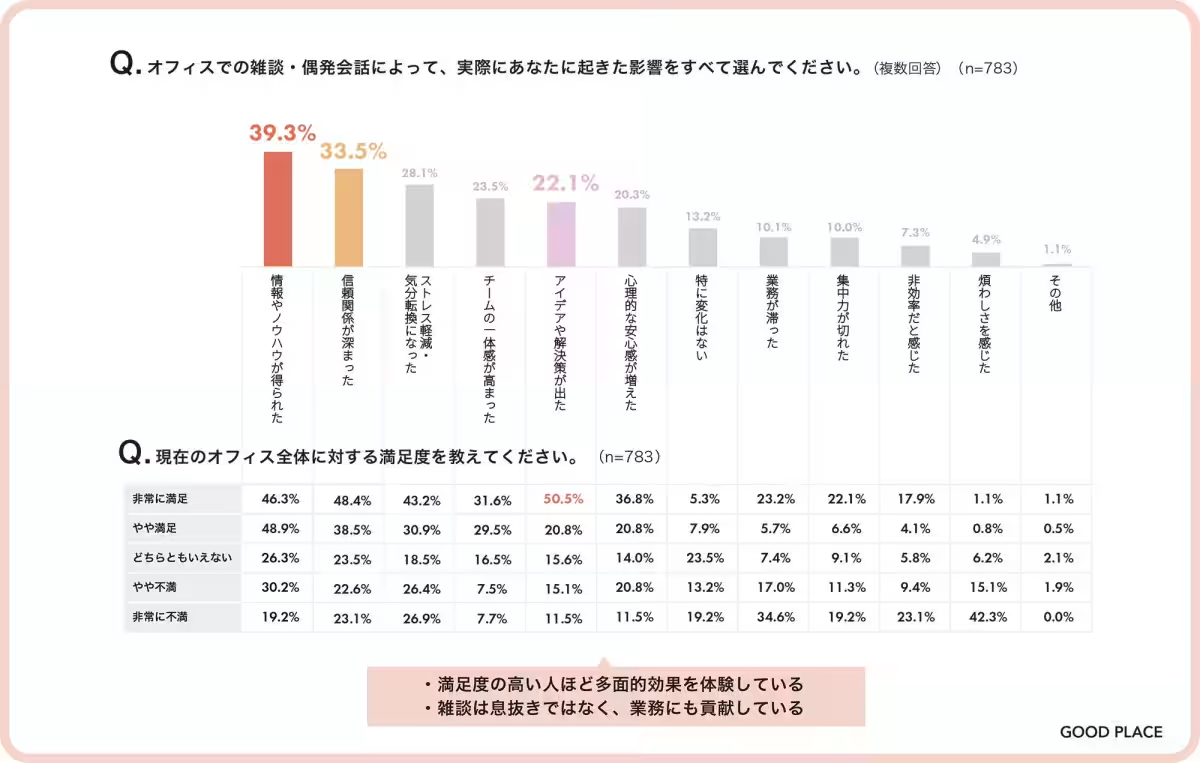
An intriguing aspect highlighted by the study is the dual impact of casual conversations in the workplace. Many employees (39.3%) reported gaining valuable information and knowledge through spontaneous discussions, while others acknowledged the strengthening of trust (33.5%) and stress alleviation (28.1%). The respondents also noted enhanced teamwork (23.5%). The data illustrates that informal conversations provide both functional and psychological benefits, contributing to a more engaging work atmosphere. Notably, employees expressing high satisfaction were over twice as likely to report that discussions led to new ideas or solutions—showcasing casual interactions as a significant driver of productivity.
The Free Address Dilemma
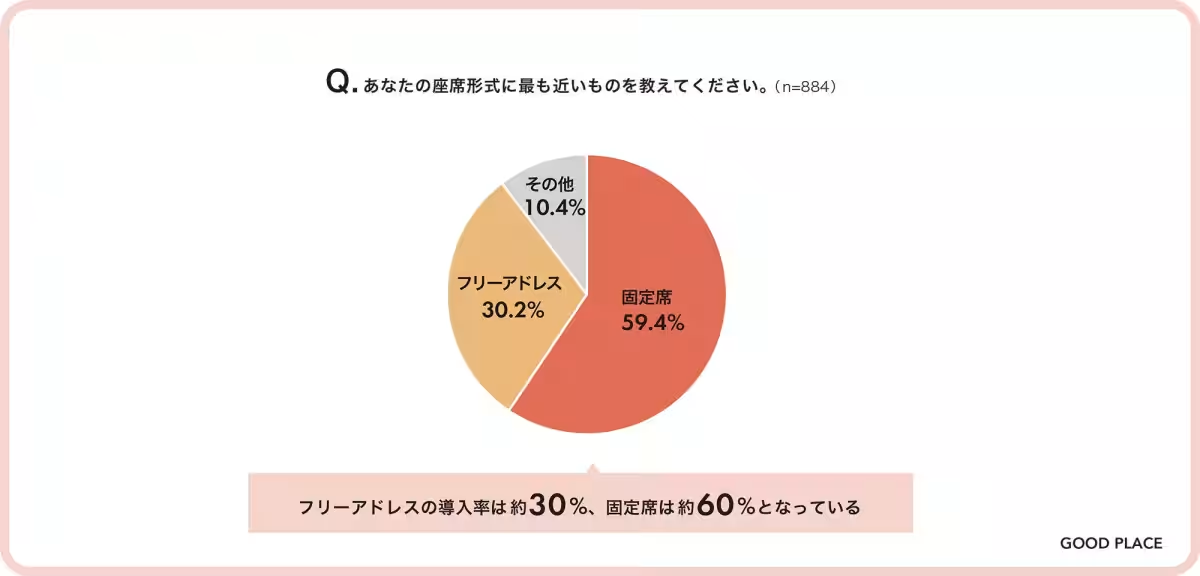
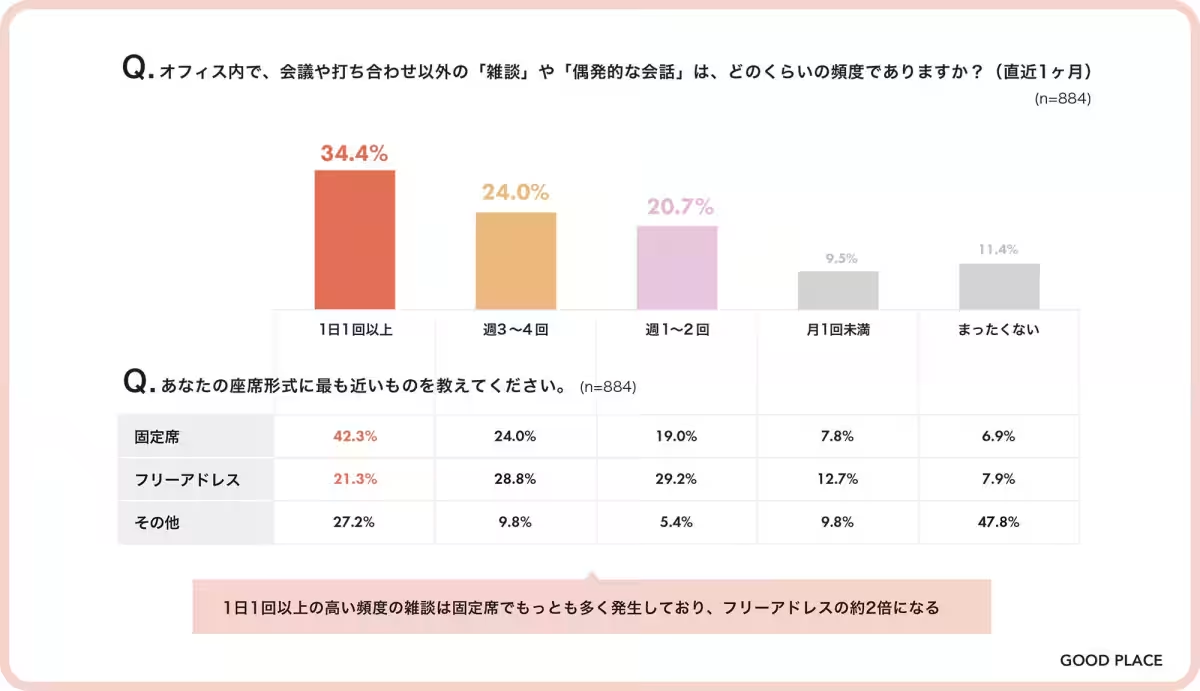
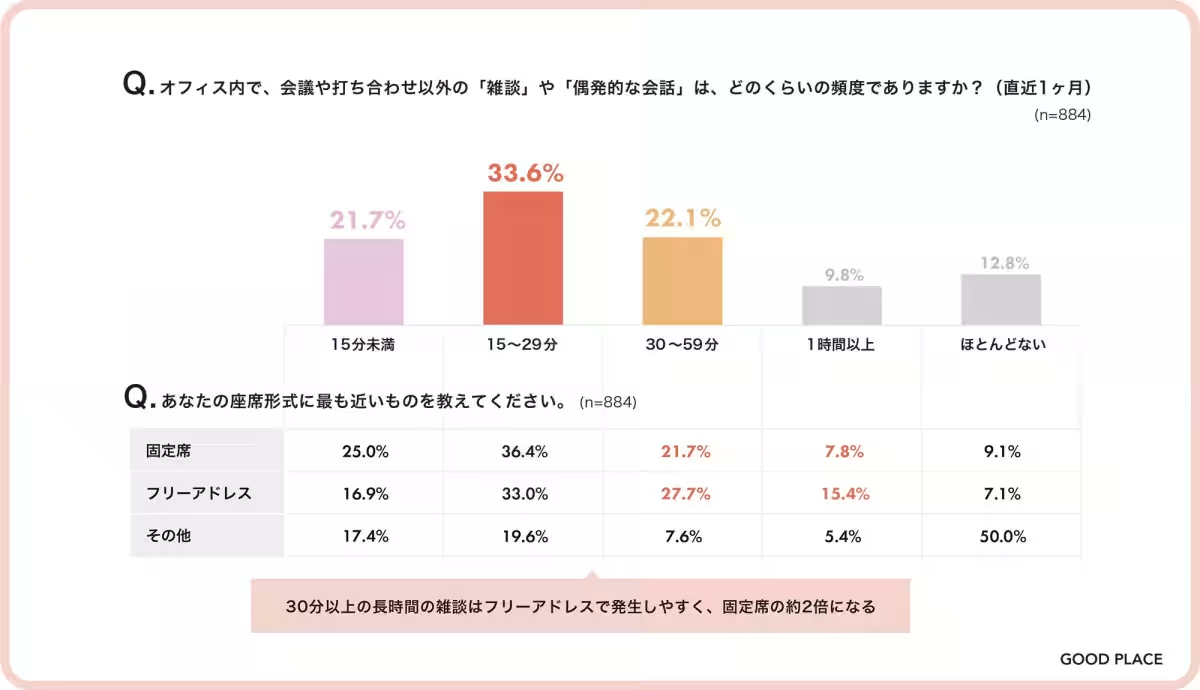
The office layout also emerged as a vital factor. The study found that 59.4% of employees were assigned fixed desks, with only 30.2% utilizing free-address systems. Yet, despite free desks enabling greater flexibility, employees in fixed seating engaged more frequently in casual dialogue, revealing a paradox where the frequency of informal interactions is higher in traditional seating arrangements compared to free-address environments, which, while offering longer conversation durations, produced less frequent interactions.
Overcoming Burnout from Casual Talk
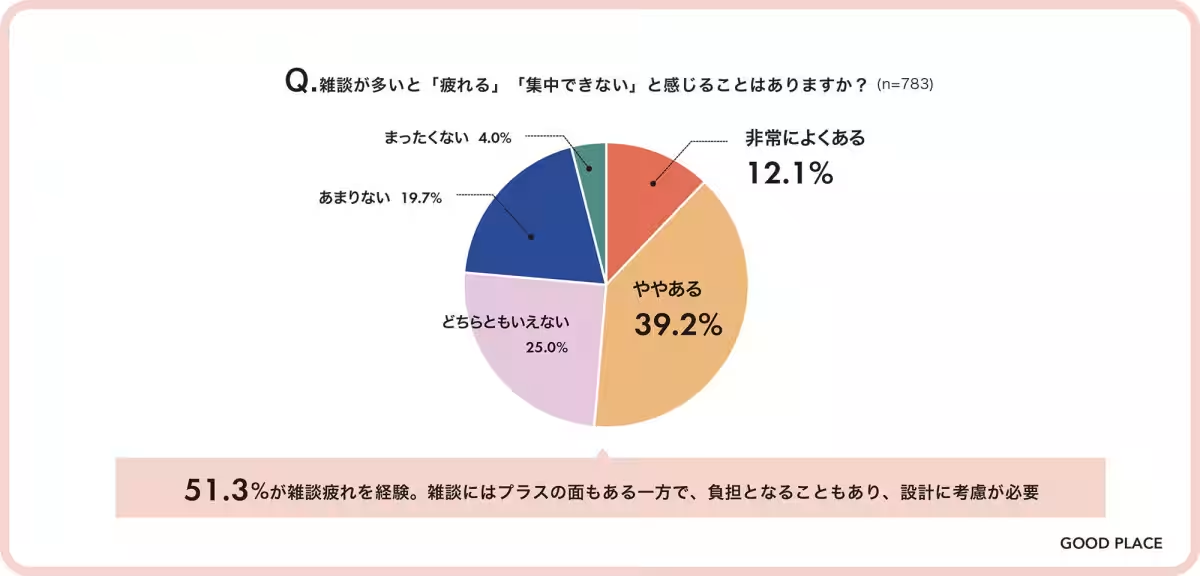
However, a notable concern arose from the study, as over half of the respondents reported experiencing fatigue from excessive chatter, indicating a delicate balance must be struck between maintaining communication and ensuring a conducive environment for concentration. This finding presents a challenge for companies aiming to enhance workplace satisfaction while managing a productive atmosphere.
Looking Ahead: Crafting the Future of Office Design
In reflection, the survey's findings underscore a significant evolution in the role of office environments. The focus has shifted from merely executing tasks to fostering relationships. Organizations are now facing the challenge of harmonizing open communication with the necessity for focused work. GOOD PLACE emphasizes that the essence of successful layout design relies on aligning spatial decisions with a company's culture and organizational objectives.
For instance, organizations heavily reliant on concentrated work might benefit more from dedicated quiet zones or fixed seating arrangements, while those looking to boost creative dialogue might consider more open configurations that foster unexpected interactions.
The concept of RBW, promoted by global furniture manufacturer MillerKnoll, resonates deeply with this approach, helping companies realize that thoughtful, engaged office design can significantly impact employee well-being.
As GOOD PLACE continues to evolve its design mission, it remains dedicated to not just creating spaces but building environments that reflect the unique essence of each company, ensuring that they foster connection and enhance productivity in tandem. Through tailored project teamwork that combines strategic design, construction, and client collaboration, GOOD PLACE aims to redefine workspaces for the future.
Conclusion
In conclusion, with an impressive 80% satisfaction level tied to spaces encouraging natural conversations, it's clear that the design of office environments plays a critical role in employee engagement. As workplaces adapt to the changing demands of modern work life, understanding the integral role of communication in achieving job satisfaction will be essential.
For more on the complete findings and insights, check GOOD PLACE's official site here.

Topics Business Technology)

【About Using Articles】
You can freely use the title and article content by linking to the page where the article is posted.
※ Images cannot be used.
【About Links】
Links are free to use.