



Comparative Investigation on Mole Removal Methods: Laser vs Excision Revealed Satisfaction Rates
A Detailed Look into Mole Removal Methods
In recent years, the rising demand for aesthetic procedures, particularly mole removal, has prompted increased interest among patients. A recent study, conducted by the I.C. Clinic, assessed the satisfaction rates of 300 patients regarding two primary mole removal techniques: CO2 laser treatment and surgical excision.
Key Findings of the Study
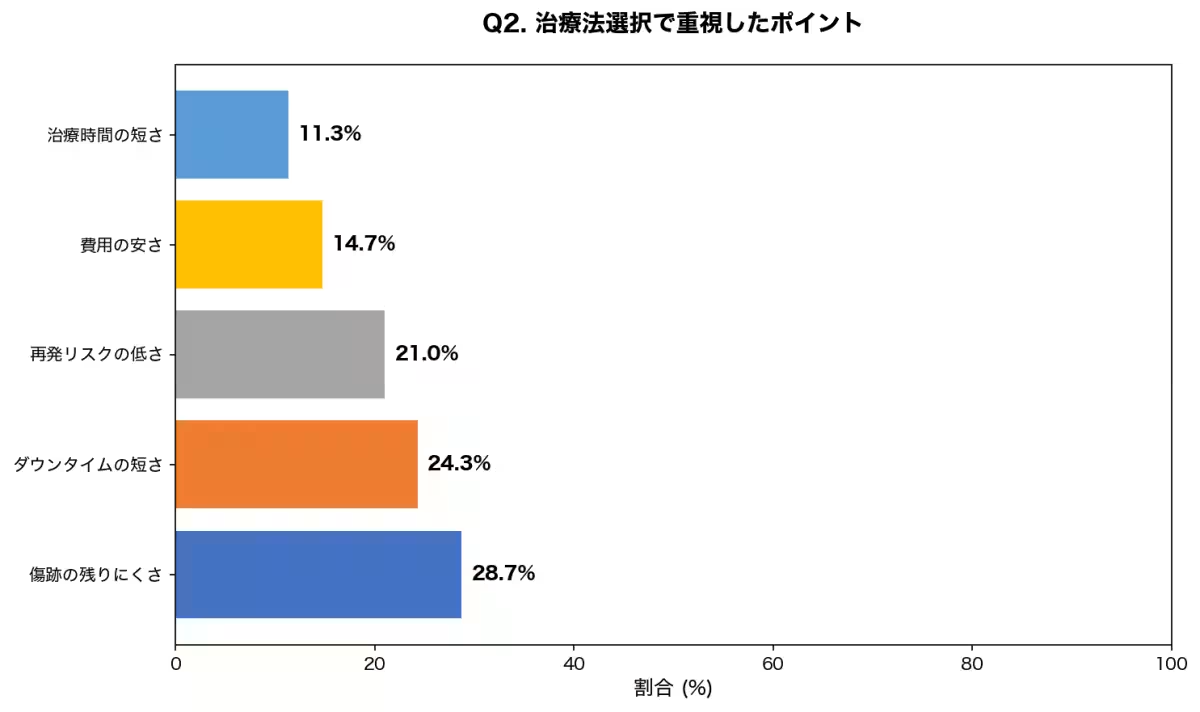
The primary outcomes of the study indicate distinct preferences among patients based on the characteristics of their moles. The conclusion drawn suggests that for flat moles measuring 5mm or less, CO2 laser treatment is the preferred method, while excision is recommended for larger or raised moles. Specifically, patients who are concerned with scarring tend to opt for laser, whereas those worried about recurrence often lean towards surgical options.
Satisfaction and Recurrence Rates
The study revealed that:
- - Satisfaction rates for those who underwent laser treatments stand at 78.4%, compared to 85.2% for those who opted for surgical excision.
- - In terms of mole size, patients whose moles are less than 5mm report a satisfaction rate of 83.6% for laser treatment; this rate drops significantly for larger moles, where excision garners an impressive 89.1% satisfaction rate.
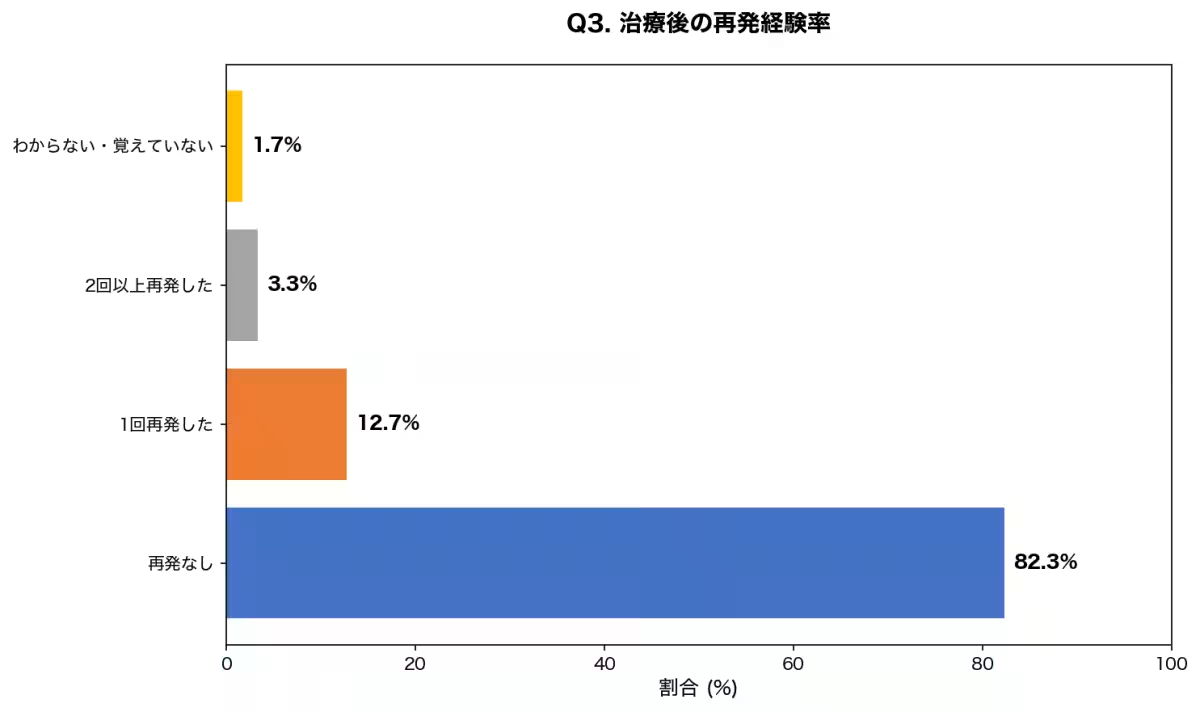
- - Notably, recurrence rates show significant disparity: 23.7% of patients experienced recurrence post-laser treatment, compared to just 4.2% following excision, marking a stark contrast.
Understanding the Methods
CO2 Laser Treatment
This technique utilizes a carbon dioxide laser with a wavelength of 10,600nm, which is notably effective at vaporizing skin tissue, thereby minimizing surface damage. The major benefits of CO2 laser treatment include:
- - Short recovery time (1-2 weeks)
- - Minimal scarring potential
- - Non-invasive nature
Surgical Excision
On the other hand, excision involves the surgical removal of the mole along with surrounding healthy skin, followed by stitching. This method is particularly advantageous for:
- - Moles larger than 5mm
- - A lower rate of recurrence (under 5%)
- - Pathological examination capabilities for safety confirmation
Comparative Analysis of Treatment Options
| Criteria | CO2 Laser | Excision |
|---|---|---|
| ---- | ------ | ------- |
| Recommended Size | Up to 5mm | No limit (can handle larger) |
| Downtime | 1-2 weeks | 1-2 weeks (for stitch removal) |
| Recurrence Risk | 10-30% | Less than 5% |
| Scarring | Possible pigmentation/dips | Linear scar |
| Treatment Time | 5-10 minutes | 15-30 minutes |
| Visits Required | 1-2 | 2-3 (with stitch removal) |
| Pathology Exam | Not possible | Possible |
Data collected from over 30,000 surgeries, overseen by skilled medical professionals at the I.C. Clinic, highlights the effectiveness and efficiency of the proposed methods. The average costs range from 5,000 - 15,000 yen for laser treatment (for small moles) and 10,000 - 30,000 yen for excision of larger moles.
Background to the Survey
As awareness grows around cosmetic treatments, more individuals are seeking information on mole removal options. Queries often arise concerning the best treatment—laser or excision—particularly related to concerns over aesthetics, recurrence, and the likelihood of subsequent scarring. To address these questions, the I.C. Clinic reached out to individuals aged 20 to 60 who have had mole removal within the last three years, gathering insights in an effort to inform and support future patients.
Research Framework
- - Participants: 300 individuals across various demographic backgrounds
- - Methodology: Conducted via online surveys, focusing on personal experiences with mole removal treatments.
Results Summary
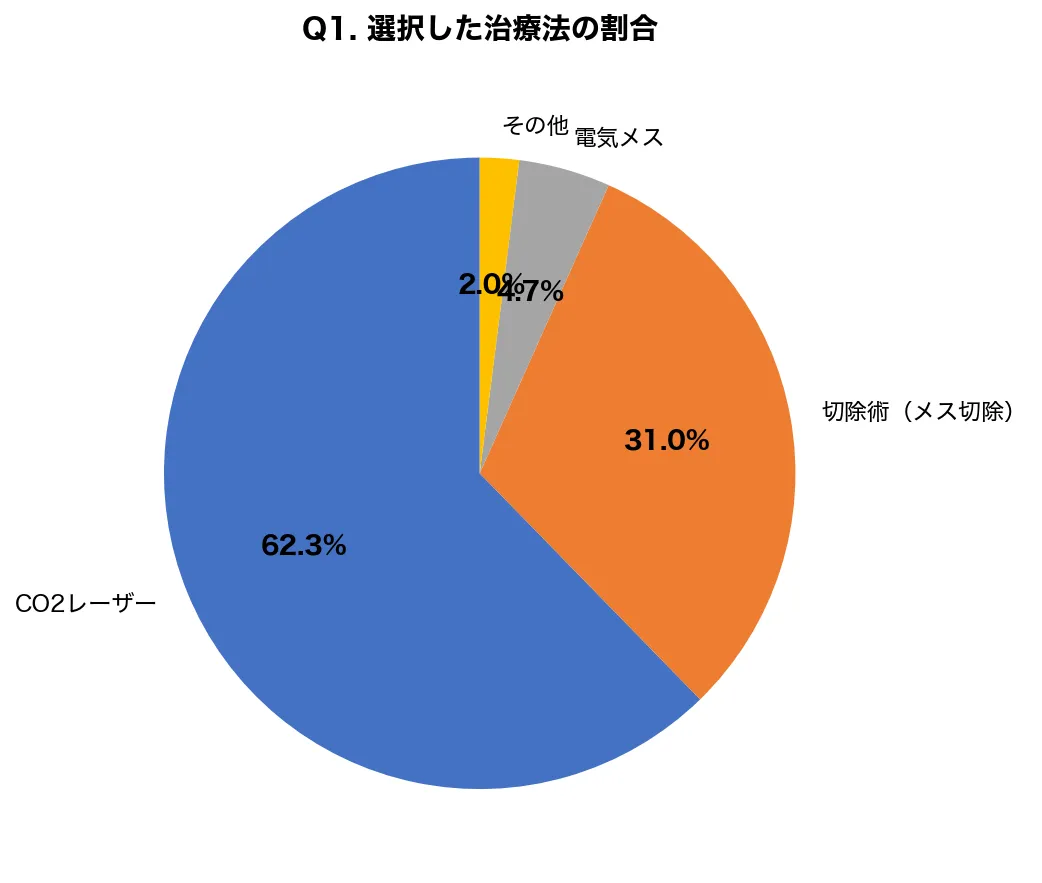
The results notably illustrate that over 60% of surveyed individuals preferred CO2 laser treatments, primarily due to its minimal downtime and reduced scarring. Conversely, those selecting excision often cited the need for complete removal and concerns regarding mole recurrence as their main reasons.
Additionally, it was found that a higher recurrence rate for those treated with laser was alarming, especially among larger moles, where patients reported a significant likelihood of reappearance.
Expert Opinion
Dr. Kota Takakuwa, a highly experienced dermatologist, comments on the findings: “The decision for mole removal should be based on the mole's size, depth, and location. Both methods have their advantages; however, small flat moles are best treated with lasers, while larger or raised moles are generally safer with excision to mitigate recurrence risks.”
Frequently Asked Questions (FAQs)
1. Which method is better for mole removal?
The choice between laser and excision should be guided by the mole’s size and characteristics. Consulting a dermatologist for tailored advice is crucial.
2. What is the typical cost range for mole removal?
Costs usually vary depending on the size and method, with laser treatments averaging 5,000 - 15,000 yen and excision between 10,000 - 30,000 yen.
3. How noticeable will the scars be after treatment?
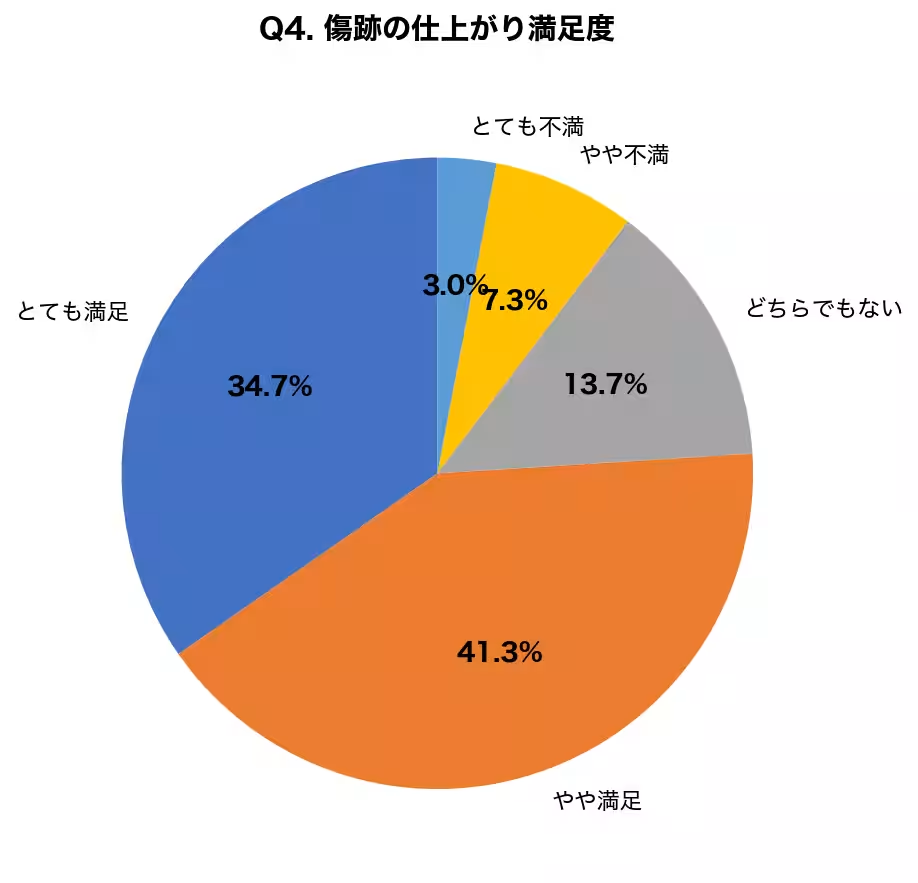
While 76% of patients report satisfaction with their scars, laser treatments may lead to pigmentation, whereas excision may produce more distinct scars based on surgical skill.
4. Does the process usually require multiple visits?
Laser treatment may necessitate repeat sessions, while excision typically completes the process in one session, but a follow-up visit for stitch removal is required.
5. What method is recommended for facial moles?
For delicate facial areas, laser treatments are favored, while larger raised moles may be best treated through excision.
Conclusion
The findings underscore the crucial role that mole size plays in treatment choices, alongside patient preferences regarding aesthetic results and recurrence risks. It emphasizes the importance of professional evaluation to determine the most suitable mole removal method for individual cases, ensuring both safety and efficacy.
Topics Health)
【About Using Articles】
You can freely use the title and article content by linking to the page where the article is posted.
※ Images cannot be used.
【About Links】
Links are free to use.