



International Comparison of Construction Workforce Trends Across 149 Countries
Overview of Global Construction Workforce Trends
A recent analysis conducted by Human Resocia Co., Ltd., a comprehensive staffing service company based in Tokyo, reveals significant insights into the construction workforce trends across 149 countries. Utilizing data from international organizations, including the International Labour Organization (ILO), the study highlights Japan's current position in the global construction sector.
Japan's Workforce Ranking
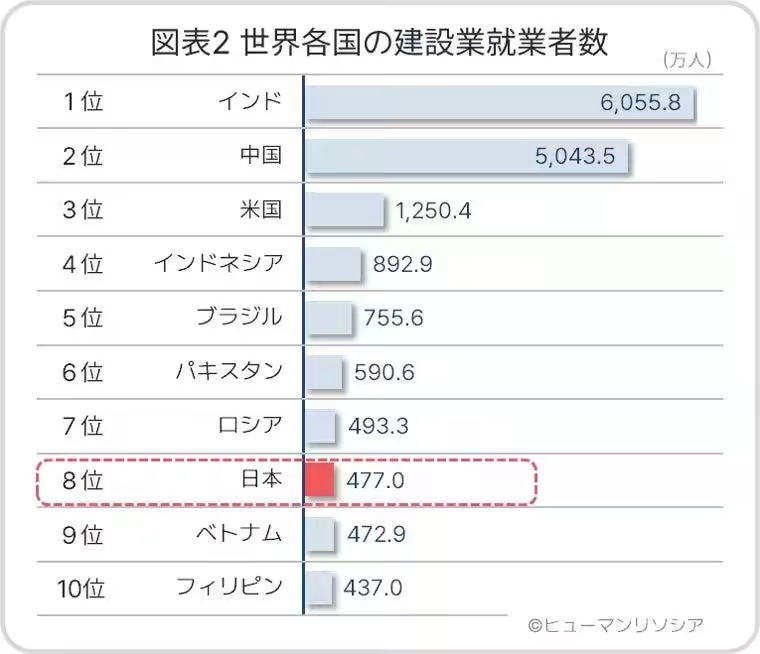
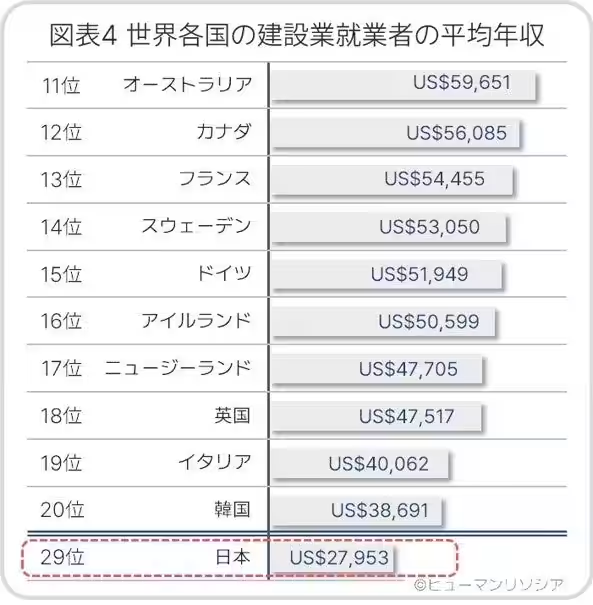
Japan ranks 8th worldwide in terms of the size of its construction workforce, boasting approximately 4.77 million workers. However, this positive ranking comes with a caveat—despite having a large number of employees, the average salary for construction workers in Japan is significantly lower compared to other developed nations, placing Japan at the bottom of the G7 countries. This discrepancy raises important questions about the attractiveness of the construction industry for both domestic and international workers.
Salary Insights
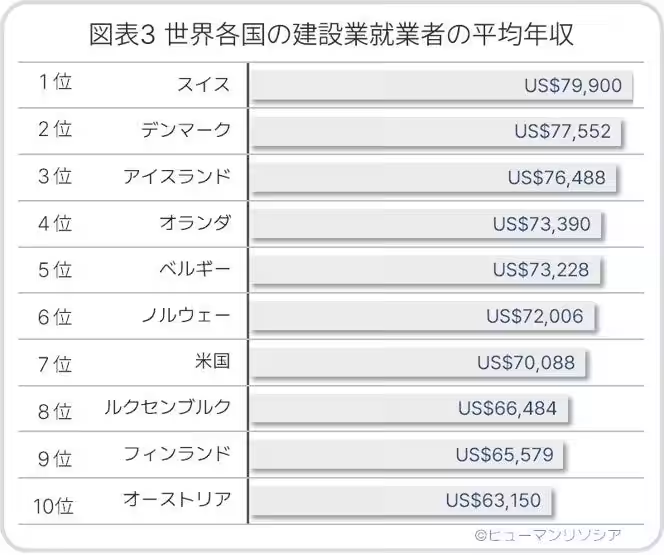
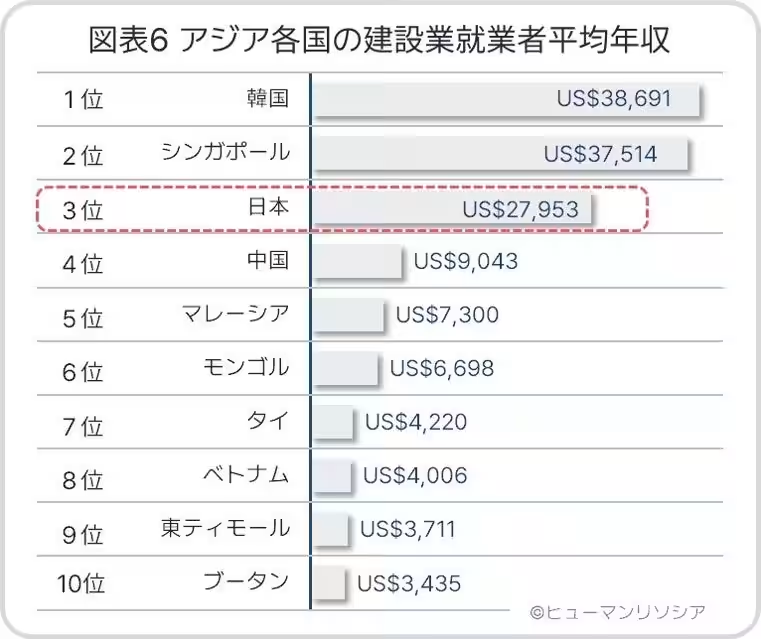
The average annual wage for construction workers in Japan is reported at $27,953 USD, which is notably lower than that of other G7 countries and even trails behind countries in the Asian region such as South Korea and Singapore. This troubling trend suggests that while Japan may have a sufficient number of workers, the relative compensation does not incentivize attracting or retaining talent, especially when juxtaposed with the benefits offered abroad.
Regional Workforce Developments
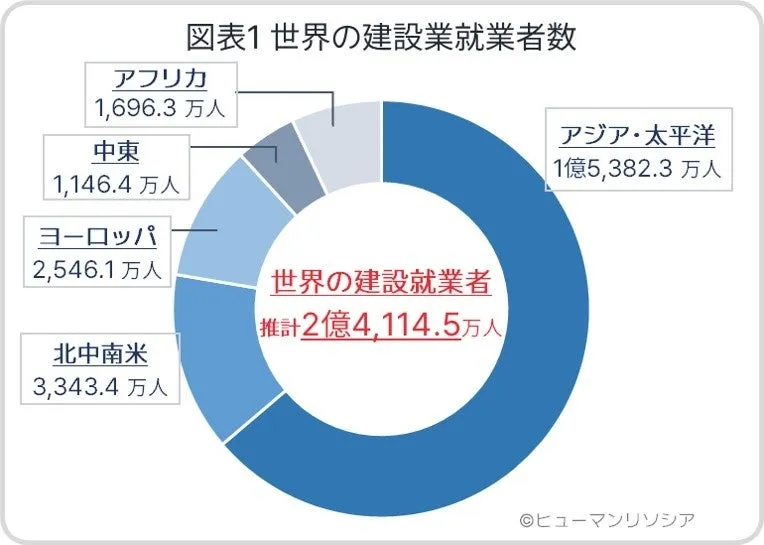
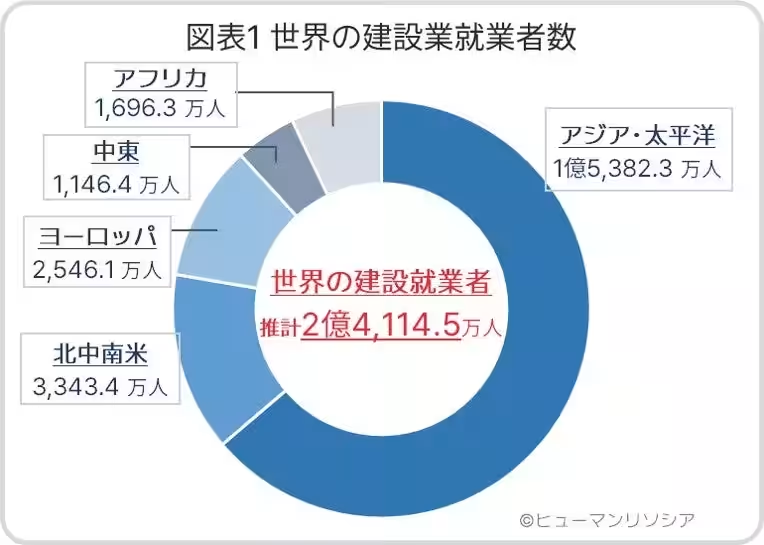
Globally, the total number of construction workers has risen to over 241 million, with a reported increase of 2% compared to the previous year. However, Japan faces a declining trend in its construction workforce, with a projected decrease of around 170,000 workers between 2020 and 2024. This decline heightens concerns regarding future construction demands and the industry's capacity to fulfill workforce needs.
Comparative Analysis of Wages
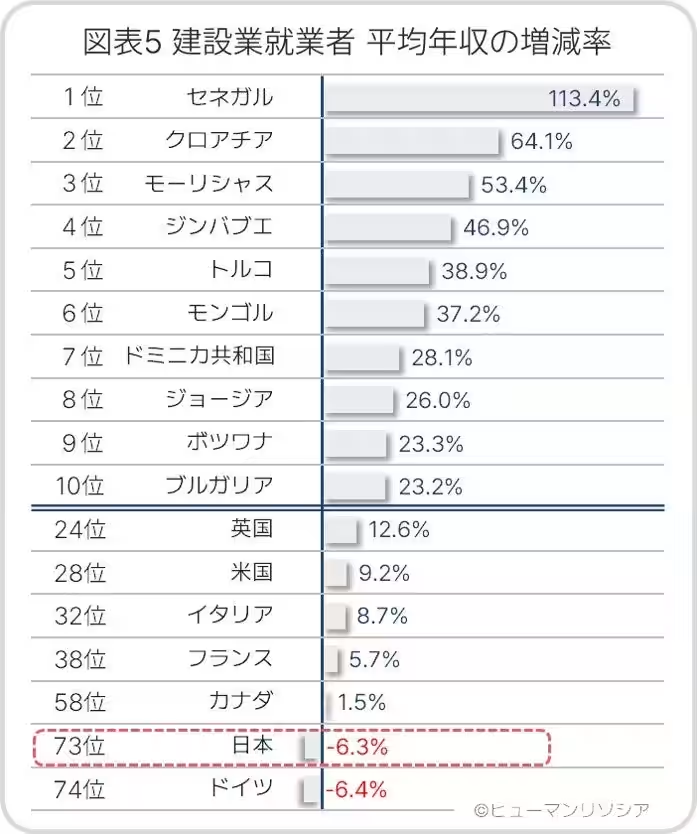
When examining wage growth rates, Japan has faced a 6.3% reduction in salaries, placing it at the 73rd position out of 82 countries analyzed for year-over-year wage change. In contrast, nations like Senegal and Croatia are experiencing significant wage growth, showcasing stark differences in how countries adapt their construction workforce compensation structures depending on economic conditions and labor market dynamics.
Asian Context
Within Asia, Japan's struggles in terms of competitive salaries are further evident when compared to South Korea and Singapore. As the region evolves, Japan's construction industry must recognize that to maintain a robust workforce, it must enhance its wage offerings to remain competitive.
Implications for Workforce Retention
With the construction industry grappling with talent retention, it is imperative to improve conditions that include salary adjustments. Countries reliant on international workers, such as South Korea, are adopting strategies to attract foreign labor through various programs, emphasizing the need for Japan to reconsider its own workforce policies. The demand for international construction labor in Japan has surged, reflecting a broader trend towards globalization in the labor market.
As of the end of October 2025, the number of foreign workers in Japan's construction sector has expanded to approximately 206,000, marking a fivefold increase over a decade. This pattern illustrates a shift towards leveraging international talent to address domestic labor shortages effectively.
Conclusion
The findings elucidate a critical juncture for Japan's construction industry. While the size of the workforce is commendable, the comparative scale of wages remains a significant barrier. Going forward, a strategic reevaluation of salary structures, benefits, and working conditions will be vital in ensuring that Japan remains a competitive player in the global construction market. By addressing these issues, Japan can better position itself to attract both domestic and international talent, thus sustaining its construction capabilities in the face of prospective challenges.
For further details, the complete report can be accessed via the link: Human Resocia Report.
Topics General Business)
【About Using Articles】
You can freely use the title and article content by linking to the page where the article is posted.
※ Images cannot be used.
【About Links】
Links are free to use.