



Concerns About Lack of Technical Skills Rise Among Aspiring IT Engineers
Growing Concerns Over Technical Skills
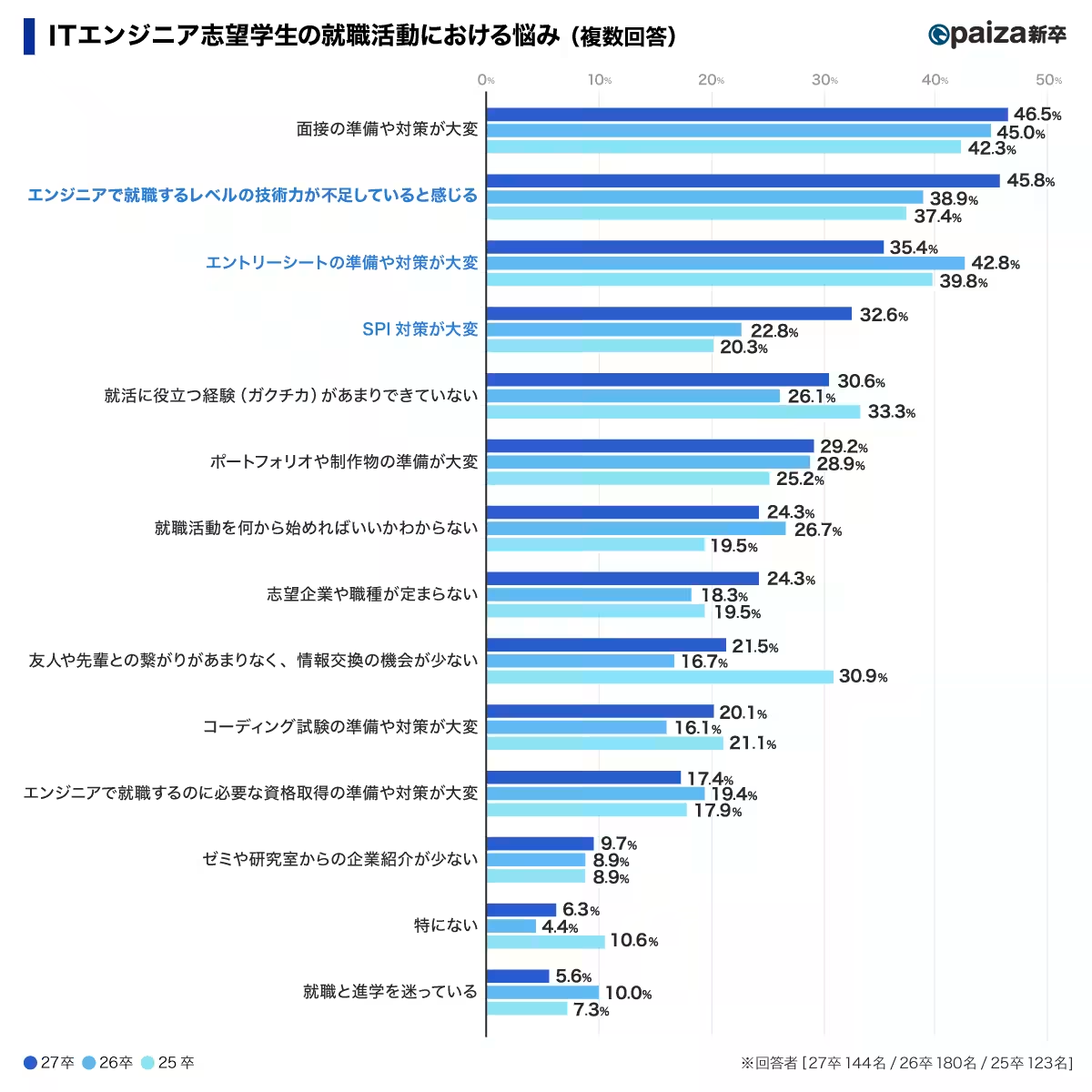
A study conducted by paiza, a leading platform for job hunting and skill assessment for IT engineers, has uncovered rising fears among aspiring IT professionals about their technical skills. The survey, aimed at students graduating in 2027, revealed that a striking 46% of respondents recognize a significant skills gap as a major challenge, the highest level recorded to date.
An Increasing Sense of Inadequacy
The feeling of inadequacy regarding necessary engineering skills has surged compared to previous years. Specifically, the sentiment that they lack the level of technical proficiency required to secure an engineering position has dramatically increased since last year's cohort. This escalation signifies a growing awareness among students that traditional indicators of employment—such as educational background and interpersonal skills—are no longer sufficient.
The shift towards job-based recruitment practices has fostered a realization that companies seek specific technical competencies. Consequently, prospective graduates are feeling the pressure to enhance their skill sets to meet these new expectations.
Interestingly, while fewer students expressed difficulties with preparing and strategizing their entry sheets—which may be attributable to advancements in AI-assisted preparation tools—there has been a noted increase in concerns about passing specific standardized tests, such as the SPI. This shift indicates that the integration of generative AI tools has changed the landscape of job application processes.
Early Career Movements and Job Change Mindset
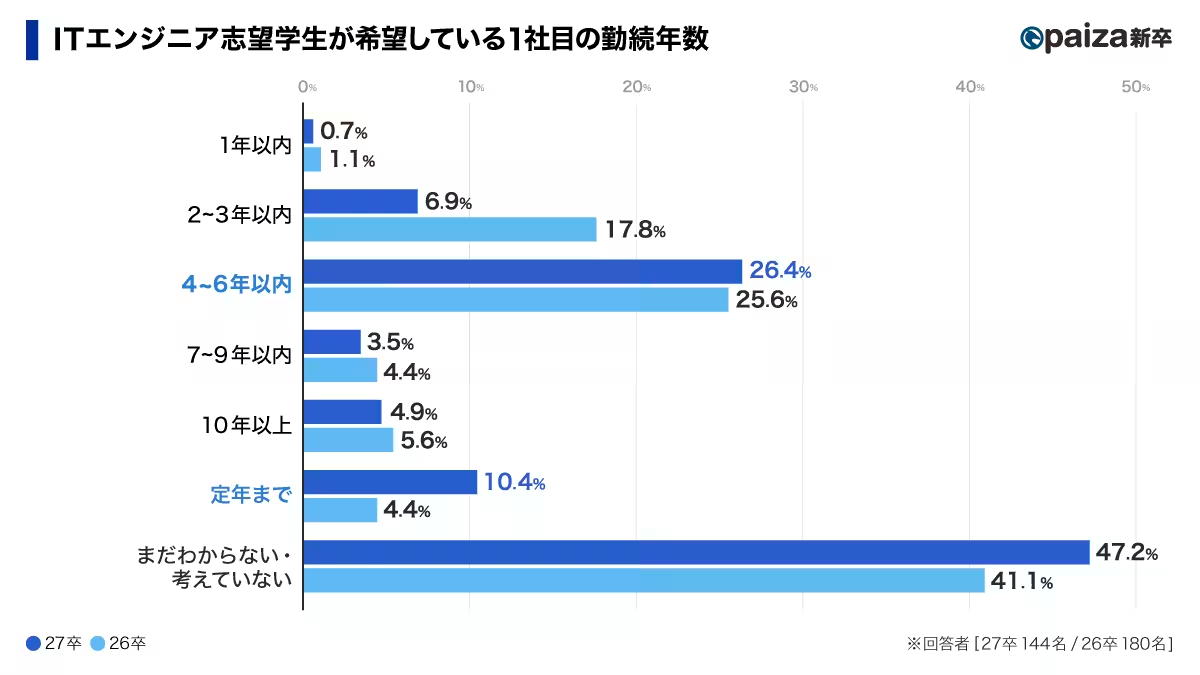
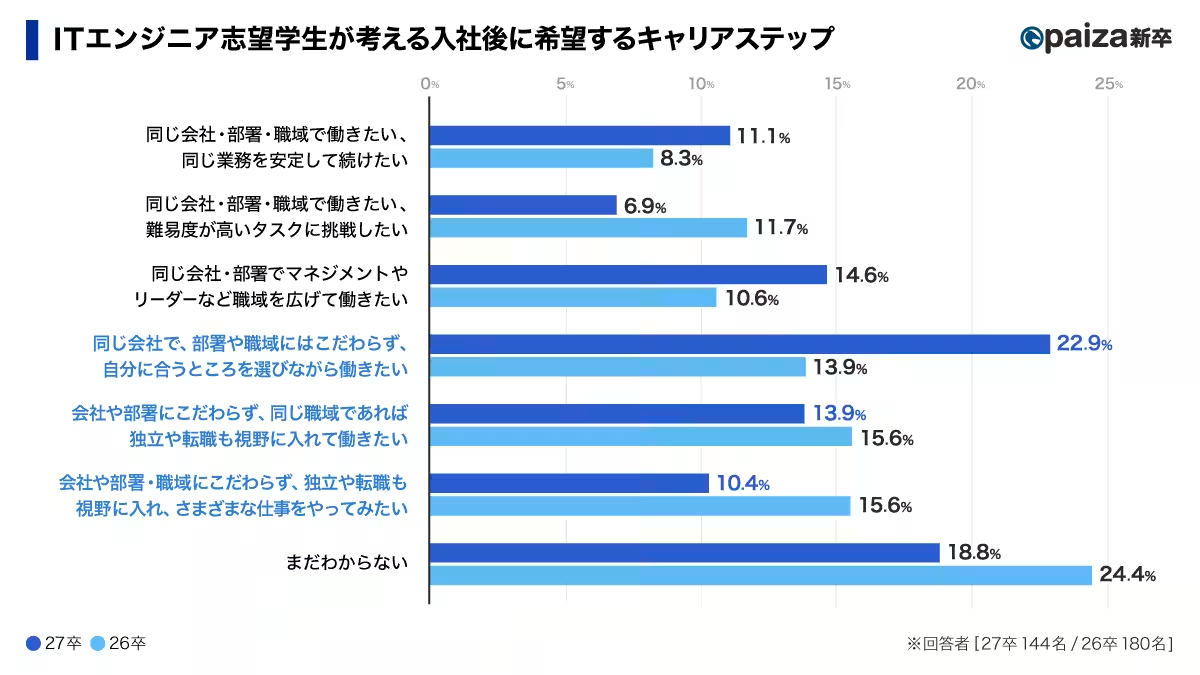
Another notable trend is the evolving perspective on early career tenure among new graduates. A significant portion of respondents, about 26.4%, indicated a desire to spend only four to six years at their initial company before considering a job change. This contrasts with the previous year's cohort and highlights a broader awareness of career mobility.
It's also worth mentioning that the number of students considering independent ventures or transitioning to other companies stands at 24.3%. This is indicative of a growing culture where students prioritize career advancement and their personal worth over mere attachment to a single organization.
Additionally, an increasing number of students seem to be looking for environments within their organizations where they can contribute their skills meaningfully. This mirrors the rise in organizations implementing internal mobility practices, such as job postings and scouting programs, likely aimed at countering concerns over talent drain to external firms.
Ambitions in Job Preferences and Industry Focus
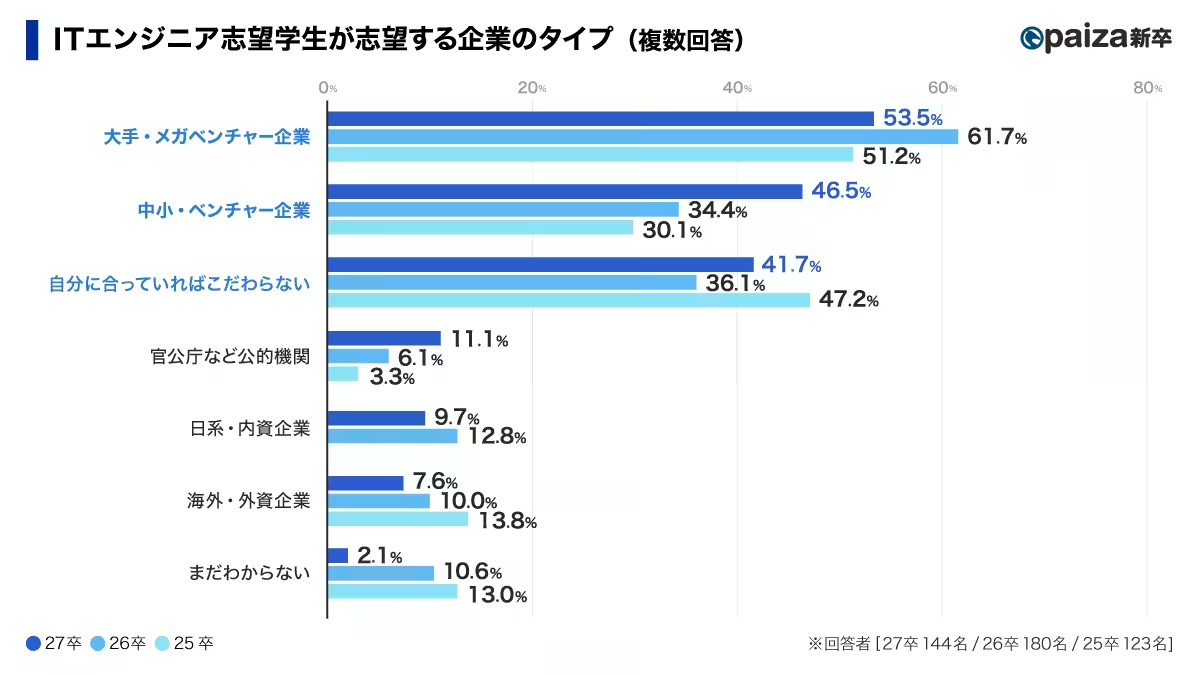
Regarding the desired type of companies, there's a near even split between preferences for large firms (53.5%) and small to medium enterprises (46.5%). Compared to previous years, an increasing number of students displayed a preference for smaller and newer ventures while showing flexibility regarding company size when aligning with their goals.
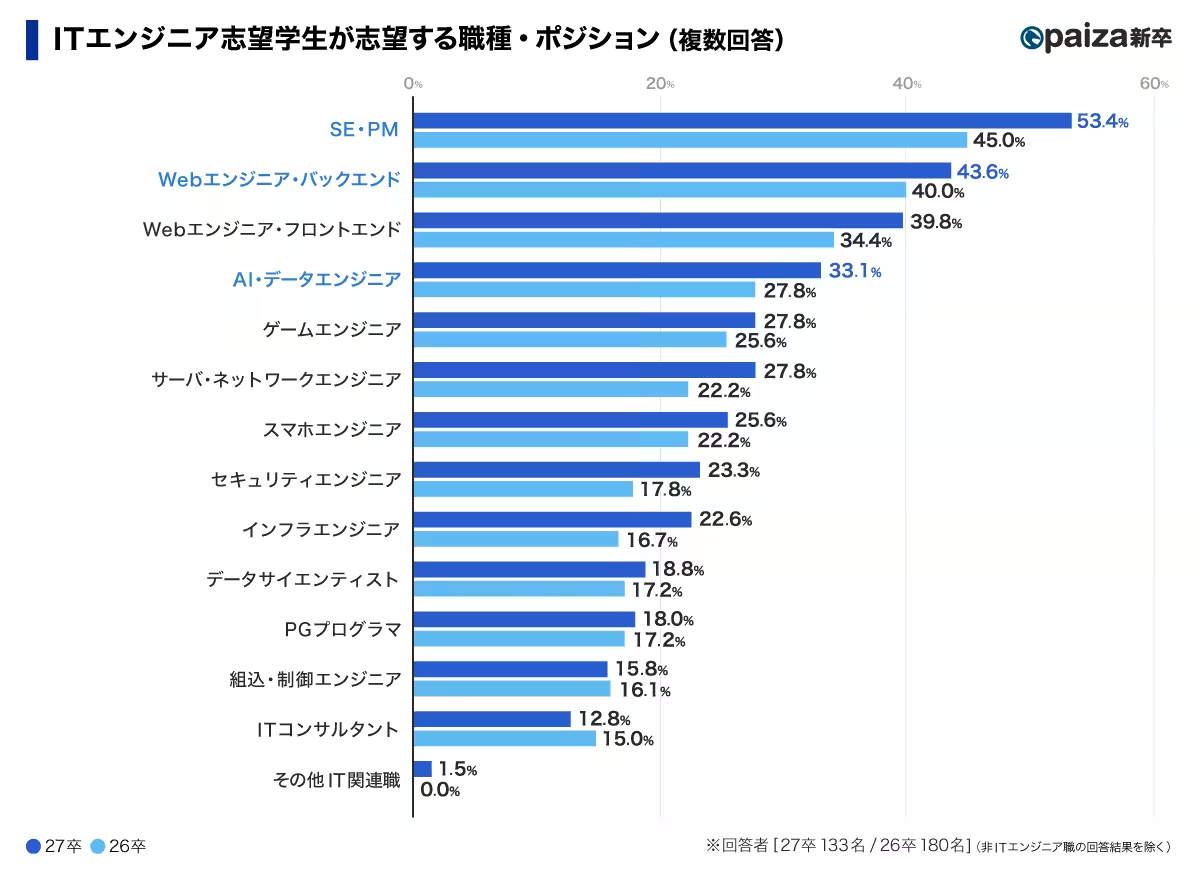
The most sought-after job roles remain in the technical domain, particularly for positions such as IT engineer (SE/PM), which attracted 53.4% of the interest. Profound interest in high-skill roles such as web engineers and AI/data engineers further underscores the trend towards specialized technical expertise in the current job market.
Conclusion and Implications for the Future
This survey signifies a pivotal moment in graduate career aspirations, particularly in the IT sector. The stark rise in concerns regarding technical proficiency among aspiring IT engineers could reshape recruitment and training strategies across the industry. Companies must respond by crafting clear skill evaluations and offering educational opportunities that resonate with candidates’ fear of inadequacy.
The normalization of frequent job changes is becoming mainstream, suggesting a necessary evolution in corporate practices to incorporate career development pathways, internal job restructures, and diverse options for progression that align with this new generation's aspirations. Enhancing professional growth opportunities through mentorship programs and specialized training can greatly support attracting and retaining skilled individuals in today's competitive IT landscape.
In conclusion, the insights gathered from paiza's survey underscore an urgent need for businesses to adapt their hiring and employee development strategies to foster environments where young engineers can thrive and contribute their skills effectively.
Topics Business Technology)
【About Using Articles】
You can freely use the title and article content by linking to the page where the article is posted.
※ Images cannot be used.
【About Links】
Links are free to use.