



Exploring the Characteristics of TikTok Content That Drives Purchases
Understanding TikTok's Impact on Consumer Purchases
In a recent investigation conducted by PLAN-B, a company specializing in social commerce, insights into the types of TikTok content that effectively leads to purchases were gathered. With its growing influence not only as a platform for product recognition but also as a robust facilitator of purchases, TikTok has become an integral part of the shopping experience. The launch of TikTok Shop has further streamlined the process, allowing users to discover and buy products directly within the app.
According to their previous study, 36.1% of 1,616 TikTok users aged 10 to 60 reported having purchased items they discovered on the platform. This prompts the question: what characteristics define content that drives purchases?
Exploring Consumer Motivations
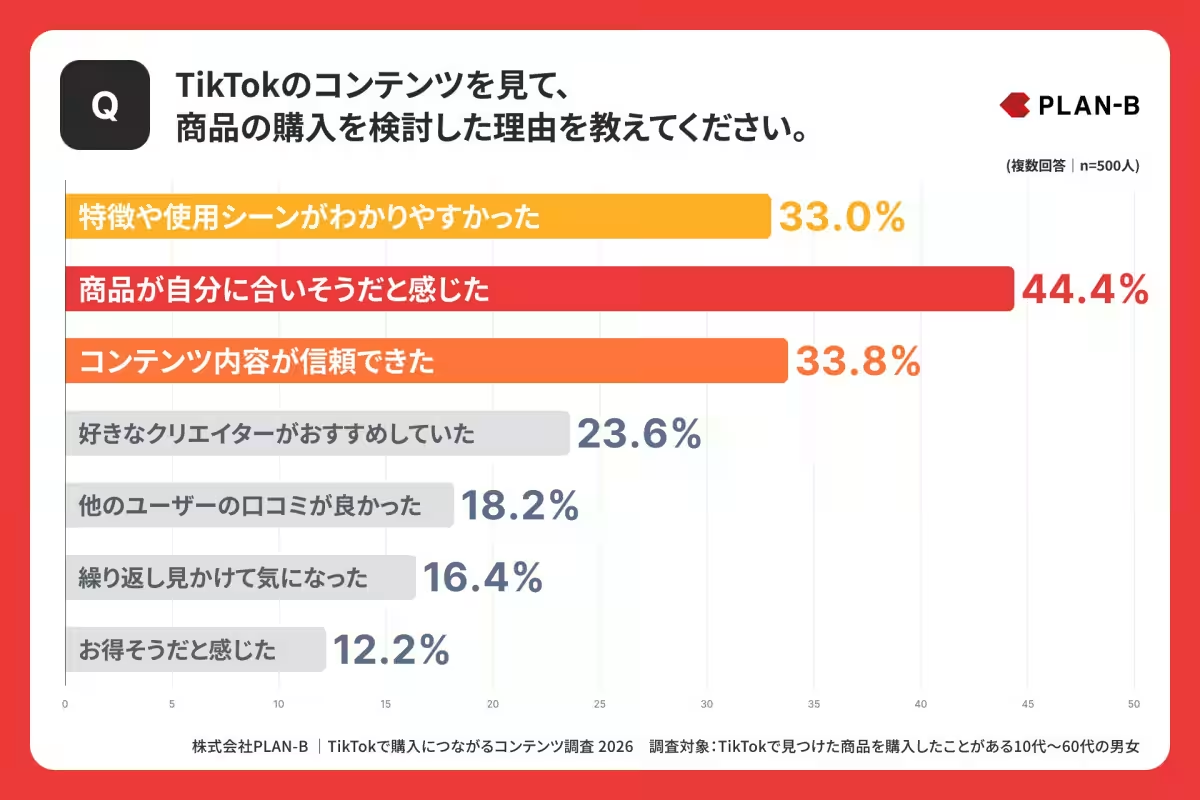
The study focused on 500 individuals who have previously purchased products found on TikTok. It scrutinized their reasons for purchasing, the types of content encountered, and their relationships with creators. The findings revealed that 44.4% of users felt that the products were suitable for them, which was the primary reason for their purchases. This suggests that the emotional connection and personal relevance of a product are significant factors motivating consumers to buy.
Trust and Familiarity with Creators
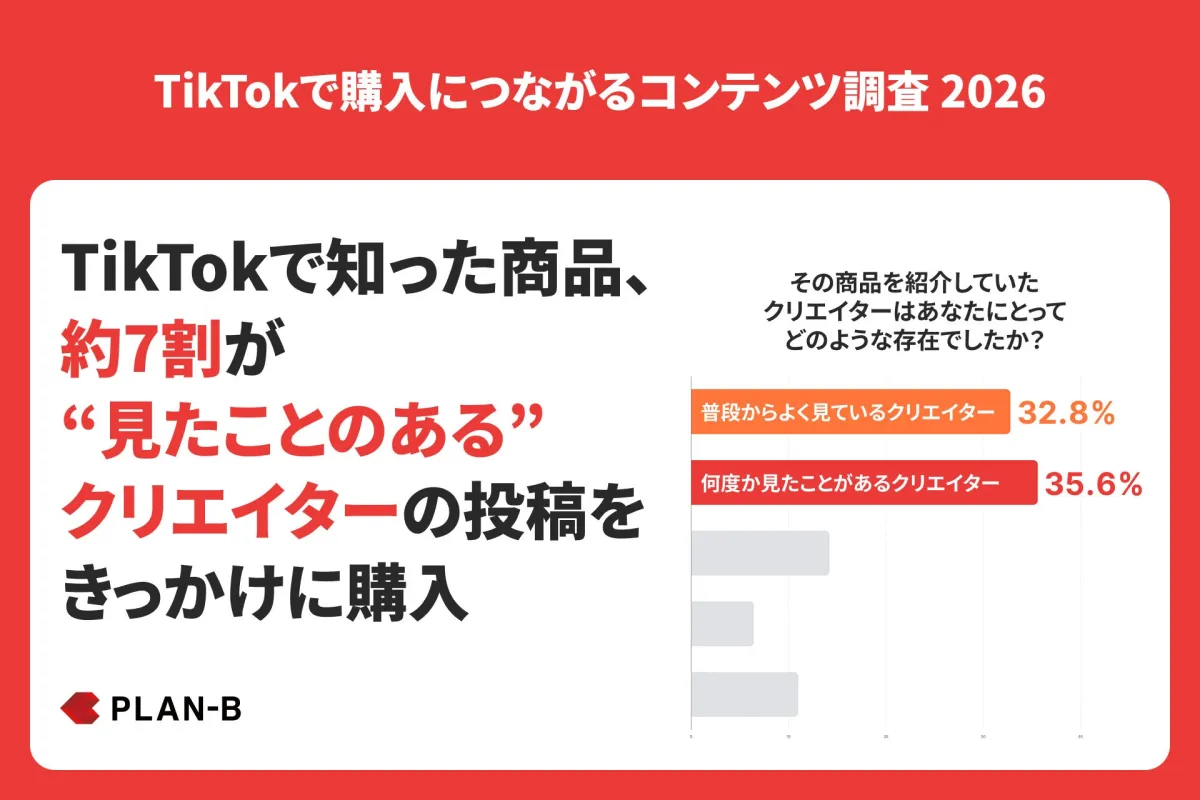
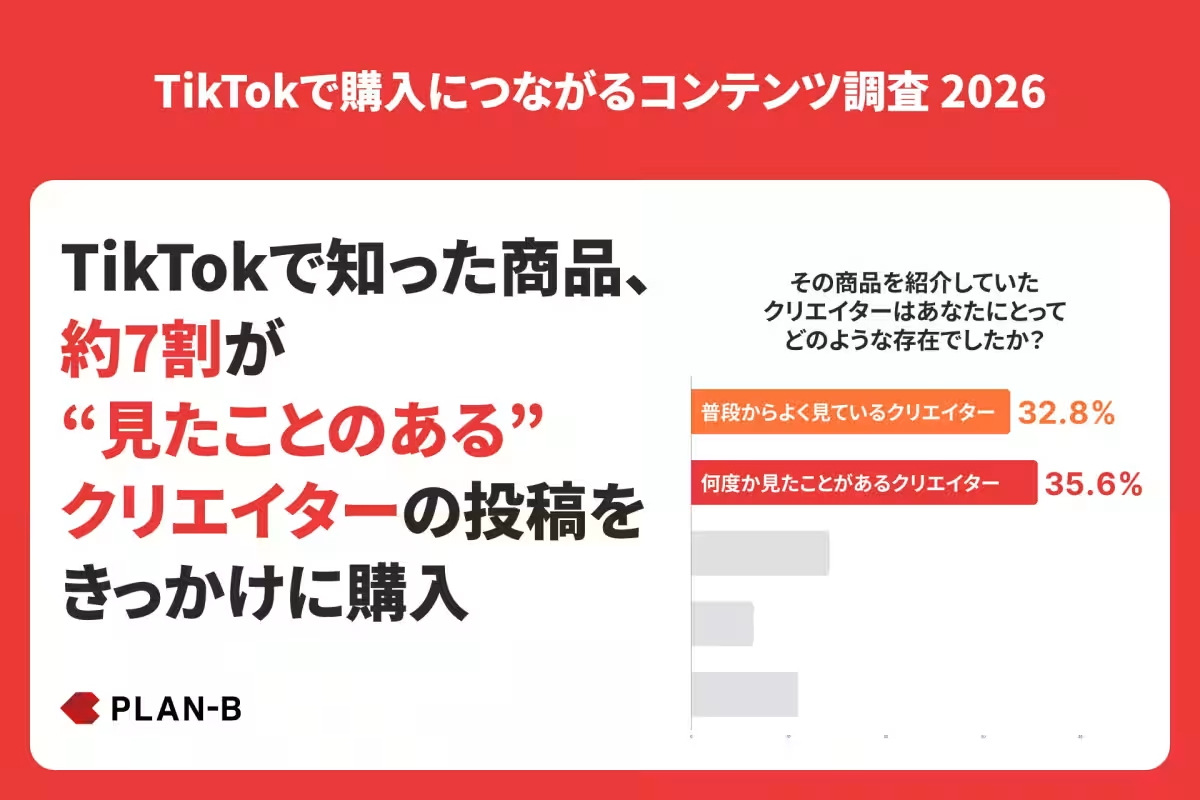
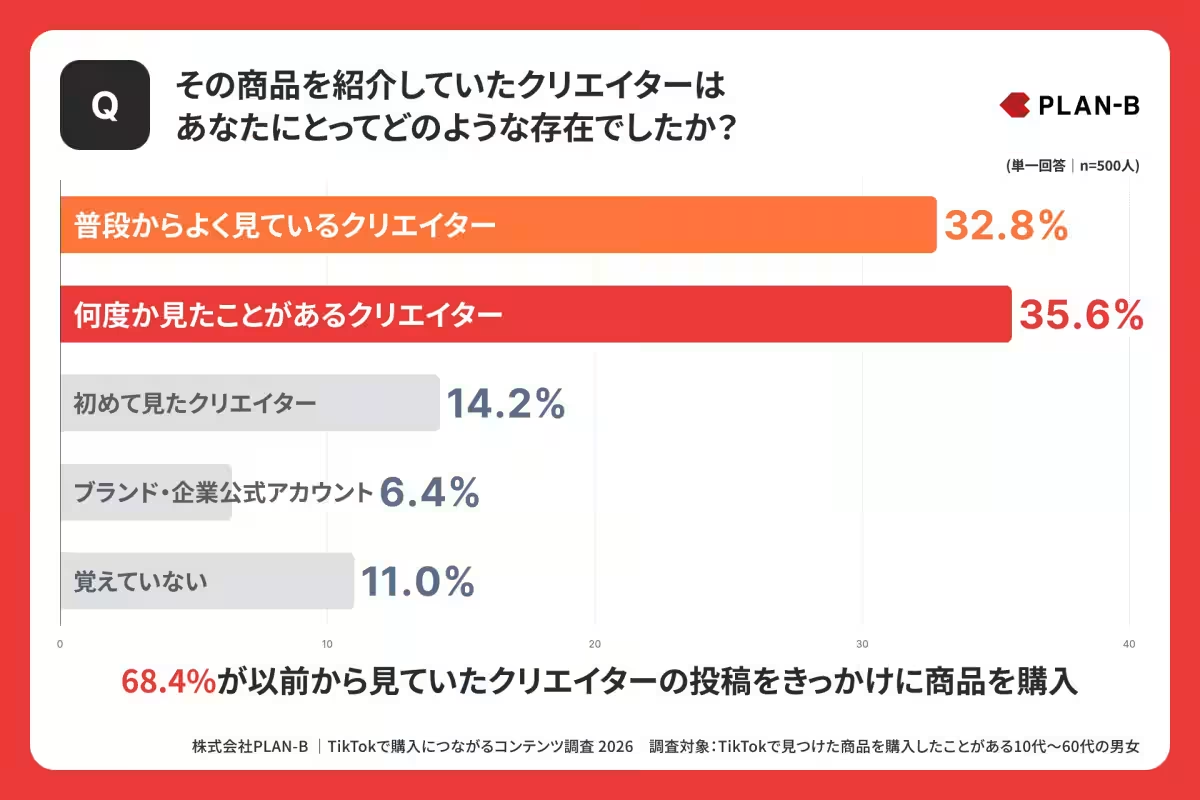
Moreover, 68.4% of respondents purchased items due to the influence of content from creators they were already familiar with. Engagement with familiar creators builds a sense of trust and comfort, impacting the decision-making process when it comes to purchases. This reinforces the idea that long-term relationships with creators increase the likelihood of conversion.
Key Findings from the Research
The investigation revealed several notable insights about consumer behavior:
1. Key Purchase Determinants: The research indicated that the most common reasons for purchasing products viewed on TikTok included the perception that the product was suited for the user (44.4%), followed by trust in the content (33.8%) and clarity regarding the product’s features (33.0%). Consumers are looking for a relatable, trustworthy narrative that demonstrates how a product fits into their lives.
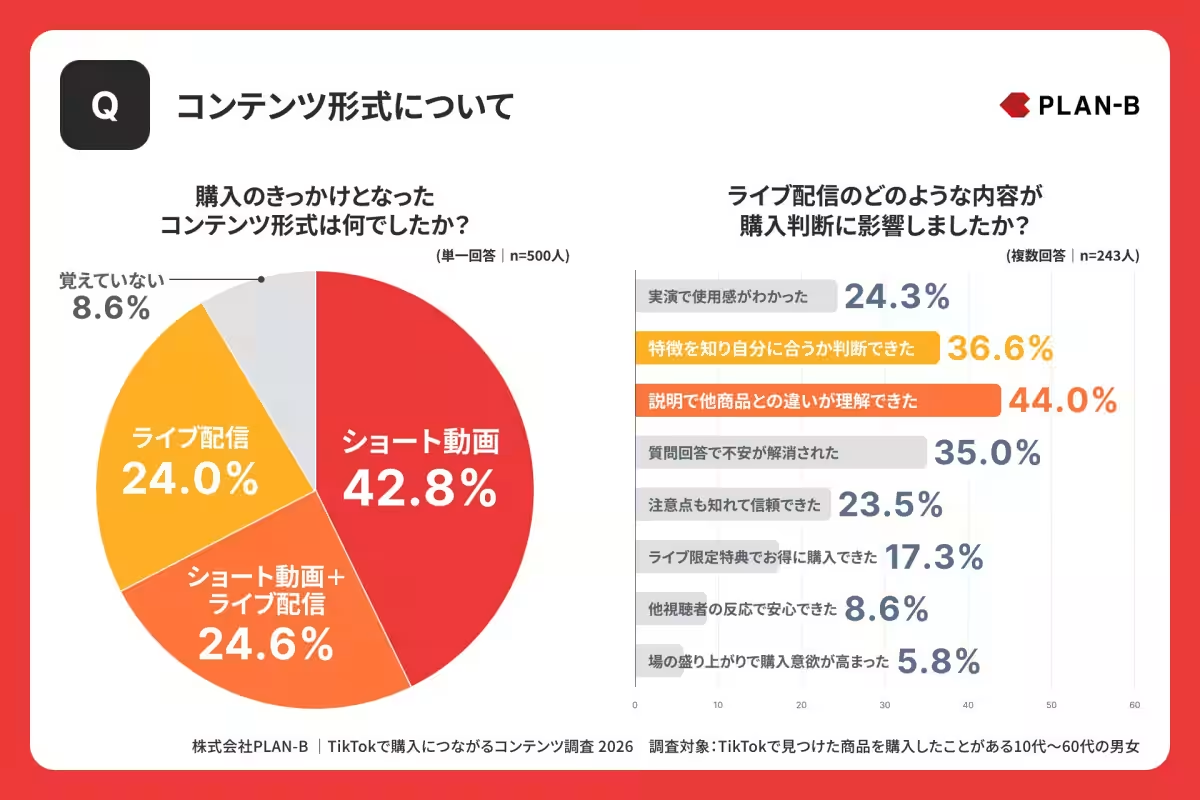
2. Dominance of Short Videos: When examining the form of content leading to purchases, short videos emerged as the predominant format at 42.8%. This signifies that quickly digestible, engaging content is vital in capturing consumer interest. Additionally, a combination of short videos and live streams (24.6%) also played a role in facilitating a deeper understanding of products.
3. The Role of Live Streaming: For those who made purchases based on live streaming content, reasons included an enhanced understanding of product differentiation (44.0%) and a clearer picture of how well the product might suit them (36.6%). Live streams are instrumental in providing detailed comparisons and addressing user concerns directly, an approach that can alleviate doubts during the purchase process.
Analyzing Creator Influence
A fascinating aspect of the study involved the relationship between consumers and content creators. Notably, 68.4% of users purchased products endorsed by creators they had previously engaged with. This is likely a reflection of TikTok’s algorithm, which encourages multiple exposures to the same creators based on user interest. The familiarity bred through repeated interactions enhances the credibility of the endorsement and can directly influence consumer purchasing decisions.
Some consumers also reported making purchases from creators for the first time, demonstrating TikTok's capability to connect users with new products and creators through its recommendation algorithms.
Conclusion: Tailoring Content for Purchase Conversion
This research emphasizes the importance of content on TikTok that effectively addresses questions of suitability and differentiation. Consumers want to feel a personal connection to the products they consider. Brands must create content that fosters a sense of personal relevance while also ensuring that potential buyers have all the necessary information to make informed decisions.
Future TikTok content strategies should focus on crafting narratives that bring products to life, showcase practical use cases, and highlight what makes them stand out from the competition. Creators should be chosen not just for their follower count but also for their alignment with the target audience and the rapport they have with viewers.
By understanding whom to partner with, what to convey, and when to deliver information throughout the buying journey, brands can effectively leverage TikTok to boost purchase conversions. This holistic approach could unlock greater potential in the dynamic world of social media commerce.
About the Study
The

Topics Other)
【About Using Articles】
You can freely use the title and article content by linking to the page where the article is posted.
※ Images cannot be used.
【About Links】
Links are free to use.