



Survey Reveals 82% of People Report Stress from Air Conditioner Noise
Understanding Air Conditioner Noise Stress: A Comprehensive Survey
In a recent survey conducted by "Ouchi ni Pro", a service that can compare and reserve various home maintenance options, it was revealed that an overwhelming 82% of participants have experienced annoyance from noises emitted by their air conditioning units. This investigation is particularly significant as it sheds light on the aspects that contribute to household stress, especially in relation to climate control devices that many depend on for comfort.
Survey Overview
The survey aimed to delve into the auditory challenges posed by air conditioning systems, focusing on individuals' perceptions and reactions to unusual sounds. Here are some findings from the study:
- - Survey Population: A total of 100 respondents were surveyed, with a demographic breakdown of 40 males, 59 females, and one respondent not indicating their gender.
- - Age Distribution: Participants ranged from their 20s to 60s, with the largest groups being in their 30s and 40s, comprising 34 and 36 respondents respectively.
- - Methodology: Conducted via internet research, the survey drew responses from across Japan during May 2026.
Key Findings
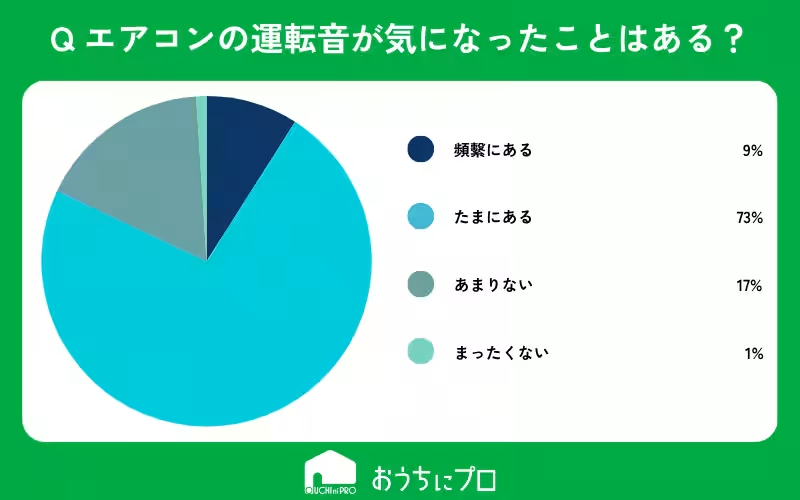
1. Frequency of Noise Complaints: Among those surveyed, 73 people (73%) noted that they occasionally experience bothersome air conditioning noises, while only 9 participants reported frequent disruptions. Just 1 respondent stated they never noticed any noise at all.
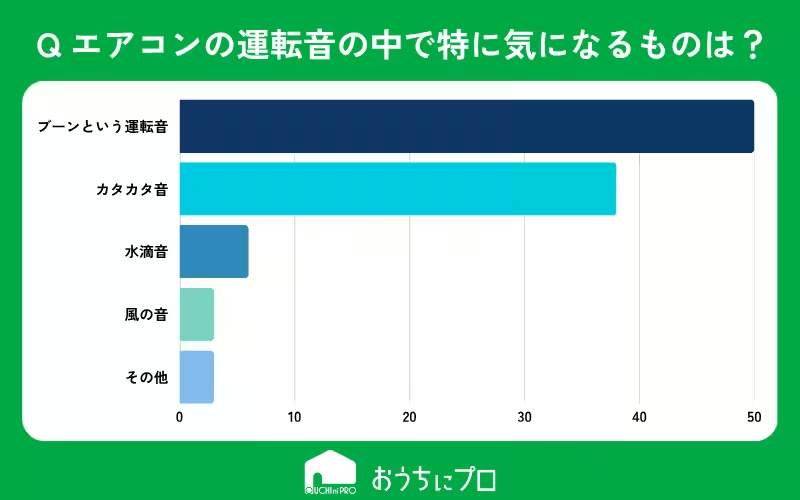
2. Types of Noises: The specific sounds that respondents found distracting included:
- A low buzzing noise (50 respondents)
- Rattling or clatter (38 respondents)
- Dripping water sounds (6 respondents)
- Wind blowing (3 respondents)
- Other miscellaneous sounds included noise from outdoor units or structural noises from the installation points (3 respondents).
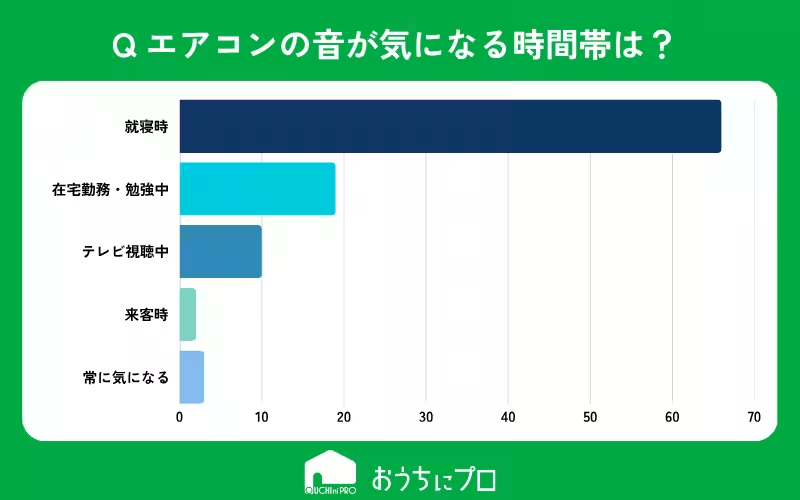
3. Time of Disturbance: The survey highlighted that most disturbances happen during sleep, as indicated by 66 respondents. Other notable times included working from home or studying (19 responses) and while watching TV (10 responses).
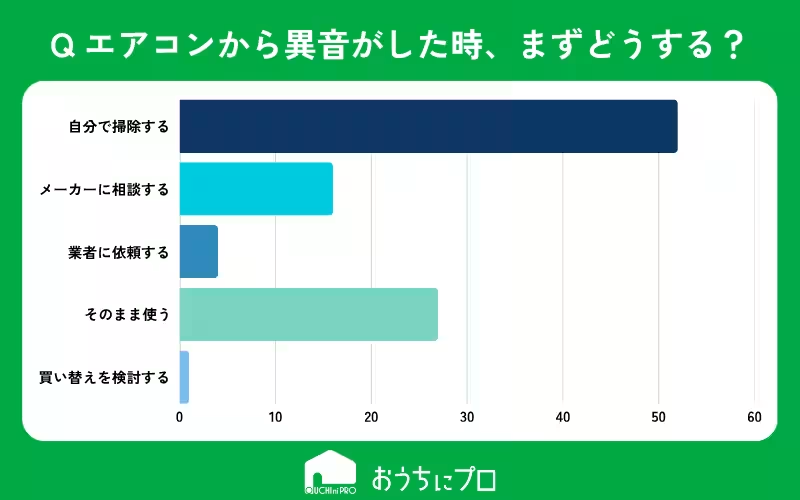
4. Initial Reactions to Noises: When confronted with unfamiliar sounds, 52% of respondents said they would attempt to clean the unit themselves. Meanwhile, 27% expressed they would continue to use the air conditioner despite the noise, showcasing a tendency to overlook minor faults rather than seeking professional help.
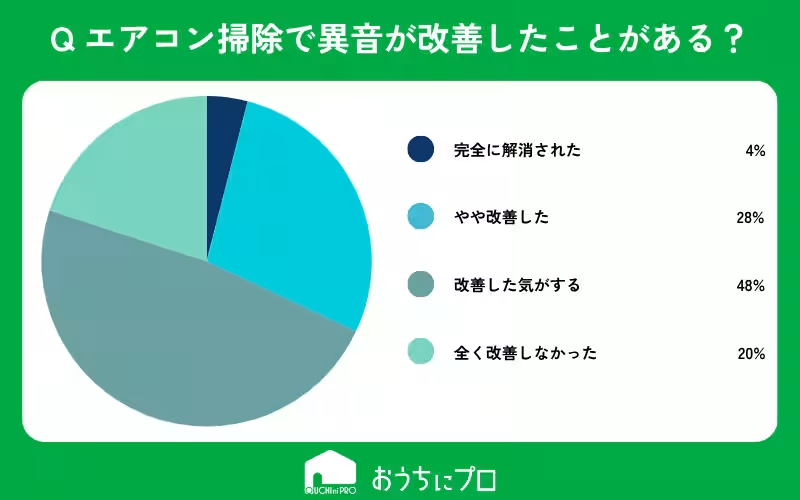
5. Effectiveness of Self-Cleaning: Of those who tried cleaning the air conditioning unit, only a mere 4% felt that this completely resolved the noise issue. A significant 20% reported no improvement at all, underscoring that self-cleaning may not always address the root problem of the noise.
Considerations for Homeowners
Given these insights, homeowners should be more aware of how the operational sounds of their air conditioning systems can impact their comfort and overall quality of life. The fact that many individuals choose to manage noise issues internally can lead to worsening situations.
It's crucial for homeowners experiencing noise stress to consider professional maintenance options and ensure their systems are functioning as intended. Regular cleanings can help, but knowing when to call in experts is equally important.
Conclusion
As air conditioning plays an essential role in maintaining comfortable home environments, understanding the implications of operational noise is vital. The findings from the "Ouchi ni Pro" survey not only highlight common concerns but also encourage individuals to think critically about their appliances and seek professional advice when necessary. Fostering a home environment free from noise distractions is essential for peace, especially during those quiet nighttime hours.
For more detailed information regarding this survey and air conditioning cleaning services, visit the official site of "Ouchi ni Pro".
- ---
Pro Services: "Ouchi ni Pro" offers a platform that connects homeowners to reliable service providers for various home maintenance tasks. From air conditioning cleaning to plumbing, the site hosts evaluations from over 20,000 users, ensuring quality service and transparency in the selection process.
Topics Consumer Products & Retail)
【About Using Articles】
You can freely use the title and article content by linking to the page where the article is posted.
※ Images cannot be used.
【About Links】
Links are free to use.