


Alert on Increasing Information Leaks Caused by A2B Attacks on Android Apps
Increasing Threat of Information Leaks
In recent months, there's been a noticeable rise in data breaches across Japan, sparking concern amongst developers and users alike. A new study by the National Institute of Information and Communications Technology (NICT) sheds light on a significant threat: A2B attacks, or App-to-Backend attacks, which specifically exploit vulnerabilities in publicly available Android applications.
Understanding A2B Attacks
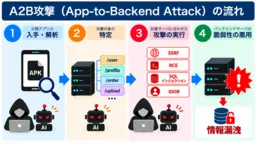
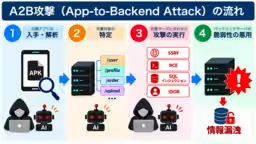
The term A2B attack refers to a method where cyber attackers analyze the structure of public Android apps to uncover critical backend information. By dissecting these applications, attackers can identify the servers those applications connect to and any existing flaws. Once they have gathered sufficient data, they can tailor their attacks to exploit the specific weaknesses of the servers linked to the compromised apps.
This poses severe risks for app developers who believe their server details are not publicly accessible. However, the attackers can obtain detailed insights into these backend systems, potentially facilitating unauthorized access to personal and sensitive user information.
The Mechanism of Attacks
The attack process typically involves the following steps:
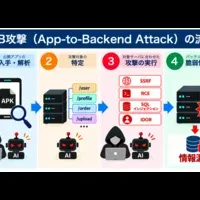
1. Acquisition of the App: Attackers first acquire the targeted Android application through various means, either by downloading it from app stores or other sources.
2. Decompilation and Analysis: Once in possession of the app, they use decompilation tools to break down the app's code. This process allows them to explore its functionalities and examine its API connections and data structures.
3. Targeting the Backend: After collecting sufficient information, attackers will launch specific attacks on the identified backend servers. By using knowledge of vulnerabilities discovered during the app analysis, they can execute precise attack strategies, increasing the likelihood of success.
Broader Implications
While the focus of this warning is on Android applications, it’s crucial to understand that A2B attacks are not limited to this platform. Similar vulnerabilities exist in iOS applications and various web services that utilize backend APIs. Therefore, organizations that provide these services must remain vigilant about their security postures. Moreover, the integration of Artificial Intelligence in such analysis can expedite the discovery of vulnerabilities, exacerbating the threat landscape if not addressed immediately.
Recommendations from NICT
In response to the findings of the threat analysis team, NICT has published a set of recommendations for developers of Android applications, which include:
- - Confirmation of Breaches: Regularly check for signs of breaches or unauthorized access attempts on servers to catch vulnerabilities early.
- - Vulnerability Audits: Conduct thorough vulnerability assessments on applications and their associated backend servers to identify and rectify potential weaknesses.
- - Temporary Mitigation Policies: Implement temporary solutions while long-term fixes are developed to protect sensitive data from immediate threats.
Additionally, the report includes Indicators of Compromise (IoCs) associated with these attacks, providing more context for developers to understand, monitor, and protect against these vulnerabilities.
For more details on the A2B attack methodology and the recommended strategies, visit the CYNEX Library.
About LETTICE
LETTICE, which stands for Leading Expert Team for Threat Intelligence Collection and Evaluation, is part of NICT’s CYNEX initiative aimed at bolstering cybersecurity. Formed in February 2024, LETTICE is a collaborative team comprised of cyber experts from various organizations, dedicated to analyzing cyber threats and sharing insights to help fortify defenses against these evolving challenges.
Topics Other)

【About Using Articles】
You can freely use the title and article content by linking to the page where the article is posted.
※ Images cannot be used.
【About Links】
Links are free to use.