



Kanto Data Factory Begins Operations for Humanoid Robots in Logistics
Kanto Data Factory's Launch Transforming Logistics with Humanoid Robots
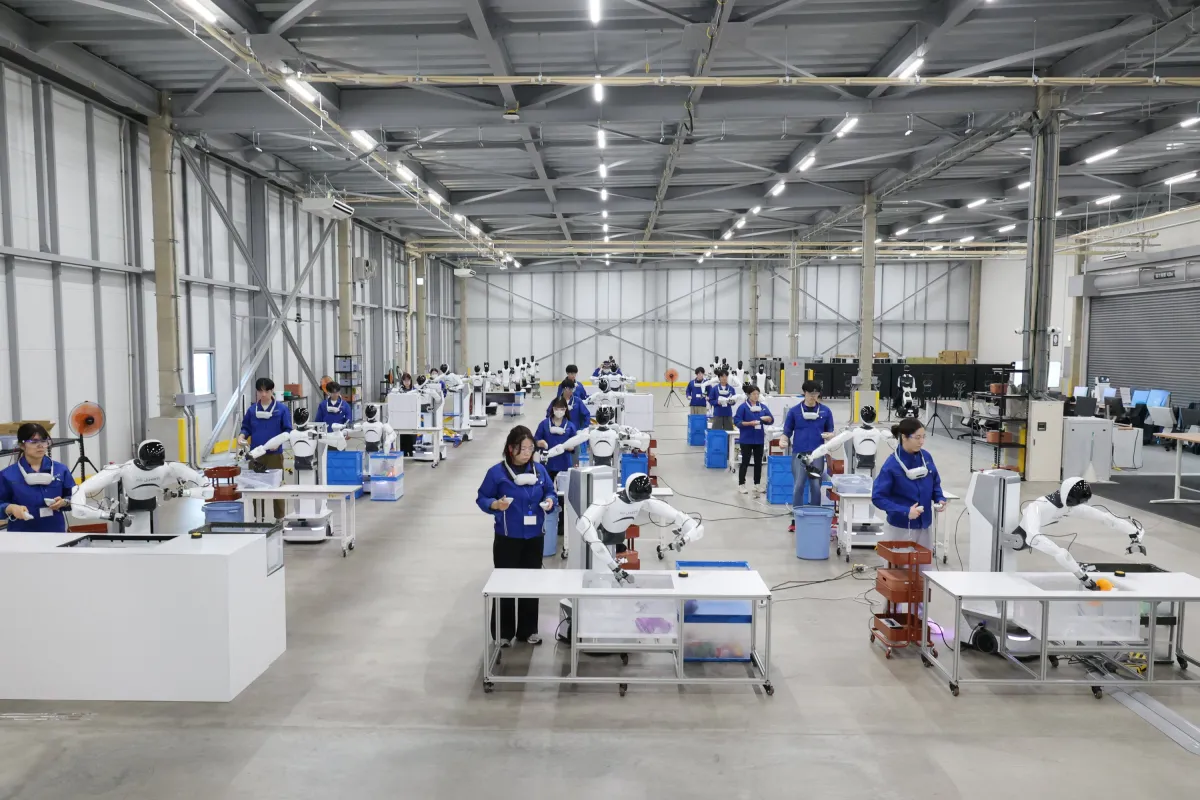
On August 26, 2026, the Kanto Data Factory, established by the Japanese consortium J-HRTI, will officially commence its operations in Narashino, Chiba Prefecture. This state-of-the-art facility is regarded as Japan's first data collection center for humanoid robots, designed specifically to gather learning data for these advanced technologies.
The inception of the Kanto Data Factory marks a significant leap in automating logistics, an industry that has historically relied heavily on human labor. The consortium, known as J-HRTI (Japan Humanoid Robot Training & Implementation), is committed to enhancing societal implementation of humanoid robots by utilizing collective data accumulation, shared verification environments, and tailored social implementation models. This initiative aims to address Japan's pressing labor shortages, particularly in logistics, which are exacerbated by an aging population and a declining workforce.
Collaborative Development to Tackle Labor Challenges
A crucial aspect of the Kanto Data Factory’s mission is to overcome the limitations of singular development projects through collaborative approaches. Many logistical tasks that do not fit standardized protocols still require human intervention, such as transporting goods, stocking items, and managing the disposal of unnecessary products post-packaging. While industrial robots excel at repetitive, high-speed tasks, the need for flexibility in adapting to various client demands has become apparent. The reliance on dedicated machinery limits Return on Investment (ROI), especially when extensive modifications or new systems are required to meet shifting operational requirements.
The implementation of versatile humanoid robots is poised to provide a solution, combining their adaptability with the efficiency of industrial robots. By effectively merging these technologies, the consortium aims not only to boost productivity but also to significantly reduce the dependence on human labor in logistics operations. This dual approach will support businesses in maximizing their investment while fundamentally rethinking their labor strategies.
Facility Overview of the Kanto Data Factory
The Kanto Data Factory spans approximately 1,400 square meters and will house a staggering minimum of 35 humanoid robots, with plans to expand to 40 units. The facility will be supported by a dedicated team consisting of around 100 staff members, including over 50 operators and others focused on data annotation and processing.
| Item | Details |
|---|---|
| ---- | ----- |
| Facility Name | Kanto Data Factory |
| Location | Narashino City, Chiba |
| Area | Approx. 1,400 m² |
| Full Operation | August 26, 2026 |
| Number of Robots | 35 (expandable to 40) |
| Staff | About 100 (50+ operators) |
| Operating Body | J-HRTI (Managed by INSOL-HIGH Co., Ltd.) |
Consortium Members and Support
Since its establishment on March 26, 2026, J-HRTI has worked diligently to foster collaborative efforts among its members, including DMS Co., Ltd., Yamazen Co., Ltd., Tsumura & Co., and Fuyo Total Lease Co., Ltd. Together, these organizations aim to create a standard model that will cover data generation, environmental testing, and operational processes, therefore accelerating the pace of implementation and ensuring high reproducibility in practical environments.
The push for a redesign of working conditions, termed PX (Physical AI Transformation), is a core initiative for J-HRTI. By focusing on sustainable productivity within the logistics and shipping sectors, the consortium aims to contribute significantly to Japan’s social infrastructure and overall efficiency.
For further information on this groundbreaking initiative, please visit the J-HRTI Press Release.
Company Overview
Company Name: DMS Co., Ltd.
Headquarters: 1-11 Kanda Ogawacho, Chiyoda-ku, Tokyo, Japan
CEO: Katsuhiko Yamamoto
Established: April 1961
Business Areas: Direct mail, sales promotion, event management, logistics services
Website: DMS Official Site


Topics Consumer Technology)
【About Using Articles】
You can freely use the title and article content by linking to the page where the article is posted.
※ Images cannot be used.
【About Links】
Links are free to use.