



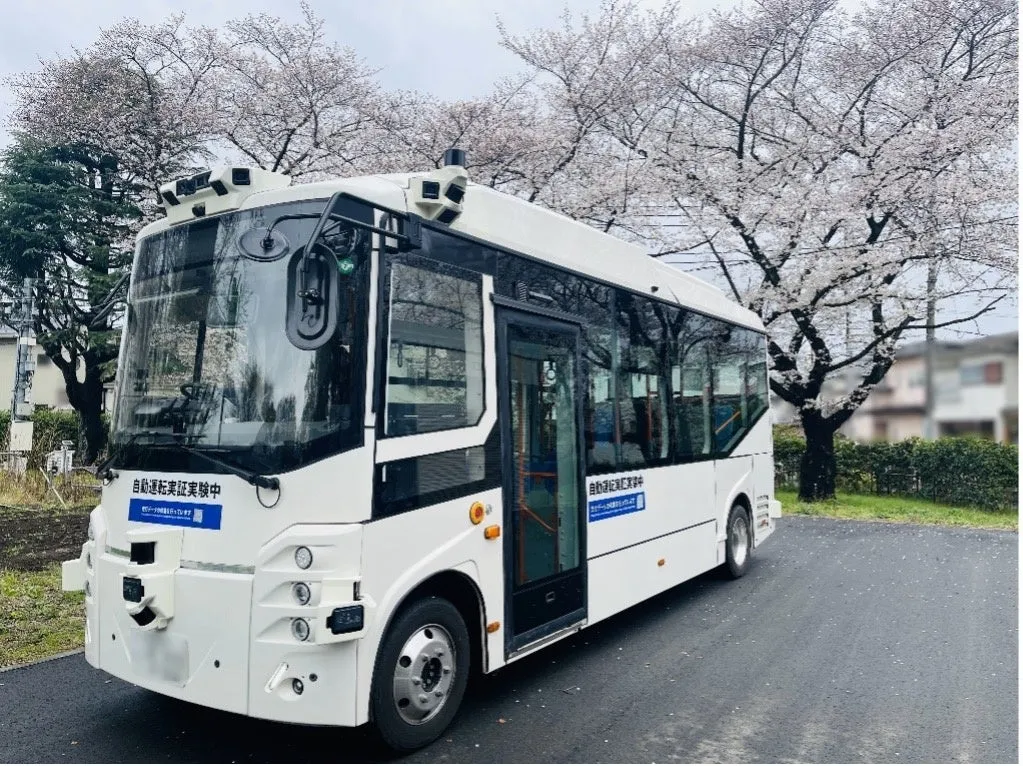
Innovative Remote Monitoring Autonomous Buses Coming to Komae City, Tokyo
Tackling Public Transport Challenges with Autonomous Buses in Komae City
Komae City, located in Tokyo Prefecture, is embarking on an innovative approach to address public transportation challenges in suburban areas. The city has initiated a series of trials focusing on the implementation of remote monitoring autonomous vehicles, aiming for a smoother and safer transit experience as demand rises alongside population growth in the region.
Background of the Initiative
As Komae City faces an increase in public transportation demand due to the redevelopment of Tama River housing, the aging bus driver workforce has led to a significant shortage. To combat this, establishing a sustainable transportation service is now more urgent than ever. This initiative, led by a consortium consisting of NTT East Corporation, Tier IV, Map for, the Measurement and Planning Research Institute, Odakyu Bus, and Komae City itself, was selected as a demonstration body under the Ministry of Internal Affairs and Communications' project to promote regional social DX through autonomous vehicle tests at Level 4.
Since last year, we've made strides in testing the technology to better recognize pedestrians and vehicles at challenging intersections tailored to Komae's unique transportation landscape. Assisting with these developments is the integration of local 5G technology, which facilitates reliable communication between vehicles and infrastructure, aiming for practical deployment by 2027.
Overview of the Demonstration Test
Objective
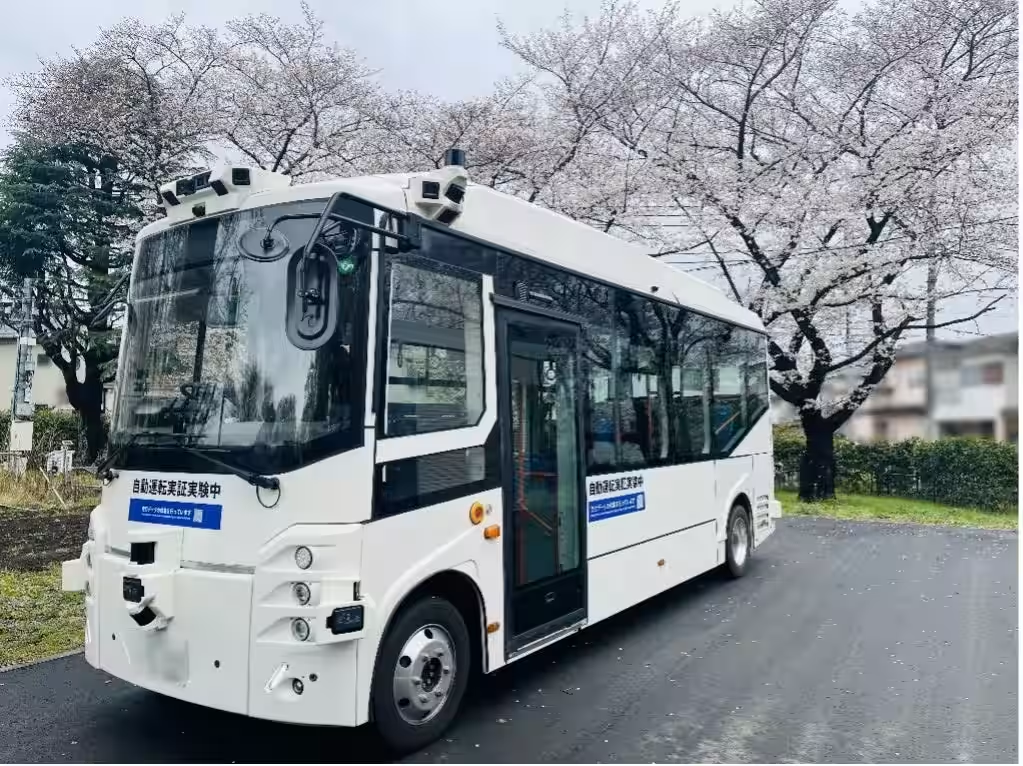
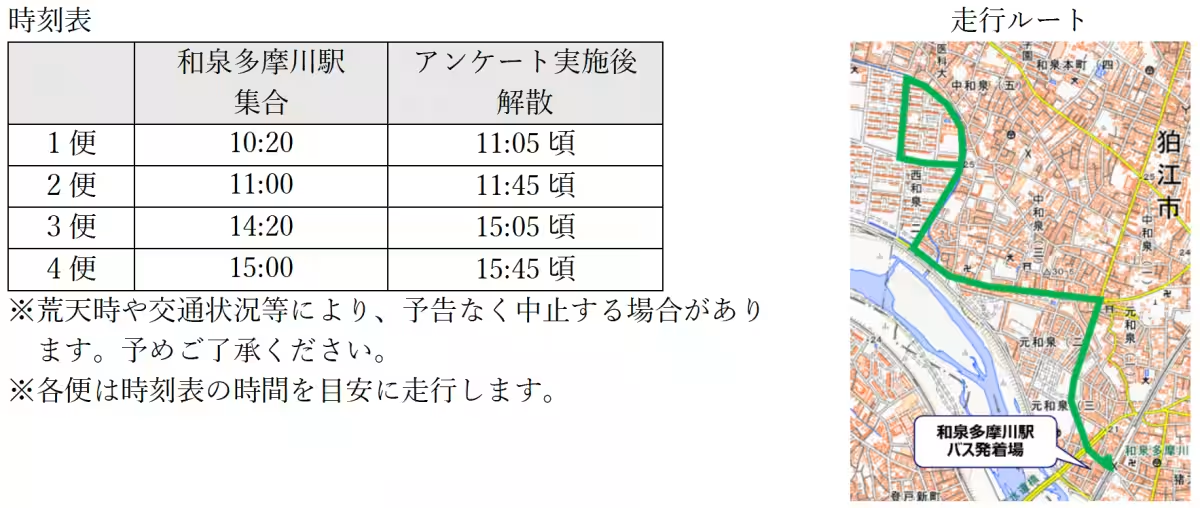
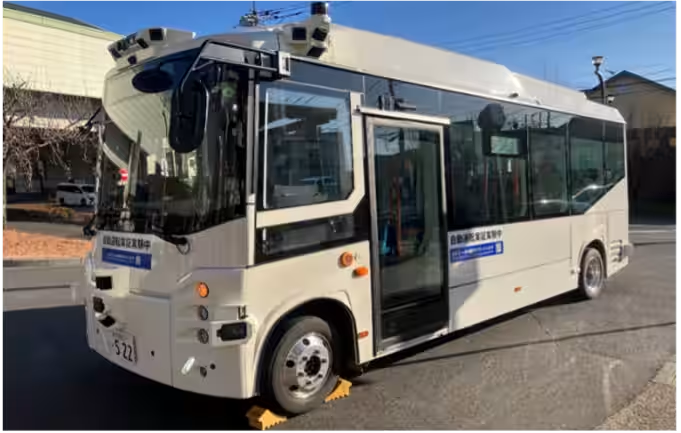
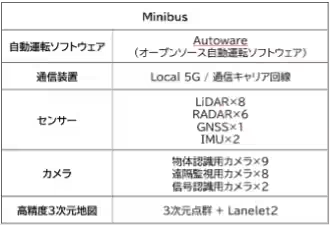
The goal for the current project is to operate Level 2 autonomous vehicles on a route approximately 5.1 km long in Komae City, utilizing Tier IV's Minibus 2.0. The focus will be on further decreasing the number of manual interventions experienced in previous tests while enhancing comfort and security during rides. This trial aims not just at technical validation but also at improving passenger experiences.
New Plans Toward Level 4 Automation
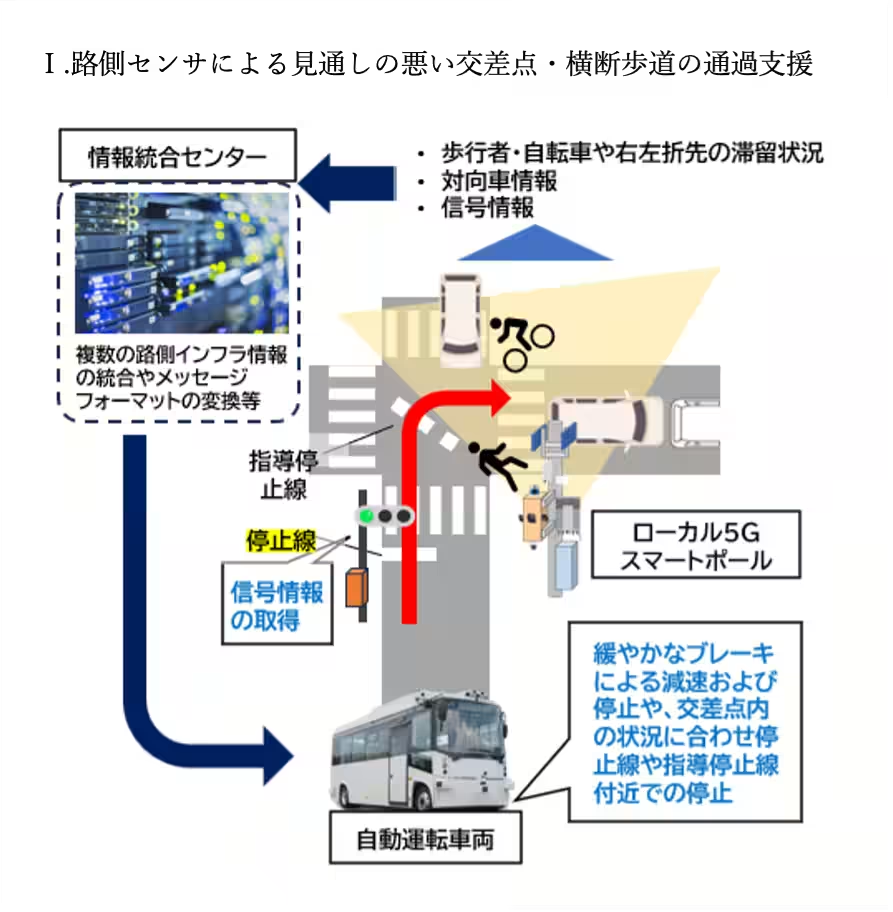
1. Support at Poor Visibility Intersections:
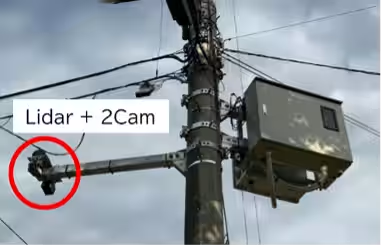
- Through the implementation of local 5G-connected smart poles equipped with cameras and sensors, the buses can receive real-time information about nearby pedestrians and vehicles. This is particularly vital at intersections or crosswalks with obstructed views where traditional sensors may fall short. The objective is to reduce harsh braking and ensure the bus can anticipate situations where it needs to slow down or stop, leading to smoother navigation.
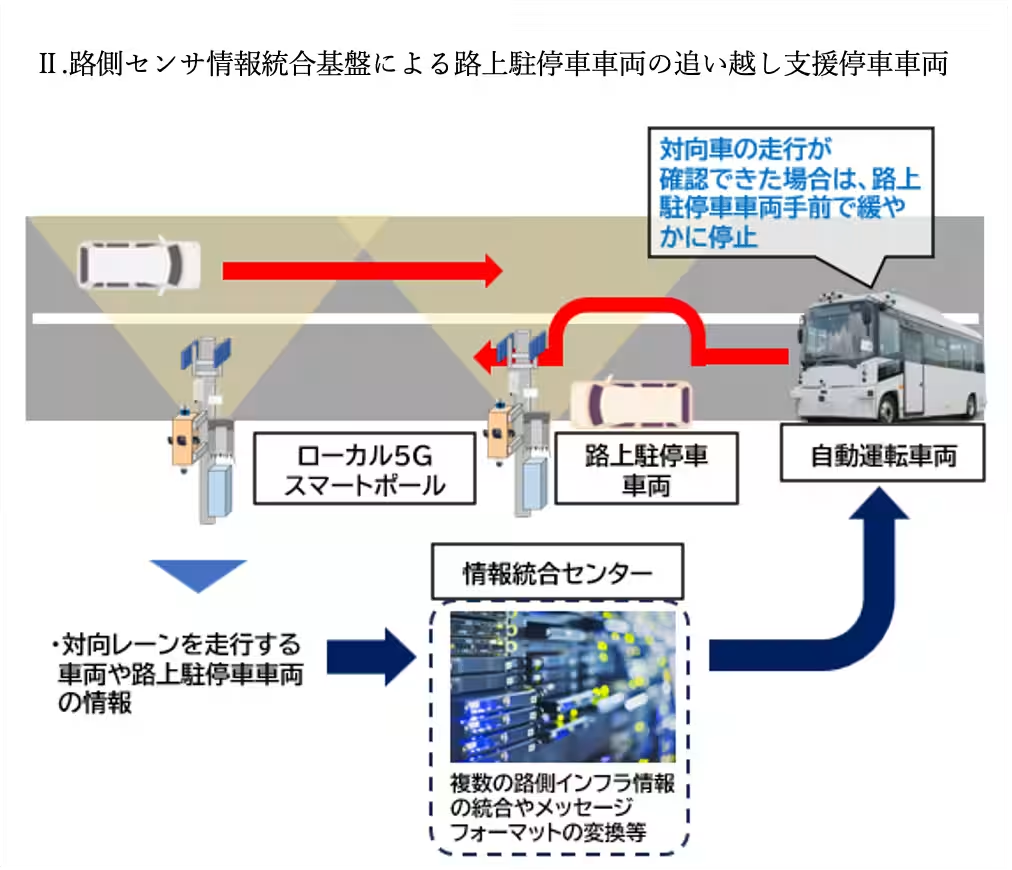
2. Avoiding Parked Vehicles:
- In sections congested with parked cars, integrating multiple roadside sensors will help detect hidden or distant vehicles. This proactive approach aims to prevent unnecessary braking or interruptions while the bus navigates through these crowded situations, improving the overall flow of traffic and safety for both pedestrians and passengers.
Consortium Roles
The following are the contributions from each consortium member:
- - NTT East: Oversees the entire project, including the provision of autonomous buses and relevant communication infrastructure.
- - Tier IV: Develops the autonomous vehicle technologies and integrated support systems.
- - Map for: Focuses on creating high-precision 3D maps essential for autonomous navigation.
- - Measurement and Planning Research Institute: Provides support for implementation planning and evaluation of the demonstration's effectiveness.
- - Odakyu Bus: Offers insights into regional transportation and logistical assistance.
- - Komae City: Manages public transport policy and the maintenance of road conditions related to the trials.
Test Ride Event
An exciting opportunity for community members arises as a trial event for the remote monitoring autonomous buses is arranged for January 12 and 13, 2026. This event will allow residents to experience firsthand the advancements made through the collaborative project. Interested individuals must apply in advance through an online form, and participants will be selected via lottery if the demand exceeds capacity.
Future Developments
As the consortium continues to navigate the complexities of suburban traffic environments while addressing issues such as driver shortages and an aging population, the initiative promises to create a reliable and safe transportation experience. The goal is to develop autonomous vehicles that can operate even with standing passengers, unlocking enhanced mobility options in Komae and establishing a robust framework for future public transport integration. The focus will be on fostering community understanding, heightening acceptance, and ultimately, working towards a successful launch of autonomous services by 2027.
Stay tuned for updates on this groundbreaking project as it progresses towards transforming Komae City's transportation landscape!

Topics Consumer Products & Retail)
【About Using Articles】
You can freely use the title and article content by linking to the page where the article is posted.
※ Images cannot be used.
【About Links】
Links are free to use.