



Introducing NEKOMANEKI: A New Brand of Lucky Cats for Modern Times
NEKOMANEKI: Blending Tradition and Modern Aesthetics
In a vibrant intersection of culture and creativity, NEKOMANEKI—a brand of lucky cats—has emerged from the innovative minds of a 28-year-old producer and a 19-year-old fashion student. This unique brand draws inspiration from the traditional Japanese lucky cat, offering a fresh take on this beloved symbol of prosperity and good fortune. NEKOMANEKI officially launched its website on August 28, 2026, with the vision of redefining what a lucky cat can represent in today’s world.
The Vision Behind NEKOMANEKI
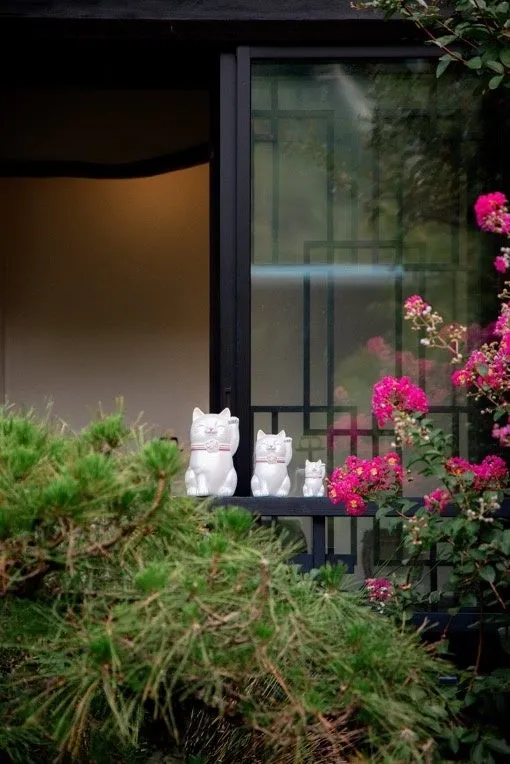
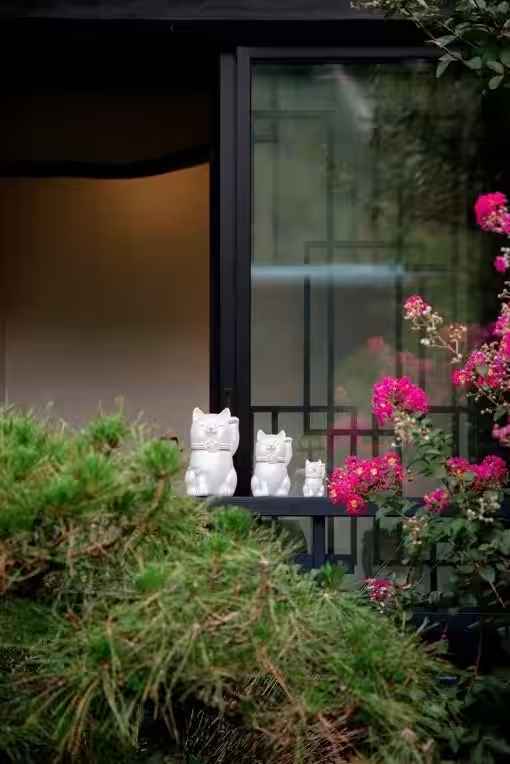
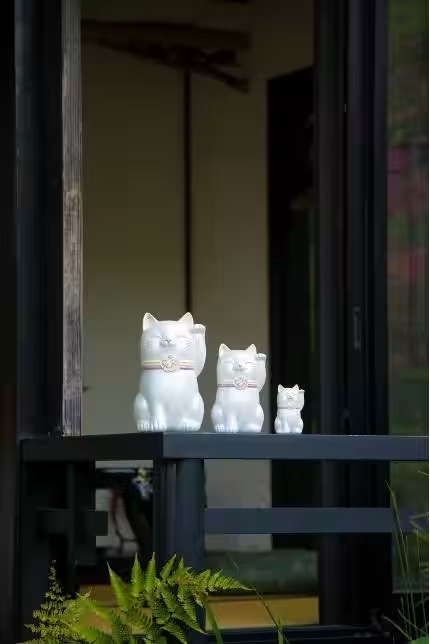
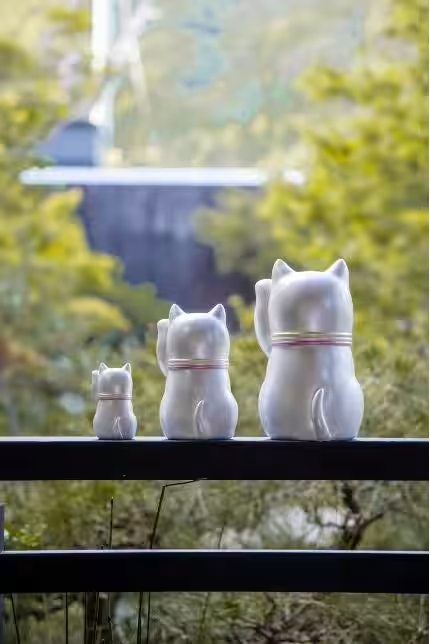
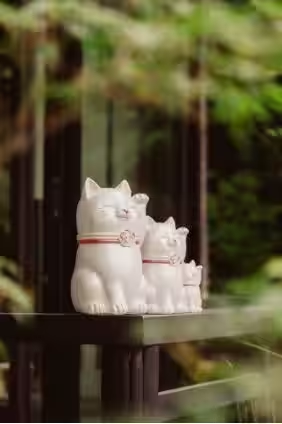
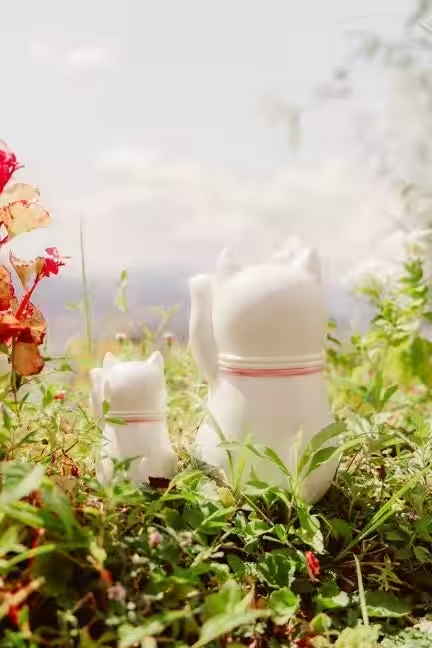
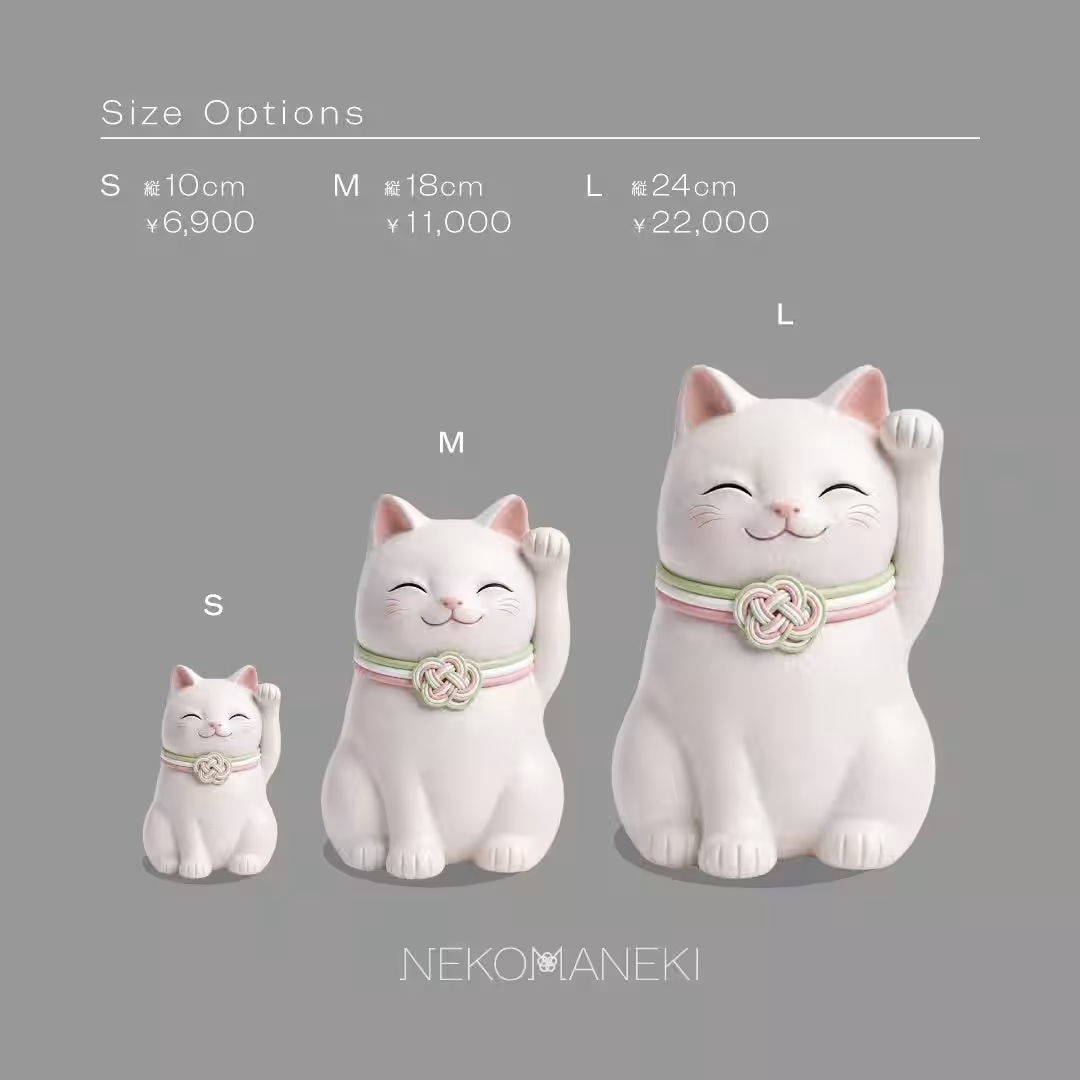
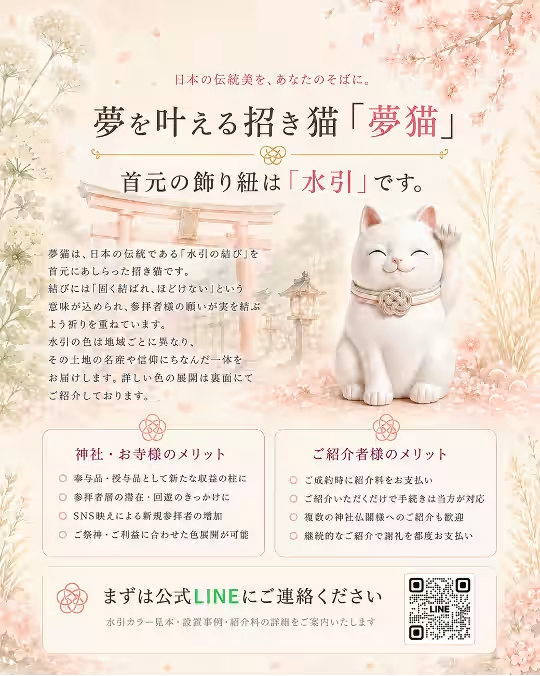
The brand’s concept revolves around the idea of the “Dream Cat” or Yume Neko (夢猫), a feline entity designed to attract one’s deepest wishes and dreams, keeping them close until fulfillment. This modern rendition of the lucky cat features a round, soft silhouette and a smile that embodies serene positivity—qualities that resonate with the lifestyles of current generations.
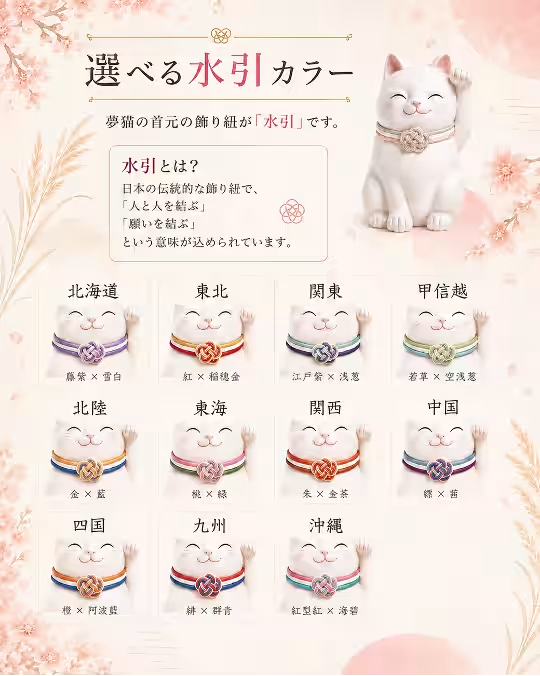
Moreover, NEKOMANEKI not only emphasizes aesthetic beauty but also holds significant traditional values. The brand incorporates elements such as the ume musubi (梅結び), a decorative knot symbolizing promises that remain unbroken until wishes come true. The unique design establishes a smooth compatibility with various contemporary home decor themes, appealing to younger audiences craving a blend of heritage and modernity.
Launch Event: A Celebration of Culture
To celebrate the official launch, a two-day pop-up event was hosted on August 28–29, 2026, at MIL 2ND in Harajuku, Tokyo. This gallery space presented a collaboration with RINO PROTEIN, giving attendees a chance to interact with the brand’s offerings while enjoying an atmosphere that fosters cultural appreciation.
This pop-up served not only as a focal point for reaching out to audiences but also as an occasion to recruit temples and shrines across Japan for a completely risk-free consignment sales model. This approach eradicates inventory risks, making it easy for places of worship to engage with the NEKOMANEKI brand while providing visitors with the opportunity to take home their very own Symbol of Happiness.
The Unique Persona of Dream Cat
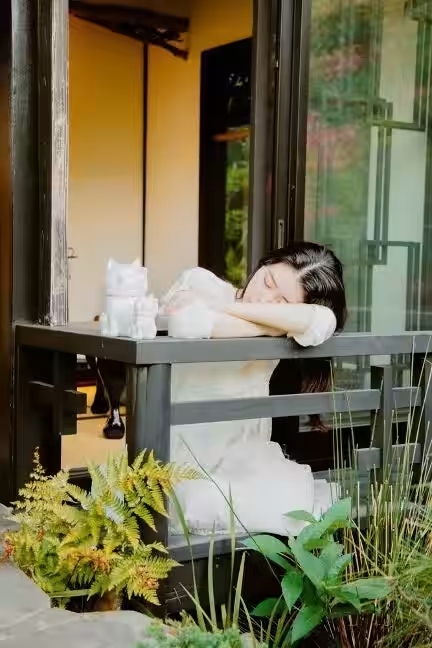
The Dream Cat isn’t just a product; it carries a story. It represents a loving character that draws wishes near while maintaining a gentle nature. With a fondness for kinpira candy and a lounging preference by warm windowsills, this cat embodies warm-heartedness and resilience.
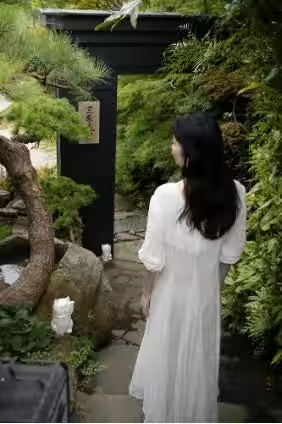
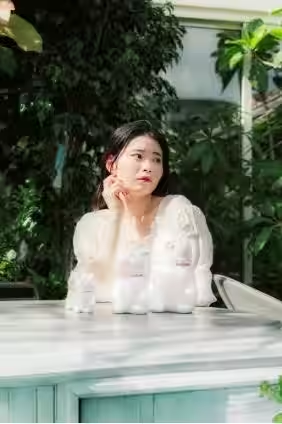
The serene visuals created by the renowned landscape designer Kazuyuki Ishihara contributed significantly to NEKOMANEKI’s identity. The main imagery was photographed at Mihara Garden in Nagasaki, an elegant garden showcasing various flowering plants and landscapes that evolve with the seasons. This captivating backdrop mirrors the evolving and continuous growth of dreams and aspirations, resonating deeply with NEKOMANEKI’s ethos.
Marketing and Brand Engagement
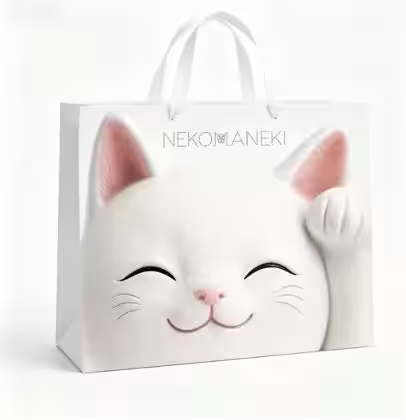
To enhance the brand experience further, NEKOMANEKI offers distinctive shopping bags featuring the Dream Cat’s relatable expression, designed to catch the eye and act as a ‘walking advertisement.’ Customers carrying these bags inadvertently promote NEKOMANEKI wherever they go, fostering organic engagement and social media discussions around the brand.
Conclusion: A Brand for the Contemporary Era
The innovative spirit behind NEKOMANEKI is embodied by its creators. Producer Yuria Kajiyama, despite her cat allergies, finds solace and inspiration in the world of lucky cats. She aims to challenge outdated perceptions, blending traditional values with a playful, modern appeal. The brand’s commitment to memory, the present moment, and future aspirations encapsulates a beautiful narrative that invites individuals to resonate with both their cultural backgrounds and contemporary lifestyles.
With NEKOMANEKI, the concept of a lucky cat evolves into a relatable symbol of hope, prosperity, and dreams, making it the perfect companion for anyone looking to attract positive energy into their lives. This blend of innovation and tradition positions NEKOMANEKI not just as a brand but as a movement—redefining the way we interact with culture in our everyday lives.

Topics Consumer Products & Retail)
【About Using Articles】
You can freely use the title and article content by linking to the page where the article is posted.
※ Images cannot be used.
【About Links】
Links are free to use.