



Japanese Battery Company Signs Agreement for Disaster Power Supply in Kumamoto
Japanese Battery Company Enhances Disaster Resilience in Kumamoto
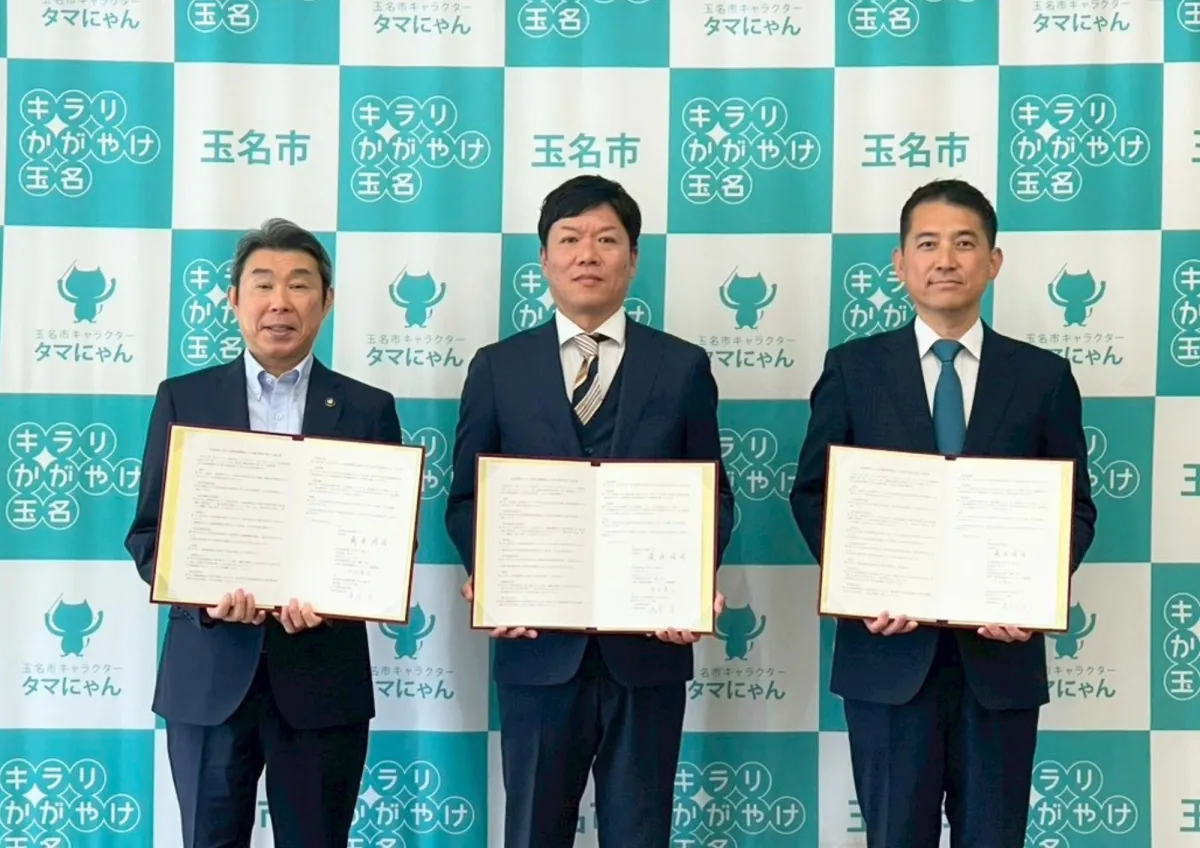
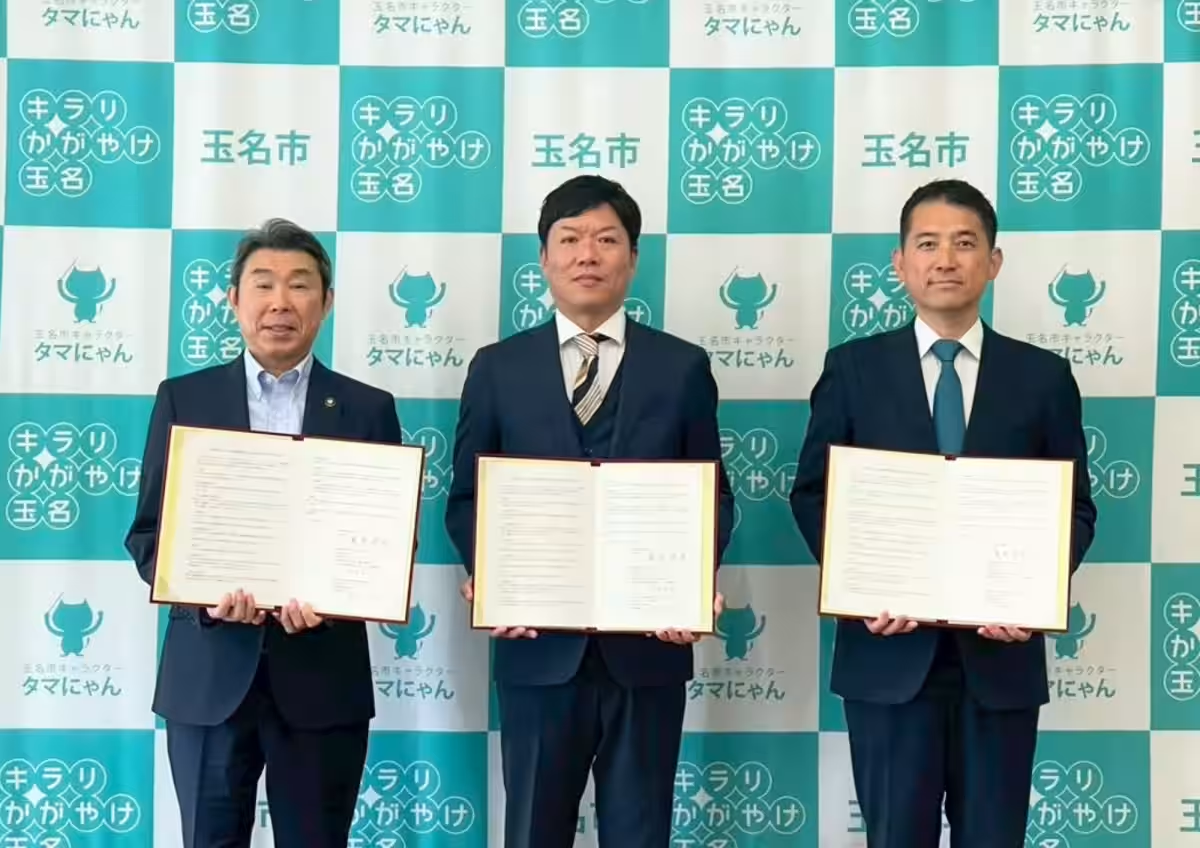
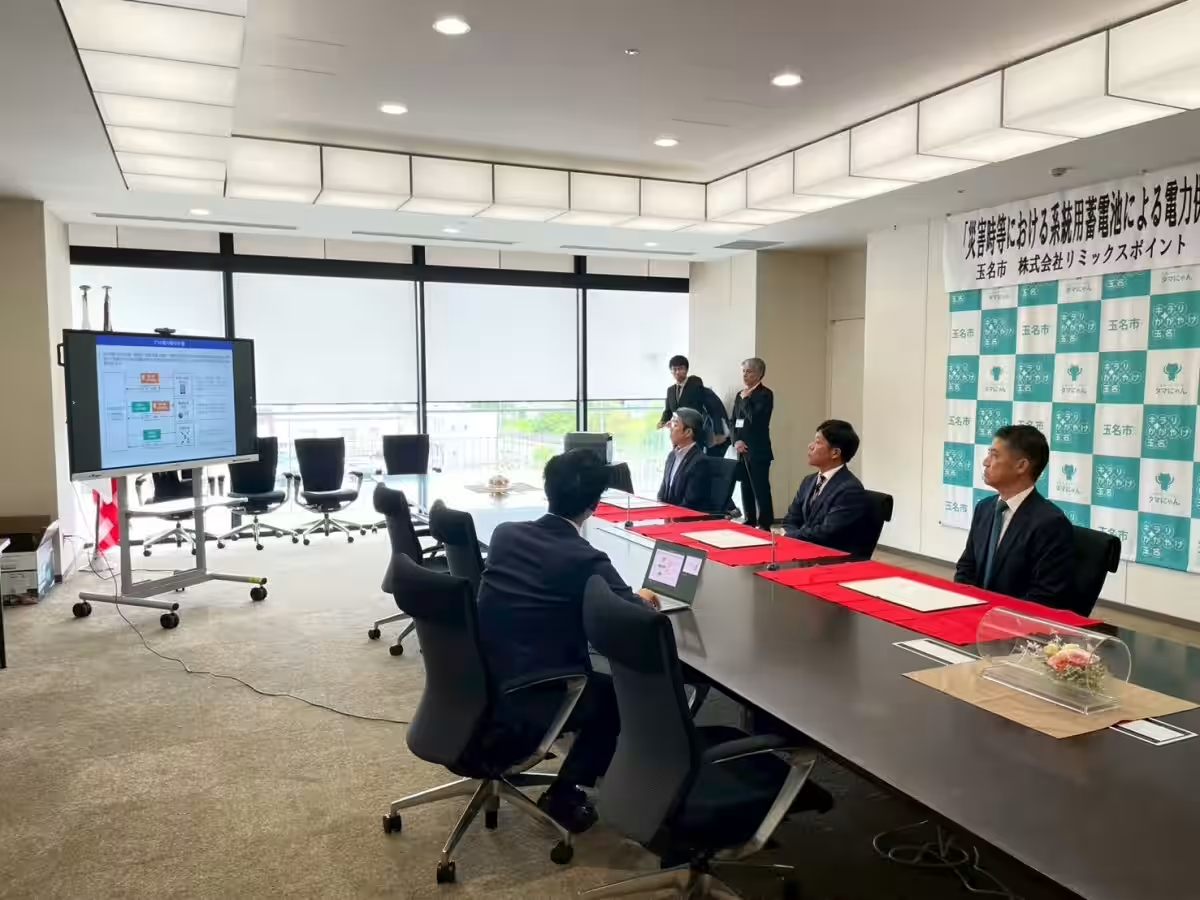
On June 3, 2023, Japanese Battery Company (JBC) entered into a significant disaster support agreement with Remixpoint, Inc. and the city of Tamana, Kumamoto Prefecture. The agreement was officially signed during a ceremony that included key stakeholders from both companies and local government. This partnership aims to utilize a newly developed grid-connected battery system specifically designed for disaster scenarios, thereby enhancing community disaster resilience as well as maintaining seamless public services in times of emergencies.
Overview of the Agreement
The collaboration proposes a robust framework for electric power supply assistance during disasters, ensuring that both organizations work closely with city officials to strengthen regional disaster response capabilities. The agreement reflects a proactive approach to emergency preparedness, allowing for essential electric services to be sustained when they are most needed.
The Essentials of Disaster Support Agreements
Disaster support partnerships like the one established in Tamana involve local governments aligning with private enterprises to equip themselves for large-scale emergencies, such as natural disasters or power outages. These agreements establish a reliable support system that includes resource provision, personnel deployment, and crucial electricity supply initiatives, much needed during times of unscheduled calamities.
Role of Grid-Connected Batteries
Grid-connected batteries are large-scale storage systems designed to harness renewable energy effectively while balancing power supply and demand. They connect to the power grid and store energy during times of surplus while allowing for discharge during periods of high demand or emergency. This technology is particularly valuable in supporting renewable energy sources, such as solar and wind, which can experience significant output fluctuations.
Use of Batteries in Emergencies
The grid-connected battery storage facilities are equipped with external power outlets, allowing trained personnel—electricity engineers—to manage and operate these systems during emergencies. The stored electricity can be deployed to power essential devices such as portable batteries and smartphones, which are vital for communication and information gathering during a crisis.
In practicality, a typical two-person household requires about 17 kWh for 72 hours (approximately 5.6 kWh daily). The planned battery system by JBC has a capacity of around 8 MWh (8,146 kWh), capable of supplying power sufficient for around 470 households over the same duration. Such an infrastructure is crucial for community resilience during disasters, serving as a backup energy source and reinforcing local networks of support during critical times.
About Japanese Battery Company
Japanese Battery Company focuses on promoting the deployment of grid-connected batteries that support the stability of energy and power supply systems. The organization operates on three primary business pillars:
1. Battery Storage Development: JBC identifies appropriate land for battery installations while also coordinating with utility companies to pave the way for site development. They manage all interactions, ensuring the chosen contractors and battery solutions align perfectly with unique site conditions.
2. Operation and Maintenance: To guarantee stable performance, the company conducts mandatory inspections and continual monitoring, aiming for prolonged safe operations, essential in the battery industry, which requires reliable performance over spans of 20 years or more.
3. Market Creation: JBC aims to generate new markets that make energy storage solutions more sustainable, thereby facilitating easier entry for companies and investors. This initiative is geared towards contributing to Japan's reliable energy supply with numerous partners in the field.
Looking Ahead
Japan’s energy landscape is currently reliant on fossil fuels for over 70% of its electricity, raising the need for significant transformations towards renewable energy sources aimed at decreasing CO2 emissions. This shift is vital for fostering a sustainable society. Through the promotion of grid-connected battery installations, JBC aspires to address these challenges while facilitating the creation of a finance-friendly environment for broader participation in the energy market. The company plans to initiate operations at 70 storage facilities by 2028, marking an important step toward a more sustainable energy future.
Corporate Information
Remixpoint, Inc.
- - Company Name: Remixpoint, Inc.
- - CEO: Yoshihiko Takahashi
- - Location: 4-3-9 Toranomon, Minato-ku, Tokyo
- - Business: Energy Solutions and Digital Asset Management
- - Website: Remixpoint
Japanese Battery Company
- - Company Name: Japanese Battery Company
- - CEO: Shuichi Urushihara
- - Location: 3-2-5 Kasumigaseki, Chiyoda-ku, Tokyo, KASUMI Building 13F
- - Business: Development and operation of grid-connected energy storage
- - Website: JBC
Topics Energy)
【About Using Articles】
You can freely use the title and article content by linking to the page where the article is posted.
※ Images cannot be used.
【About Links】
Links are free to use.